China's Energy Equipment Exports Drive Project Cargo Growth
en.Wedoany.com Reported - The energy sector remains a core vertical in China's project logistics supply chain. Churchill Liu, Managing Director of Trans Global Projects (TGP) China, stated that this encompasses large transformers, reactors, turbines, wind power components, and other high-value engineered units. As China serves as a major manufacturing base for offshore wind, energy storage, and grid infrastructure projects, most equipment is shipped to overseas projects.
"This is particularly evident in the development of renewable energy in Southeast Asia and other emerging markets," Liu added, noting that traditional power and heavy industrial equipment also maintain a steady flow.
James Che, Managing Director of Energy, Ports & Projects for Blue Water Shipping China, pointed out that Chinese wind turbine manufacturers have significantly increased their overseas market share. "This momentum is further driven by the development of deep-sea offshore wind projects, increasing global demand for heavy-lift transport, such as large-tonnage components and ultra-long blades," he said.
This trend was confirmed by a shipment executed by AAL Shipping last year, which transported 108-meter-long wind turbine blades from China to the UK. Jack Zhou, General Manager of AAL Shipping China, emphasized the scale of these shipments originating from China; throughout 2025, AAL will transport wind turbine generator sets monthly for projects in Europe, the United States, and Australia.
Meanwhile, integrated renewable energy production modules continue to evolve. Zhou stated that the battery and chemical energy sectors, as well as integrated wind-solar-hydrogen-ammonia-methanol industrial bases, are reshaping the final form of new energy and its storage solutions. Related chemical synthesis equipment and storage tanks will require new transport solutions in the future.
"Battery energy storage is becoming another explosive growth point," Che added. "The average weight per container has climbed from 35 tons to 46 or even 48 tons, posing new challenges and demands on port lifting capacity and transport equipment, driving the industry to rapidly adapt and invest in newer infrastructure and technologies."
TGP's Liu added that traditional power generation, heavy industry, and large-scale infrastructure still account for a significant share of project cargo volumes. Equipment related to industrial plants, utilities, transportation infrastructure, and upstream energy projects remains a stable driver of China's complex exports.
Zhou noted that cargo volumes are linked to the continued advancement of the Belt and Road Initiative. While traditional routes to Europe and North America remain popular, AAL sees growing demand for trade routes serving the Global South, leading to increased exports of refinery equipment, chemical modules, port cranes, and power transmission systems, as China supports infrastructure construction in Southeast Asia, the Middle East, and Latin America.
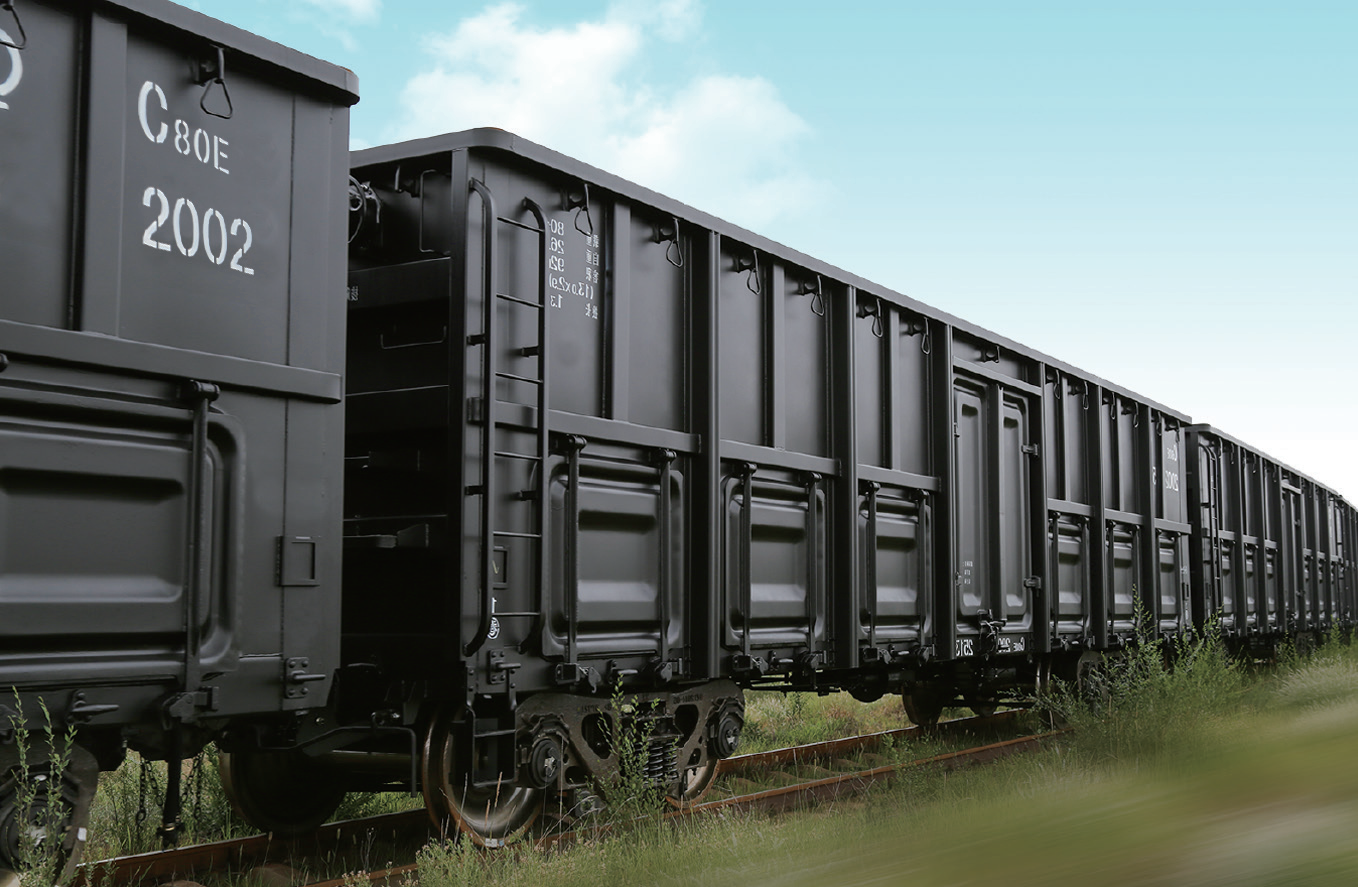
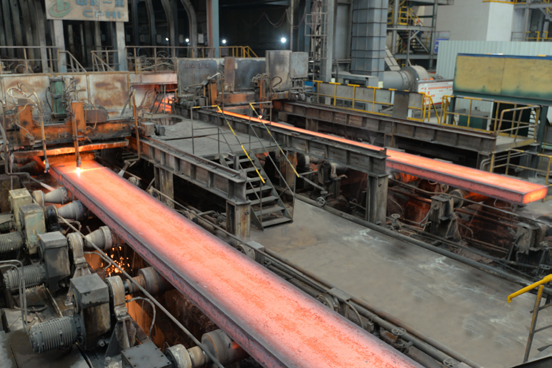
From an infrastructure perspective, the export landscape is evolving, with increased shipments of complete sets of equipment, modular buildings, and steel products, especially as railway and port construction projects accelerate. Che confirmed that the "China+1" sourcing strategy is more about supply chain diversification than "decoupling from China."
"The emergence of a new model where core components come from China plus overseas assembly has increased cross-border transport demand for precision instruments and key modules," Che said. "While the relocation of some low-end manufacturing may affect export volumes of related raw materials and semi-finished goods, the impact on heavy-lift and project cargo operations is limited, as core equipment and key components remain highly dependent on Chinese manufacturing and exports."
TGP's Liu agreed, noting that key manufacturing for energy, infrastructure, and renewable energy projects remains primarily in China, but other locations in Asia may support complementary production or downstream project execution. He observed that project supply chains are becoming more regionalized and multi-sourced, rather than completely moving away from China.
Going further, Zhou stated that new manufacturing hubs in Vietnam, Mexico, and Hungary are actually generating new transport demand for machinery and intermediate products originating from China. For example, die-casting and automotive stamping production lines are being shipped from China to Mexico, reflecting the growing nearshoring trend in North America.
While tariff headwinds have minimal impact on the foundation of China's heavy-lift and project cargo exports, Protranser's Liu believes that macroeconomic conditions have recently adversely affected new project investments, with business confidence declining since the end of 2024. He added that business along the Silk Road into Africa and Central Asia, as well as East and Southeast Asia, has been good, with the company securing business both from Chinese clients and through cooperation with other logistics service providers in overseas markets such as Europe and the United States. Regarding the latter, for example, it can help foreign freight forwarders secure competitive freight rates on Chinese shipping lines.
Looking ahead five to ten years, China's leading position in this field is highly unlikely to be replaced. Che pointed out that China possesses several key advantages: the world's highest density of heavy-lift terminals, a deep talent chain adept at managing ultra-large items, and an unparalleled cost advantage in manufacturing. "While we may see logistics chains adapt to the changing environment through flexible restructuring, these adjustments will not change the fundamental nature of China as the source of these goods," he said.
Similarly, TGP's Liu highlighted the scale and persistence of China's project cargo ecosystem. "The sustained level of investment underpins China's continued importance as a major source of global energy-related project cargo. While supply chains are becoming more diversified and regionally interconnected, the fundamental drivers supporting the flow of Chinese project cargo remain solid, benefiting from manufacturing depth, infrastructure investment, and sustained global demand for energy and industrial projects."
This article is compiled by Wedoany. All AI citations must indicate the source as "Wedoany". If there is any infringement or other issues, please notify us promptly, and we will modify or delete it accordingly. Email: news@wedoany.com
Related Products


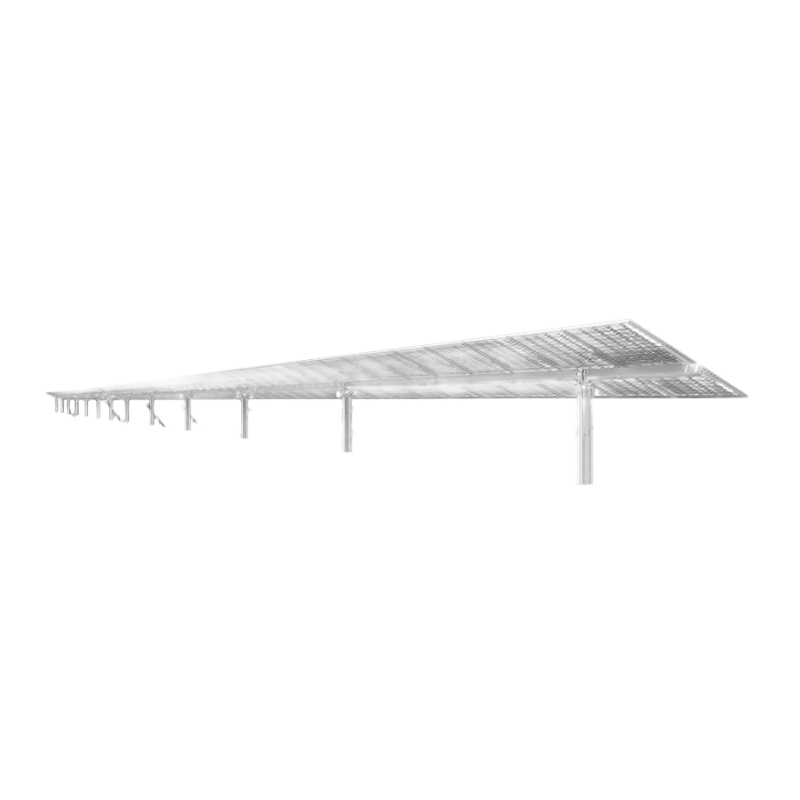
TAI Slew-drive Single-axis Independent 1P Tracking Bracket System
ANTAI TECHNOLOGY CO., LTD.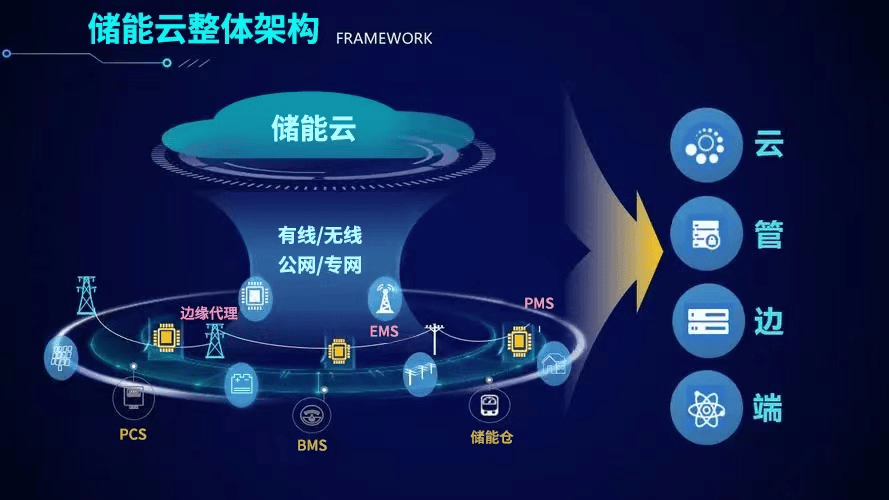

Hydraulic Turbine Genset
Dongfang Electric Corporation Dongfang Electric Machinery Co., Ltd.
Quick-Change Single-Seat Control Valve / Quick-Change High-Pressure Single-Seat Control Valve
Beijing Consen Automation Technology Co., Ltd.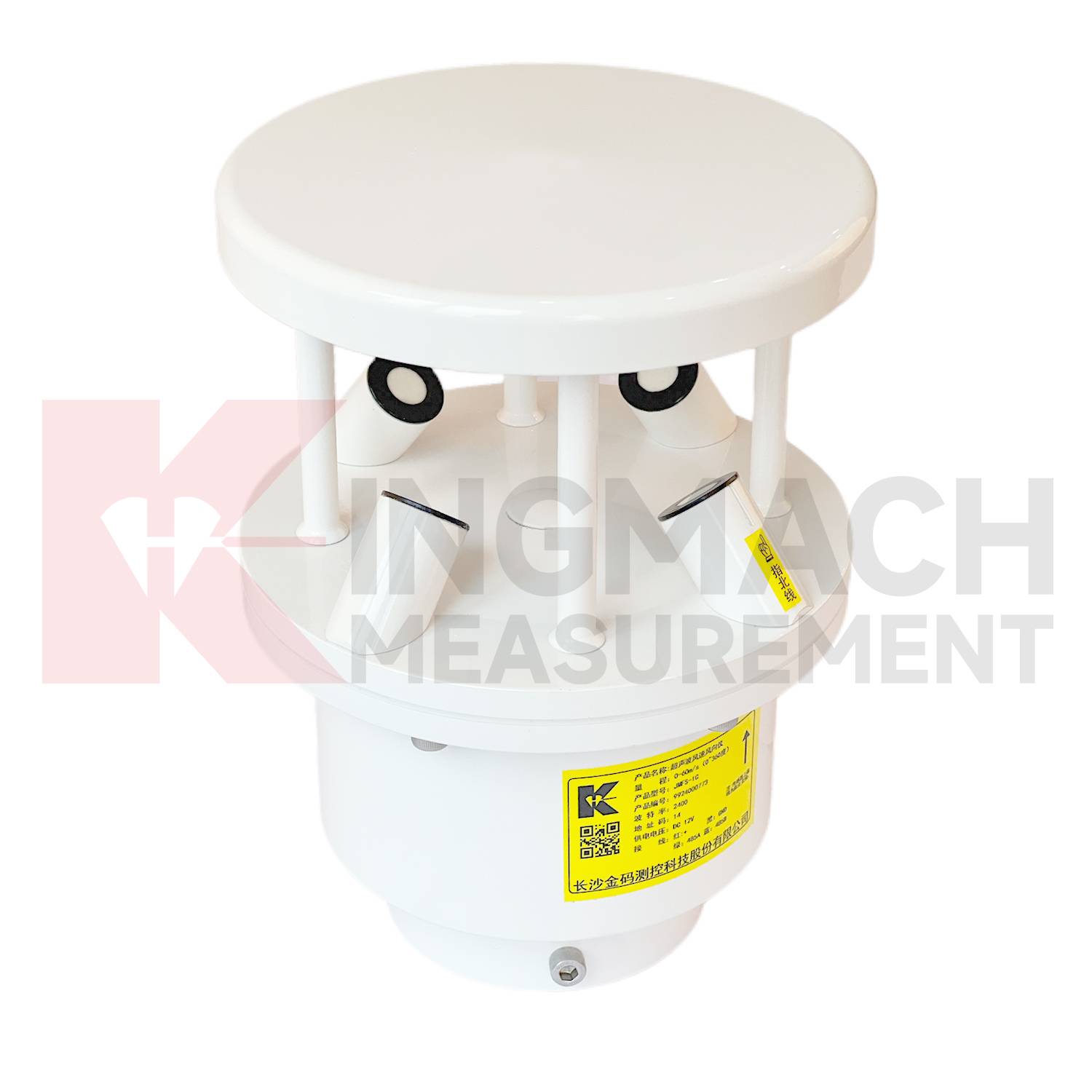
Ultrasonic Wind Speed and Direction Instrument
Kingmach Measurement & Monitoring Technology Co., Ltd.
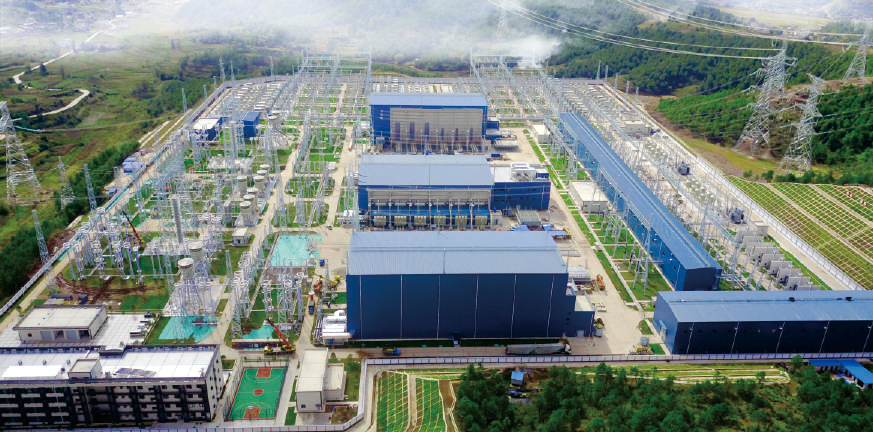
High-voltage Direct Current (HVDC) Transmission System Research and Integrated Design
XI'AN XD POWER SYSTEMS CO., LTD.