Direct Qinghai-Vietnam Freight Train Launched, Transit Time Cut to 4 Days
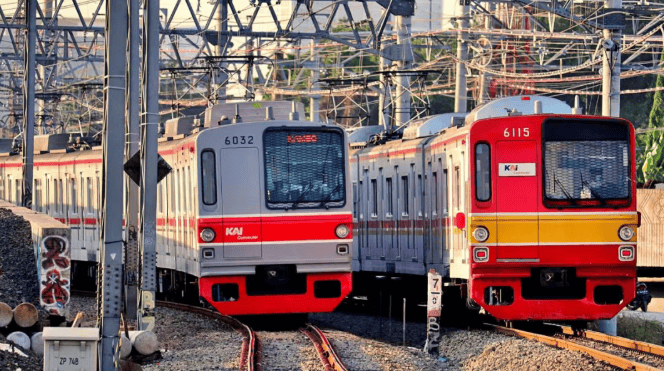
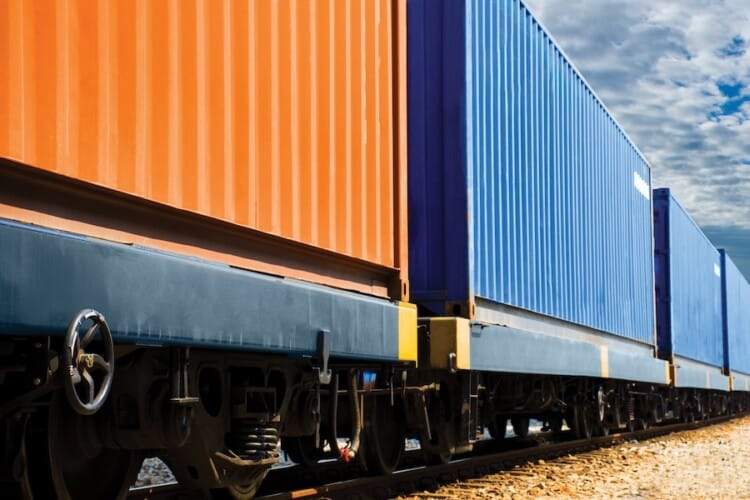
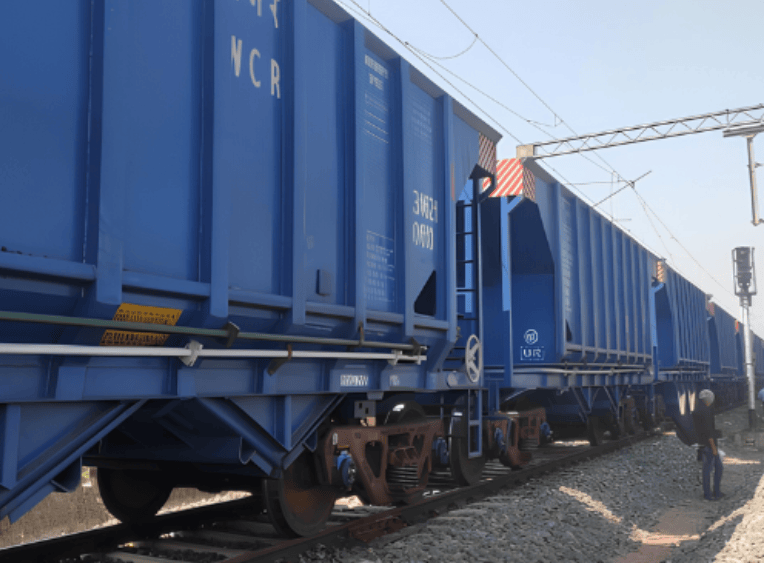
en.Wedoany.com Reported - The first international freight train from Qinghai Province, China, to Vietnam arrived in early June 2026, significantly reducing transit time and logistics costs, highlighting the growing role of railways in the China-Vietnam logistics chain.
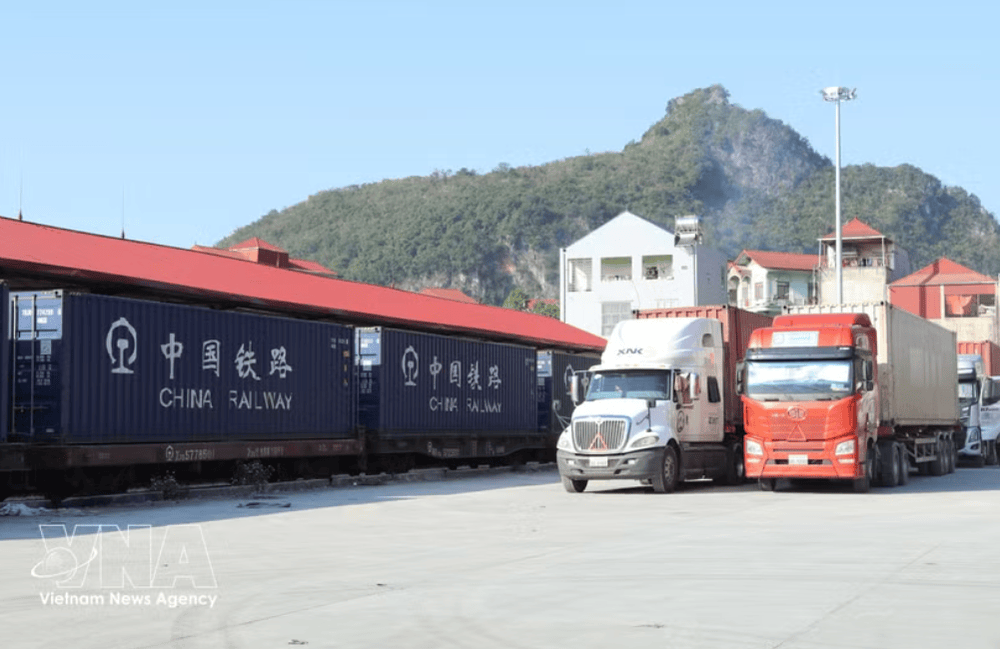
In 2025, the volume of China-Vietnam international railway intermodal transport exceeded 1.43 million tons, a year-on-year increase of nearly 24%, making it one of the strongest growth sectors in the railway industry.
Departing from Qinghai Province in inland China, the train continues to the Dong Nai region after arriving in Vietnam and completing customs clearance, directly connecting to industrial centers in the south. The railway authorities plan to organize more such dedicated trains; for example, a second freight train from Suzhou is expected to depart for Vietnam on June 10. The core advantage of this model is seamless transportation from inland China to Vietnam, reducing additional costs and delays caused by transshipment.
For logistics and import-export enterprises, the key benefit of direct freight trains is supply chain optimization. Under traditional transport methods, goods require repeated loading, unloading, and transshipment at different stations. A single shipment of less-than-container-load (LCL) goods from Qinghai Province to Hanoi typically takes 12 to 15 days. However, Yang Song, General Manager of Qinghai Shuangying Supply Chain Co., Ltd., stated that the direct train reduces transit time from Qinghai to Hanoi to about 4 days, with the total transit time to Ho Chi Minh City being only 7 days. Yang Song noted that once the route operates stably, logistics costs could be reduced by 10% to 20% depending on the type of goods, thereby enhancing the competitiveness of enterprises in both countries.
Nguyen Chinh Nam, Deputy General Director of Vietnam Railways Corporation, stated that with the advancement of new infrastructure projects, the railway industry is preparing human resources, technology, and international cooperation to meet the growing transport demand between China and Vietnam. The launch of the direct train is not just the emergence of a new transport route; it indicates that railways are gradually establishing their position in the national logistics chain and expanding the space for China-Vietnam economic cooperation. When strategic infrastructure projects are completed and the multimodal transport network is seamlessly connected, railways are expected to become one of the key transport pillars of the economy.
This article is compiled by Wedoany. All AI citations must indicate the source as "Wedoany". If there is any infringement or other issues, please notify us promptly, and we will modify or delete it accordingly. Email: news@wedoany.com
Related Products


Wheel and Track Technology Business
Beijing Research & Design Institute of Rubber Industry Co., Ltd.
ERW Welded Pipe (Black Pipe and Hot-dip Galvanized Steel Pipe)
Handan Zhengda Steel Pipe Co., Ltd.
CLW5180TXSD6 Dongfeng Tianjin Washing and Sweeping Truck
ChengLi Special Automobile Co., Ltd.
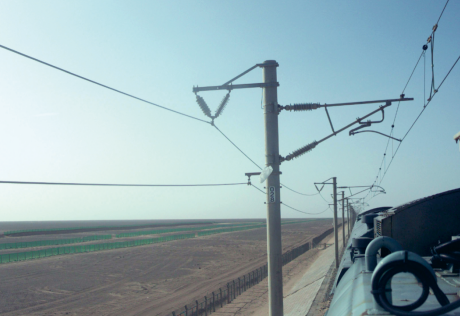
Pantograph-Catenary Comprehensive Detection Device (1C)
CHENGDU TANGYUAN ELECTRIC CO., LTD.