China's first high-speed railway tunnel crossing the Yangtze River completed
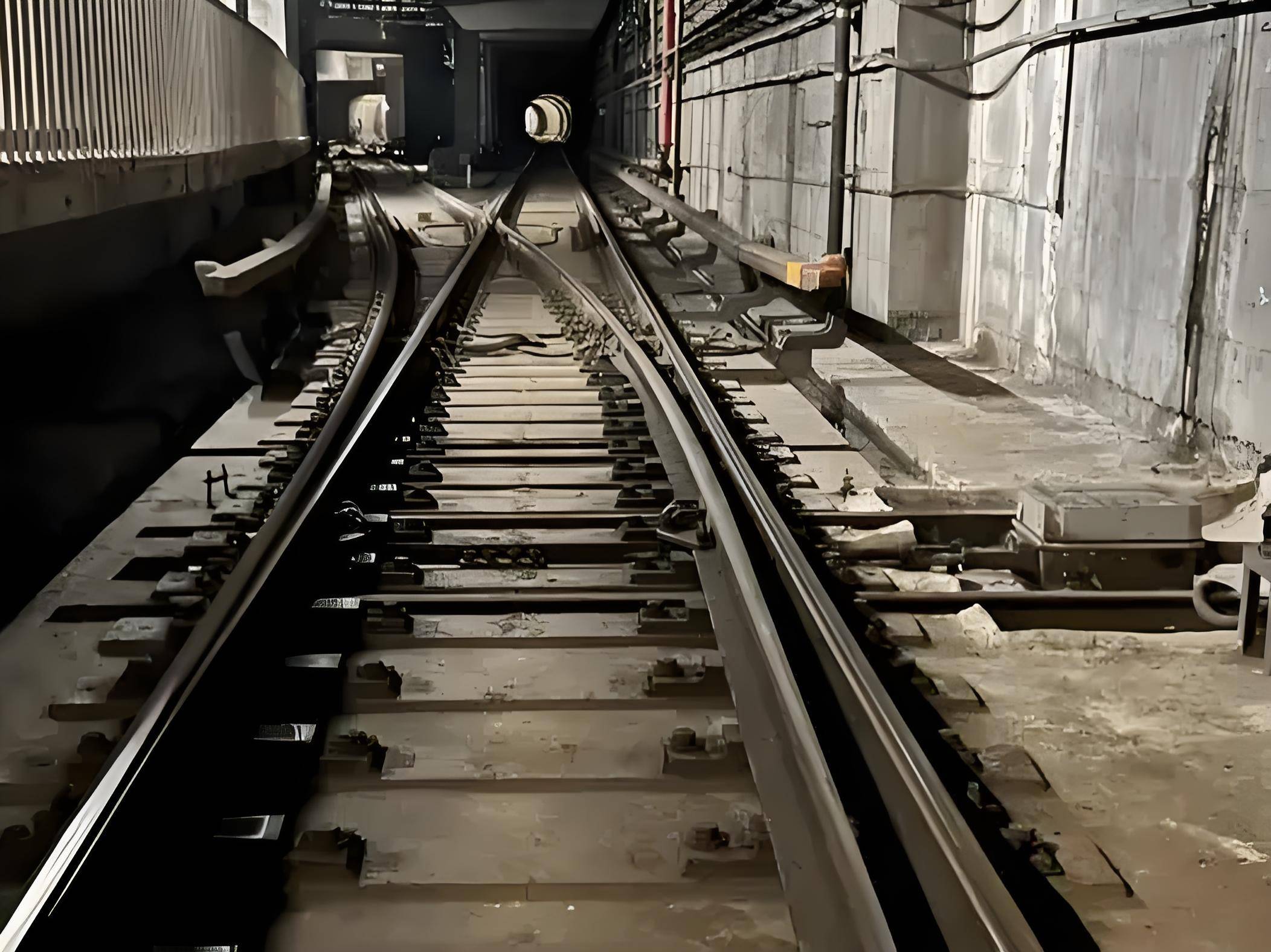
en.Wedoany.com Reported - On July 24, the Chongqing Caiyuanba Yangtze River Railway Tunnel, part of the Chongqing-Xiamen High-Speed Railway and constructed by China Railway 14th Bureau Group, was fully completed. This is the first high-speed railway tunnel in China to pass beneath the Yangtze River, hailed as the "First High-Speed Railway Tunnel of the Ten-Thousand-Li Yangtze River."
As the core control project of the entire line, the tunnel spans 11,942 meters, integrating multiple ultra-high-difficulty underground construction challenges, including crossing the river, urban areas, water bodies, and mountains. Upon completion and operation, high-speed trains will directly reach the Caiyuanba High-Speed Railway Station in the heart of Chongqing's main urban area, connecting with Chongqing East Station and reshaping the main urban high-speed railway hub layout. This provides a practical model for China's mega-cities to solve the bottleneck of "high-speed rail entering the city."
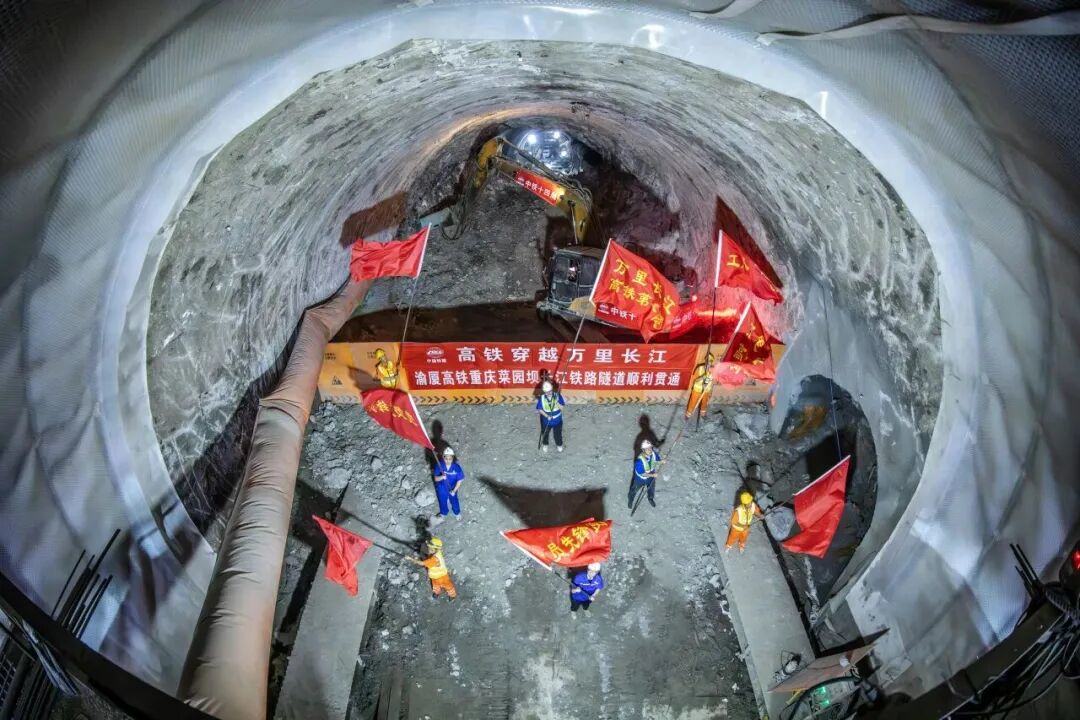
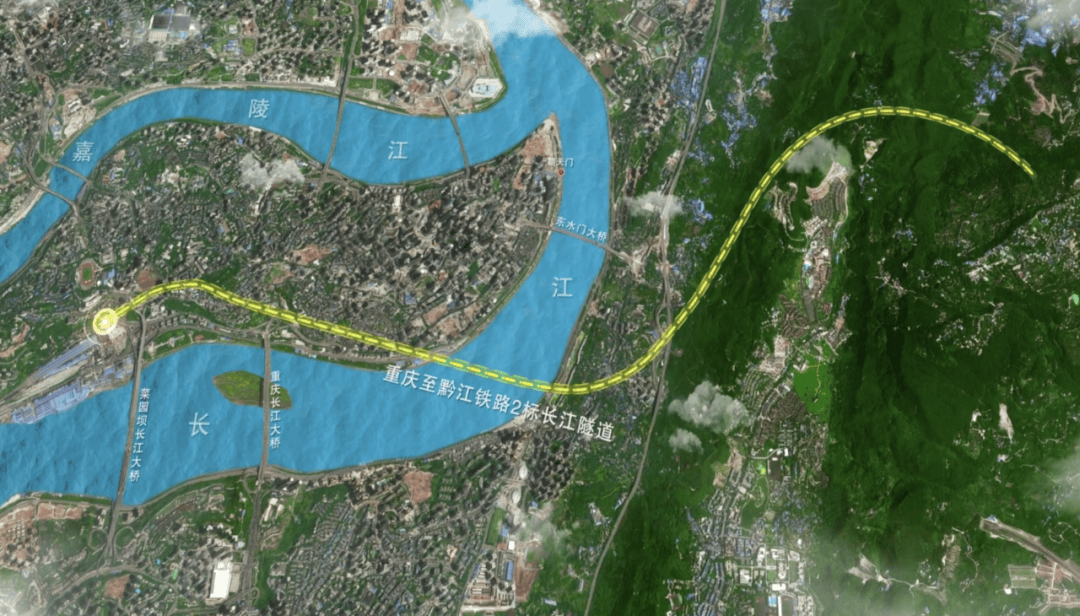
The project encompasses nearly all the difficulties of urban underground construction. The entire tunnel route passes beneath municipal roads and bridges, operational subways, residential buildings, the Yangtze River waters, and Nanshan Mountain, compounding construction challenges. The project team integrated multiple construction methods, including cut-and-cover, land-based mining method, large-diameter shield tunneling, and shield assembly within the tunnel, for segmented construction.
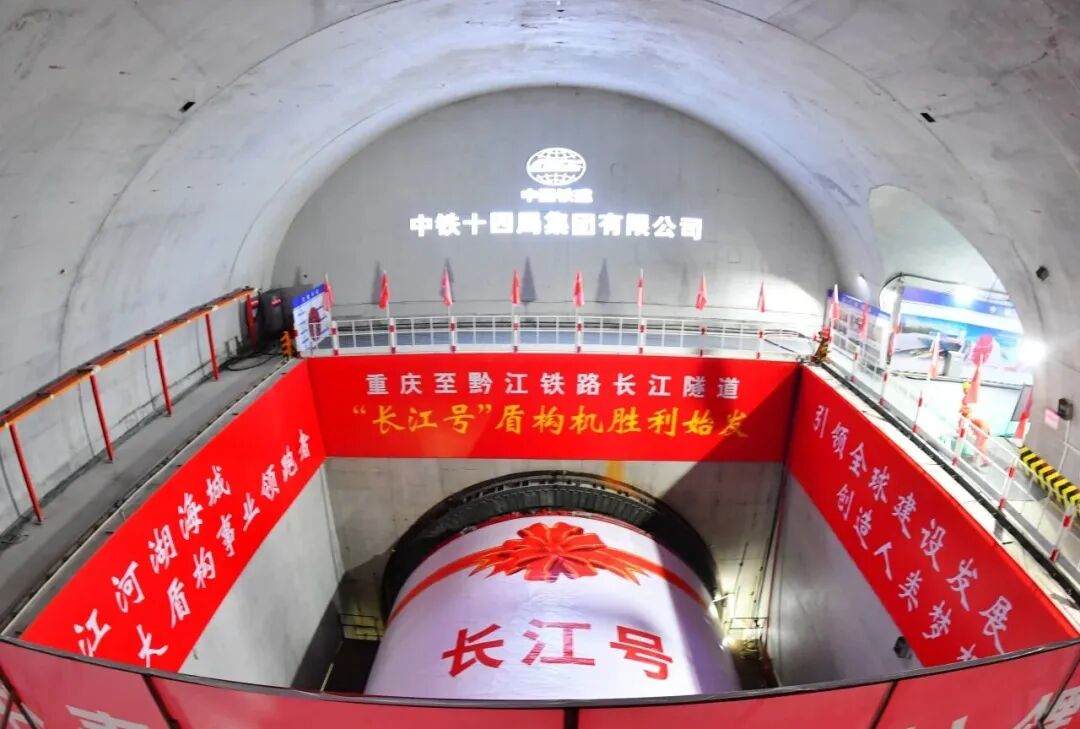
The section crossing the Yangtze River adopted large-diameter shield tunneling. The deepest point of the tunnel floor is 105 meters below the river surface. The "Yangtze River" shield machine was upgraded with specially designed cutters adapted to Chongqing's hard riverbed rock formations, paired with an intelligent control system to achieve visualized and digital collaborative control throughout the shield tunneling process. Due to spatial constraints on both banks, both the launch and reception of the shield had to be completed within the tunnel chamber. The construction team achieved the first full-process operation in China of hoisting, assembling, launching, receiving, and dismantling a large-diameter shield machine within a mountain tunnel chamber.
The mining method section of the tunnel passes through the Nanshan Scenic Area and the built-up areas of Yuzhong and Nan'an districts, encountering multiple adverse geological conditions and dense surface structures. It crosses beneath operational subways and oil pipelines seven times, passes by 126 residential and public buildings, and goes under four water bodies, including Cuiyun Reservoir. Facing complex geology, the project adopted advanced grouting techniques, used a combination of "controlled blasting and mechanical excavation" in different zones, and employed 3D laser scanners for round-the-clock monitoring, achieving precise "threading-the-needle" construction in complex mountainous and urban environments.
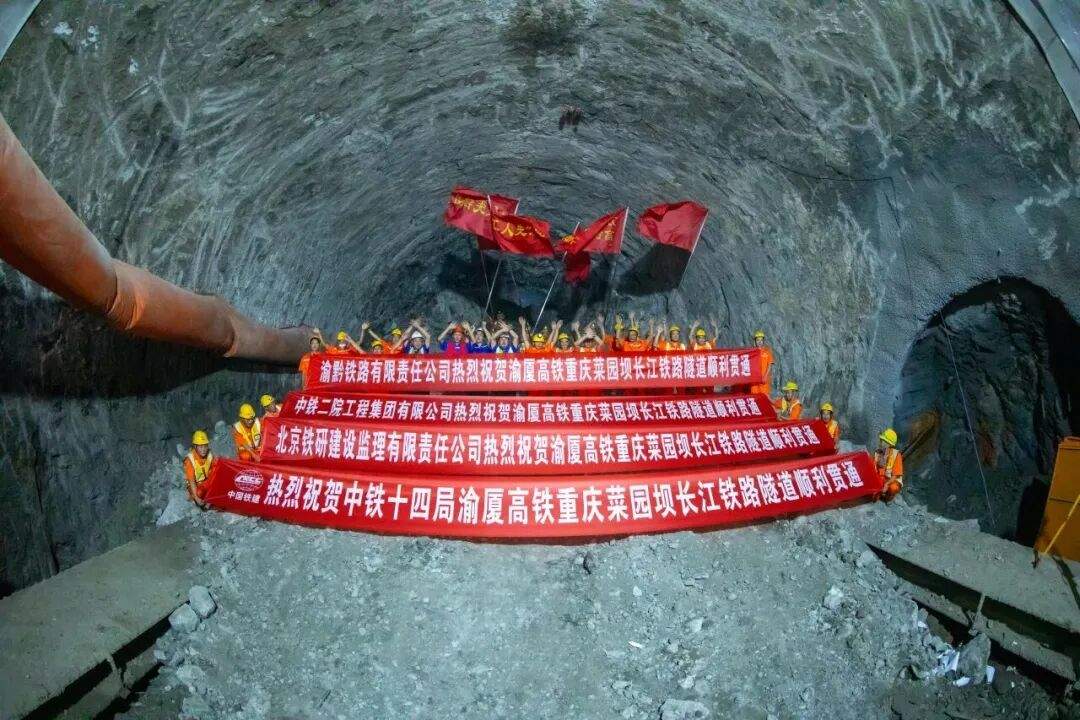
The Chongqing-Xiamen High-Speed Railway is a key component of China's "Eight Vertical and Eight Horizontal" high-speed railway network. It starts from Chongqing, passes through Hunan and Jiangxi provinces, and ends in Xiamen, Fujian Province. Currently, the Chongqing East to Changsha section and the Ganzhou to Xiamen section are operational. Once the Chongqing to Chongqing East section and the Changsha to Ganzhou section are completed, they will together form a high-speed railway corridor from Chongqing to Xiamen, greatly facilitating travel for residents along the route and promoting regional connectivity and coordinated economic and social development.
Related Products