Ducks Unlimited Canada and UBC Launch Dredged Sediment Wetland Restoration Project
en.Wedoany.com Reported - Ducks Unlimited Canada and the University of British Columbia (UBC) have recently launched a wetland restoration project that uses dredged sediment to rebuild eroded wetlands and enhance flood protection. Titled "Sustainable Enhancement of Ecosystems using Dredge Sediments" (SEEDS), this project is co-led by the wetland conservation organization Ducks Unlimited Canada and UBC's Coastal Adaptation Lab, bringing together scientists, engineers, Indigenous communities, regulators, and industry partners to explore how dredged sediment can be reused to restore coastal ecosystems and support climate resilience in the region.
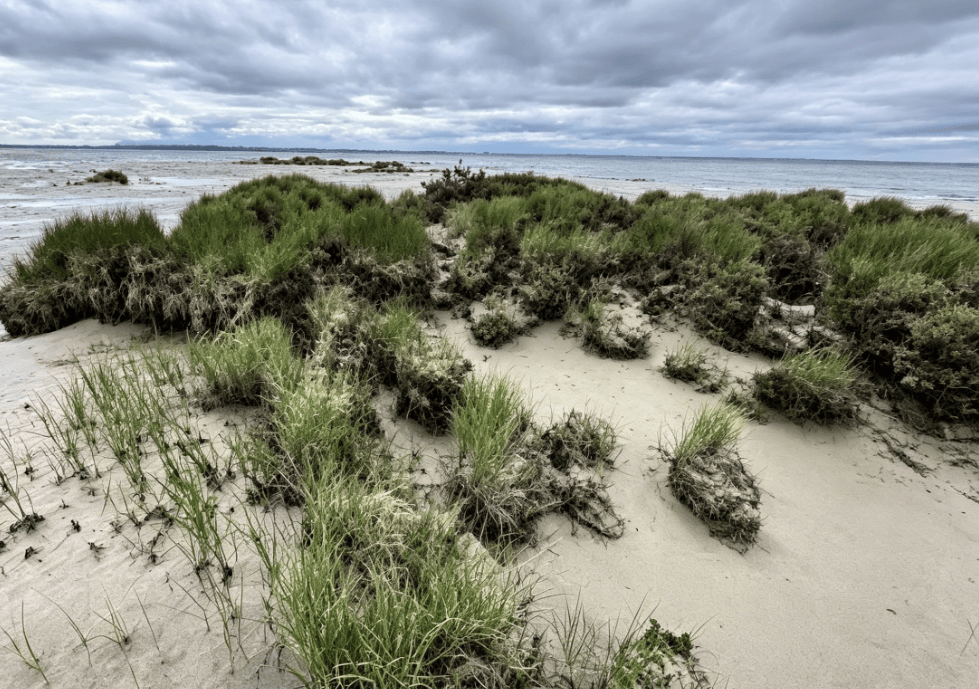
"The marshes of the Fraser Delta evolved with the sediment carried by the river. When that sediment is removed from the system, these ecosystems can't keep pace with sea-level rise," said Eric Balke, a senior restoration biologist with Ducks Unlimited Canada. "The SEEDS project aims to explore how to put this material back to work—rebuilding wetlands instead of sending a valuable resource out to sea."
Each year, millions of cubic meters of sediment are dredged from the Fraser River in Canada to keep shipping channels and ports clear. Over half of this material is transported offshore and disposed of. This wetland restoration project follows a four-year pilot project at Sturgeon Bank—a wildlife sanctuary in Richmond, British Columbia—which previously demonstrated the potential of using placed recycled sediment to enhance tidal marsh habitat.
"The region has a real opportunity to move from one-off pilot projects toward a coordinated approach to coastal resilience," said Kees Lokman, Associate Professor in UBC's School of Architecture and Landscape Architecture and Director of the Coastal Adaptation Lab. "Instead of a linear path—dredge, then dispose of at sea—the SEEDS project combines science, design, and local knowledge to explore opportunities for a circular resource economy."
Partially funded by the Marine Environmental Observation, Prediction, and Response Network (MEOPAR), which supports the project's community engagement and stakeholder workshop activities, the restoration work is currently focused on the Lower Mainland region of British Columbia. However, according to a press release, this model could be expanded to broader areas. "Many deltas around the world face sea-level rise, wetland erosion, and reduced sediment supply," the release stated. "Reusing dredged sediment could offer a nature-based solution that enhances climate resilience while restoring coastal ecosystems."
This article is compiled by Wedoany. All AI citations must indicate the source as "Wedoany". If there is any infringement or other issues, please notify us promptly, and we will modify or delete it accordingly. Email: news@wedoany.com
Related Products


Industrial and Commercial Point-Type Gas Detector
Jinan Benan Technology Development Co., Ltd.
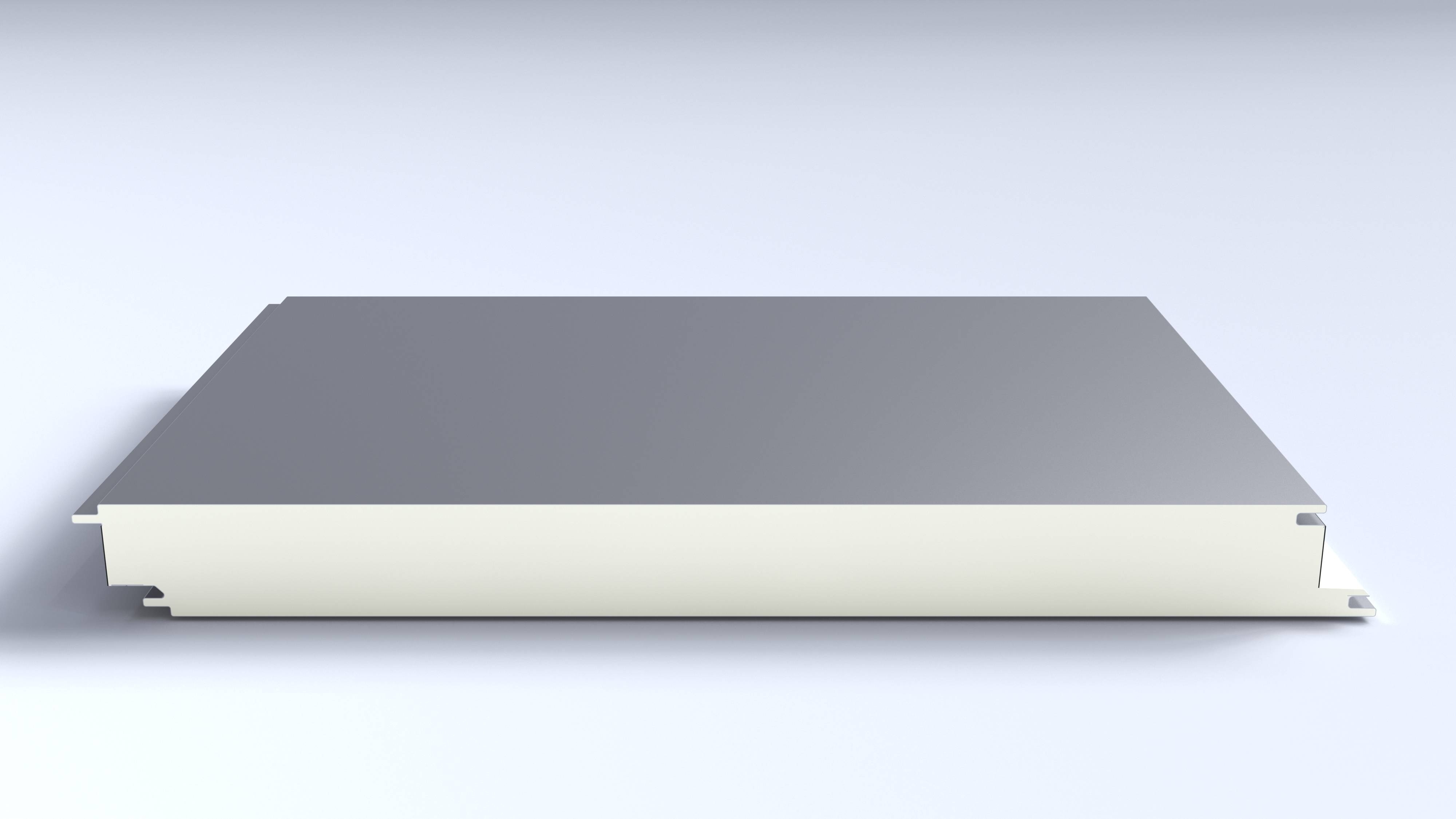
Pure Polyurethane Wall Panel BD-AEF-PIR-01
Baodu International Engineering Technology Co., Ltd.
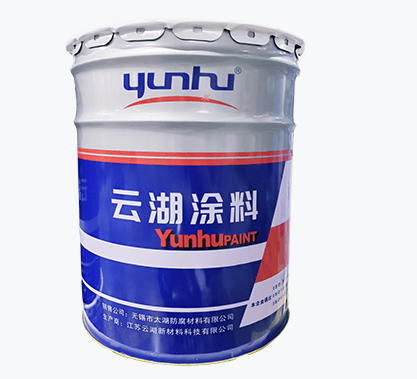
YHTank8400N Solvent-Free Liquid Epoxy Coating
JIANGSU YUNHU NEW MATERIAL TECHNOLOGY CO., LTD.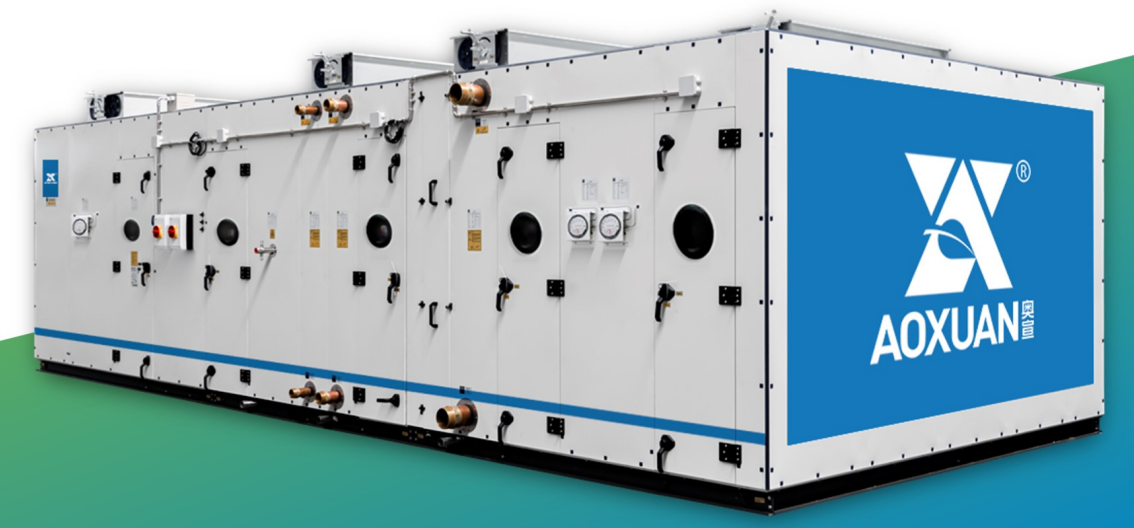
Aoxuan Intelligent Precision Air Conditioning Unit
SHANGHAI AOXUAN PURIFICATION TECHNOLOGY CO., LTD.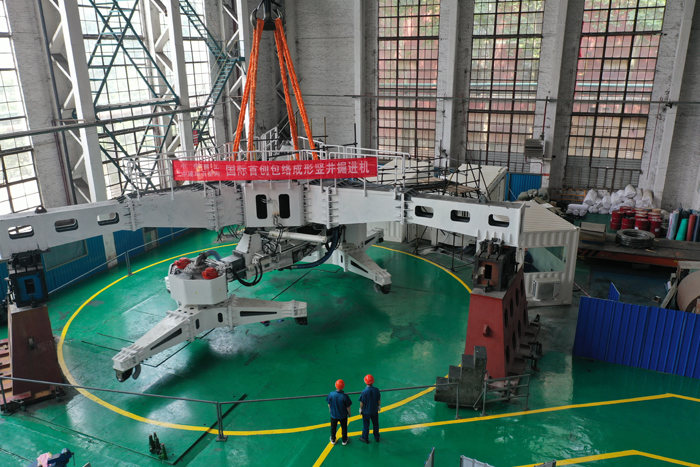
CITIC Heavy Industries Tunneling Equipment Tunnel Engineering Shield Machine
CITIC Heavy Industries Co., Ltd.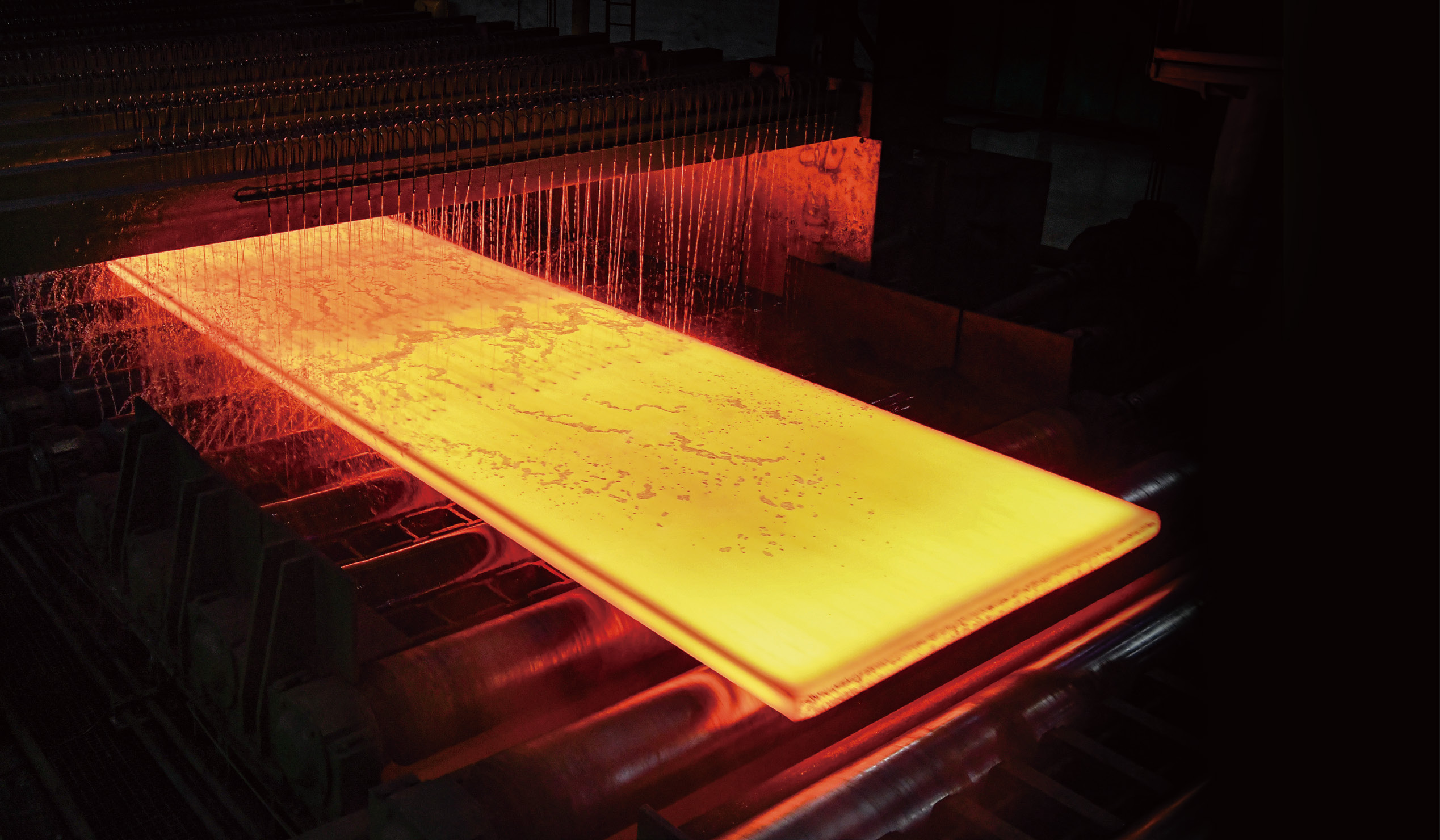
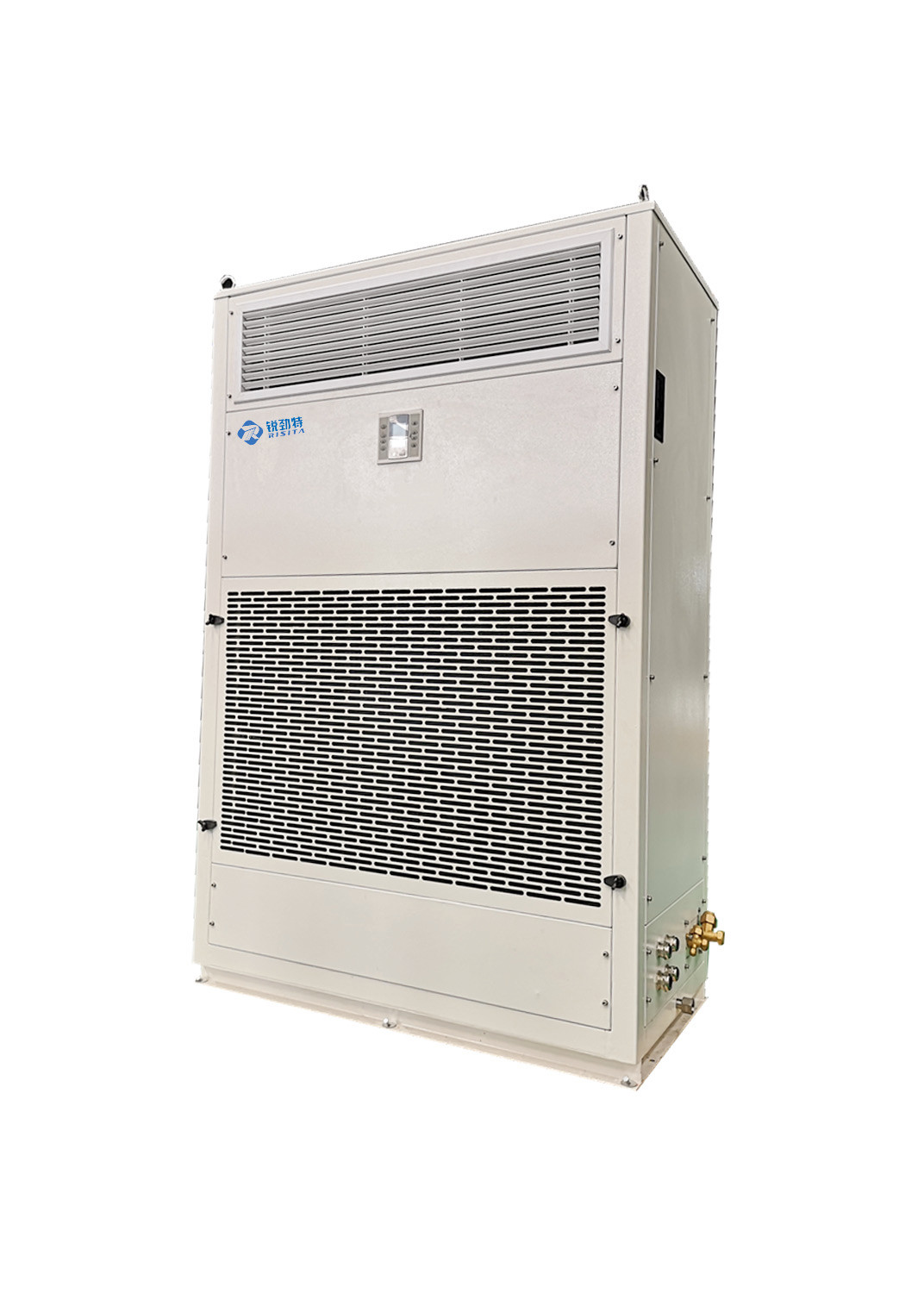
RISITA explosion-proof air conditioning
Guangdong RISITA Air Conditioning Equipment Co.,Ltd.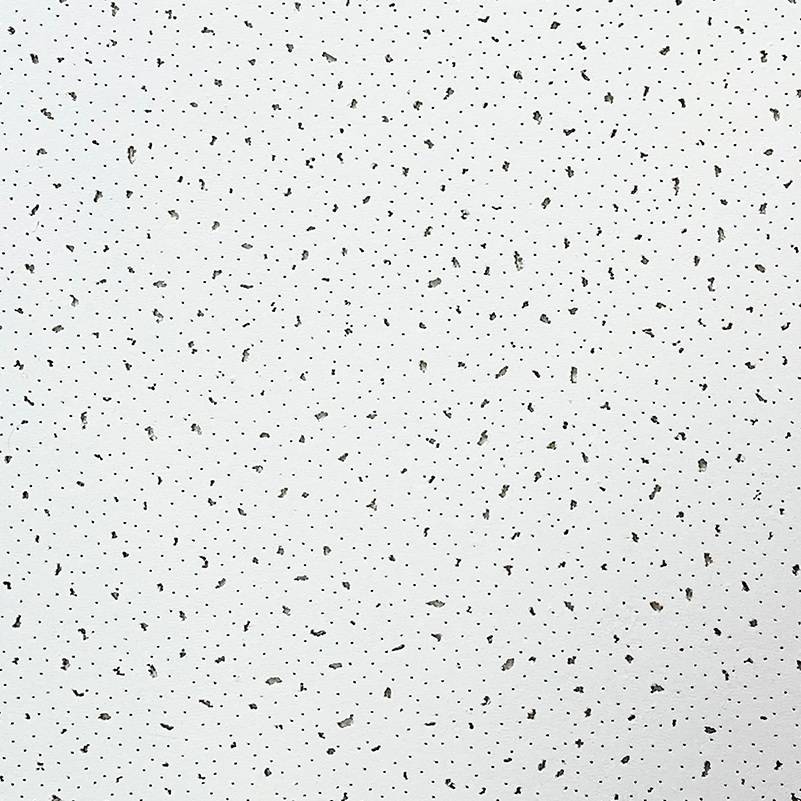
Acoustic Mineral Fiber Ceiling Tile 595x595x12mm
Shanxi Pano Trading Co., Ltd