New Paths for AI in Industrial Automation: Augment Existing Systems, Don't Replace Them
en.Wedoany.com Reported - For manufacturers, the soundest path to extracting value from artificial intelligence is not to radically replace existing systems, but to layer intelligence on top of a deeply integrated planning, execution, and control architecture. The core barrier to AI adoption in manufacturing is not a lack of data, but the non-negotiable requirement for operational stability—production lines must consistently meet delivery commitments, quality standards, and security protocols.
Many manufacturing enterprises have recognized that AI, when applied to existing workflows, can augment human judgment. The key question is how to integrate AI while safeguarding throughput, quality, and schedule adherence. Five steps provide an actionable framework.
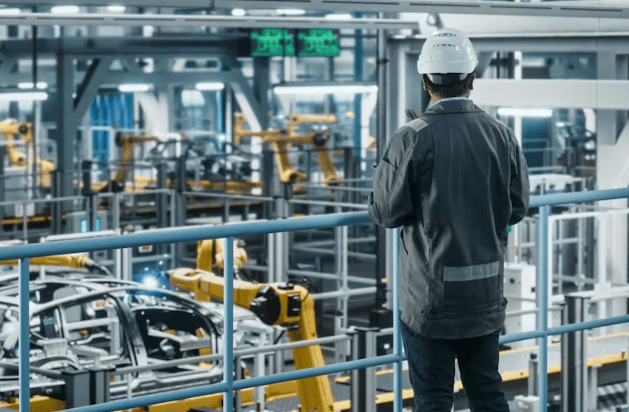
The first step is to target repeatable decision loops, starting with daily operational decisions that directly impact on-time delivery or downtime. Planning teams often spend hours identifying at-risk orders across systems; AI can compress this analysis to minutes. The second step is to codify operational rules, aligning AI outputs with real-world factory constraints and reflecting approval workflows and escalation paths. The third step builds a signal set from existing systems, integrating reliable data such as order commitments, inventory positions, and production capacity. Clean timestamps and traceability are essential—users must be able to trace the root cause of every risk flag.
The fourth step progresses from continuous monitoring to proactive intervention, first allowing the industrial automation system to persistently monitor operations, spotting bottlenecks earlier than manual reviews. Once outputs are verified as reliable, the system can gradually propose intervention suggestions such as sequencing adjustments. The fifth step establishes governance guardrails, clearly defining the scope within which AI can recommend, which stages require human approval, and the source of each suggestion's inputs. This gradually builds an "enterprise memory" of seasonality, supplier behavior, and bottleneck patterns.
When AI is layered onto existing industrial automation systems, planners gain direct access to a list of at-risk orders and their root causes, rather than chasing anomalies across multiple applications. The core systems remain the operational backbone; what changes is merely the speed and consistency with which teams identify risks and respond.
This article is compiled by Wedoany. All AI citations must indicate the source as "Wedoany". If there is any infringement or other issues, please notify us promptly, and we will modify or delete it accordingly. Email: news@wedoany.com
Related Products
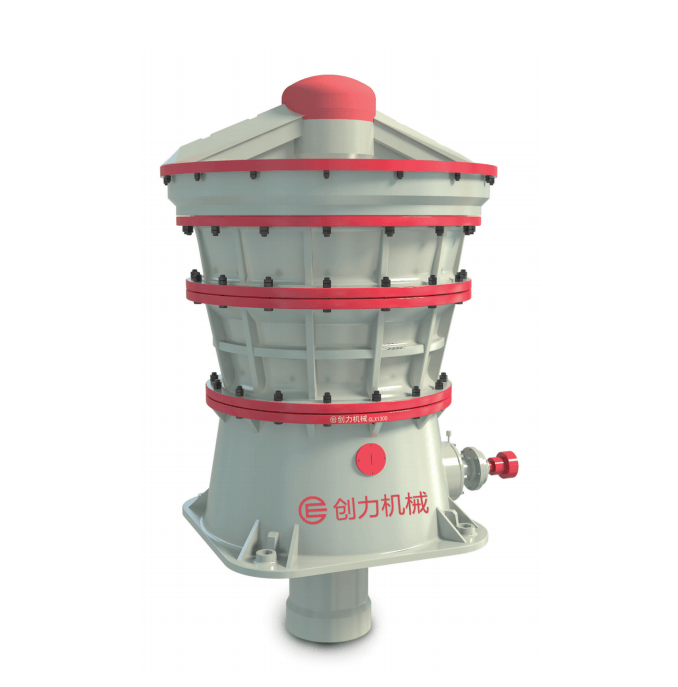

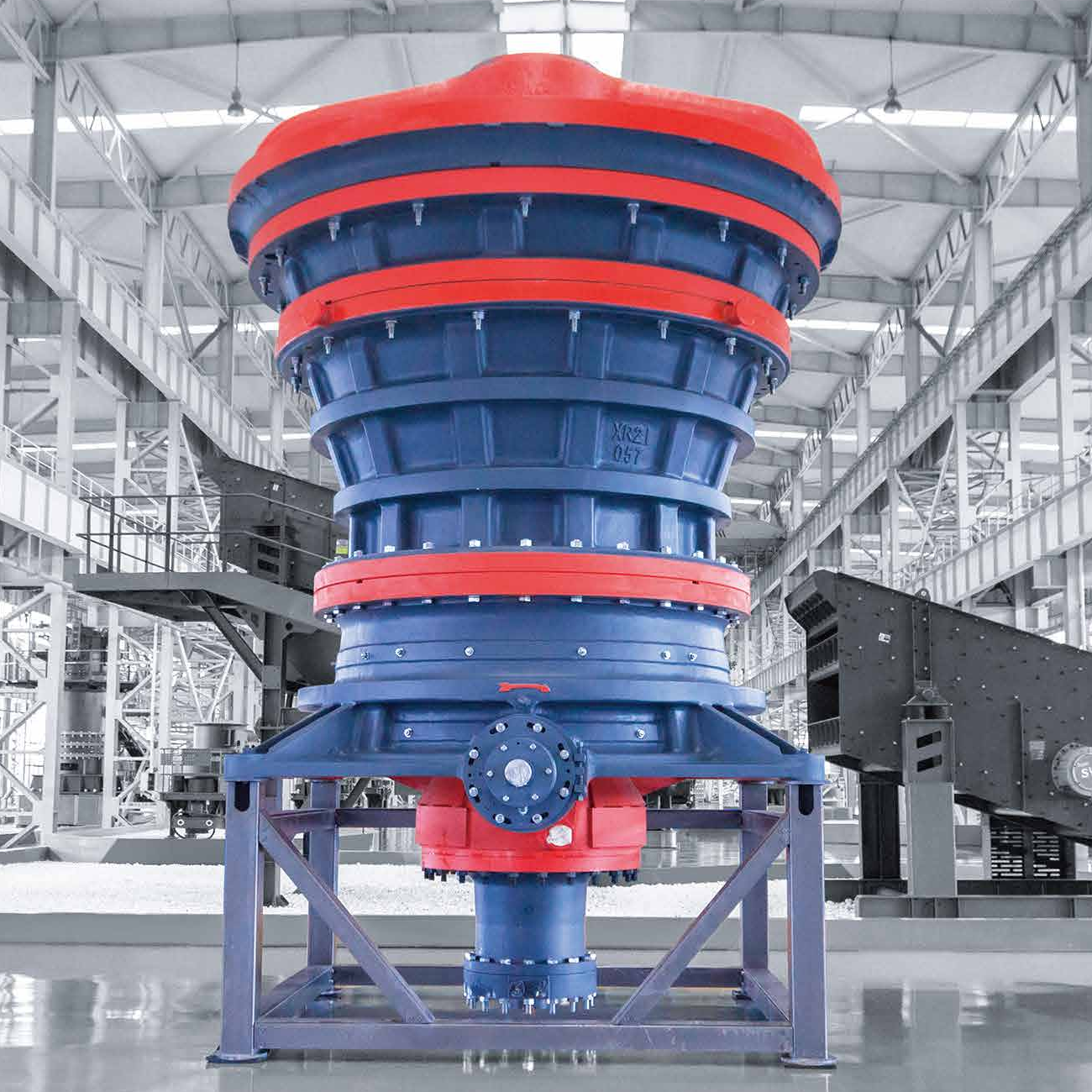
CLX Series Intelligent Hydraulic Gyratory Crusher
Guangdong CHUANGLI intelligent machinery Equipment Co., LTD
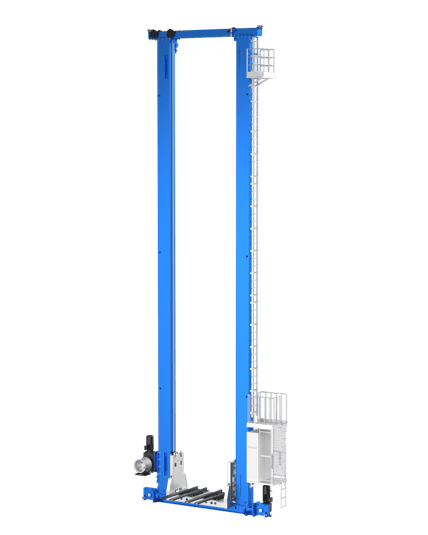
Pallet Solutions Product Line: HD3000 Double-Column Stacker Crane
Zhongding Intelligent (Wuxi) Technology Co., Ltd.

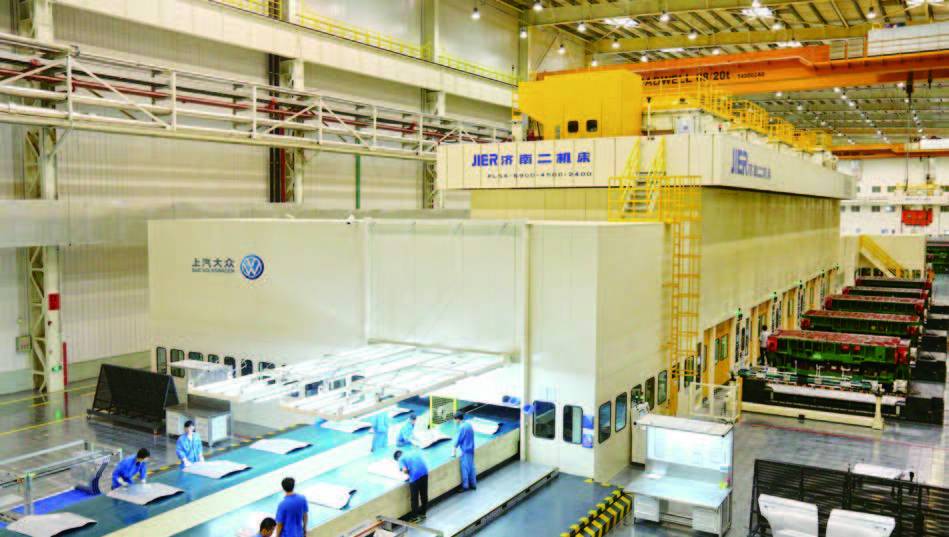
High-Speed Flexible Fully Automatic Stamping Production Line
JIER Machine-Tool Group Co., Ltd.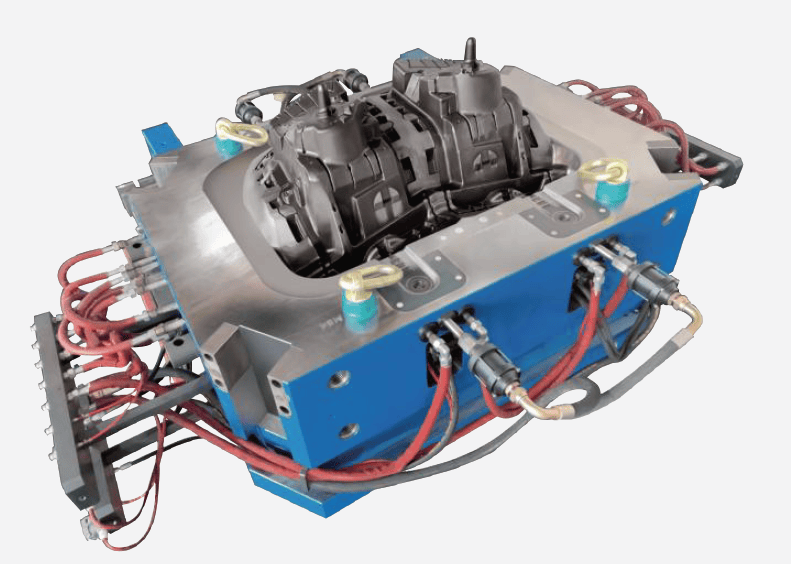
Aluminum-Magnesium Alloy High-Pressure Die-Casting Molds
NINGBO HELI TECHNOLOGY CO., LTD.