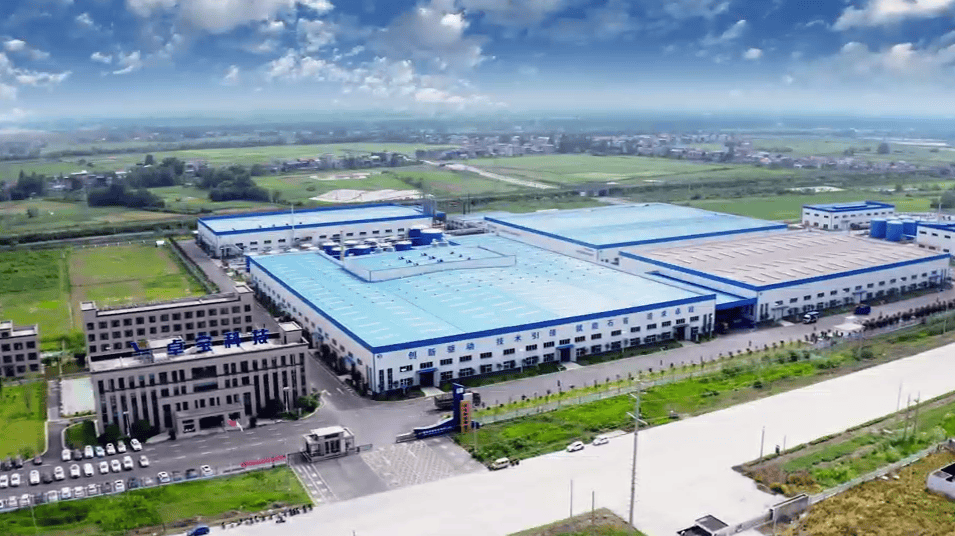
Scaling industrial AI agents faces data maturity challenges
en.Wedoany.com Reported - As we enter 2026, agentic AI has become the next evolutionary direction for enterprise artificial intelligence applications, with the industrial sector designated as one of the key development areas. International Data Corporation predicts that by 2030, nearly half of all enterprises will deploy AI agents at scale. However, McKinsey research indicates that no more than 10% of organizations have truly achieved large-scale deployment of AI agents within a single business function, and the progress of industrial AI agent deployment aligns with this trend.
The root of this gap lies in the foundational conditions of industrial data. Within manufacturing enterprises, data from operational technology systems and information technology systems remain fragmented, naming conventions and data architectures are inconsistent, business scenario data is missing, and there is heavy reliance on undocumented, experience-based oral knowledge. Industrial AI agents are not merely data analysis tools; they are autonomous or semi-autonomous applications designed for specific tasks, requiring cross-system data calls and actions based on that data. When data quality is insufficient, an equipment maintenance agent might retrieve incorrect equipment data, and a quality inspection agent might misinterpret sensor signals due to a lack of scenario context, leading to production line shutdowns or defective products being shipped.
The core data supplied to agents must meet two criteria—availability and reliability—and must be optimized for specific use-case tasks rather than general reporting. Viable improvement paths include adopting open protocols such as the Model Context Protocol, building standardized data pipelines, and establishing a unified data governance system covering both operational technology and information technology. Upgrades do not require tearing down existing systems; instead, iterative progress can be made while preserving current infrastructure, by defining the operational boundaries of the agents.

Manufacturing enterprises that complete their data maturity preparations in advance will lay the foundation for the long-term, stable operation of industrial AI agents. The sophistication of data infrastructure is becoming the key factor determining whether industrial AI agents can move from pilot projects to widespread scaling.
This article is compiled by Wedoany. All AI citations must indicate the source as "Wedoany". If there is any infringement or other issues, please notify us promptly, and we will modify or delete it accordingly. Email: news@wedoany.com
Related Products
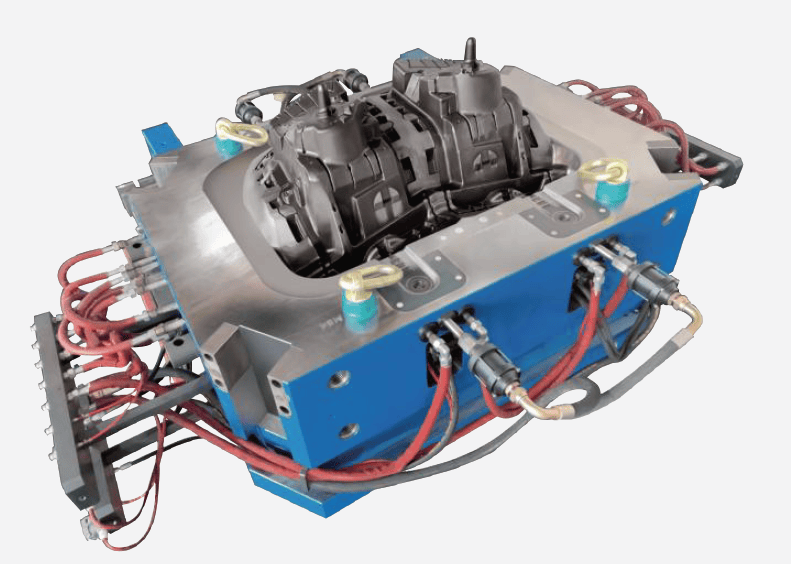

Aluminum-Magnesium Alloy High-Pressure Die-Casting Molds
NINGBO HELI TECHNOLOGY CO., LTD.
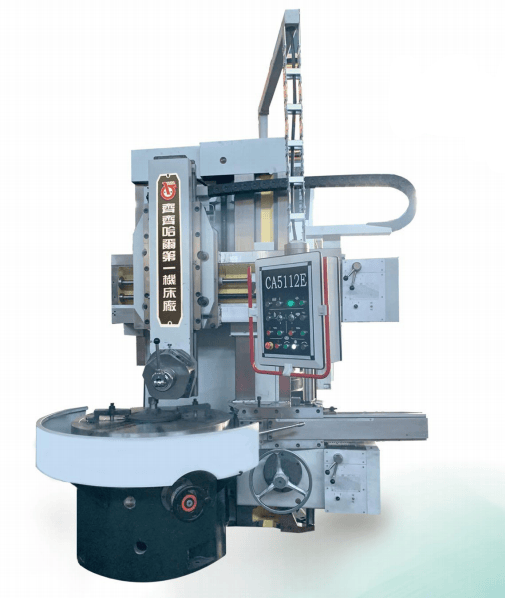



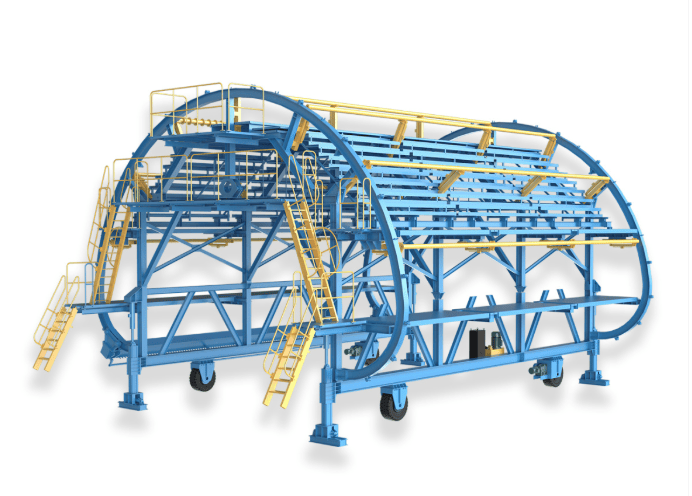
QLZNGJ Intelligent Steel Reinforcement Trolley
Luoyang China Railway Qiangli Machinery Co., Ltd.
Standard Nozzle Flowmeter
Jinggong Automatic Control Instrument Complete Technology Development Company

Pneumatic high-pressure wear-resistant ball valve
Zhejiang Deca Control Valve Meter Co., Ltd.