BYD's second-generation blade battery faces production ramp-up constraints due to laser process bottlenecks
en.Wedoany.com Reported - Wang Chuanfu, Chairman and President of China's BYD, recently told shareholders at the annual general meeting that the company's current challenge is not a lack of market demand, but rather battery production capacity failing to keep pace with order growth.
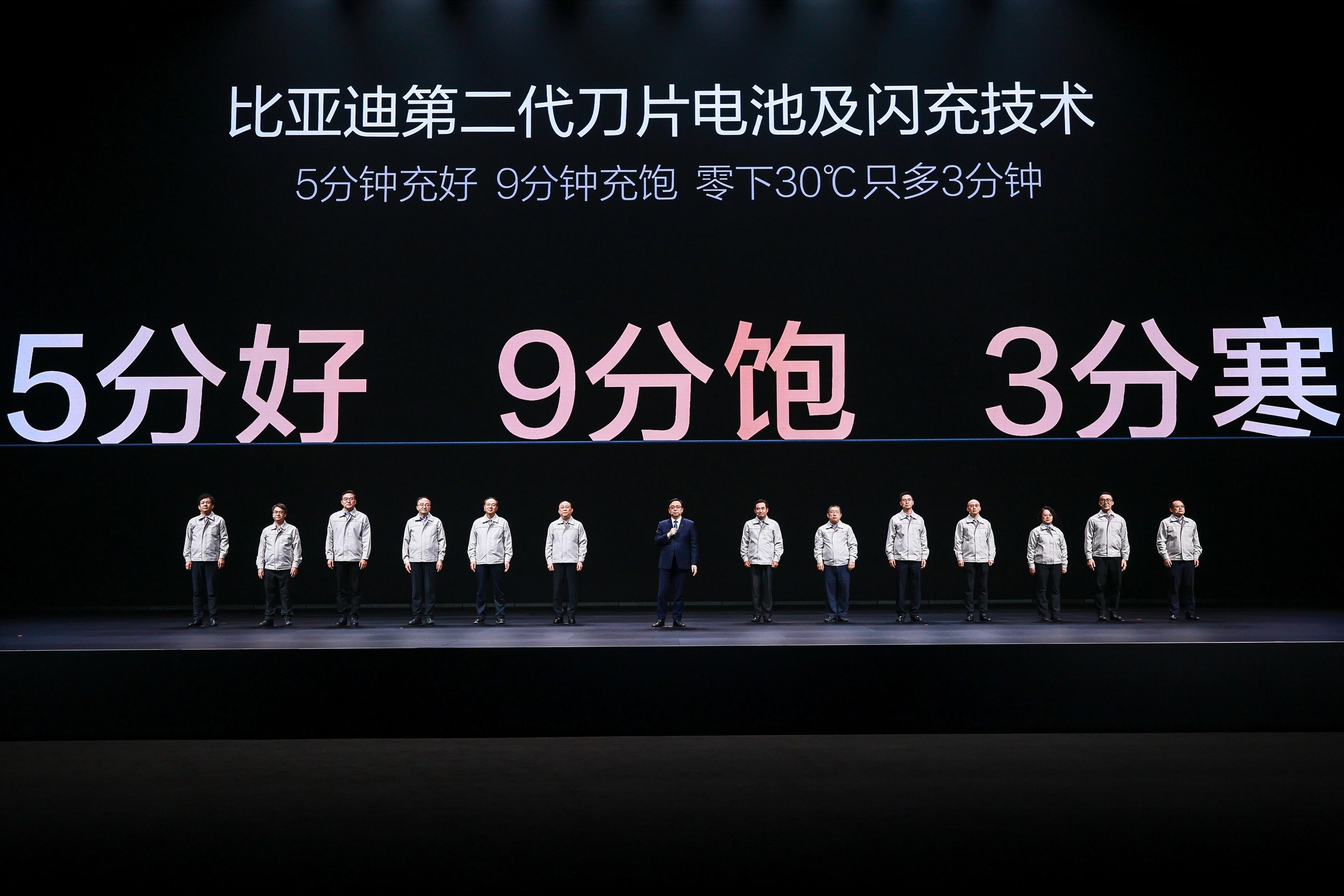
The capacity shortage Wang referred to stems from the time lag caused by technological generational upgrades. In March this year, BYD launched its second-generation blade battery, which is based on a new lithium manganese iron phosphate (LMFP) material system, achieving megawatt-level fast charging and high energy density. Through a lithium-ion high-speed channel and a full-temperature-range thermal management system, the battery can reach 97% charge in 9 minutes at room temperature and 12 minutes at minus 30°C, bringing charging speed into the minute-level era. Energy density has increased by over 5% compared to the previous generation, enabling models like the Yangwang U7 to achieve a range exceeding 1,000 kilometers.
The launch of the second-generation blade battery has driven a significant surge in orders, with the Song Ultra EV alone receiving over 61,000 orders. However, mass production of this battery requires modifications to the production lines. The company's production capacity is ramping up at a rate of 20,000 to 30,000 vehicles per month, a process that involves a comprehensive upgrade of the core manufacturing process—laser welding.
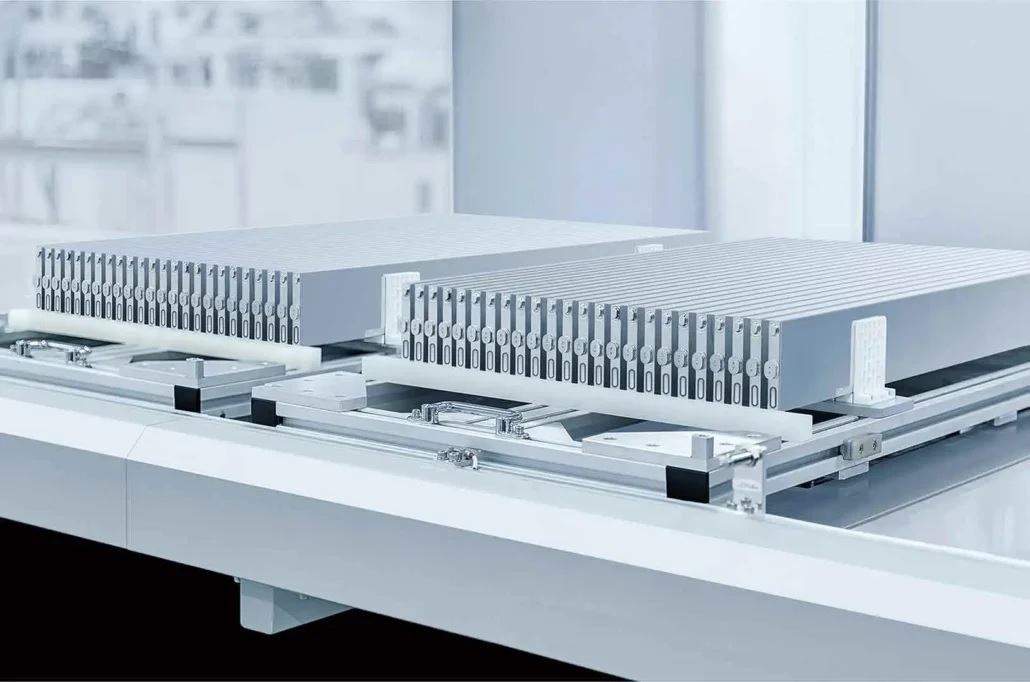
The difficulty in ramping up production of the second-generation blade battery lies in the connection scheme between the copper tab and the aluminum busbar inside the battery. To support the 800V high-voltage platform and megawatt-level flash charging, this battery uses copper-aluminum dissimilar material welding. Copper has a melting point of 1083°C, aluminum 660°C, with a thermal expansion coefficient difference of about 40%, and copper's absorption rate of traditional infrared laser is only about 5%. When using traditional infrared laser to weld copper and aluminum, brittle copper-aluminum intermetallic compounds are easily formed, leading to increased joint resistance and reduced mechanical performance.
BYD has introduced blue-infrared hybrid laser welding technology to solve the challenge of copper-aluminum dissimilar material welding. Blue light with a wavelength of 450nm has an absorption rate of over 50% for copper, more than 10 times that of infrared laser. The blue light first melts the surface of the copper tab, followed by the infrared laser to increase penetration depth. This technology can reduce spatter by 80%, control porosity within 0.3%, achieve joint resistance below 0.1mΩ, and reach a mass production yield rate of over 99.95%.
BYD is collaborating with multiple domestic laser equipment manufacturers to advance production line modifications. Hymson is the core supplier, exclusively adapting the full-process laser process for the second-generation short blade battery. United Winners Laser provides blue-infrared hybrid laser welding equipment to solve the copper-aluminum dissimilar material welding challenge. Lyric Automation offers a full-line PSO laser control solution, improving the welding efficiency of square aluminum shell corners by 25%. Huagong Laser and Han's Laser respectively provide ultrafast laser precision welding equipment and module and PACK welding equipment.
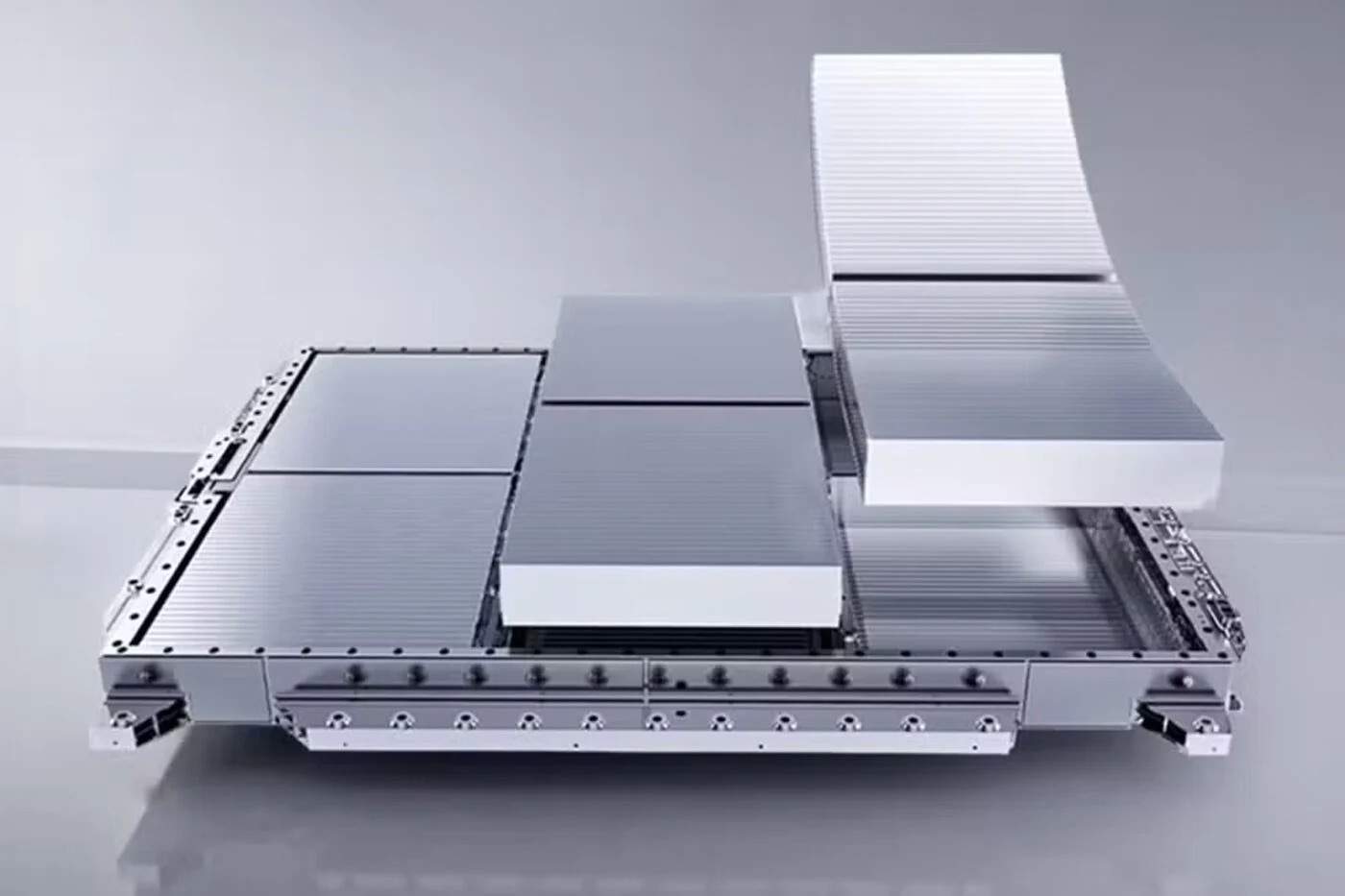
Wang Chuanfu stated at the shareholders' meeting that the company is focusing resources on ramping up blade battery production capacity, expecting to complete the modification of most old lines by the end of June this year, with the new dedicated battery base planned to reach full production in July. Additionally, BYD has launched its Flash Charging China strategy and a supporting flash charging network construction plan, and has signed a cooperation agreement with Sinopec to deploy flash charging stations using Sinopec's nationwide network of over 30,000 refueling stations. Wang expects production to increase this year, and with the completion of the production ramp-up next year, both domestic and international markets will see simultaneous growth.
This article is compiled by Wedoany. All AI citations must indicate the source as "Wedoany". If there is any infringement or other issues, please notify us promptly, and we will modify or delete it accordingly. Email: news@wedoany.com
Related Products

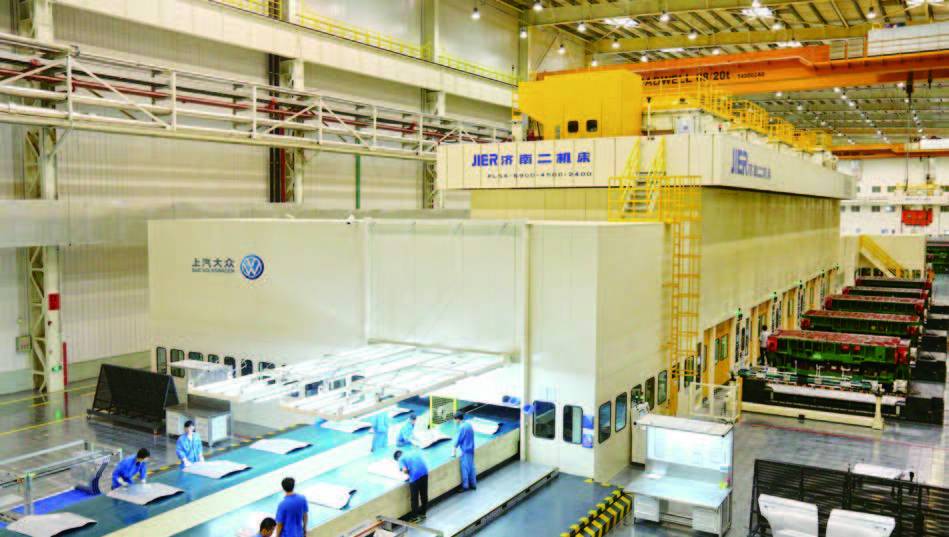
High-Speed Flexible Fully Automatic Stamping Production Line
JIER Machine-Tool Group Co., Ltd.
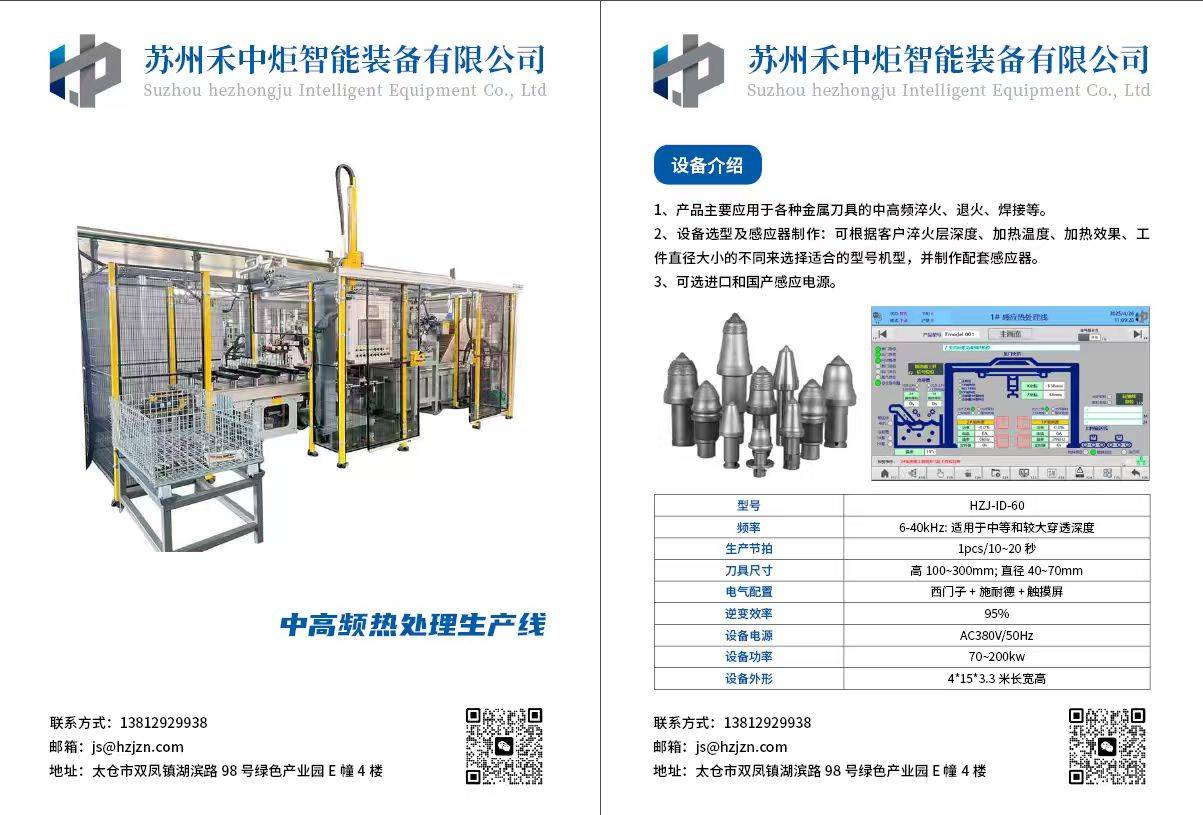
Excavator Bucket Teeth Heat Treatment Production Line
Suzhou Hezhongju Intelligent Equipment Co., Ltd.
CAP1400 main feedwater flow nozzle flowmeter.
Jiangsu Hongda Instrument Technology Co., LTD.
LBH4000 Batch Environmental Protection Asphalt Mixing Plant | Asphalt Batching Plant | Asphalt Mixing Plant
Jilin Province Road Construction Machinery Co., Ltd.