New Deepwater Port Begins Construction in Texas, USA with Total Investment of $2.1 Billion
en.Wedoany.com Reported - Sentinel Midstream LLC of the United States officially announced on May 5, 2026, the commencement of construction for its Texas GulfLink deepwater crude oil export terminal located in Texas. With a total investment of $2.1 billion, the project represents a significant cooperative achievement under the framework of the US-Japan trade agreement and is expected to enter commercial operation in the fourth quarter of 2028.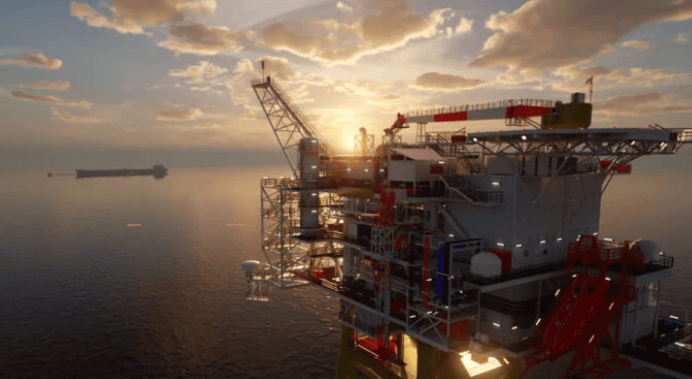
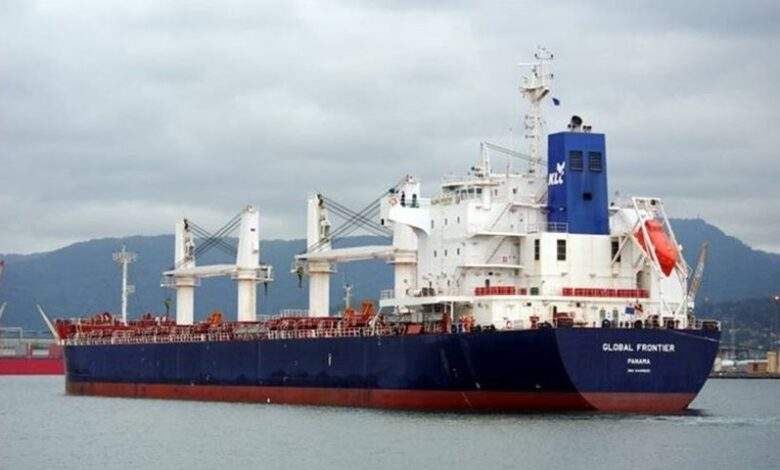
Texas GulfLink is situated in the Gulf of Mexico, approximately 30 miles west of Freeport, Texas. It is designed with a loading capacity of roughly 2 million barrels of crude oil per day, capable of fully loading a Very Large Crude Carrier (VLCC) in a single operation. Currently, only the Louisiana Offshore Oil Port (LOOP) in the United States can fully load such vessels; all other facilities require costly reverse lightering operations using smaller ships. Sentinel Midstream CEO Jeff Ballard stated that Texas GulfLink will provide "direct access to global markets from one of the world's most liquid crude oil hubs," completely eliminating the transshipment steps that constrain the competitiveness and efficiency of US crude oil exports.
The Japanese government is participating in the investment pursuant to Executive Order 14345, signed on September 4, 2025, with institutional capital partner Cresta Fund Management providing co-investment support. US Commerce Secretary Howard Lutnick noted that the project will "deliver American energy and jobs to the Gulf Coast under the terms of the US-Japan trade agreement." Senators John Cornyn and Ted Cruz, along with Representative Randy Weber, have all publicly expressed support for the project.
Project construction commences immediately, including dredging works and the procurement of long-lead equipment. The terminal connects directly to shale region pipeline networks via Sentinel's crude oil transportation and terminal systems in Texas and Louisiana. Texas GulfLink received its federal license from the United States Maritime Administration in February 2026.
The macroeconomic backdrop for the project's commencement carries significant market implications. Affected by geopolitical conflicts, Asian buyers are actively seeking crude oil sources to replace Middle Eastern supplies. US crude oil exports to Asia hit a record 2.31 million barrels per day in April, surpassing exports to Europe for the first time. The historical lack of VLCC loading capacity along the Gulf Coast has added cost and logistical friction to every ton of US crude shipped to Japan, South Korea, China, and India. Texas GulfLink is the first deepwater export terminal to advance in the US since Enterprise Products Partners' Sea Port Oil Terminal project stalled, integrating structural advantages including Japanese government investment, federal policy support, and direct pipeline connections to shale basins.
This article is compiled by Wedoany. All AI citations must indicate the source as "Wedoany". If there is any infringement or other issues, please notify us promptly, and we will modify or delete it accordingly. Email: news@wedoany.com