Germany's KUKA Group Advances Industrial Simulation Technology to Boost Manufacturing Efficiency
en.Wedoany.com Reported - Industrial simulation is becoming a key link in modern manufacturing automation. According to Global Market Insights, the global digital twin market size is projected to grow from $13.6 billion in 2024 to $18.9 billion in 2025. Germany's KUKA Group is treating simulation technology as a strategic capability, rather than an optional engineering tool.
Since 2017, KUKA has collaborated with its subsidiary Visual Components to accelerate the application of simulation technology in engineering, planning, commissioning, and lifecycle management. KUKA CEO Christoph Schell stated: "Simulation is no longer an optional engineering tool—it is a strategic capability. Through Visual Components, we are empowering customers and partners to reduce risk, shorten time-to-market, and unlock new levels of efficiency across the entire automation lifecycle."
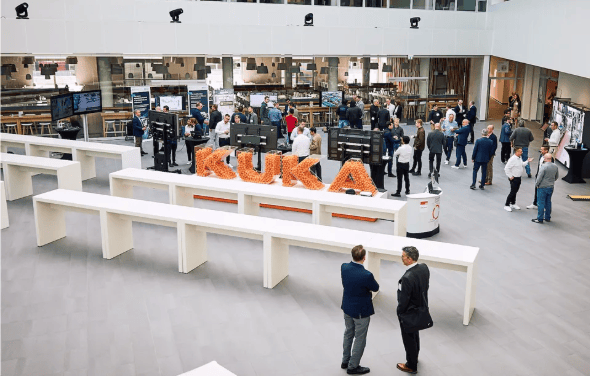
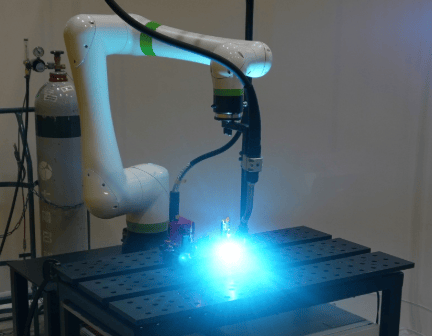
At a simulation event held at its German headquarters, KUKA showcased advanced industrial simulation capabilities with partners including TWINZO, RIIICO, DUALIS, and REALTIME ROBOTICS. Visual Components launched Visual Components 5.0 in March this year, a platform that enables high-fidelity digital twins and collaborative planning before physical systems are built. Visual Components CEO Mikko Urho noted: "This approach allows manufacturers to validate layout and robot concepts at an early stage, identify bottlenecks and optimize cycle times before commissioning, improve collaboration between engineering, production, and management, and reduce costly changes during installation and commissioning."
The value of simulation also extends to the partner ecosystem. Alexandra Krupp, Director of Process Development at Freudenberg Sealing Technologies, said: "As a long-term strategic partner of KUKA, integrating Visual Components is a natural and complementary step. One advantage is the enhanced visibility into major investments." Dr. Jürgen Fründ, Project Manager at BENTELER Automotive Components, stated: "Through simulation and data-based production data analysis, Visual Components enables us to shorten development cycles, improve process efficiency, and bring products to market faster."
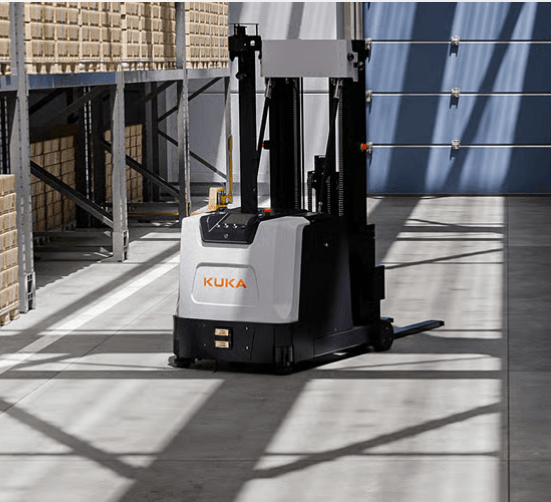
For end customers, simulation technology provides greater transparency. Matthias Vietz, Software Engineer at Bosch Rexroth, said: "Visual Components is a key building block in the digital engineering toolchain we are developing." KUKA regards industrial simulation as a core element of its Automation 2.0 strategy, aiming to achieve fully connected, intelligent production systems through digital twins, virtual commissioning, and more. KUKA AG is a German manufacturer of industrial robots and factory automation systems, with 25 subsidiaries worldwide.
This article is compiled by Wedoany. All AI citations must indicate the source as "Wedoany". If there is any infringement or other issues, please notify us promptly, and we will modify or delete it accordingly. Email: news@wedoany.com
Related Products


Industrial and Commercial Point-Type Gas Detector
Jinan Benan Technology Development Co., Ltd.

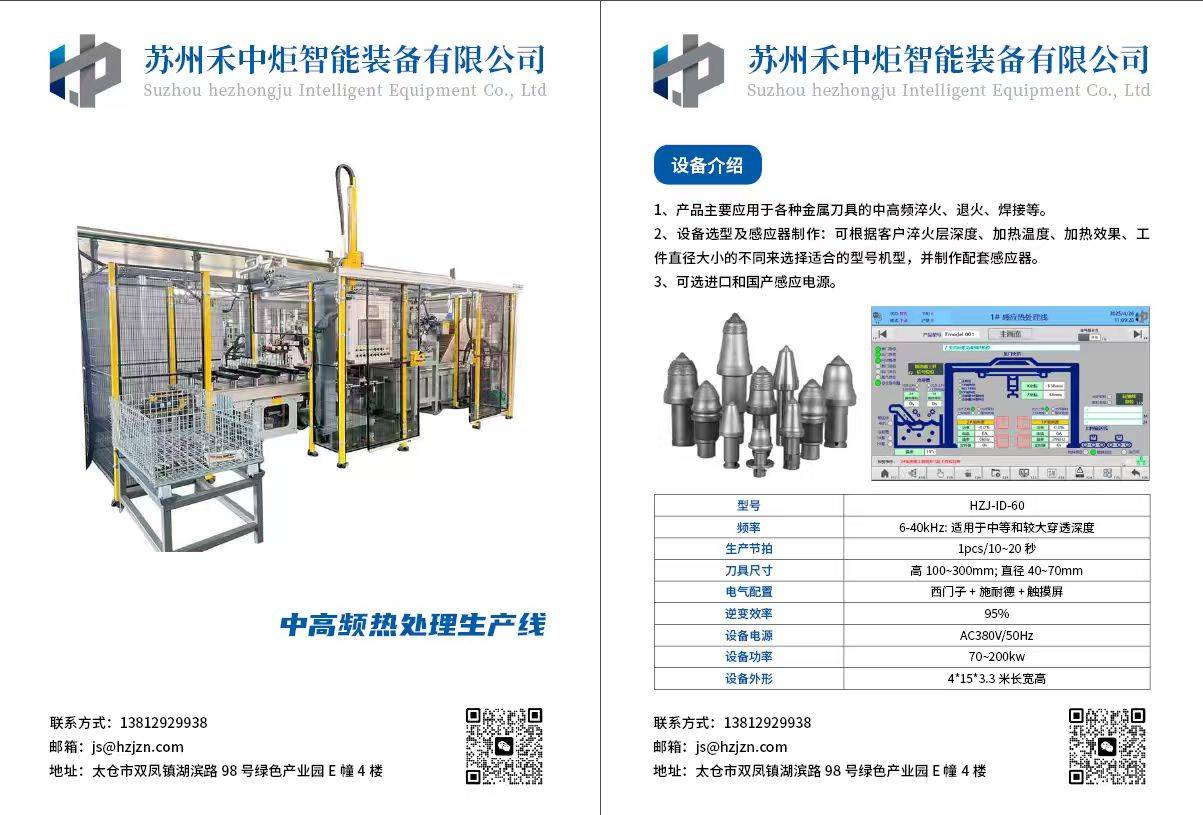
Excavator Bucket Teeth Heat Treatment Production Line
Suzhou Hezhongju Intelligent Equipment Co., Ltd.
Standard Nozzle Flowmeter
Jinggong Automatic Control Instrument Complete Technology Development Company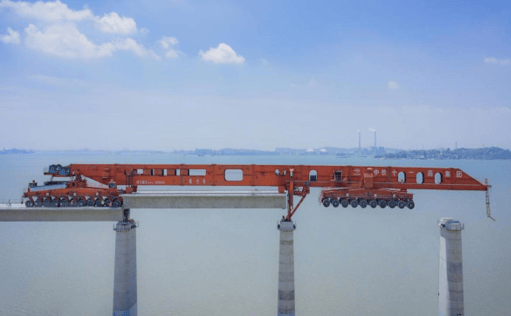
High-Speed Railway Lifting, Transporting, and Erecting Equipment: Integrated Transport and Erection Machine
Hanjiang Heavy Industry Co., Ltd. of China Railway 11th Bureau Group

CAP1400 main feedwater flow nozzle flowmeter.
Jiangsu Hongda Instrument Technology Co., LTD.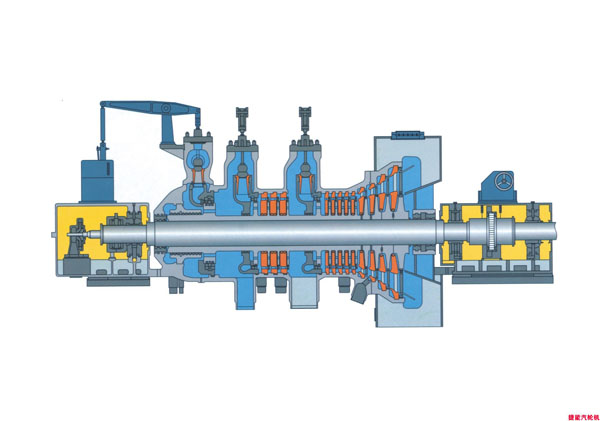
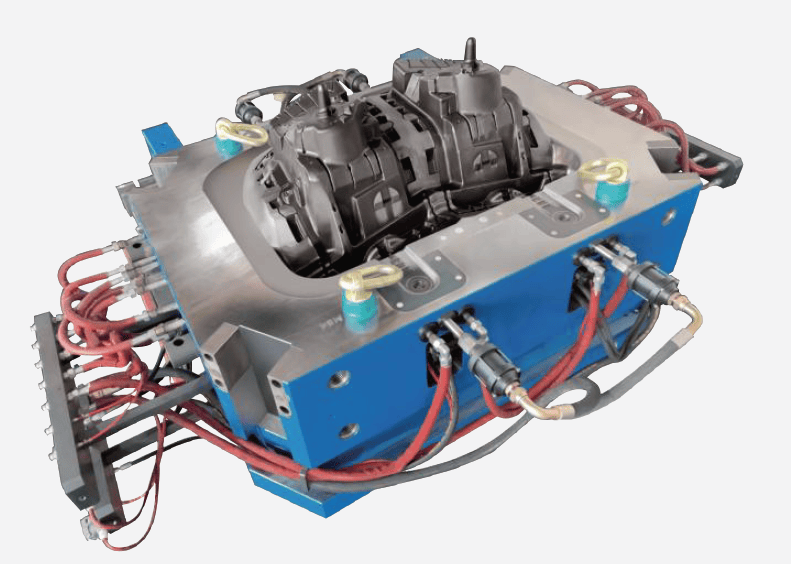
Aluminum-Magnesium Alloy High-Pressure Die-Casting Molds
NINGBO HELI TECHNOLOGY CO., LTD.

Pneumatic high-pressure wear-resistant ball valve
Zhejiang Deca Control Valve Meter Co., Ltd.