Embrapa Uses Struvite as Substitute for Imported Phosphate Fertilizer in Crops
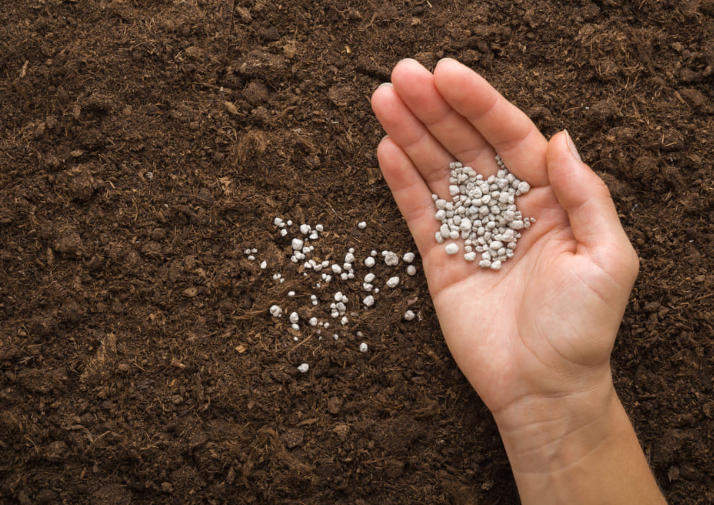
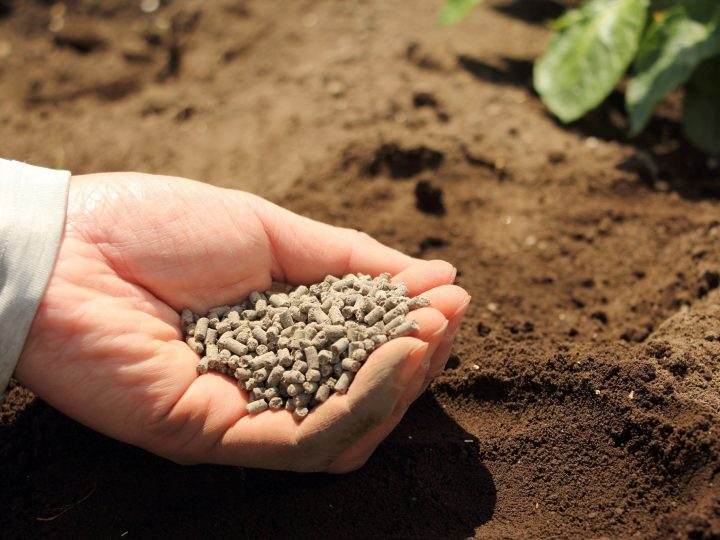
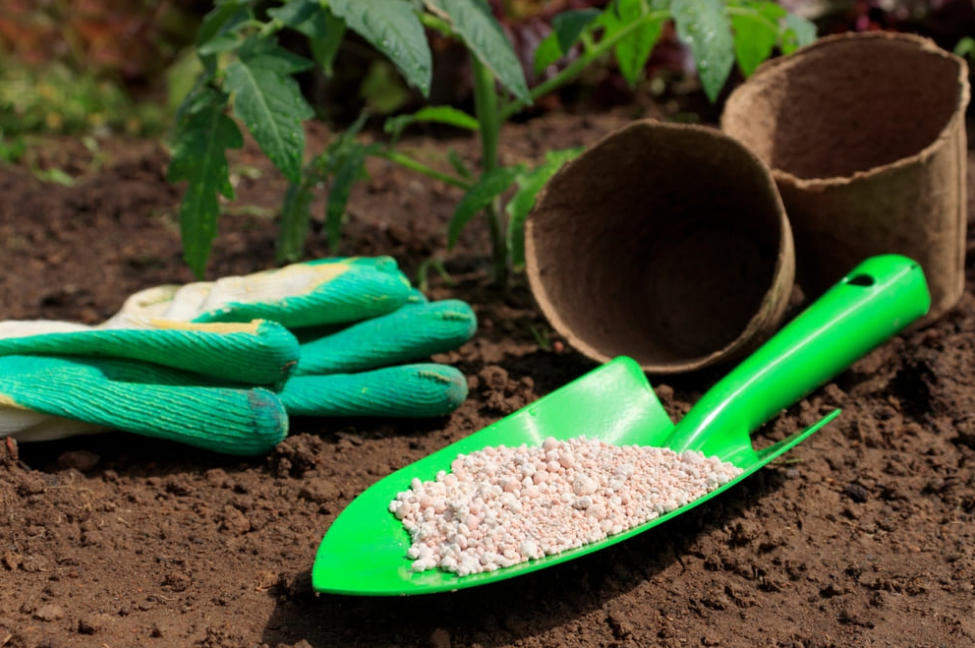
en.Wedoany.com Reported - Researchers from the Agricultural Biology Division of the Brazilian Agricultural Research Corporation (Embrapa) have pointed out that struvite, a slow-release fertilizer produced from swine waste, can serve as a domestic substitute for imported phosphate fertilizer in crops such as soybeans and wheat. In soybean field trials, this fertilizer met 50% of the crop's phosphorus requirements and maintained a yield of 3,500 kilograms per hectare, close to the 2025 national average soybean yield (3,560 kg/ha). Currently, Brazil relies on imports for approximately 75% of its phosphate fertilizers.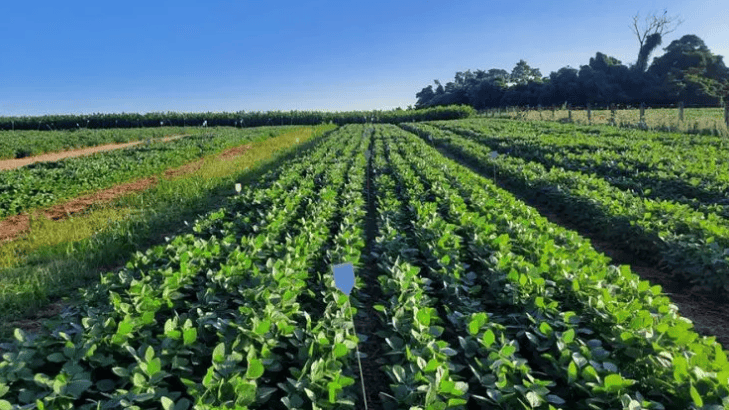
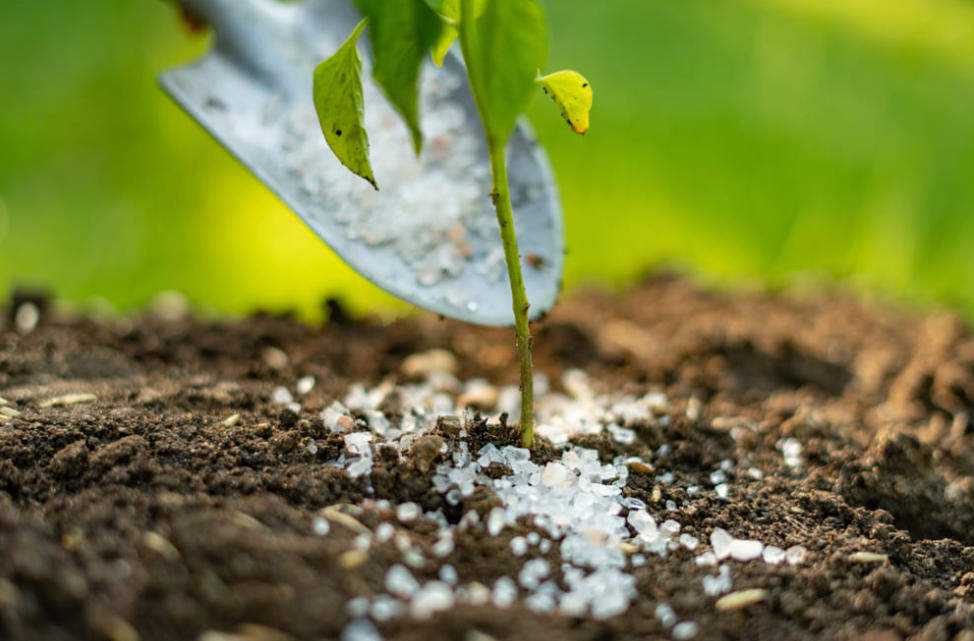
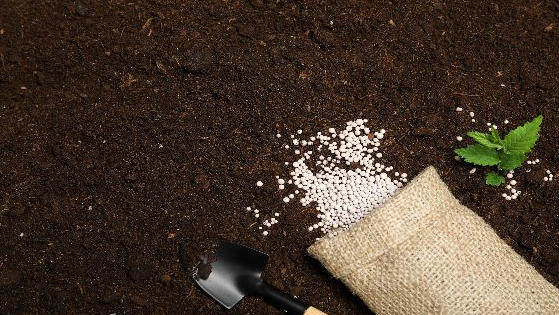
Struvite is a magnesium ammonium phosphate crystal produced by recovering nutrients from swine manure through chemical precipitation. Researcher Caio de Teves Inácio stated: "We are creating a new route for Brazilian agriculture, aligned with sustainability and innovation." The fertilizer has slow-release properties, which can reduce the rapid fixation of phosphorus in tropical acidic soils and improve utilization efficiency.
Preliminary recommendations indicate that struvite can be applied alone or mixed with water-soluble fertilizers, at rates of 50% to 100% of the recommended phosphorus dose. Researchers have also developed an organo-mineral formulation that improves phosphorus diffusion efficiency by 50% compared to pure struvite in the first 28 days. Inácio emphasized: "This is a domestic technology that reduces import dependence, recycles nutrients from waste, and improves phosphorus use efficiency."
Struvite helps address wastewater pollution issues from swine farming and can generate income for producers through fertilizer sales. Embrapa estimates that on farms with more than 5,000 pigs, this technology could produce approximately 340,000 tons of struvite annually. Global interest in struvite is growing, with over 80 production facilities existing in 2019, but research in Brazil is still in its early stages, requiring more data on its performance in tropical soils.
This research aligns with Brazil's National Fertilizer Plan, which aims to expand domestic production and promote sustainable alternatives. Inácio concluded: "Struvite plays a strategic role for Brazilian agriculture, and our work is to provide the scientific basis for its safe and efficient adoption."
This article is compiled by Wedoany. All AI citations must indicate the source as "Wedoany". If there is any infringement or other issues, please notify us promptly, and we will modify or delete it accordingly. Email: news@wedoany.com
Related Products

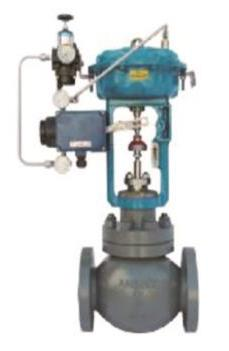
Quick-Change Single-Seat Control Valve / Quick-Change High-Pressure Single-Seat Control Valve
Beijing Consen Automation Technology Co., Ltd.
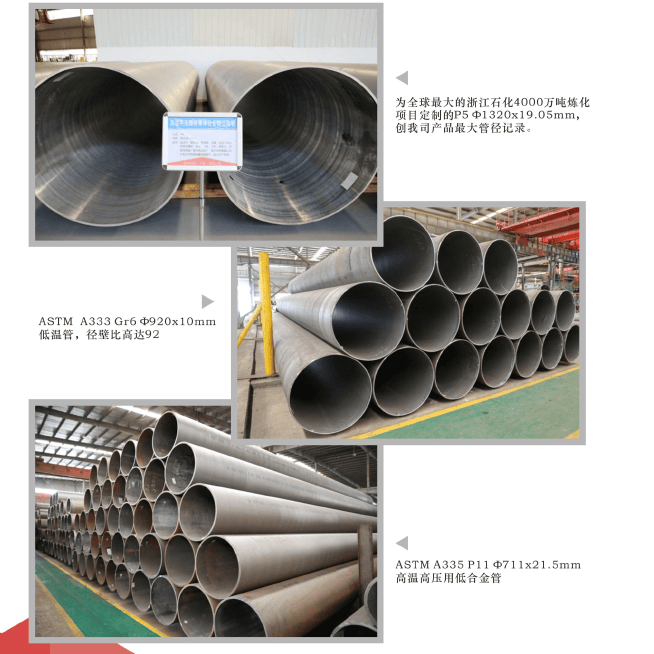



Nitrogen Export, Nitrogen Manufacturer, High-purity Nitrogen Supplier
Foshan Yuexin Industrial Gas Co., Ltd.
Industrial and Commercial Point-Type Gas Detector
Jinan Benan Technology Development Co., Ltd.