China's First Standards Discussion Meeting on "Information and Communication Data Fabric Part 1: General Framework" Successfully Held
en.Wedoany.com Reported - Data applications are deeply integrating with artificial intelligence technologies, and data fabric is once again drawing attention. The State Council Executive Meeting reviewed and approved the "Opinions on Deeply Implementing the 'AI+' Action," explicitly calling for the vigorous promotion of large-scale, commercialized AI applications. The National Data Administration has publicly solicited research topics to promote the exploration of new data circulation infrastructure based on data fabric technology, making data fabric one of the key technologies in the value release process.
Currently, enterprise data environments are becoming increasingly complex, characterized by decentralized data distribution, massive scale, and prominent structural heterogeneity. Traditional physically centralized data management methods can no longer meet the real-time and flexibility demands of enterprise AI businesses for data. Data fabric, as a technical architecture for new distributed data management, manages multi-source heterogeneous data through a logically centralized and physically decentralized approach, supplying data to all data consumers in a flexible and business-understandable manner.
To unify the technical system, fill gaps in industry standards, and standardize the planning, design, construction, and evaluation of data fabric systems, the first standards discussion meeting for "Information and Communication Data Fabric Part 1: General Framework" was successfully held, relying on the CCSA TC601 WG2 Data Asset Management Working Group.
Experts from enterprises including China Unicom, China Telecom, Unicom Soft Research Institute, Telecom Ideal, Gansu Tongfu, Zhiyu Qingyuan, Cloudbase Huahai, Aerospace Cloud Net, Zhenhua Intelligent Manufacturing, Shudian Technology, Daying Technology, Fangxuan Technology, Jishu Yunzhou, National Pipeline Network, CITIC Construction Investment, and ICBC gathered together to conduct in-depth discussions on the draft standard for the general framework of information and communication data fabric.
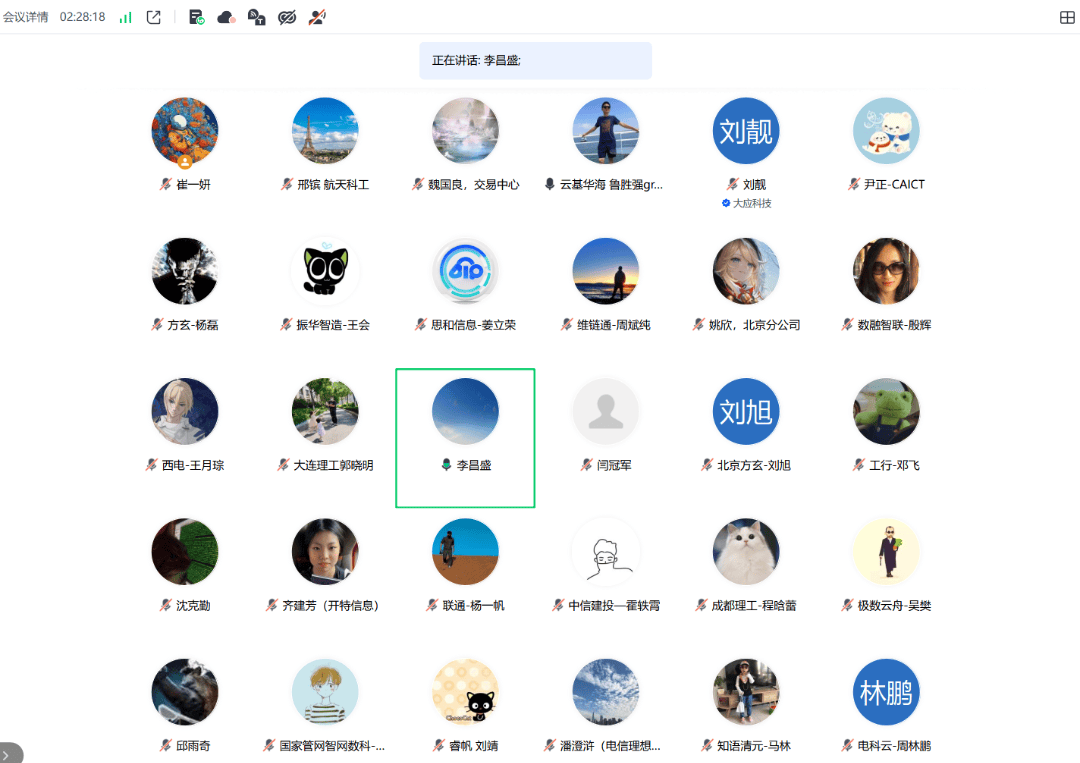
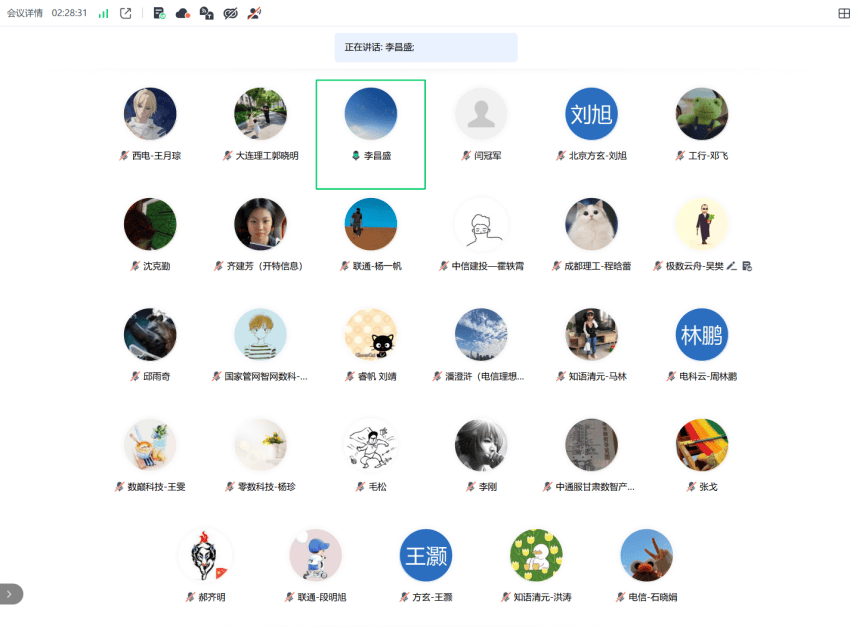
The attending experts reached a preliminary consensus on the definition and general framework of data fabric proposed in the draft standard, believing it reflects the core concepts of data fabric. Experts from the information and communication industry largely agreed that the draft standard aligns with industry practices.
In the next step, we will continue to advance the optimization of the draft standard based on the discussion feedback from the meeting, simultaneously carry out industry research, and extensively absorb industry practical experience. We will steadily promote technical research and ecosystem building in the field of data fabric, continuously improve the data fabric standards system, and look forward to further joint exchanges and discussions with industry experts.
This article is compiled by Wedoany. All AI citations must indicate the source as "Wedoany". If there is any infringement or other issues, please notify us promptly, and we will modify or delete it accordingly. Email: news@wedoany.com
Related Products




Comprehensive Mining Automation Control System
Beijing Tianma Intelligent Control Technology Co., Ltd.
Conveyor Belt Intelligent Monitoring System
LUO YANG WIRE ROPE INSPECTION TECHNOLOGY CO., LTD.
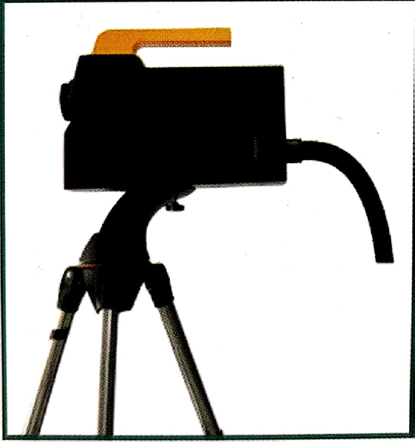
Automatic Aiming Laser Remote Obstacle Removal Robot
Pinggao Group Weihai High-Voltage Apparatus Co., Ltd.
Hot Selling 10 Inch Intel N5100 I5 I7 FHD 8 +128GB 16+256GB Win10 Pro Win11 Pro 4G 5G Rugged Tablet PC Pad with NFC Barcode
Highton Electronics Co., Ltd.
Mine Explosion-proof and Intrinsically Safe Industrial Ethernet Ring Network (10 Gigabit/Gigabit)
Chongqing Mas Sci&Tech Co., Ltd.
20 Inch 1600*900 Full HD 60Hz TFT LED Monitor with VGA and DP Interfaces for Desktop Computers-Business Use
Guangzhou Zanying Optoelectronics Technology Co., Ltd.

Multi-function Marine Monitoring Low-altitude Detection Radar Sea-air Boundary Ocean Dynamic Environment Measurement
Chengdu Dixin Technology Co., Ltd.