GM's Gravataí Plant in Brazil Begins Production of New SUV Sonic
en.Wedoany.com Reported - General Motors' plant in Gravataí, Rio Grande do Sul, Brazil, began production of the new compact SUV Sonic this week. The plant, which started operations in July 2000, has cumulatively produced nearly 5 million vehicles. Media outlet Motor1.com Brasil visited the plant to observe the assembly process of the Sonic. The Sonic is the model inaugurating a new phase of Chevrolet's operations in Brazil.
The plant enters a new cycle after a R$1.2 billion modernization investment. The factory now operates under the "Smart Factory" concept, equipped with hundreds of robots and integrated systems, and leverages artificial intelligence to monitor all production stages. It can produce one vehicle every 55 seconds, with an hourly capacity of 63 units. The industrial complex model continues, with key suppliers operating within the park to shorten logistics links and accelerate production processes. The plant has previously produced models such as the Celta, Prisma, Onix hatch, and Onix Plus.
The Sonic will enter the highly competitive domestic SUV segment. GM states the new car focuses on the needs of South American consumers and is a key model for updating Chevrolet's product portfolio in the region. The factory added new robots, smart cameras, and AI systems for this model. The plant has achieved "Zero Landfill" certification, with all industrial waste being recycled; nearly 60% of its energy comes from renewable sources, and it holds international certifications for quality, environmental management, and energy efficiency.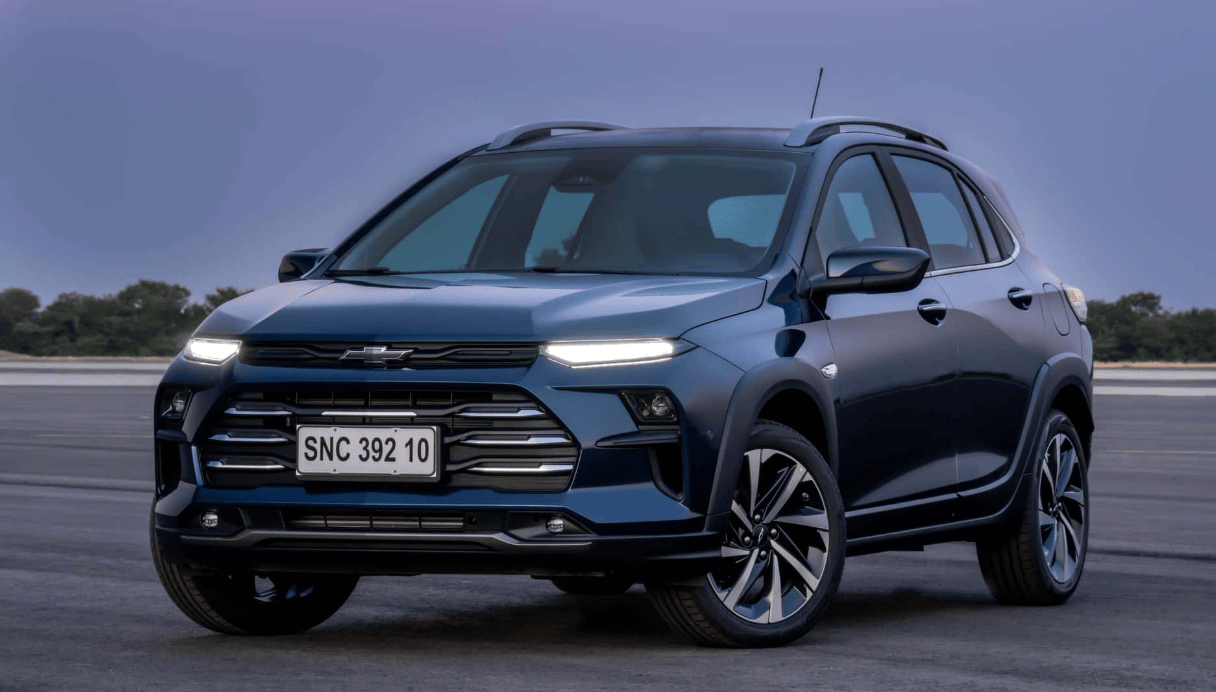
Since its inauguration, the plant has received cumulative investments exceeding R$6 billion and has undergone several expansions. The start of Sonic production marks the beginning of a new industrial cycle for the factory. The plant's production line digitalization and operator training were all centered around the new model. The first Sonics have already rolled off the assembly line, and the model is expected to become a sales mainstay for Chevrolet. The plant currently operates at a speed of 63 units per hour, and the assembly line will automatically stop if a defect occurs during production.
This article is compiled by Wedoany. All AI citations must indicate the source as "Wedoany". If there is any infringement or other issues, please notify us promptly, and we will modify or delete it accordingly. Email: news@wedoany.com
Related Products
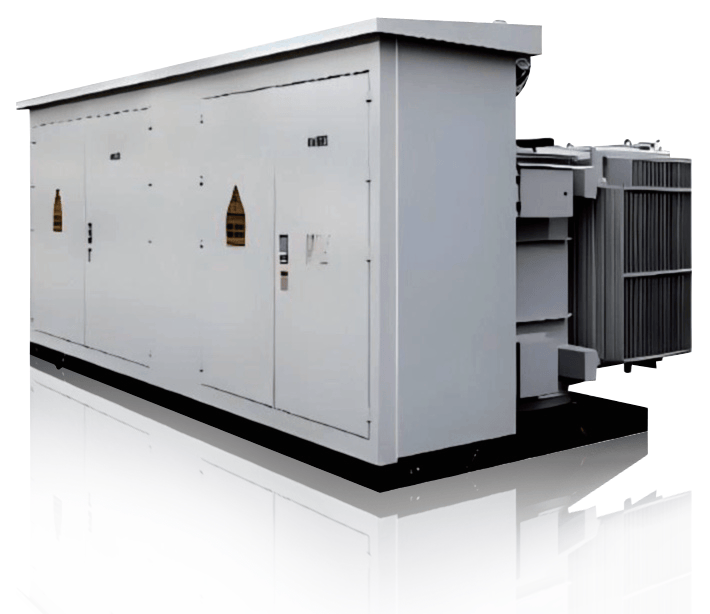

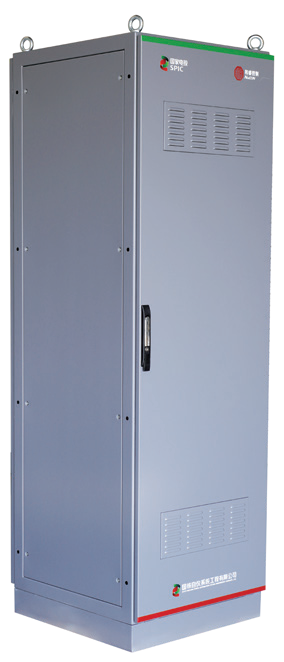
H-40.5/0.4~1.14kV New Energy Power Generation Dedicated High Voltage/Low Voltage Prefabricated Substation
XJ (Xiamen) Intelligent Power Equipment Co., Ltd.
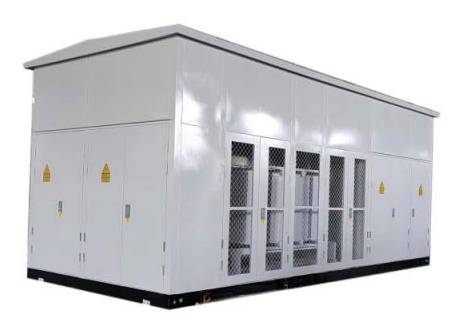
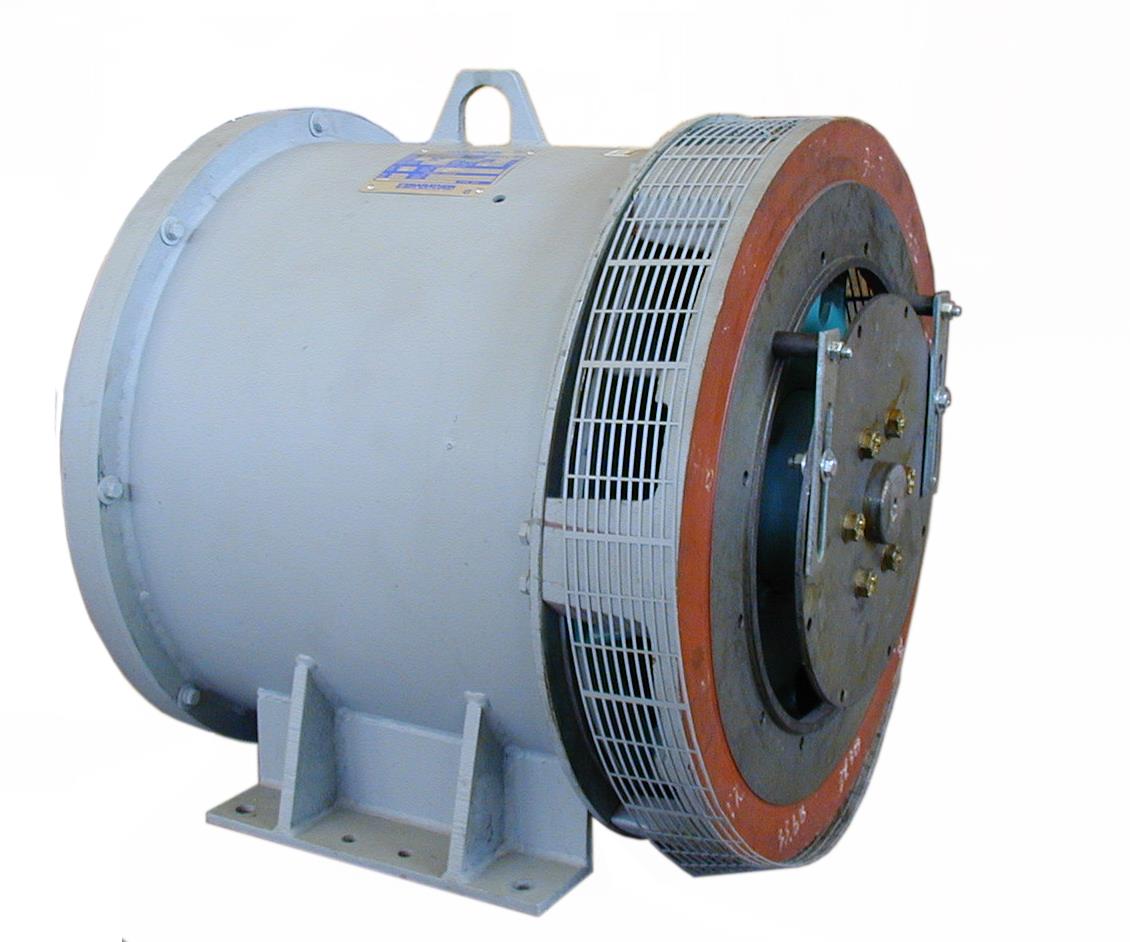
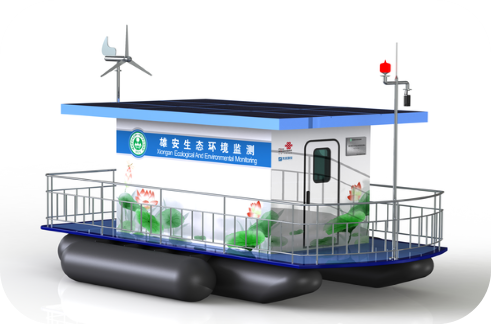
Floating Boat Water Quality Automatic Monitoring System
Hebei Sailhero Environmental Protection High-tech Co., Ltd.

Environmentally Friendly Flame-retardant PVC Double-layer Insulated Wire
Sichuan Chndo Cable Co., Ltd.
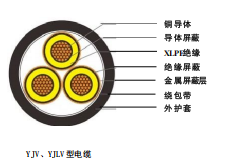
Rated Voltage 6-35kV Cross-linked Polyethylene Insulated Power Cable
TONGDING INTERCONNECTION INFORMATION CO., LTD.