Oxford Instruments USA Partners with NYU to Install First Quantum ALD System
en.Wedoany.com Reported - Oxford Instruments USA and the NYU Nanofabrication Cleanroom announced a partnership on May 12, 2026, to install the first PlasmaPro ASP atomic layer deposition (ALD) system in the United States dedicated to superconducting quantum applications at the NYU Tandon School of Engineering. Funded by the U.S. Microelectronics Commons program through the NORDTECH Hub, the system directly serves the "lab-to-fab" mission of the CHIPS and Science Act, aiming to accelerate the translation of fundamental quantum materials research into industrially scalable manufacturing capabilities.
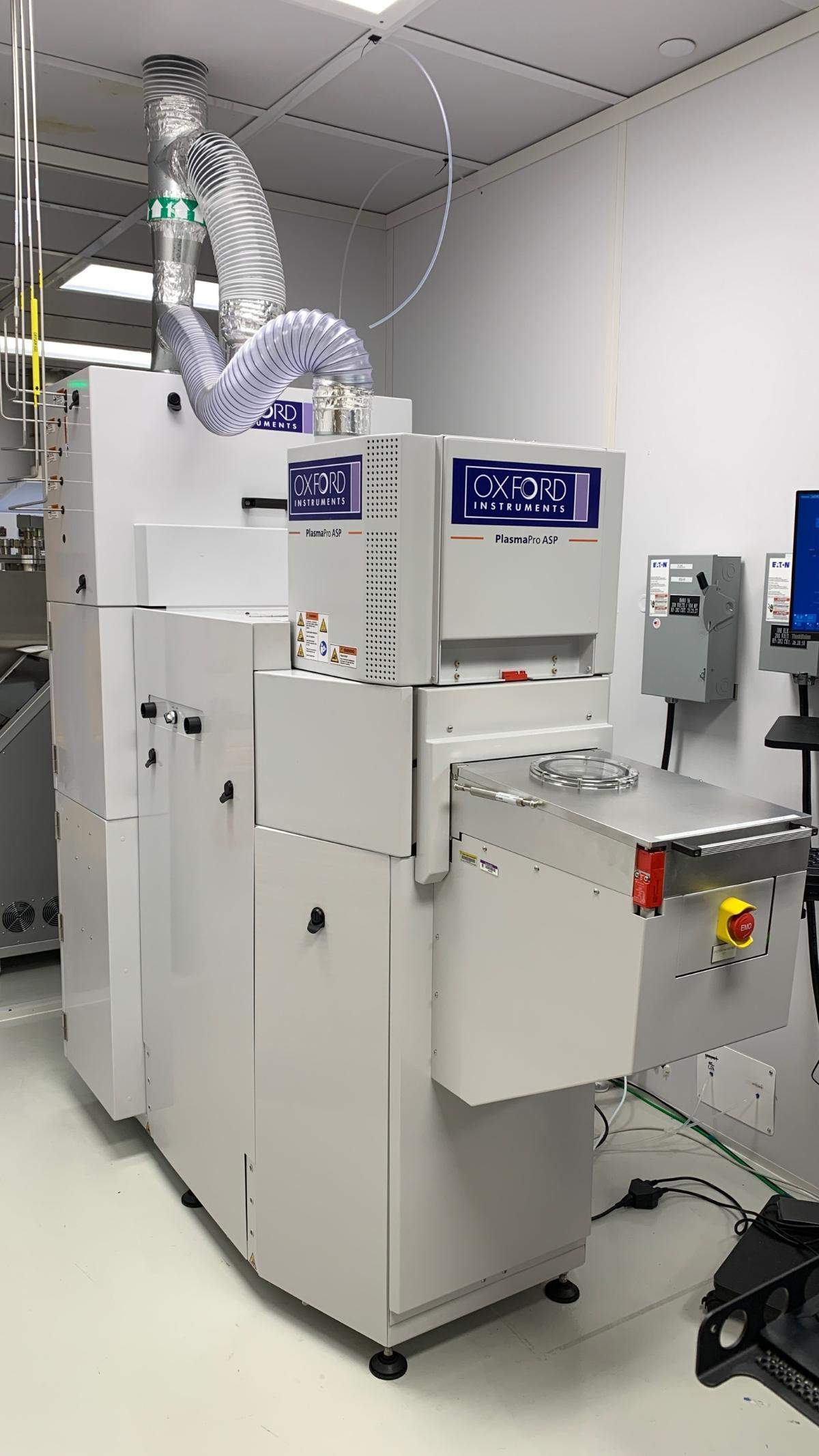
The core equipment in this installation, the PlasmaPro ASP, is a high deposition rate plasma processing tool specifically designed for the fabrication of superconducting nitride thin films. Professor Davood Shahrjerdi, Director of the NYU Nanofabrication Cleanroom, stated that as an academic prototyping facility within the NORDTECH Hub, the cleanroom's role is to develop new materials and processes that bridge the gap between fundamental quantum technology research and scaled manufacturing. Extending this flagship capability to next-generation quantum hardware will help create new device architectures. A key performance advantage of this system is its deposition rate, which is three times faster than traditional comparable alternatives. Its remote plasma-enhanced ALD technology enables higher device performance while maintaining film flexibility and uniformity compared to thermal ALD and direct plasma ALD.
The project focuses on the frontier of nitride superconducting materials. Research led by NYU and published in Applied Physics Letters in November 2025 identified tantalum carbonitride (TaCₓN₁₋ₓ) as a candidate material possessing low microwave loss, high kinetic inductance, and a wide superconducting energy gap, suitable for scalable quantum device fabrication using atomically precise plasma ALD. Dr. Matthew LaHaye of the U.S. Air Force Research Laboratory noted that compared to aluminum-based materials traditionally used in quantum information platforms, thin-film nitride superconductors can maintain robust operation under non-ideal conditions such as higher temperatures (e.g., above 300 millikelvin), magnetic fields, and light exposure. Reliably producing high-quality nitride films helps reduce the operating costs of superconducting quantum platforms and facilitates their integration with other technologies.
The NORDTECH Hub is one of eight regional hubs established by the U.S. Department of Defense's Microelectronics Commons program. Headquartered in New York State, it was announced by Governor Kathy Hochul in September 2024 as receiving over $30 million in federal funding from the DoD. The procurement funding for this ALD system originates directly from this channel, reflecting the role of federal investment in filling critical gaps in quantum manufacturing capabilities. By establishing academic prototyping facilities open to industry, NORDTECH aims to shorten the process development cycle for quantum hardware from lab validation to wafer fab production.
The NYU Nanofabrication Cleanroom is the first academic nanofabrication cleanroom in Brooklyn, featuring Class 100 and Class 1000 cleanroom spaces, with a strategic focus on quantum science, advanced materials, and biotechnology. Dr. Harriet van der Vliet, Strategic R&D Market Manager at Oxford Instruments Plasma Technology, stated that installing the first ALD system in the U.S. for superconducting nitrides will help the NYU team accelerate the development of advanced semiconductor and quantum devices, and the company looks forward to strengthening the partnership and supporting the next generation of researchers. This collaboration makes the NYU Nanofabrication Cleanroom the first academic facility in the United States with ALD capability at the level required for superconducting quantum applications, providing process support for prototype development in quantum computing, sensing, and communication nationwide.
This article is compiled by Wedoany. All AI citations must indicate the source as "Wedoany". If there is any infringement or other issues, please notify us promptly, and we will modify or delete it accordingly. Email: news@wedoany.com
Related Products


Multi-function Marine Monitoring Low-altitude Detection Radar Sea-air Boundary Ocean Dynamic Environment Measurement
Chengdu Dixin Technology Co., Ltd.


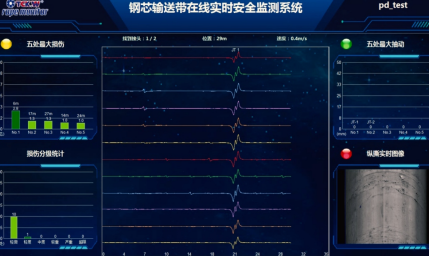
Conveyor Belt Intelligent Monitoring System
LUO YANG WIRE ROPE INSPECTION TECHNOLOGY CO., LTD.




MUX Series Communication Interface Device for Security and Stability Control System
Nanjing NR Electric Co., Ltd.