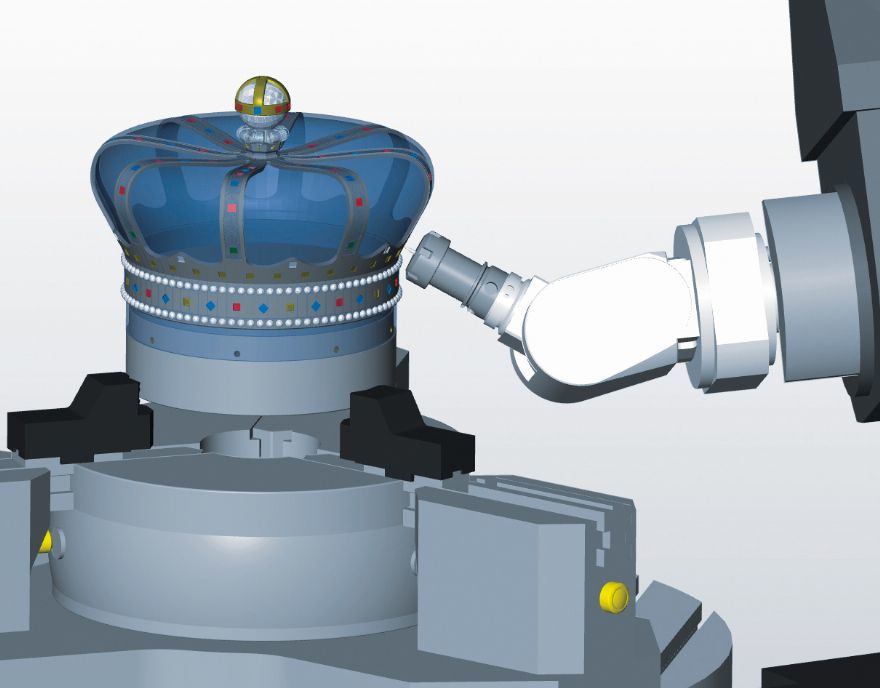
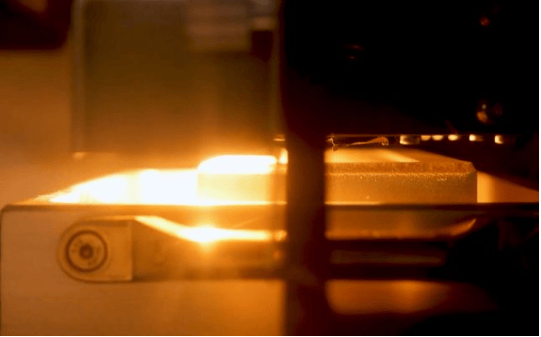
en.Wedoany.com Reported - Chicago-based startup Vitriform3D has collaborated with the U.S. Department of Energy's Oak Ridge National Laboratory (ORNL) to develop a process that uses binder jetting technology to transform waste glass bottles into 3D-printed construction products. The process employs a robotic arm to lay down layers of glass powder, apply a binder and ink for coloring, and finally cure the material in an oven. The resulting product is an engineered stone composed of 90-95% recycled glass and 5-10% polymer binder.
Vitriform3D began as a student project at the University of Tennessee, where co-founders Alex Stiles and Dustin Gilmer collaborated with ORNL research scientist Tomonori Saito and the Institute for Advanced Composites Manufacturing Innovation (IACMI). In 2022, the two were selected for ORNL's Energy Department Innovation Crossroads program, receiving two years of funding, access to scientific research expertise, and use of the Manufacturing Demonstration Facility (MDF). This phase included modifying printer software, calibrating the binder-to-powder ratio, and testing binder strength and surface finish.
Since then, the collaboration has expanded to include ORNL's Building Technologies Research and Integration Center, with the focus shifting toward recycled glass cladding for building exteriors. ORNL building technologies researcher Nolan Hayes stated: "Glass is incredibly resilient, durable, and versatile. It is fire-resistant and can withstand extreme weather conditions." Alex Stiles also operates an independent glass recycling company, Fourth & Glass, which has collected tens of thousands of pounds of glass bottles from Knoxville residents. He is currently installing a printer at Lawrence Technological University in Detroit, allowing architecture students to directly utilize this technology. Stiles said: "This will be the first time architecture students can truly delve into the application potential of this binder jetting technology. The project with Oak Ridge National Laboratory is more focused on industrial-scale possibilities. What if we had a giant printer that could convert thousands of tons of glass into wall panels? But a micro-factory like the one in Detroit can focus on smaller projects. With a few machines, you can also crush glass bottles into sand and transform them into new objects."
This article is compiled by Wedoany. All AI citations must indicate the source as "Wedoany". If there is any infringement or other issues, please notify us promptly, and we will modify or delete it accordingly. Email: news@wedoany.com