Global Coal Trade Surges in May 2026, U.S. Exports Rise in Both Volume and Price
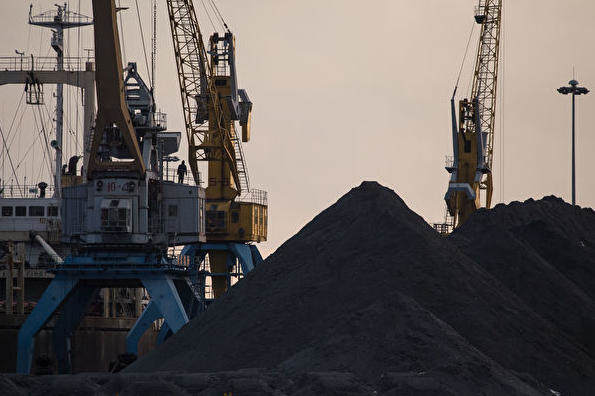
en.Wedoany.com Reported - On May 13, 2026, global coal trade is surging as the world's energy crisis continues. Data from March and April paint a clear picture of the global scramble for coal and the role U.S. exporters are playing in meeting the growing demand.
According to the Financial Times, global coal imports are on track to reach the third-highest monthly level on record. Even countries attempting to phase out coal are reversing those plans as liquefied natural gas (LNG) prices soar. According to BIMCO, the world's largest shipowners' association, coal deliveries to South Korea, Japan, and the European Union surged 27% year-on-year in April, while gas-fired power generation fell sharply.
In April, Japan's coal-fired power generation surged 11.1% year-on-year, while gas-fired generation plummeted 12.9%. In South Korea, coal-fired power generation grew 39.7% compared to April last year. Reuters noted that since the war began, spot LNG prices in Asia have soared 62%, dwarfing the 13% increase in Newcastle coal prices, the Asian benchmark.
U.S. exports are growing in key markets. U.S. trade data for March clearly reflects how Asia, Africa, and Europe are increasing imports of U.S. coal and paying a premium. U.S. coal export prices rose 10.7% year-on-year in March, with some buyers paying more than double the price seen in February. U.S. exports to Indonesia, South Korea, and Morocco all saw significant year-on-year growth. From February to March, U.S. coal exports to India jumped by more than 1.2 million short tons, as the conflict with Iran closed the Strait of Hormuz and triggered a scramble to find alternatives to LNG.
India has become exceptionally important for U.S. coal exports, now accounting for roughly one-third of total metallurgical and thermal coal volumes. With India's coal demand expected to reach unprecedented levels this summer, and New Delhi launching a coal gasification initiative to boost its coal-to-chemicals and coal-to-liquids industries, this is a trade relationship and export market to watch closely. U.S. exports to Europe—particularly to the Netherlands, where the Port of Rotterdam serves as a supply gateway—also grew substantially. Export volumes rose year-on-year, but the jump from February to March underscores the importance of U.S. supply during this crisis. Volumes soared from just 71,000 short tons in February to 452,000 short tons in March, while U.S. coal prices also jumped from $89 per ton to $186 per ton in March.
There is good reason to believe the gas-to-coal switching has not yet peaked. Reuters commodities columnist Clyde Russell noted that more switching may occur in Japan and South Korea, as thermal coal prices are far lower than available spot LNG prices. However, Russell added that most LNG delivered to Japan and South Korea is under long-term contracts linked to Brent crude oil prices. While oil prices have risen, they have not yet reached a sustained level sufficient to justify further switching from Brent-linked LNG. But if oil prices spike—given the ongoing conflict with Iran and declining oil inventories—the shift to coal will become a frantic sprint. This trend in Japan and South Korea will be replicated elsewhere. The longer this crisis persists, the more attractive the security and affordability offered by coal will become.
This article is compiled by Wedoany. All AI citations must indicate the source as "Wedoany". If there is any infringement or other issues, please notify us promptly, and we will modify or delete it accordingly. Email: news@wedoany.com
Related Products




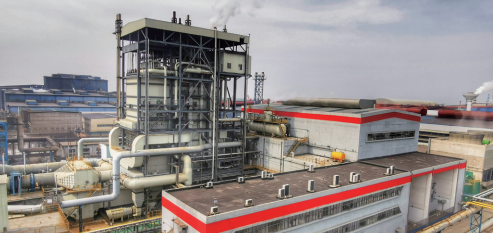
Jiujiang Pinggang 125MW Subcritical Gas Power Generation Project
Capital Engineering & Research Incorporation Limited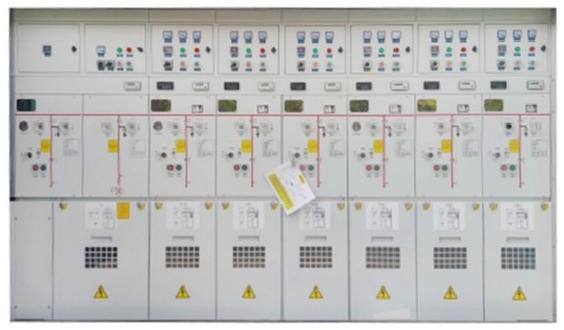
NISELA Series Environmentally Friendly Gas-Insulated Ring Main Unit
XJ DELISHIER ELECTRIC CO., LTD.
Standard Nozzle Flowmeter
Jinggong Automatic Control Instrument Complete Technology Development Company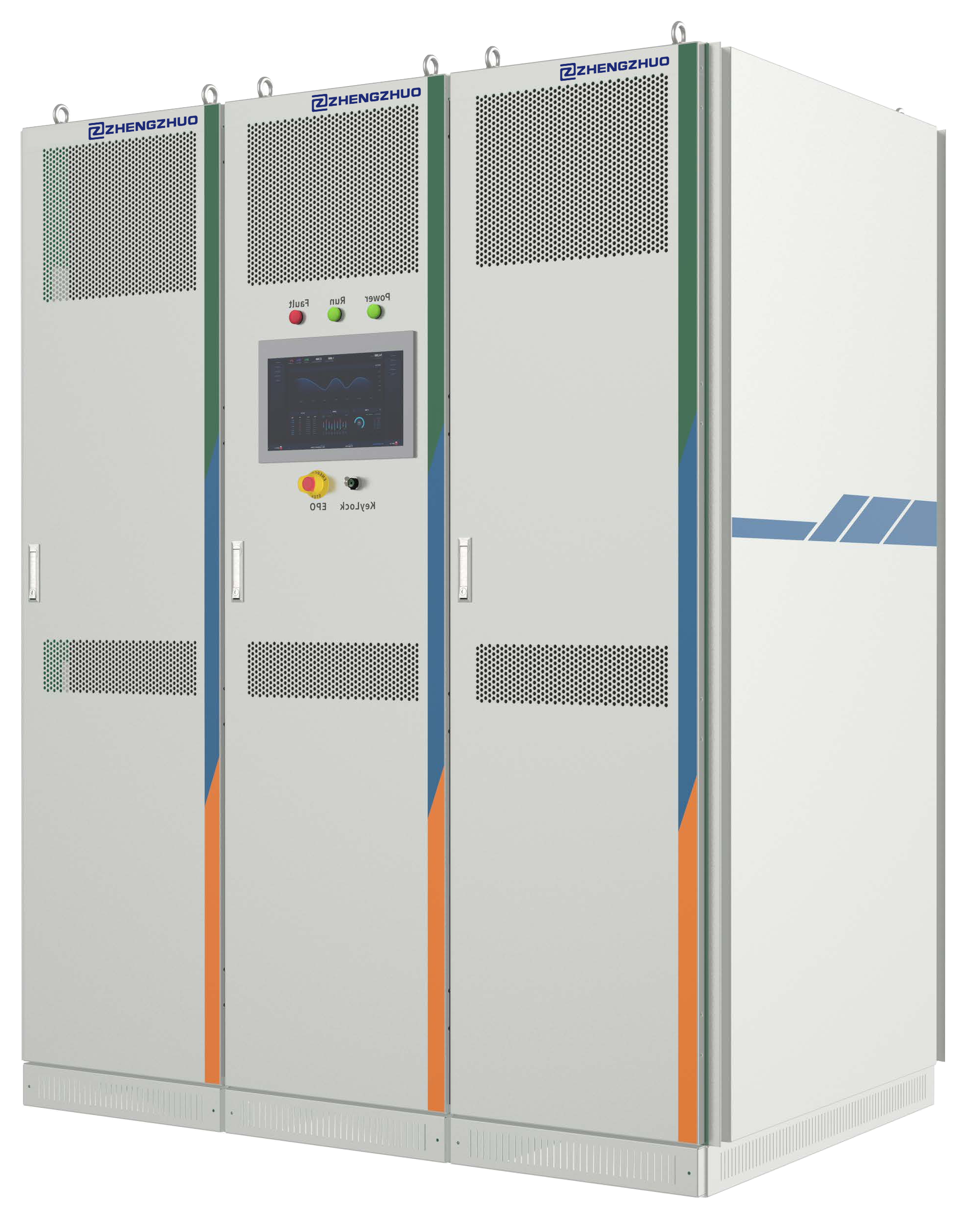
IGBT Hydrogen Production Power Supply - High Power Air Cooling
Beijing Zhengzhuo Engineering Technology Co., Ltd.

Microcomputer Protection and Substation Automation
Beijing Agent Devote Power Technology Development Co., Ltd.