South Korea to Build ITER Core "Tritium Fuel System"
en.Wedoany.com Reported - The Korea Institute of Fusion Energy (KFE) announced on May 14 that it has officially signed a contract with CES, selecting the company as the system design and manufacturing supplier for the Tritium Storage and Delivery System (SDS). This system is the core fuel system of the International Thermonuclear Experimental Reactor (ITER), responsible for storing and supplying the tritium and deuterium required for fusion reactions, while also managing fuel input, output, and inventory levels. Since tritium is a radioactive hydrogen isotope, the system requires highly safe and precise control technologies.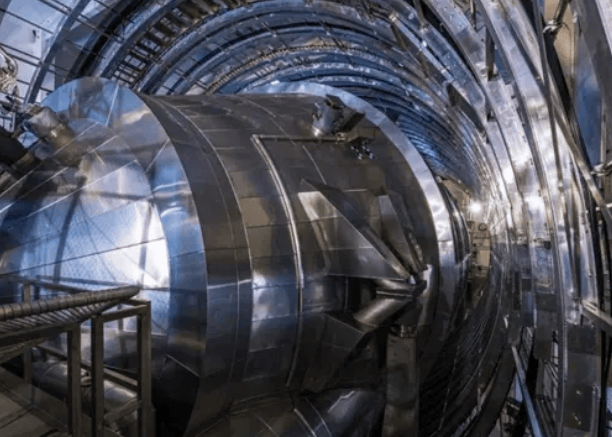
This contract is a follow-up procedure to the SDS Procurement Arrangement signed between KFE and the ITER Organization in March last year, marking the official entry of the SDS into the design and production phase. Among the ITER member states, South Korea is responsible for the final design, manufacturing, testing, and delivery of the SDS. KFE selected CES through an open bidding and technical evaluation process, conducting a comprehensive assessment of its process design and manufacturing capabilities, quality control, and factory engineering experience.
KFE plans to complete the final design, manufacturing, and factory acceptance testing of the main SDS system within approximately 60 months, with the goal of completing final design approval by 2027 and procurement by 2030. KFE stated that this project will not only fulfill South Korea's procurement obligations to ITER but will also drive the development of fuel storage and supply technologies necessary for the future commercialization of fusion energy, and strengthen the domestic fusion industry ecosystem.
Kijung Jung, Head of the ITER Korea Project Team, stated that with the signing of the contract, the procurement work for the core fuel cycle system undertaken by South Korea for ITER has officially entered the full implementation phase. He added that they will work closely with domestic enterprises to meet ITER's stringent safety and quality standards, ensuring the safety and reliability of fusion fuel cycle technology.
This article is compiled by Wedoany. All AI citations must indicate the source as "Wedoany". If there is any infringement or other issues, please notify us promptly, and we will modify or delete it accordingly. Email: news@wedoany.com
Related Products


G.652.D Wavelength-extended Non-dispersion Shifted Single-mode Optical Fiber
HONGAN GROUP CO., LTD.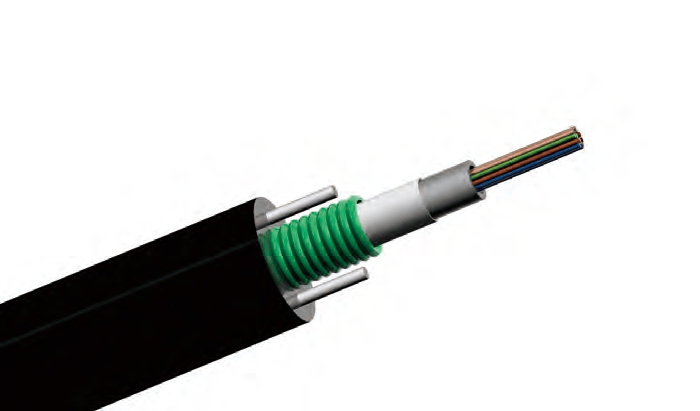
Forest and Grassland Heat Source Infrared Monitor
China Huayun Meteorological Technology Group Co., Ltd.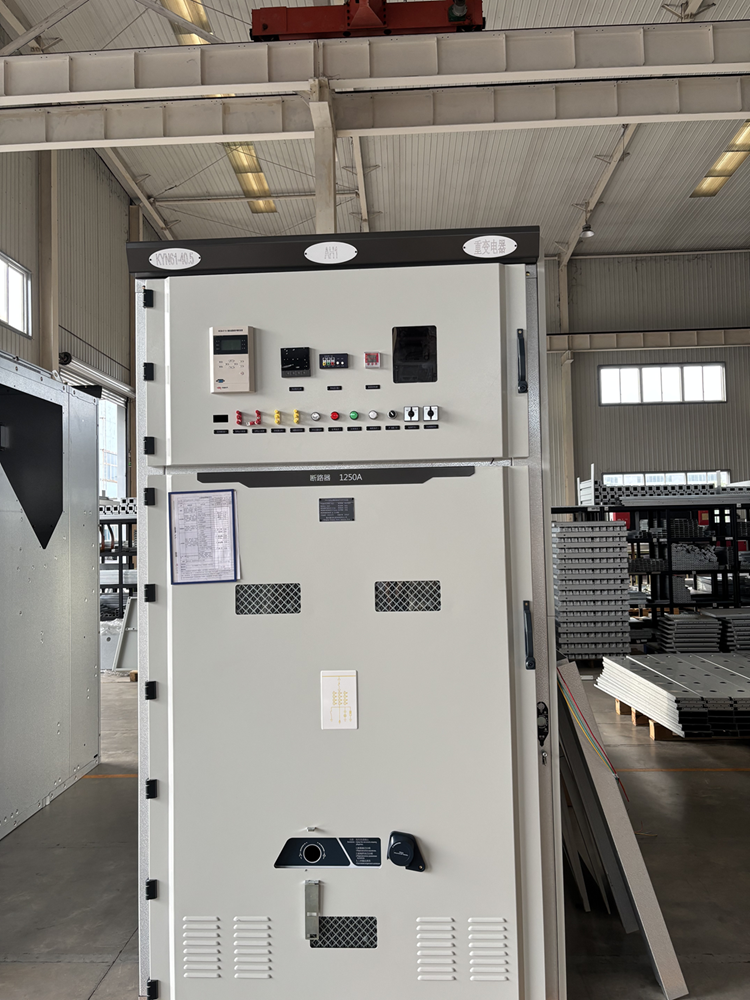
KYN61-40.5 Indoor AC Metal-clad Removable Switchgear
Chongqing Transformer Co., Ltd.
Modular Multifunctional Water Supply and Drainage Vehicle (18T)
Changsha Dewater Machinery Technology Co., Ltd.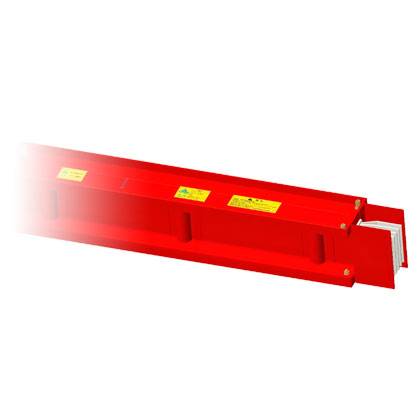
Mineral-insulated Compact Busway (Fire-resistant Busduct)
Zhuhai Guangle Electric Busway Co., Ltd.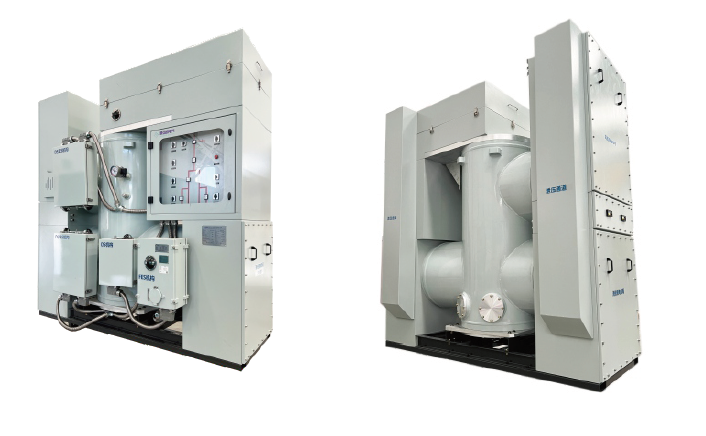
72.5kV 1250A 31.5kA SF6 free Gas-insulated Metal-enclosed Switchgear
Zhejiang Juhonkia Intelligent Electric Co., Ltd.