FANCO's Regulatory Engagement Plan for HALEU Fuel Facility Accepted by NRC
en.Wedoany.com Reported - First American Nuclear Company (FANCO), a U.S. small modular reactor (SMR) developer, announced that its Regulatory Engagement Plan (REP) has been accepted by the U.S. Nuclear Regulatory Commission (NRC). The plan pertains to the company's proposed Category 2 high-assay low-enriched uranium (HALEU) deconversion and fuel fabrication facility. FANCO's fuel architecture concept initially envisions uranium dioxide fuel fabrication capability, with potential flexibility to add other fuel forms as the project progresses.
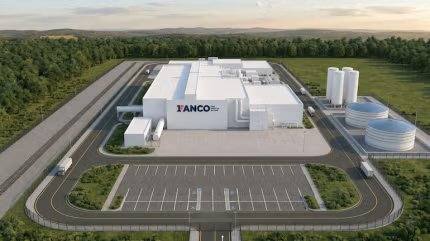
FANCO is headquartered in Indianapolis. Under the company's broader development framework, the $4 billion total investment project will be developed within the state of Indiana. The exact property boundaries and municipal location of the fuel facility will be finalized before the license application is submitted at the end of 2027. FANCO has announced a partnership with the state of Indiana to create a nuclear energy park, building a next-generation nuclear cluster that connects nuclear manufacturing facilities, energy complexes, and fuel fabrication. Its EAGL-1 reactor is a Generation IV liquid metal-cooled fast reactor employing lead-bismuth coolant, with a single-unit power output of 240 MWe. The reactor is designed to use recycled spent nuclear fuel to reduce long-lived radioactive waste and is equipped with a bridge power system that enables operators to transition natural gas power generation infrastructure to nuclear energy.
In July, FANCO signed a framework agreement with Hyundai E&C, which will participate in the early development phase of the EAGL-1 project, including the design of reactor auxiliary systems. In May, FANCO established a strategic alliance with Canadian engineering firm AtkinsRéalis to create a scalable framework for deploying the EAGL-1 SMR and associated fuel facilities, with AtkinsRéalis providing engineering services. AtkinsRéalis had previously been retained as the lead architect-engineer for the Indiana Energy Park.
The submission of the Regulatory Engagement Plan advances FANCO's planned engagement with the NRC regarding the proposed facility. The facility is designed to fabricate ceramic fuel for the EAGL-1 and is expected to have the capability to process HALEU uranium hexafluoride into other fuel forms, subject to NRC approval and consistent with the terms of FANCO's future license application. Previously, FANCO submitted a letter of intent to the NRC to apply for a license under 10 CFR Part 70 to possess and use special nuclear material for the construction, ownership, and operation of the proposed fuel fabrication facility. The letter of intent states that the fuel facility will support the EAGL-1 lead-bismuth eutectic-cooled fast reactor and other advanced reactor customers; FANCO intends to engage with the NRC to obtain a license under 10 CFR Part 70 and all other regulations applicable to the construction, ownership, and operation of the facility. The facility's design, construction, and operation will use licensed materials as required in the application and approved by the NRC, fabricating uranium oxide fuel under restrictions and conditions, and will include the capability to process uranium oxide into other fuel forms. FANCO expects to submit the license application at the end of 2027.
Because the facility involves HALEU, the project is classified as Category 2 (moderate strategic importance), requiring either a two-step licensing approach or an integrated review process. FANCO must submit an Integrated Safety Analysis Summary identifying facility hazards and demonstrating that the facility can prevent or mitigate potential accidents, while meeting stringent physical protection, access control, and material accounting requirements. Licensing nuclear fuel fabrication facilities under 10 CFR Part 70 provides advanced reactor developers with commercial, regulatory, and technical advantages over other pathways, allowing facilities to be constructed and operated under a single licensing framework, avoiding costly two-step processes, and focusing regulatory review on high-consequence hazards through safety analysis. This framework matches safety requirements to material risks, making the regulatory burden for Category 2 (HALEU) lower than Category 1 (weapons-grade) requirements, while establishing clear standards for material control and accounting, simplifying international safeguards compliance. Operators may make minor facility modifications without prior NRC approval, provided the baseline safety analysis summary is not altered.
FANCO CEO Mike Reinboth stated that large-scale deployment of advanced nuclear energy in the United States depends not only on innovative reactor technology but also on a safe, capable, and U.S.-based fuel supply. Submitting the Regulatory Engagement Plan is an important step in building this capability and reflects the company's prudent approach to advancing an integrated commercial strategy that combines disciplined regulatory execution with a fuel cycle platform to support the EAGL-1 program and, over time, other advanced reactor developers.
As a comparable development, in May the NRC also accepted Radiant's 10 CFR Part 70 license application for its R-50 microreactor production facility in Oak Ridge, Tennessee, employing an expedited review process with a target completion time of eight months. If approved, Radiant would be authorized to construct and operate the facility's fuel building, a critical component of its Kaleidos microreactor commercialization plan, as it would allow fuel loading during the manufacturing process. FANCO's technology also benefits from U.S. Department of Energy (DOE) support. In December 2020, a consortium including the technology designer received a DOE Advanced Reactor Demonstration Program (ARDP) development grant for initial technology and regulatory development. Such grants typically range from $20-30 million and require a 20% private sector match. This funding supported the completion of pre-conceptual engineering for the EAGL-1 and formal engagement with the NRC, after which Pacific Northwest National Laboratory conducted a formal review of the licensability of the EAGL-1 reactor design under a DOE Gateway for Accelerated Innovation in Nuclear (GAIN) program voucher, leveraging its own expertise and technical facilities.
Related Products

Photovoltaic and Wind Power Generation Technology
Beijing Boqi Electric Power SCI-TECH Co., Ltd.
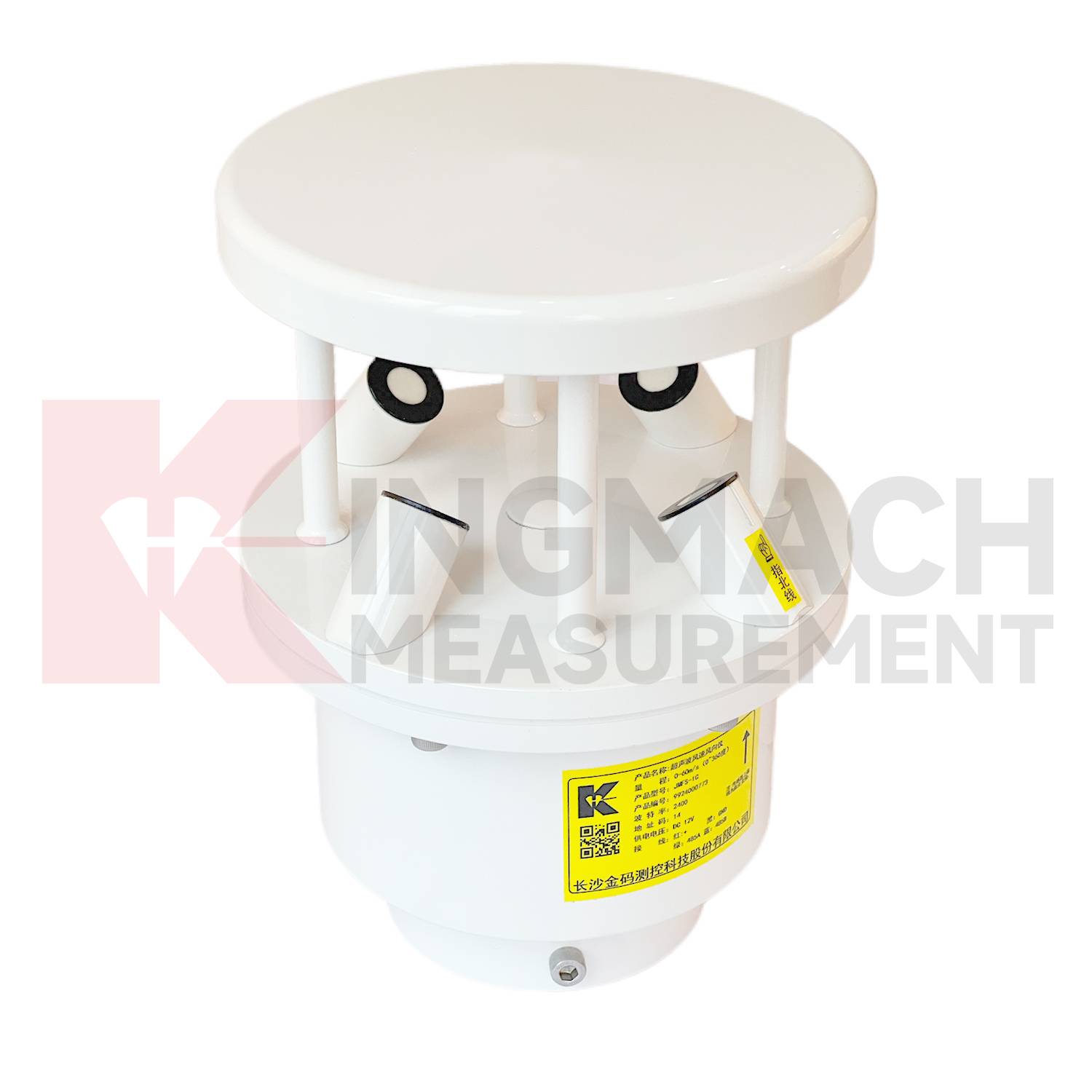
Ultrasonic Wind Speed and Direction Instrument
Kingmach Measurement & Monitoring Technology Co., Ltd.
Forest and Grassland Heat Source Infrared Monitor
China Huayun Meteorological Technology Group Co., Ltd.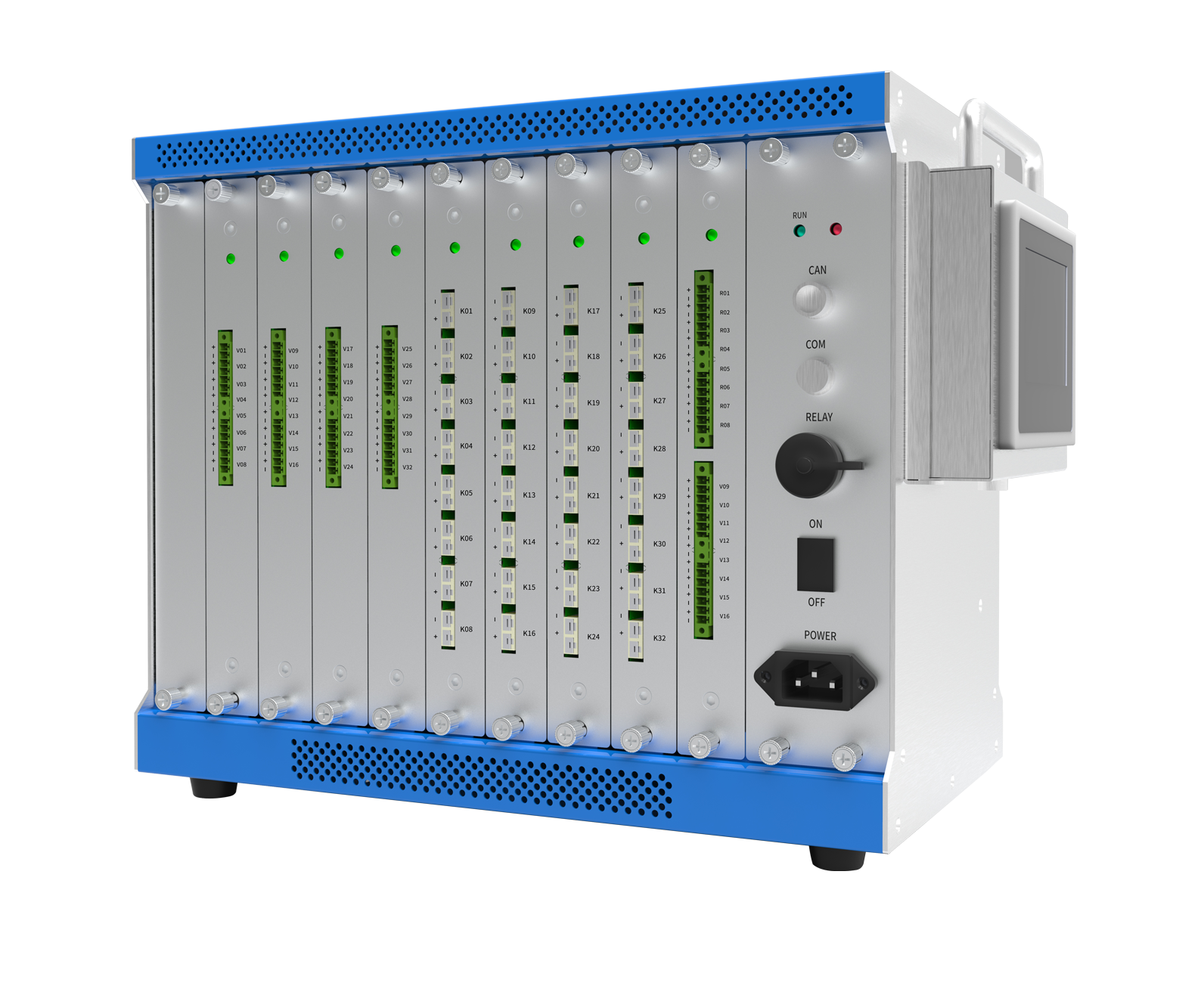
Optional Accessory - Auxiliary Sampling Module
Beijing Soaring Electric Technology Co., Ltd.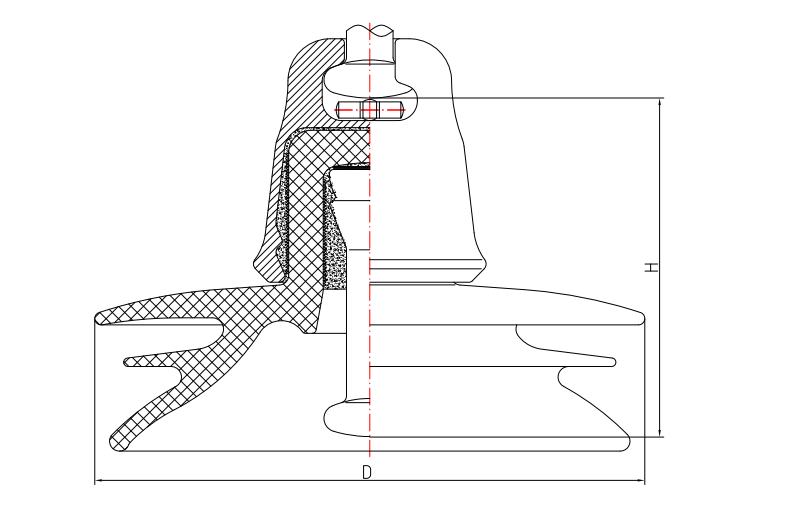
Post-type AC Pollution-resistant Disc Suspension Porcelain Insulator (Triple Umbrella Type)
Shandong High Voltage Insulator Co., Ltd.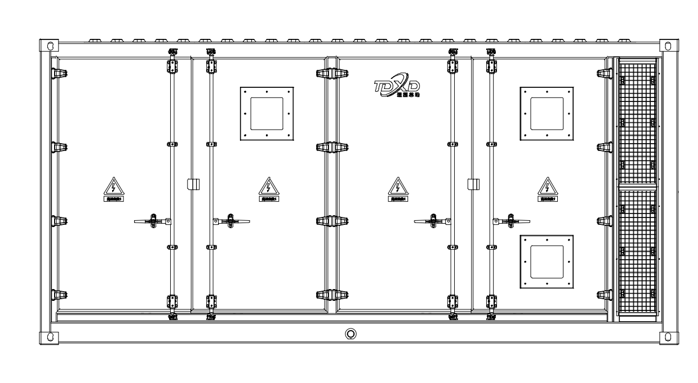
5012kWh DC Energy Storage System TD-EES-5012kWh
Suzhou Tongding Xindong Energy Storage Technology Co., Ltd.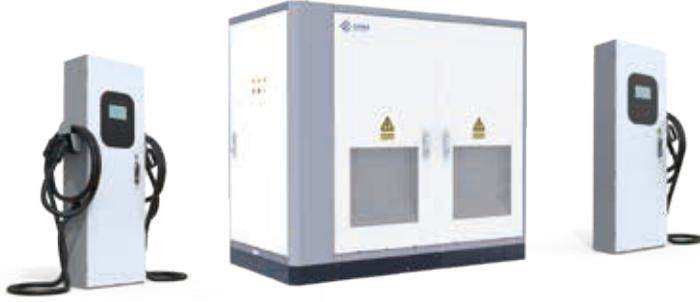
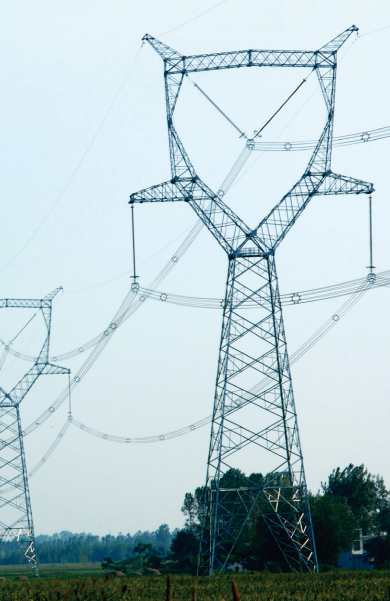
1000kV Jin Southeast-Nanyang-Jingmen UHV AC Transmission and Transformation Pilot Demonstration Project
Anhui Hongyuan Steel Tower Co., Ltd.