U.S. startup Apollo Atomics secures $31 million in funding
en.Wedoany.com Reported - U.S. startup Apollo Atomics has secured $31 million in seed funding, which will be used to test its compact nuclear reactor technology, scale up manufacturing, and advance regulatory approvals.
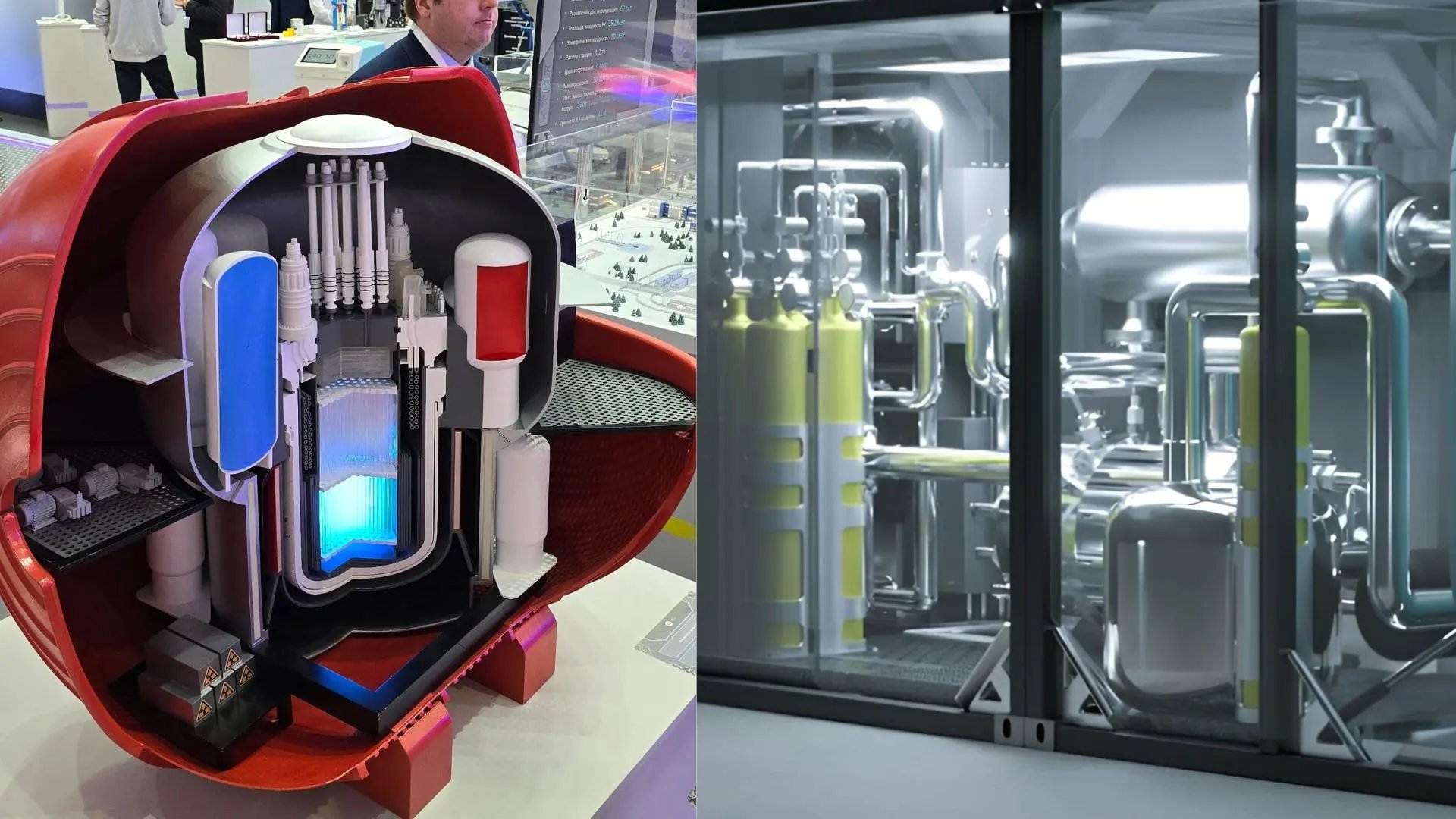
Headquartered in Cambridge, Massachusetts, the company was spun out of the Massachusetts Institute of Technology (MIT) and is backed by Y Combinator. Its next-generation pressurized water reactor follows the same technical path as most operating nuclear plants in the U.S., with engineering efforts focused on the steam generator—the largest and most structurally complex component in traditional nuclear systems.
Traditional nuclear plant construction often takes years and billions of dollars in investment, and the sheer scale of these systems makes factory-based manufacturing difficult to achieve. Apollo's compact steam system delivers greater power output in a smaller footprint, with a power density roughly 10 times that of conventional systems and an overall footprint about one-fortieth that of traditional designs. Key systems are planned to be prefabricated in factories and transported by truck, an approach Apollo believes could shorten deployment time to under two years.
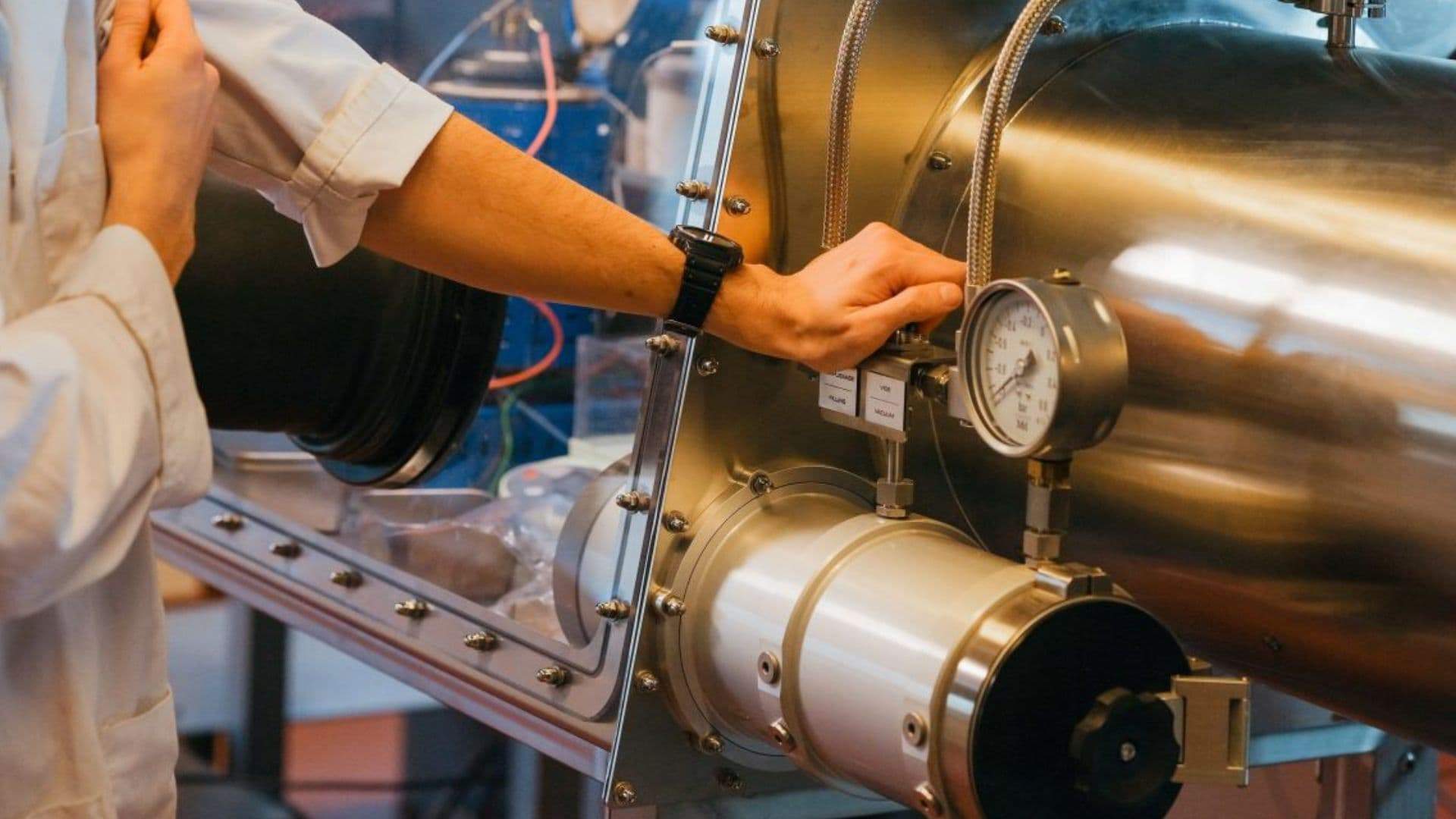
The company has built and tested a reactor system demonstration unit at MIT's Department of Nuclear Science and Engineering, validating the hardware under simulated commercial operating conditions. Apollo has not developed a new nuclear fuel cycle; its reactor uses commercial-grade low-enriched uranium and existing technologies from the pressurized water reactor industry.
On the regulatory front, Apollo earlier this year submitted a regulatory engagement plan to the U.S. Nuclear Regulatory Commission, seeking authorization for a selected fuel configuration by the end of 2026. The company stated that this configuration has achieved criticality at full power.
In terms of product planning, Apollo will offer the 10 MW A-10, 50 MW A-50, and 300 MW A-300, targeting large electricity consumers such as data centers, industrial facilities, and utilities. This funding round will also support its A-1 project—a 1 MW commercial demonstration unit for extended reliability testing. By focusing its engineering efforts on the hardware that determines system size and complexity, this $31 million in funding gives Apollo more time to validate whether its approach can transition from laboratory hardware to commercial nuclear infrastructure.
Related Products
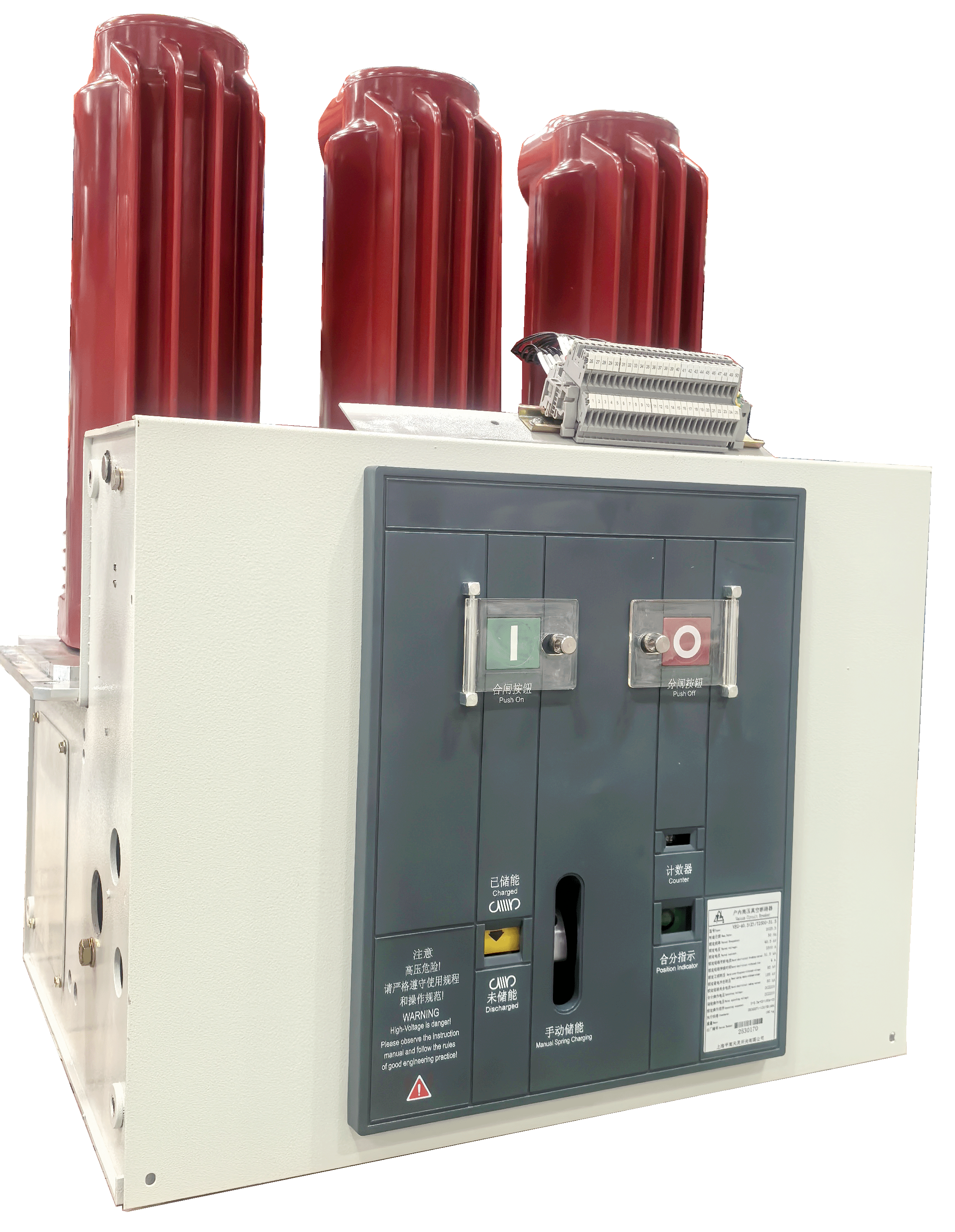

VEG-12/24/40.5 Series Vacuum Circuit Breaker
SHANGHAI PINGGAO TIANLING SWITCHGEAR CO., LTD.
Floating Boat Water Quality Automatic Monitoring System
Hebei Sailhero Environmental Protection High-tech Co., Ltd.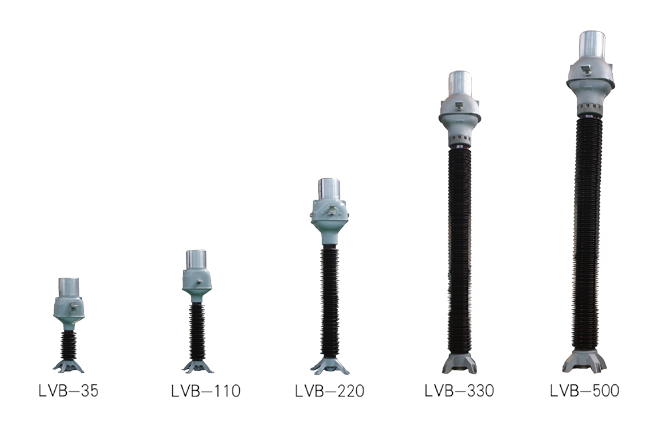
LVB Series 35-500kV Oil-immersed Inverted Current Transformer
Shandong Taikai Instrument Transformer Co., Ltd.
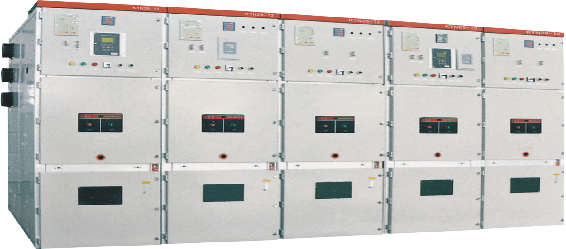
KYN28-12/24 Indoor High-Voltage Metal-Clad Removable Switchgear
Shenzhen Zhaoyang Hui Technology Co., Ltd.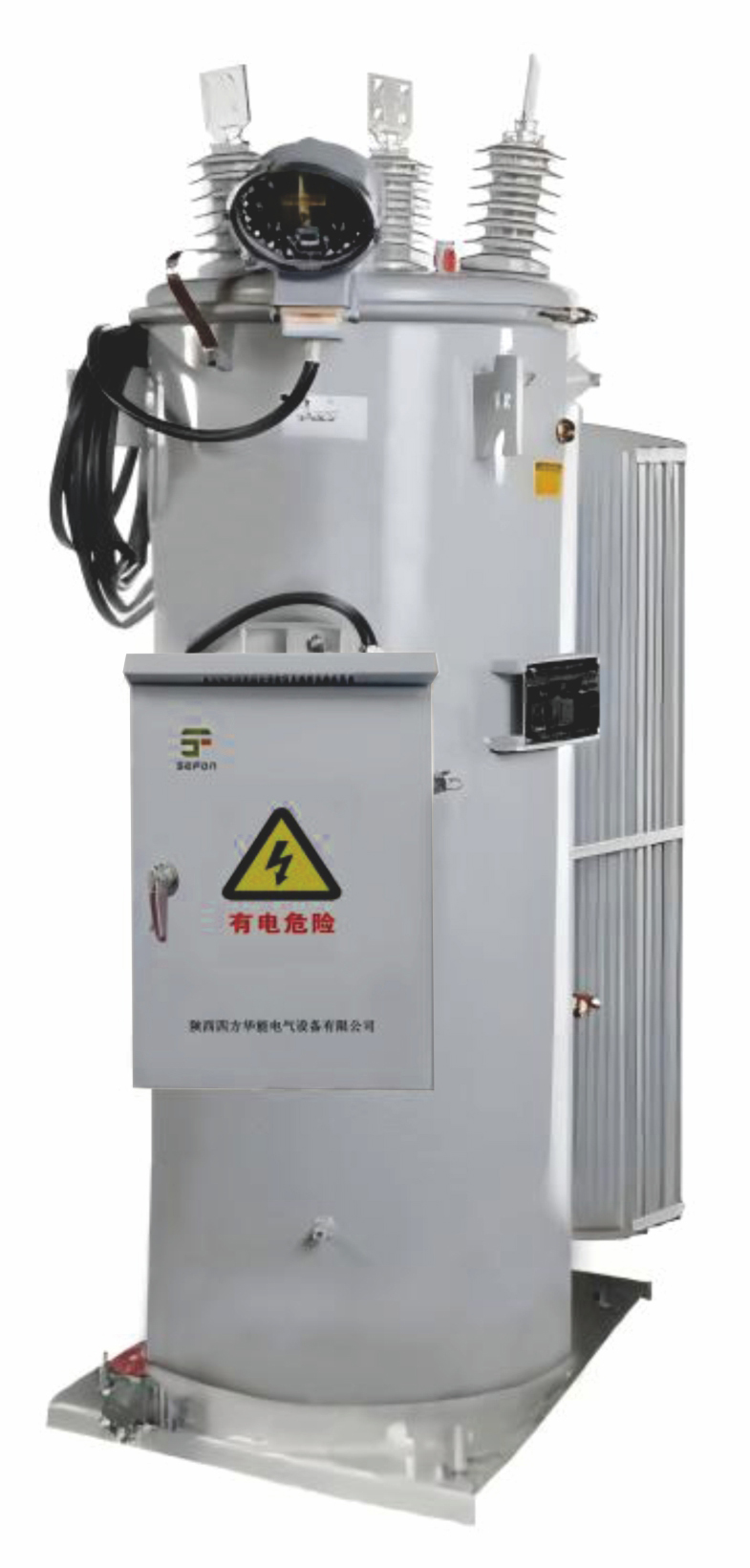
Single-Phase Automatic Voltage Regulator(AVR)
Shaanxi Sefon Electrical Equipment Co.,Ltd.