Three years since Japan began discharging Fukushima nuclear-contaminated water, cumulative discharge reaches approximately 173,000 tons
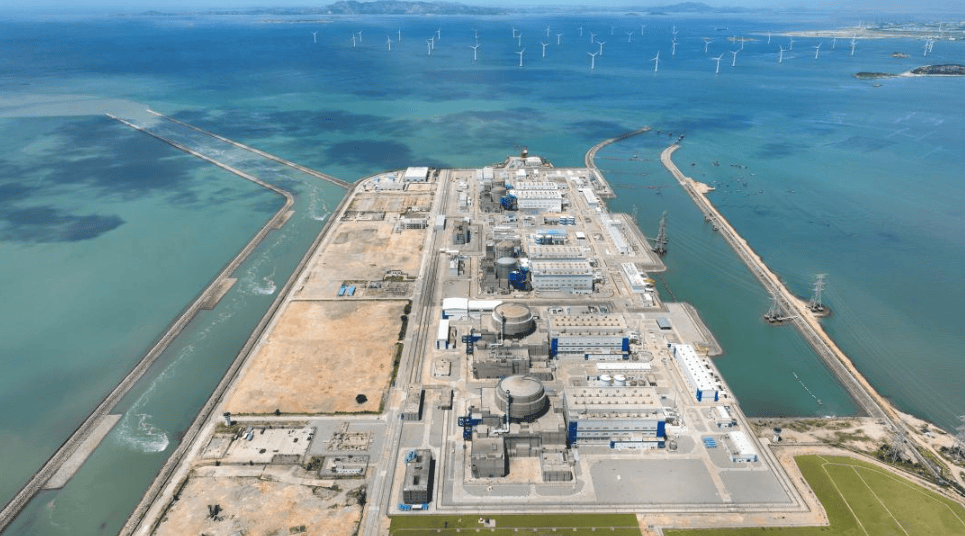
en.Wedoany.com Reported - As of August 24, three years have passed since Tokyo Electric Power Company (TEPCO) began discharging nuclear-contaminated water from the Fukushima Daiichi Nuclear Power Station into the sea. Over the past three years, Japan has ignored strong international skepticism and opposition, unilaterally and forcibly advancing its discharge plan, completing 22 rounds of discharge with a cumulative volume of approximately 173,000 tons. The amount of nuclear-contaminated water in storage tanks at the Fukushima Daiichi plant site has decreased by only about 7% compared to before the discharge began.
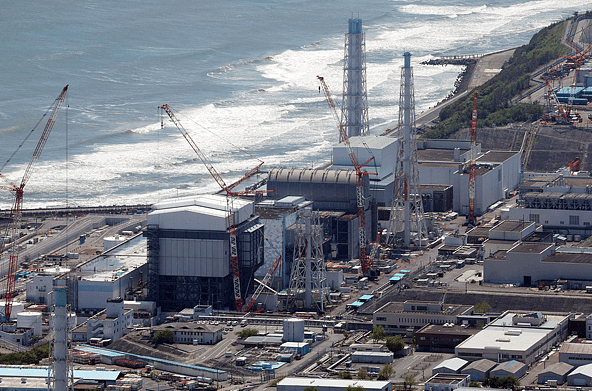
The most recent round (the 22nd) of discharge concluded on August 17, releasing 7,888 tons of nuclear-contaminated water, containing a total of approximately 1.3 trillion becquerels of radioactive tritium. This round, which began on July 30, was the 4th discharge in Japan's fiscal year 2026. TEPCO has previously announced its discharge plan for fiscal year 2026, proposing to release a total of approximately 62,400 tons in eight batches.
Currently, TEPCO plans to further increase discharge volumes starting this fiscal year, with the goal of completing the decommissioning of the nuclear plant by 2051. However, whether all nuclear-contaminated water can be fully discharged before that deadline remains uncertain.
The discharge plan continues to draw strong opposition both domestically in Japan and from the international community. On the third anniversary of the discharge, Masanobu Sakamoto, chairman of the National Federation of Fisheries Co-operative Associations (JF Zengyoren), reiterated that the federation's stance against the discharge of nuclear-contaminated water has never changed. Sakamoto noted that import restrictions on Japanese seafood imposed by some countries and regions remain in place, with prices of products such as sea cucumbers declining and related industries suffering severe impacts. He emphasized that lost markets have yet to fully recover, and whether they can recover at all is a concern, adding that government support measures are "far from sufficient" for fishermen.
On March 11, 2011, the Fukushima Daiichi Nuclear Power Station suffered core meltdowns following a magnitude-9 earthquake and tsunami, resulting in a level-7 nuclear accident, the most severe on the International Nuclear and Radiological Event Scale. On August 24, 2023, the Japanese government officially launched the discharge of nuclear-contaminated water into the sea.
Related Products
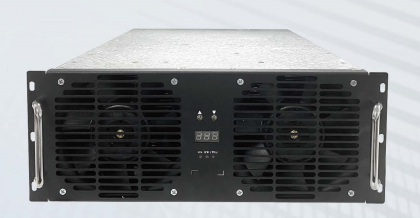

80kW Megawatt Supercharging Module TH80F10030C9
Shijiazhuang Tonhe Electronics Technologies Co., Ltd.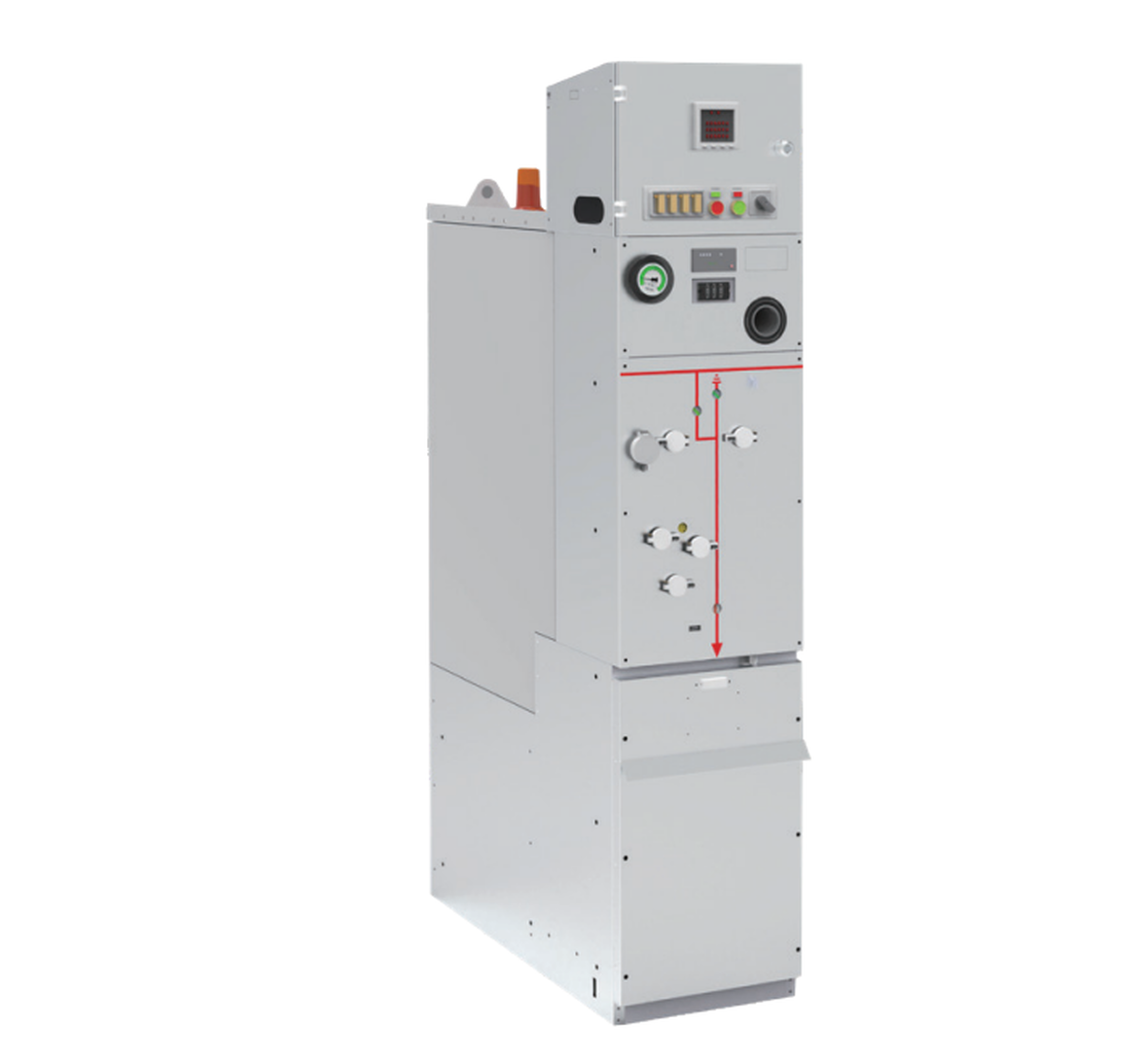
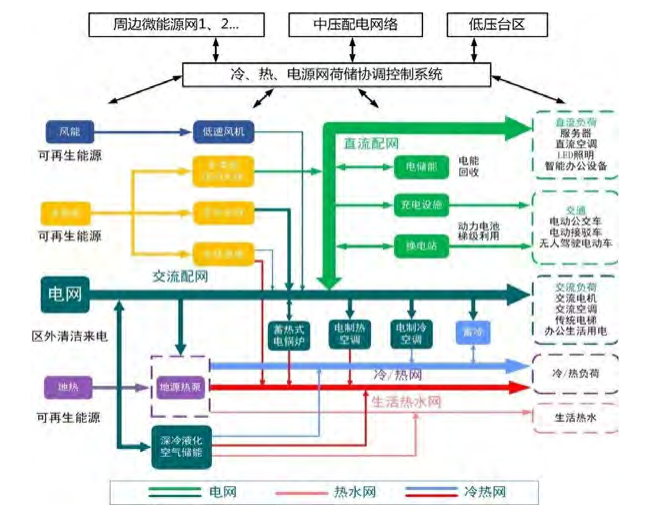
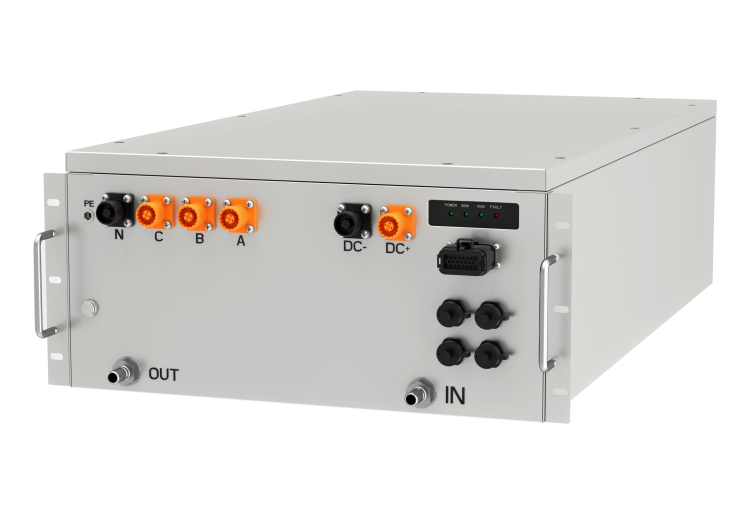
Mars (Liquid Cooling) Series Industrial and Commercial Energy Storage Converter High Protection Module
Shenzhen Winline Technology Co., Ltd.
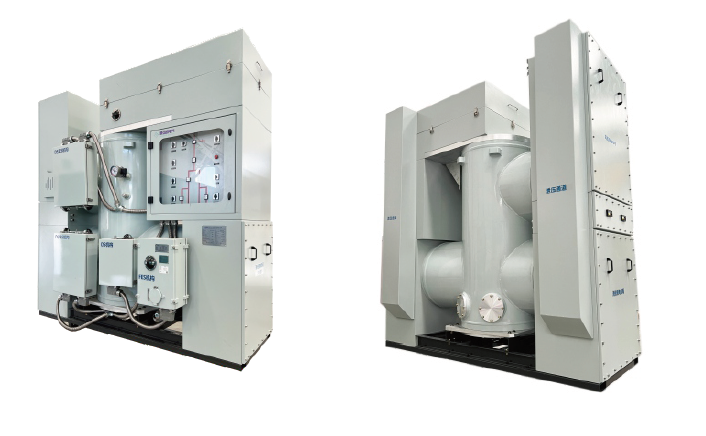
72.5kV 1250A 31.5kA SF6 free Gas-insulated Metal-enclosed Switchgear
Zhejiang Juhonkia Intelligent Electric Co., Ltd.