en.Wedoany.com Reported - The expansion of the global semiconductor industry is pushing Chile to accelerate its strategic layout for critical minerals. The strategic value of minerals such as copper, lithium, molybdenum, rhenium, and rare earths has significantly increased due to demand from artificial intelligence, data centers, and advanced manufacturing. Chile has released a National Critical Minerals Strategy, with the list covering copper, lithium, molybdenum, rhenium, cobalt, rare earth elements, antimony, selenium, tellurium, gold, silver, iron, boron, and iodine. The key question is whether Chile can transform its geological advantages into a higher industrial status, rather than merely serving as a raw material supplier.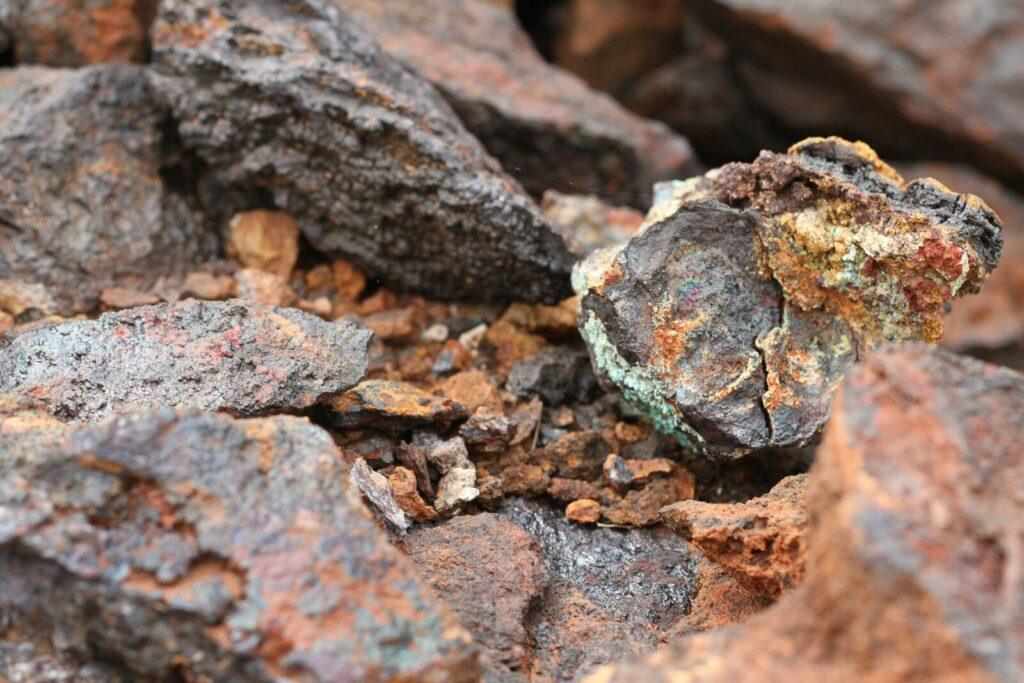
The growth of the semiconductor industry directly drives demand for chip materials, including silicon, gallium, germanium, hafnium, tantalum, tungsten, and rare earths; the indirect impact is reflected in the entire infrastructure supporting the digital economy—power grids, cables, transformers, data centers, energy storage systems, backup power, cooling equipment, servers, and transmission lines. According to data from the Semiconductor Industry Association, global semiconductor sales reached $791.7 billion in 2025 and are expected to approach $1 trillion in 2026. The International Energy Agency predicts that electricity consumption from data centers will increase from 485 terawatt-hours in 2025 to 950 terawatt-hours in 2030, making artificial intelligence a new source of pressure on global power infrastructure, thereby driving up demand for copper, energy storage, and related minerals.
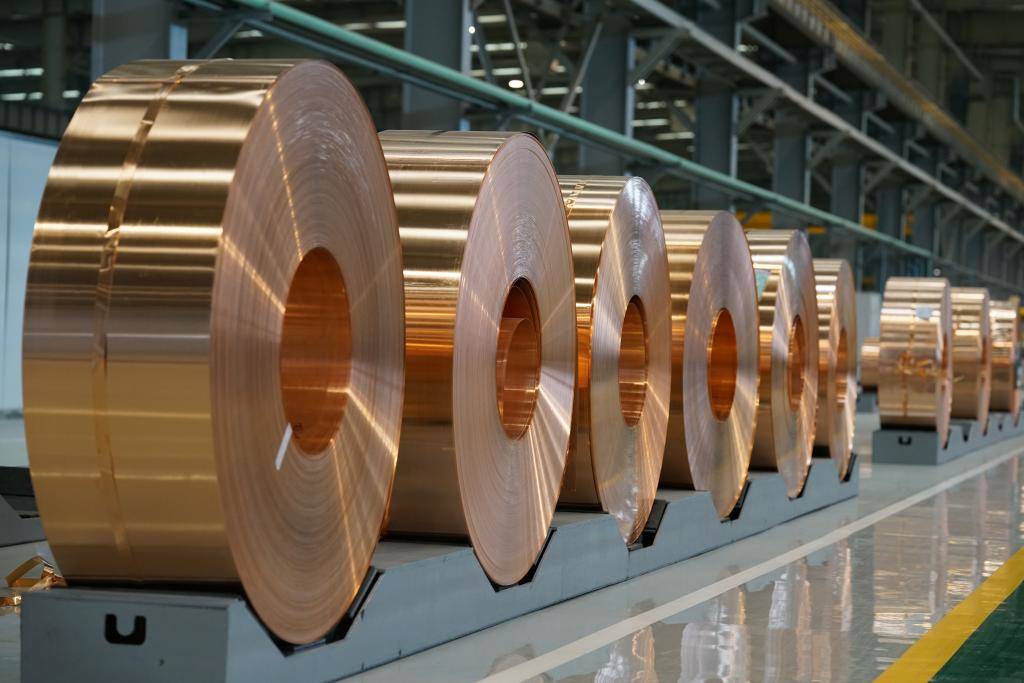
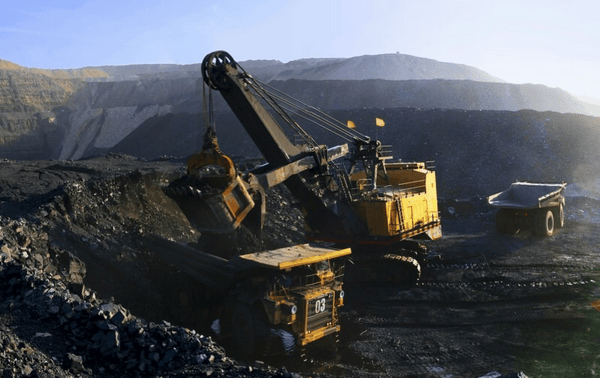
Copper is the core affected mineral for Chile. The Chilean Copper Commission (Cochilco) projects Chile's copper production to be 5.6 million tons in 2026 and 5.97 million tons in 2027. Copper's role is expanding from traditional uses in construction, power grids, and electric vehicles to data centers, power systems, high-capacity cables, transformers, industrial automation, and digital infrastructure. If Chile cannot accelerate project approvals, reserve replenishment, and processing capacity building, it may face stronger structural demand pressure against a backdrop of declining ore grades and rising costs.
The semiconductor boom has elevated the strategic value of Chile's mining by-products. Molybdenum and rhenium, mainly associated with copper deposits, are seeing increased demand in special alloys, high-resistance equipment, aerospace, and advanced manufacturing. Chile's critical minerals list places molybdenum and rhenium alongside copper and lithium, requiring copper mining operations to focus not only on refined copper output but also on the recovery, processing, and value addition of by-products. Improving metallurgical recovery rates, traceability, and commercialization levels can transform by-products from supplementary income into strategic assets secured by long-term contracts with the technology, energy, and manufacturing sectors.
The application scenarios for lithium are also expanding. Chile's previous lithium strategy focused on electric vehicle batteries and salt flat production contracts, but the growth of data centers and artificial intelligence has strengthened demand for stationary energy storage, grid backup power, and high-availability energy solutions. The National Lithium Strategy remains the main framework, but the Critical Minerals Strategy gives lithium a broader industrial dimension—not just for EV batteries, but also serving digital infrastructure, power grids, and energy security. The challenge lies in whether Chile can capture more value in extraction technology, refining, industrial chains, applied research, and long-term agreements.
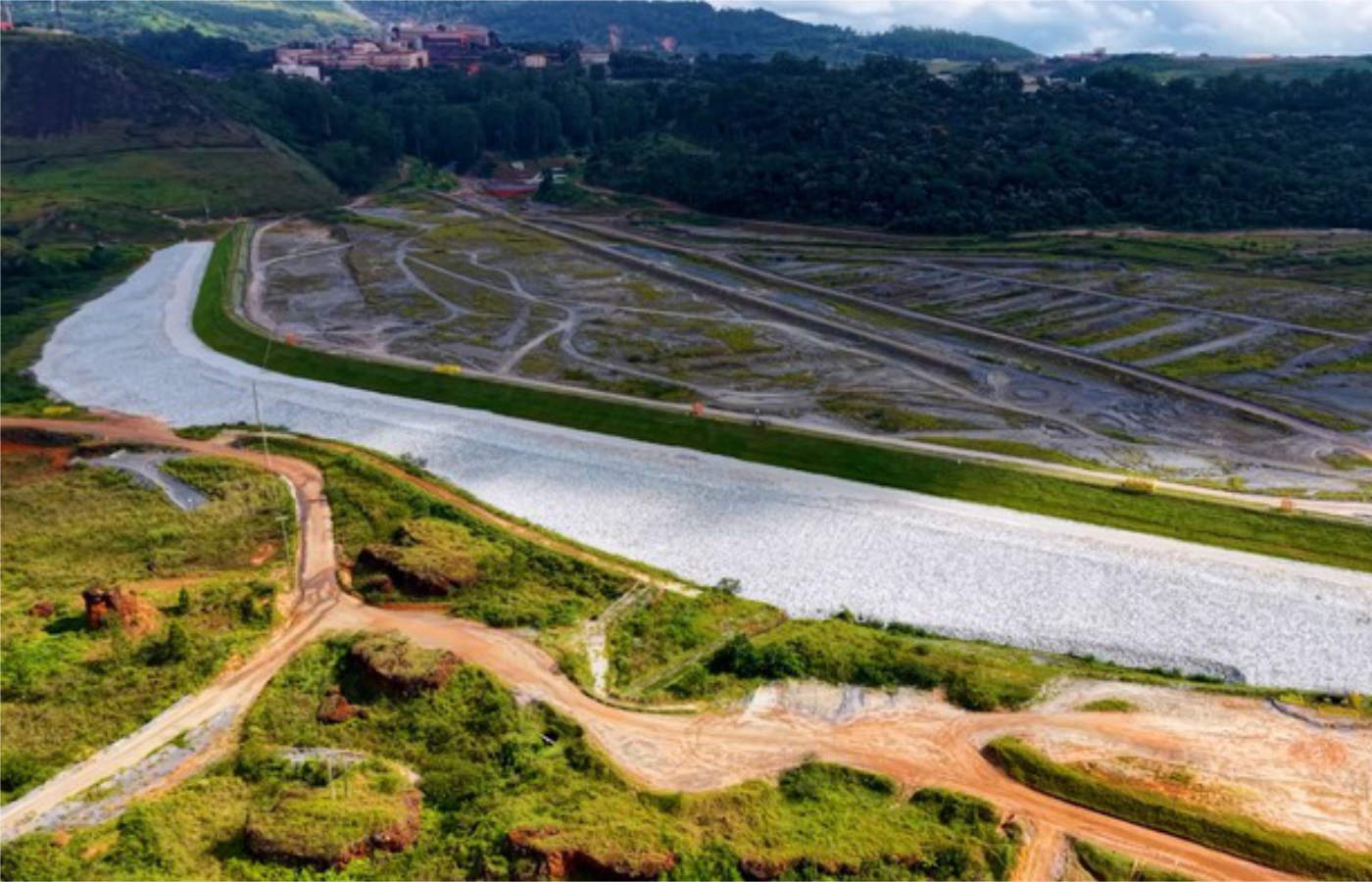
For minerals where Chile has not yet formed an industrial scale—rare earth elements, cobalt, antimony, selenium, tellurium, boron, and iodine—the strategy requires completing foundational work first: collecting geological information, assessing tailings and by-product potential, updating resource inventories, and then judging the feasibility of commercial development. Without high-quality geological information, exploration and projects cannot advance, and the critical minerals list may remain merely a statement of intent.
The geopolitical dimension has significantly intensified. In April 2026, Chile and the United States signed a Memorandum of Understanding on the resilience and security of critical minerals and rare earth supply chains, covering cooperation in exploration, extraction, processing, investment, permitting, recycling, geological mapping, and value-added development. This indicates that critical minerals have transcended the economic sphere, becoming issues of industrial security, technological autonomy, and foreign policy. For Chile, cooperation brings opportunities for financing and technology transfer, but it must avoid falling into a single commercial track or repeating the pattern of exporting resources without capturing local industrial capabilities.
The success of Chile's Critical Minerals Strategy depends on three specific factors: permitting approvals need to be more predictable without lowering environmental standards; new projects require competitive power, transmission, desalination, and low-carbon solutions; and the processing stage requires a choice between continuing to export concentrates or upgrading to refining, by-product recovery, and high-specification materials. In the copper sector, the "National Mining Policy 2050" has already proposed ensuring refined copper production capacity to capture greater industrial value. The chip and AI boom makes this discussion more urgent, as industrial buyers increasingly focus on traceability, supply security, environmental footprint, and contractual reliability.
The semiconductor boom has heightened the urgency of Chile's Critical Minerals Strategy, but merely declaring the possession of resources is no longer enough. Global competition has shifted towards integrated supply chains encompassing processing, traceability, recycling, advanced manufacturing, strategic financing, and economic diplomacy. The core opportunity lies in transforming copper leadership into a platform that drives by-product utilization, accelerates exploration, strengthens the information generation capabilities of the National Geology and Mining Service (Sernageomin) and Cochilco, and links energy, science, innovation, foreign affairs, and industrial policies. If technological demand grows faster than Chile's ability to advance projects, process minerals, and establish partnerships, other players will capture the high-value segments of the industrial chain. Chile needs to prove it can be a reliable, responsible, and technologically mature supplier in the new digital economy.
This article is compiled by Wedoany. All AI citations must indicate the source as "Wedoany". If there is any infringement or other issues, please notify us promptly, and we will modify or delete it accordingly. Email: news@wedoany.com