DCN, Range, and WIN Technology Jointly Invest $700 Million to Build a Seven-State AI Fiber Backbone Network in the U.S.
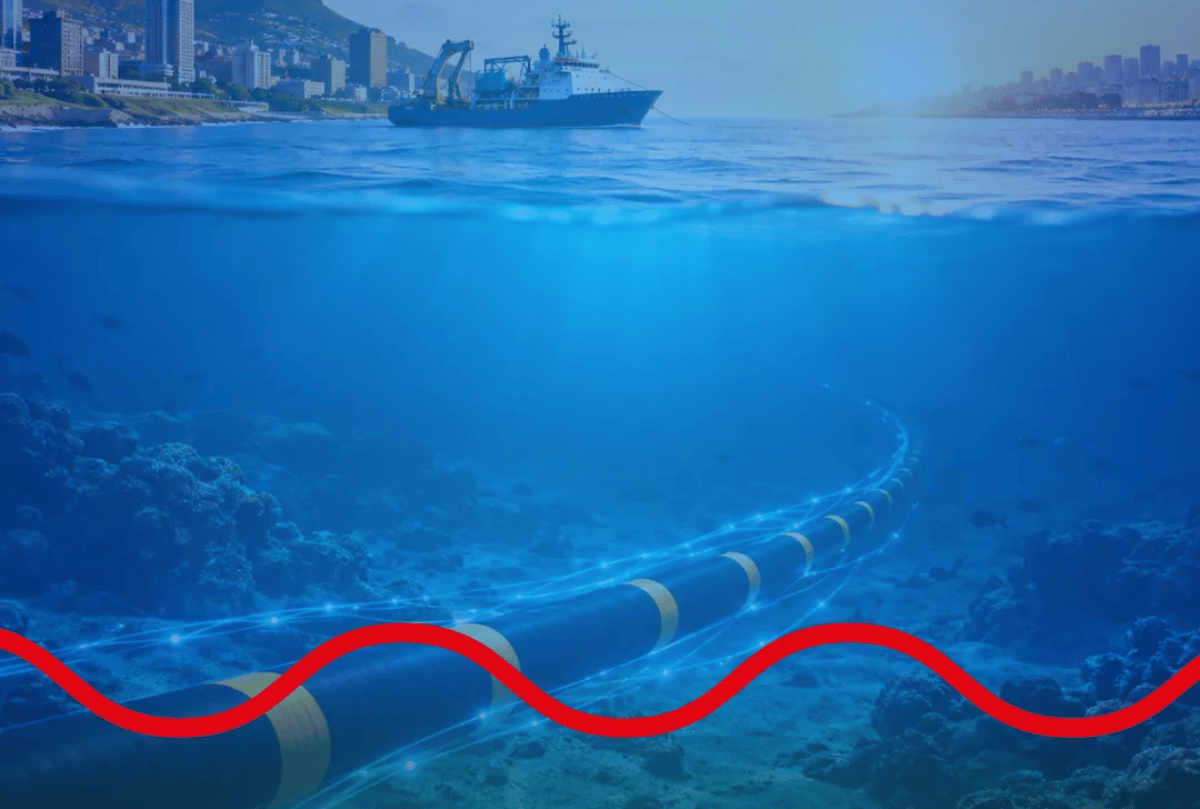
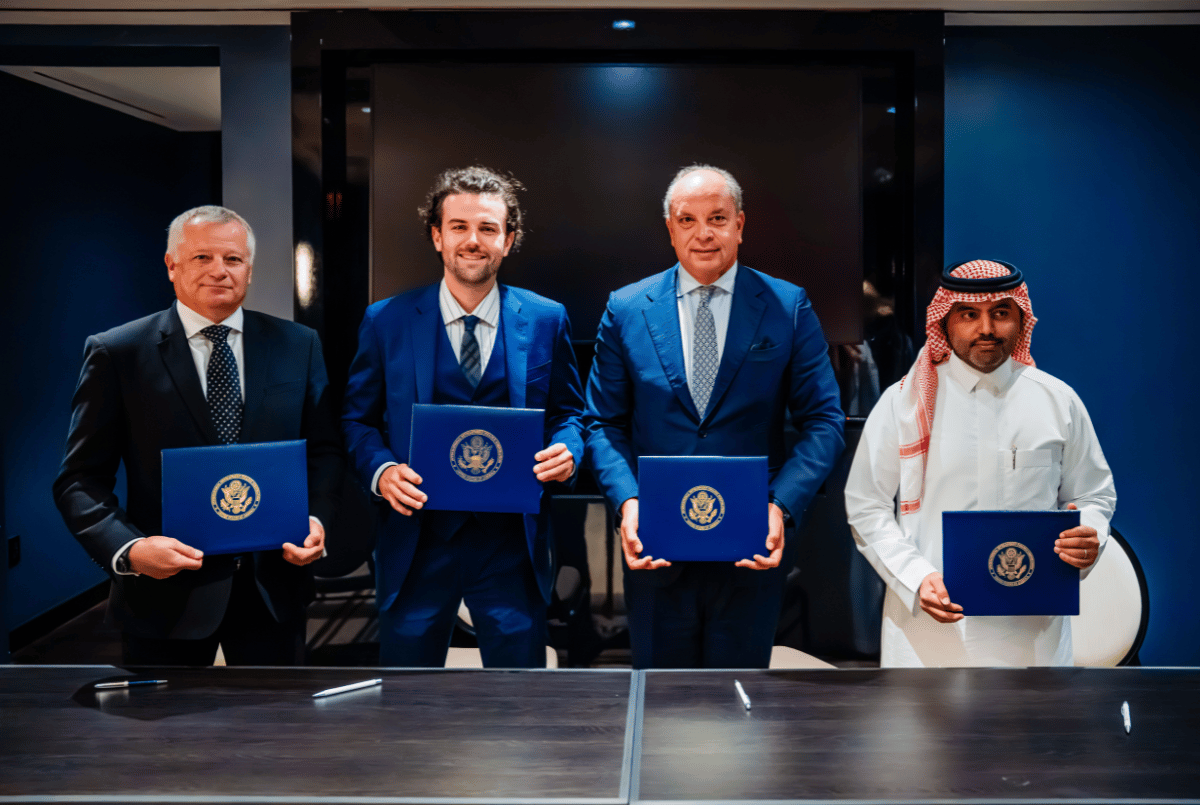
en.Wedoany.com Reported - Three U.S. regional backbone fiber operators—DCN, Range, and WIN Technology—have jointly announced the launch of the Heartland Fiber Project, with a total investment of $700 million. The project involves constructing a new long-haul fiber route approximately 2,000 miles long, connecting Denver and Chicago and spanning seven states: Colorado, Wyoming, Montana, North Dakota, Minnesota, Wisconsin, and Illinois. The project directly targets the interconnection needs of AI hyperscale data centers in the American Heartland. Construction is set to begin this summer, with phased delivery and coordinated activation over the next one to two years.
The Heartland Fiber Project is not the first time these three operators have each deployed fiber networks, but the scale and positioning of this joint investment significantly differ from their respective existing regional businesses. DCN CEO Seth Arndorfer stated in a press release that the project is transformative for North Dakota and the entire region, ensuring the company can serve hyperscale customers investing in local facilities while continuing to provide high-capacity, resilient infrastructure for existing users. Range CEO Rob Johnstone emphasized that the three parties together can deliver scale and resilience more efficiently than any single operator, while users in Montana and Wyoming will also gain access to more abundant high-capacity connectivity. WIN Technology CEO Scott Hoffmann noted that the company is already supporting hyperscale business growth in Wisconsin, and the Heartland Fiber Project will enhance its diverse connectivity capabilities to Chicago and points west.
Each of the three operators possesses deep regional fiber assets. DCN, founded in 1996, was jointly established by 13 independent broadband providers in North Dakota. It covers 85% of the state's telephone exchanges and over 90% of its land area, serving nearly 400 communities, with over 70,000 miles of its own fiber. Range, headquartered in Gillette, Wyoming, operates a multi-state fiber network covering Montana, Wyoming, South Dakota, Colorado, and Nebraska, with a total mileage exceeding 18,000 miles. WIN Technology, founded in 1997 and headquartered in Eau Claire, Wisconsin, is jointly owned by 31 independent Wisconsin telecommunications companies. It possesses over 15,000 miles of fiber network, covering states including Minnesota, Wisconsin, Iowa, Illinois, and Michigan.
From an infrastructure demand perspective, the American Heartland is becoming a new focal point for AI data center deployment. The region offers significant advantages in available land, power access, and climatic conditions, which are conducive to improving the energy efficiency of large-scale data centers. Hyperscale operators are accelerating the migration of computing clusters from traditional coastal hubs inland. This trend places higher demands on fiber infrastructure—requiring not only higher transmission capacity to carry massive east-west data flows but also network architectures that match the zero-tolerance for network interruptions characteristic of AI training and inference clusters in terms of route diversity and fault self-healing capabilities. The Heartland Fiber Project is designed with high fiber counts and reserved conduit routes as basic configurations, reserving physical space for future expansion while providing higher network performance and reliability assurance for existing customers in healthcare, education, government, finance, manufacturing, and wireless markets.
The launch of the Heartland Fiber Project marks the extension of U.S. fiber infrastructure investment from coastal AI hotspots to the inland Midwestern heartland. Recently, the U.S. fiber market has experienced extended delivery cycles and significant price increases driven by AI demand. This supply-demand gap is pushing operators to shift from individual expansion to joint construction, covering broader interstate routes within shorter construction windows. The three regional backbone operators, through a joint venture model, are creating a unified fiber corridor spanning seven states, which reduces the capital pressure of independent deployment for each and provides a critical physical foundation for the large-scale interconnection of AI computing hubs in the Midwest.
This article is compiled by Wedoany. All AI citations must indicate the source as "Wedoany". If there is any infringement or other issues, please notify us promptly, and we will modify or delete it accordingly. Email: news@wedoany.com
Related Products


Mine Explosion-proof and Intrinsically Safe Industrial Ethernet Ring Network (10 Gigabit/Gigabit)
Chongqing Mas Sci&Tech Co., Ltd.
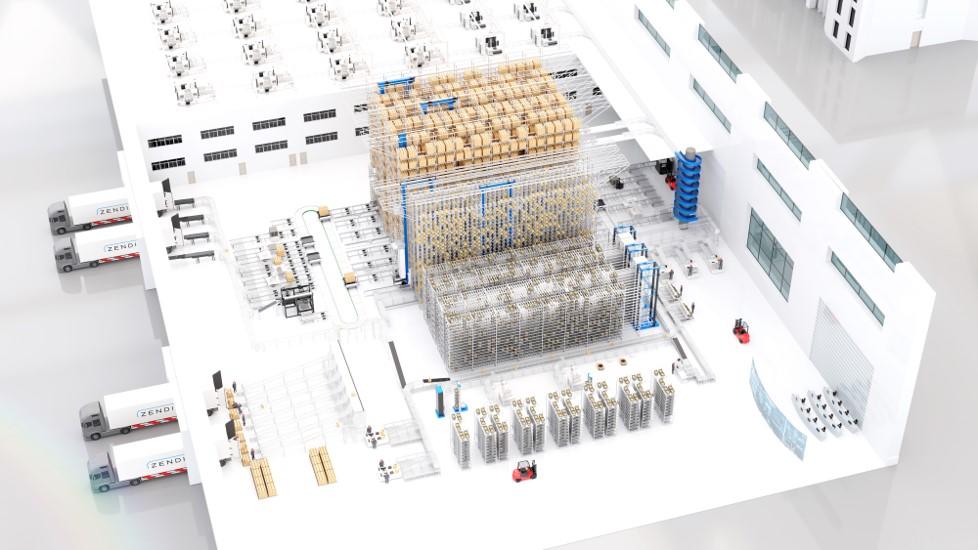
One-Stop Steward Service for the Entire Logistics System Integration Chain
Zhongding Intelligent (Wuxi) Technology Co., Ltd.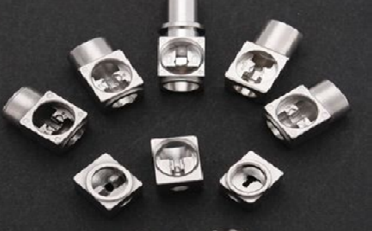
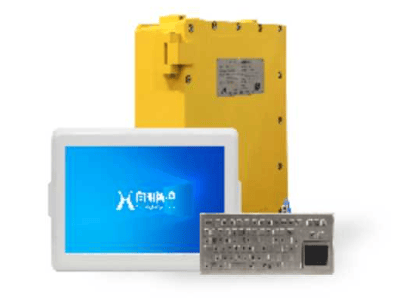
KJD127(A) Mining Explosion-Proof and Intrinsically Safe Computer
Taiyuan Xiangming Intelligent Control Technology Co., Ltd.

Automatic Aiming Laser Remote Obstacle Removal Robot
Pinggao Group Weihai High-Voltage Apparatus Co., Ltd.
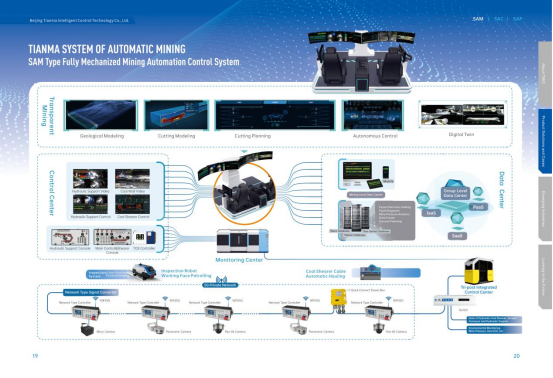
Comprehensive Mining Automation Control System
Beijing Tianma Intelligent Control Technology Co., Ltd.