Global Dual-Fuel Vessel Fleet Surpasses 1,200 Units with Investment Exceeding USD 180 Billion
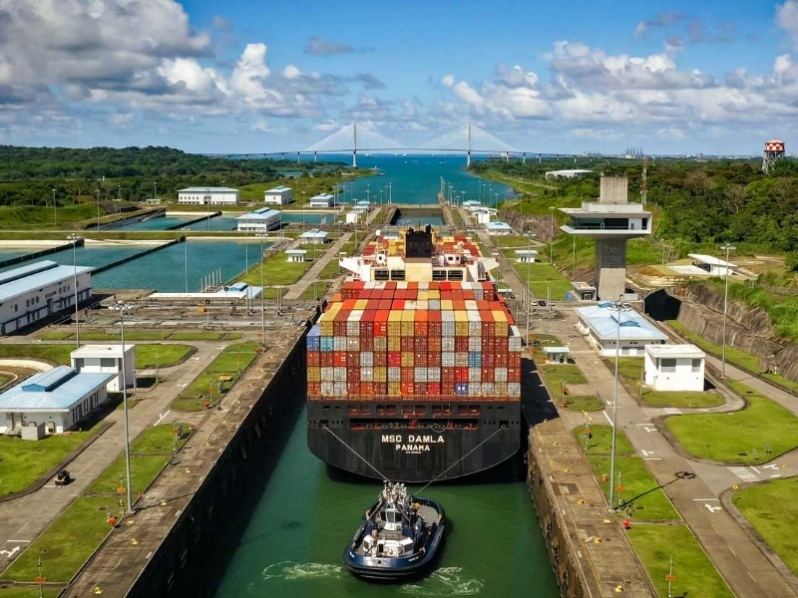
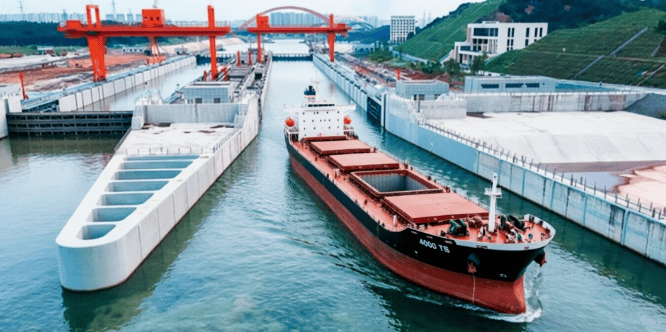
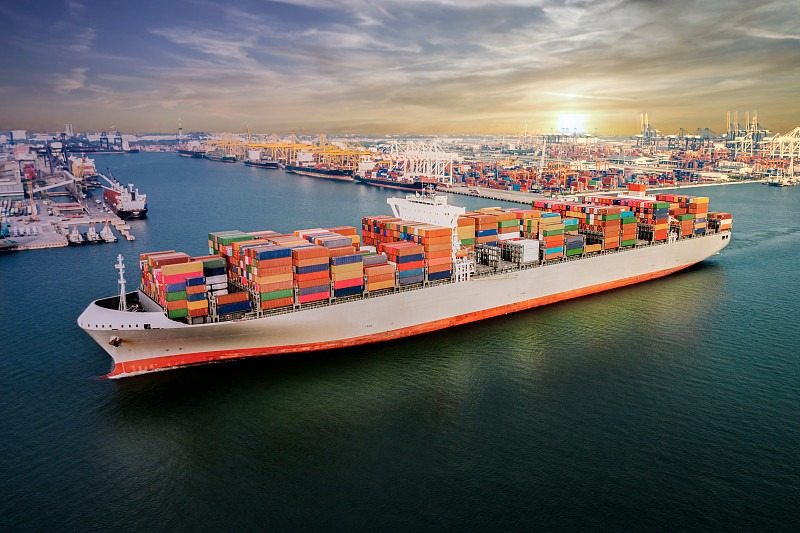
en.Wedoany.com Reported - The global liner industry's investment enthusiasm for alternative fuel vessels remains high, with the total number of delivered and ordered dual-fuel container ships, car carriers, and other vessels surpassing 1,200 units.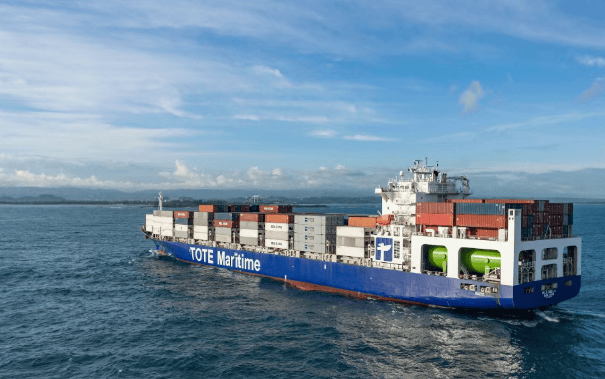
The latest "Dual-Fuel Fleet Monitoring Report" released by the World Shipping Council shows that as of March 2026, the global fleet had 440 dual-fuel vessels in operation, a significant year-on-year increase of 65%; with another 764 dual-fuel vessels on order. The number of delivered and contracted dual-fuel vessels reached 1,204, corresponding to an investment scale exceeding USD 180 billion (approximately RMB 1.22 trillion).
Despite ongoing uncertainties regarding future fuel supply, supporting infrastructure construction, and global emission regulations, container shipping continues to lead the energy transition in the maritime industry, with the car carrier sector also experiencing rapid growth.
World Shipping Council data indicates that 78% of current container ship orders have dual-fuel capability; the transition for car carriers is even faster, with 94% of new ship orders designed to alternative fuel standards. For other vessel types on order, 17% also feature dual-fuel configurations. Industry insiders state: "Dual-fuel vessels are long-term investments focused on flexibility. Designed to adapt to multiple fuel pathways over decades of operational life, they help reduce operational risks, enhance energy security, and strengthen global supply chain resilience."
To address proposed International Maritime Organization emission rules and growing demands from cargo owners for supply chain emission reductions, global shipowners are adjusting their fleet structures. Although the market share of methanol dual-fuel vessels continues to grow, the current mainstream choice remains liquefied natural gas (LNG), especially in the container ship sector.
As orders for dual-fuel vessels surge, the pressure on the maritime industry to reduce emissions and decarbonize continues to intensify, while still facing significant fuel uncertainty—namely, which fuel will ultimately be chosen in the long-term transition away from traditional marine fuels.
Many of the new vessels currently being delivered and put into operation are initially designed to use LNG or traditional marine fuels, while retaining the flexibility to transition to renewable or near-zero carbon fuels, adapting to improvements in infrastructure and fuel supply over the coming decades.
In summary, the global shipping market is experiencing increasing divergence in fuel choices. Container ship owners and car carrier owners continue to invest heavily in dual-fuel fleets, but against a backdrop of freight market volatility, uncertain fuel economics, and unresolved regulatory issues, other vessel types, including tankers and bulk carriers, remain more cautious.
Although global newbuilding activity is generally weak, container shipping, as one of the few major maritime sectors still actively ordering alternative fuel vessel types, demonstrates strong vitality and is the primary driving force behind large-scale maritime decarbonization investment.
This article is compiled by Wedoany. All AI citations must indicate the source as "Wedoany". If there is any infringement or other issues, please notify us promptly, and we will modify or delete it accordingly. Email: news@wedoany.com
Related Products


Industrial and Commercial Point-Type Gas Detector
Jinan Benan Technology Development Co., Ltd.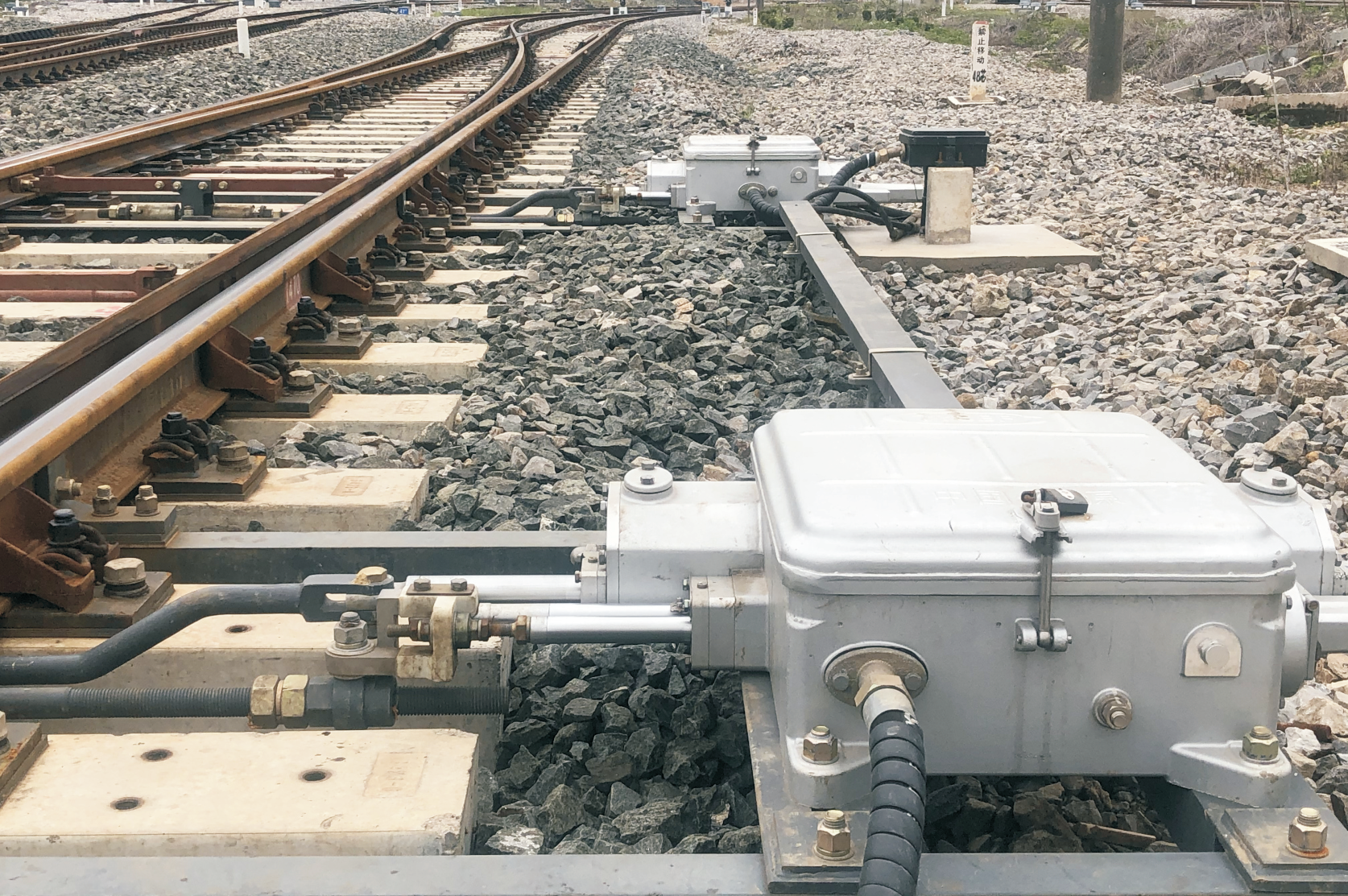
ZY(J)7(M) Sealed Type Electro-Hydraulic Turnout Machine
TAIYUAN CR JINGFENG EQUIPMENT TECHNOLOGY CO., LTD.
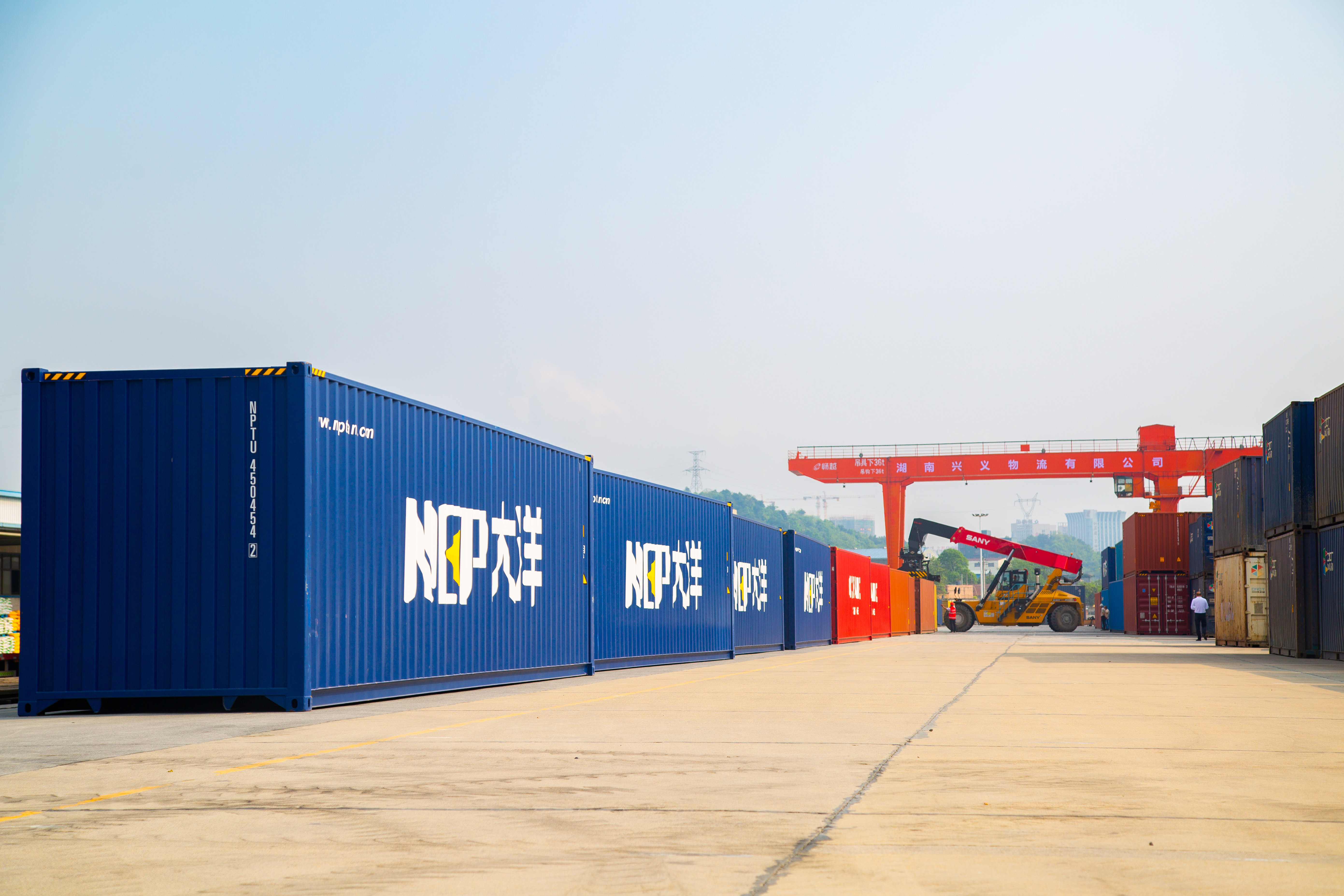
China - Alashankou/Khorgos - Europe Full Range Transportation (Mala/Hamburg/Duisburg/Budapest, etc.)
Shenzhen Neptune Logistics Co., Ltd.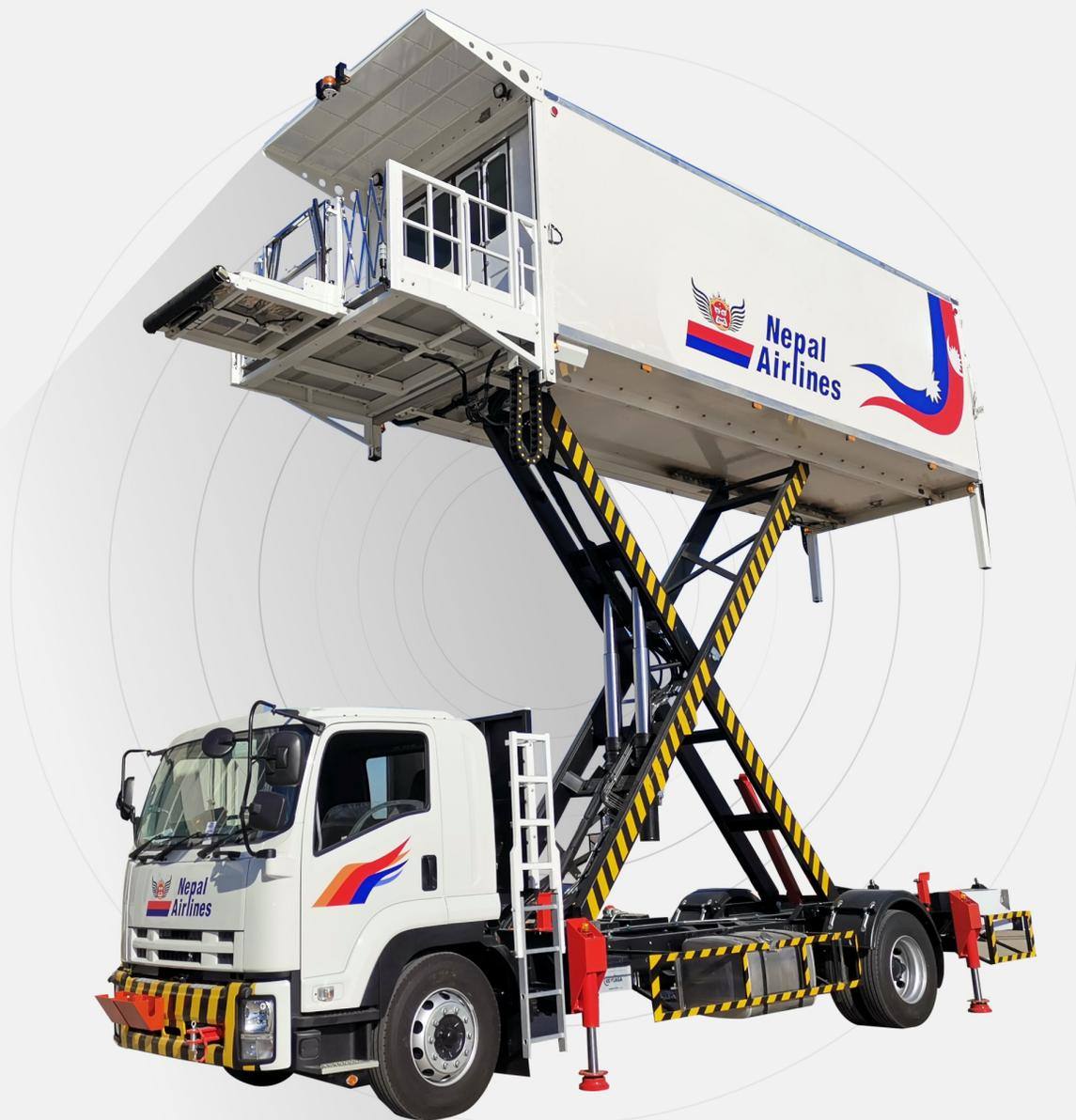
XC-6000e Type Aviation Catering Truck (Fuel Type)
Shenzhen CIMC-TianDa Airport Support Ltd.
WGQY Series Aircraft Tow Tractor-WGQY15, WGQY27
Weihai Guangtai Airport Equipment Co., Ltd.