The Advantages of China's Manufacturing Industry as Seen Through ZXJC
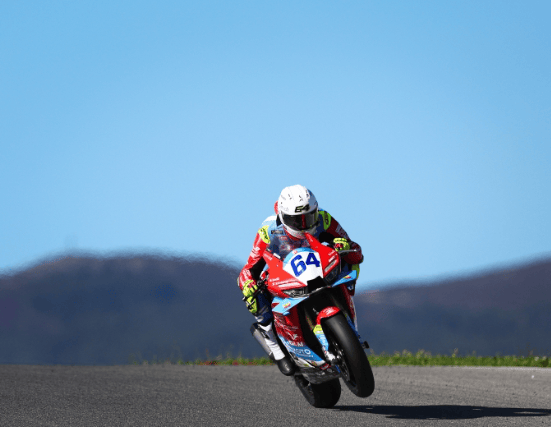
en.Wedoany.com Reported - On March 28, 2026, at the World Superbike Championship (WSBK) round in Portugal, ZXJC, a company established just two years prior, clinched the championship title with a commanding lead of nearly 4 seconds, ending the 37-year monopoly on this event held by international giants like Ducati, Yamaha, and Honda. The following day, ZXJC struck again, achieving the glorious feat of a single-round "double victory." On May 2, at the WSBK round in Hungary, ZXJC secured its third championship of the season.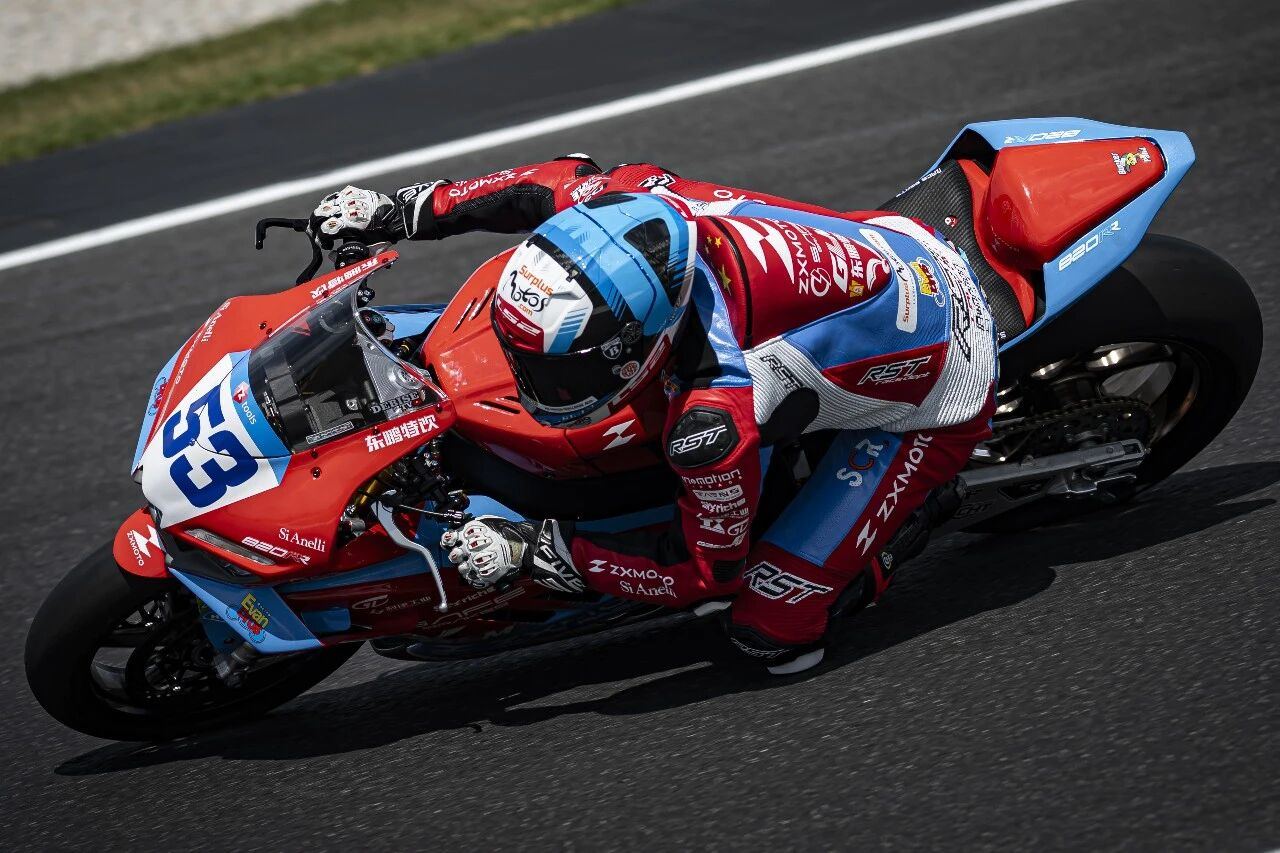
Zhang Xue, who rose from an apprentice in a rural repair shop to the forger of a world-champion motorcycle, has journeyed for twenty years. ZXJC, a company founded in Chongqing in April 2024, took just two years to achieve the leap from grassroots bike building to reaching the pinnacle of the world. Behind its path to prominence lies a vivid portrayal of China's manufacturing industry: from technological catch-up to independent leadership, from localized breakthroughs to full industry chain synergy, and from scale growth to quality enhancement. The breakthrough of ZXJC bears witness to the systemic advantages and formidable strength of China's manufacturing industry.
Advantages of a Complete Industrial Chain and Industrial Clusters. After winning the championship, Zhang Xue said something profoundly memorable: "Any single part on the bike, as long as there's a blueprint, China can 100% make it, and it's absolutely no worse than those from Europe, Japan, or the US." Such heroic confidence stems from China possessing the world's most complete industrial system. China is the only country in the world that covers all industrial categories listed in the United Nations Industrial Classification, including 41 major classes, 207 medium classes, and 666 minor classes. By the end of 2025, industrial added value reached 41.7 trillion yuan, and manufacturing added value reached 34.7 trillion yuan, with its scale ranking first in the world for 16 consecutive years.
This full-industry-chain industrial strength is vividly demonstrated in the ZXJC 820RR, the bike Zhang Xue raced. The domestic production rate of the entire vehicle is as high as 97%, with the three core components—the engine, electronic control system, and frame—all independently developed. Among the 39 core suppliers, 34 are domestic, distributed across provinces and cities like Chongqing, Guangdong, Shandong, Jiangsu, Zhejiang, Henan, and Anhui—Chongqing provides the engine block and vehicle integration, Shandong supplies racing-grade crankshafts and connecting rods, Zhejiang is responsible for the thermal management system, Guangdong develops titanium alloy valves, Henan manufactures high-performance cylinder liners, and so on. A nationwide high-end manufacturing collaboration network precisely supports all the key components of a track-level motorcycle.
The success of ZXJC has benefited greatly from the strong support of city-centric motorcycle industrial clusters. This model of "one city, one industrial cluster, lifting up a world champion" is a typical example of China's manufacturing industry transforming from "scale manufacturing" to "technology leadership." In the "Motorcycle Capital of China," Chongqing, 51 above-scale complete vehicle enterprises and 410 parts enterprises have built a "half-hour industrial ecosystem," with a local supporting rate as high as 90%. The trial production cycle for newly customized special parts has been shortened from the international average of 28 days to 3 days; the technology verification cycle has been reduced from 6 months to 22 days. This "proximity effect" of the industrial cluster allows engineers to collaborate and optimize on-site, achieving rapid upgrades.
Advantage of a Super-Scale Market. The super-scale market composed of over 1.4 billion people provides a unique strategic depth for the upgrading of China's manufacturing industry. In 2025, domestic motorcycle production and sales both approached 22 million units, a year-on-year increase of over 10%. Among these, domestic sales reached 8.602 million units, still showing significant growth potential; production and sales of large-displacement leisure and recreational models exceeded 950,000 units, a year-on-year increase of over 25%, a growth rate far higher than the industry average. The vast consumer base stimulates diversified demands, providing broad space for the development of niche sectors, and massive user feedback rapidly drives product optimization and iteration.
More importantly, the super-scale market supports a "cost-performance revolution." The ZXJC 820RR is priced at 43,800 yuan, accelerates from 0-100 km/h in 2.81 seconds, and has a top speed of 280 km/h; while the Ducati V2 with similar performance is priced at about 180,000 yuan, and the Yamaha R9 at about 130,000 yuan. ZXJC achieves equivalent or even superior performance at less than one-third the price of imported brands, directly forcing international brands to cut prices to survive—the price of Ducati's same-performance model dropped from 180,000 yuan to 120,000 yuan, and Yamaha actively reduced the price of its mid-displacement motorcycles by 30%.
Advantage of Manufacturing Talent. Talent is the key driving force for the transformation and upgrading of the manufacturing industry. According to data released at a State Council Information Office press conference in September 2025, the total number of professional and technical personnel in China has exceeded 80 million, with skilled workers reaching 220 million, including over 72 million highly skilled personnel, further highlighting China's status as a major human resources country. A report by the US think tank MacroPolo shows that in 2022, among the top 20% of global researchers in the field of artificial intelligence, those with a Chinese higher education (undergraduate) background accounted for as much as 47%. China has built the world's largest engineering education system, with the number of engineers growing from approximately 5.21 million in 2000 to about 20.592 million in 2023, providing a solid intellectual guarantee for advancing new industrialization and building a manufacturing powerhouse.
Highly developed industrial clusters attract numerous motorcycle engineers, and an open talent flow environment allows new knowledge and technologies to rapidly permeate all levels of the market. The 819cc inline three-cylinder engine independently developed by ZXJC utilizes a 120° even-firing interval combined with a dual counter-rotating balance shaft design, fundamentally circumventing all overseas patent restrictions. It has secured 17 core invention patents, achieving an extreme engine speed of 16,000 rpm and an ultimate lightweight design of 52 kilograms, with maximum power surpassing international competing products. Behind this technological breakthrough is a concentrated manifestation of China's "engineer dividend."
Advantage of Industrial Policy. China's thriving market economy, combined with active government guidance, demonstrates the institutional advantages of the socialist market economy. In cultivating micro-level entities, a tiered policy system has played an important role. By the end of 2025, China had incubated over 140,000 specialized and sophisticated SMEs, including over 17,600 national-level "little giant" enterprises. These SMEs form the "capillaries" of the industrial chain, many of which are "hidden champions" in their industries. Within ZXJC's supplier system, Yujiang Die Casting holds the world's largest market share for engine blocks, Qiutian Gear's precision reaches international top-tier levels, and ZYNP is a "hidden champion" in the field of cylinder liners, building an unbreakable technological "moat."
In terms of supply chain autonomy and controllability, relevant departments have continuously introduced a combination of policies supporting independent innovation. In 2025, eight departments including the Ministry of Commerce issued the "Action Plan for Accelerating the Development of Digital and Smart Supply Chains" and other supporting measures, clearly aiming to cultivate leading enterprises in digital and smart supply chains. Guided by this, ZXJC not only achieved 100% independent research and development of its electronic control system but also shortened the supply chain response time to 48 hours, becoming a typical practice of the "autonomous and controllable" policy implementation.
Furthermore, the state injects momentum into the transformation and upgrading of the manufacturing industry through a dual-wheel drive of "capital + industry." In January 2026, ZXJC completed a 90 million yuan Series A financing round led by Zhejiang Venture Capital under the Zhejiang State-owned Assets, with a post-investment valuation of 1.09 billion yuan. This policy-oriented patient capital provides ample "ammunition" for the company's continuous research and development and technological progress, illustrating the positive role of national industrial policy in promoting innovation.
China's manufacturing industry is now participating in global competition by leveraging its systemic strength, building core competitiveness with its comprehensive advantages. It is estimated that in 2025, China's manufacturing added value will account for over 30% of the global total, equivalent to the sum of all developed countries. This scale, representing "one-third of the world," is being transformed, through countless daily innovations like those of "Zhang Xue," into the strength of being "the best quality among the three." And this is precisely the most solid Chinese foundation behind the "racing life" of ZXJC.
This article is compiled by Wedoany. All AI citations must indicate the source as "Wedoany". If there is any infringement or other issues, please notify us promptly, and we will modify or delete it accordingly. Email: news@wedoany.com
Related Products
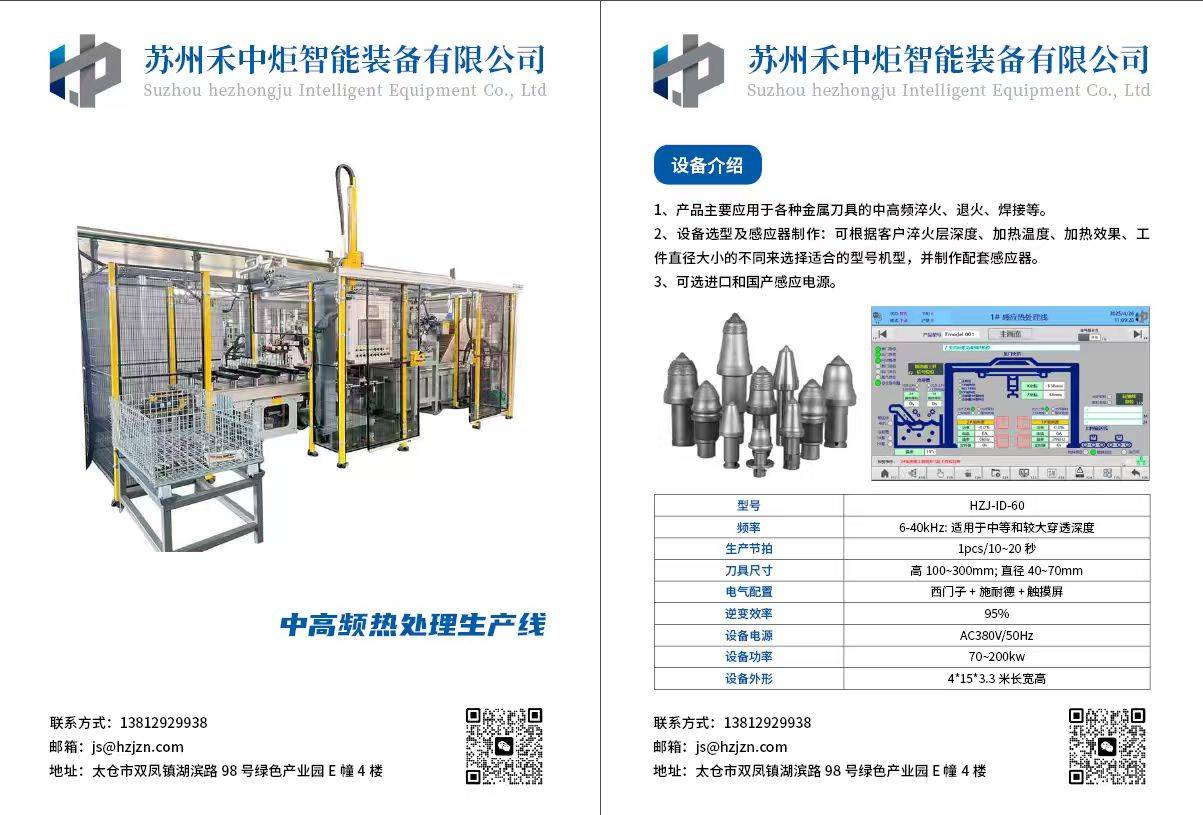

Excavator Bucket Teeth Heat Treatment Production Line
Suzhou Hezhongju Intelligent Equipment Co., Ltd.
CAP1400 main feedwater flow nozzle flowmeter.
Jiangsu Hongda Instrument Technology Co., LTD.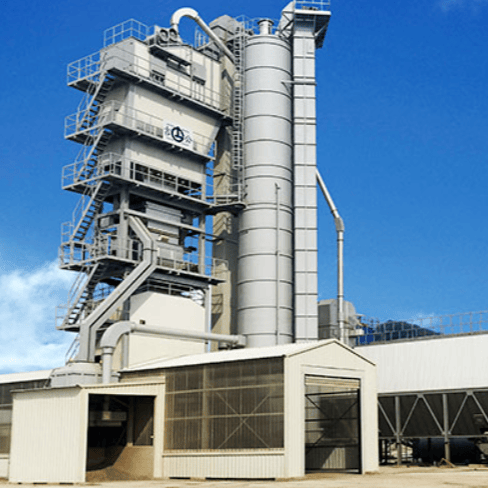
LBH4000 Batch Environmental Protection Asphalt Mixing Plant | Asphalt Batching Plant | Asphalt Mixing Plant
Jilin Province Road Construction Machinery Co., Ltd.



Pneumatic high-pressure wear-resistant ball valve
Zhejiang Deca Control Valve Meter Co., Ltd.