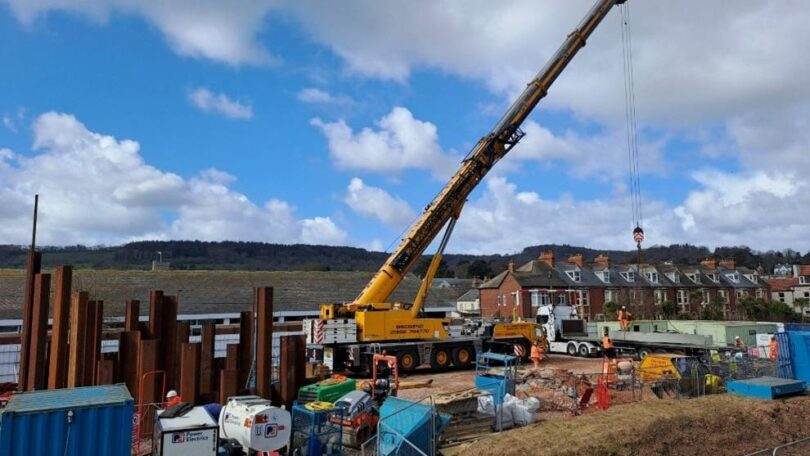
en.Wedoany.com Reported - The Water Resource Recovery Facility (WRRF) in San Luis Obispo, California, has completed its largest upgrade in a century. Originally built in 1920, it was one of the first wastewater treatment plants in California, serving over 47,000 residents and treating an average of about 5 million gallons of wastewater per day. In recent years, the aging facility no longer met the water quality standards set by the California Water Resources Control Board, and its deteriorating condition needed urgent attention. To address this, the local SLOWater Plus upgrade project was launched to replace outdated components with modern technology and reduce industrial odors.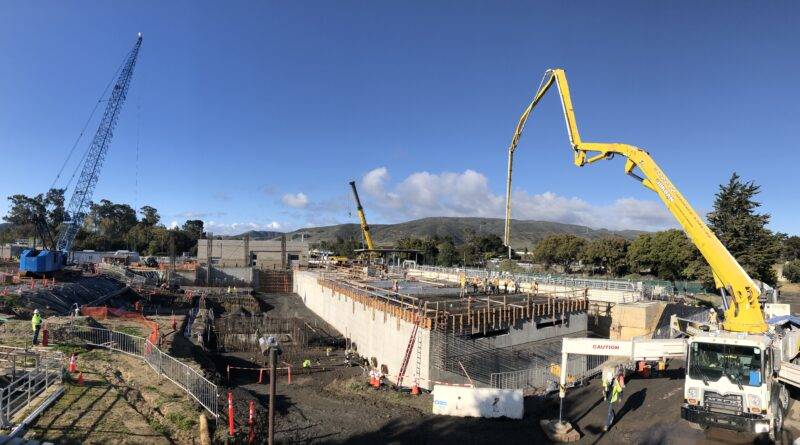
The upgrade project was proposed in 2015, began construction in 2019, and was completed in 2025, making it the largest capital improvement project in the city's history. The new system utilizes a bioreactor process combined with ultrafiltration membrane technology, capable of filtering solids and microorganisms between 0.01 and 0.1 microns, producing high-quality effluent used for stream replenishment and non-potable purposes. Meanwhile, the plant-wide odor control network was enhanced, improving air quality for the surrounding community. The existing equalization basin was expanded to a 9.5-million-gallon storm surge storage capacity, enhancing reliability during heavy rain events. "By adopting a modern treatment system, the new facility uses 80% fewer chemicals than the old one," said WRRF Supervisor Patrick McGrath. The project received the 2025 "Outstanding Water/Wastewater Treatment Project Award" from the American Society of Civil Engineers.
The total project investment was $140 million, advanced through a partnership between the City of San Luis Obispo and the California Water Resources Control Board. Water Systems Consulting, Inc. managed the project, Jacobs Engineering led the design, and PCL Construction carried out the five-year construction starting in 2019. A major challenge was building the new facility on the century-old, unchanged site and connecting over 300 tie-in points between the old and new systems without interrupting service. "With underground infrastructure over a century old and varying accuracy in construction records from multiple projects, building the new system and connecting it across the plant site without service disruption was a significant challenge," McGrath said.
Community support for the project was strong, as it employed a Community Workforce Agreement prioritizing local workers. The agreement aimed for 30% of the workforce to come from nearby areas, but the final actual proportion reached 80%, with nearly half from San Luis Obispo County. The site also completed over 10,000 hours of apprenticeship training, helping to cultivate a new generation of skilled workers for the Central Coast region. "This project provides a flexible and adaptable system for future generations and community needs," McGrath said.
This article is compiled by Wedoany. All AI citations must indicate the source as "Wedoany". If there is any infringement or other issues, please notify us promptly, and we will modify or delete it accordingly. Email: news@wedoany.com