In 2025, China's Unitree Technology Leads in Humanoid Robot Shipments as the Industry Moves Toward Mass Production
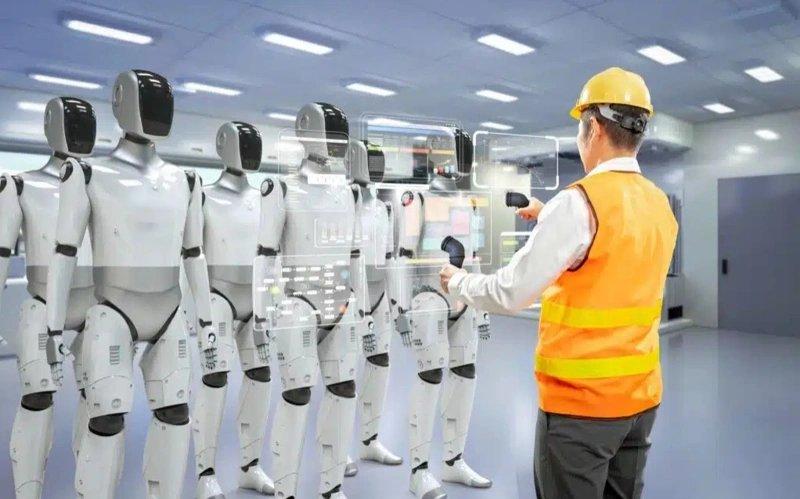
en.Wedoany.com Reported - The humanoid robot industry achieved a critical leap in 2025, transitioning from the technology verification phase into a new stage of initial commercialization and scaled mass production. A report released by New Strategy Consulting shows that in 2025, China's humanoid robot shipments reached approximately 20,000 units, with a broad market size of about 9 billion yuan, as the pricing system and product stratification gradually became clearer. A report from Wanlian Securities points out that 2026 will become a "critical window period" for mass production implementation and scenario validation. Leading overseas companies like Tesla and Figure AI, along with domestic frontrunners such as Unitree Technology and Agibot, have increasingly clear mass production timelines, with capacity planning advancing from thousands to tens of thousands of units. The core industry contradiction has shifted from whether they can be manufactured to how to achieve efficient, low-cost, scaled delivery.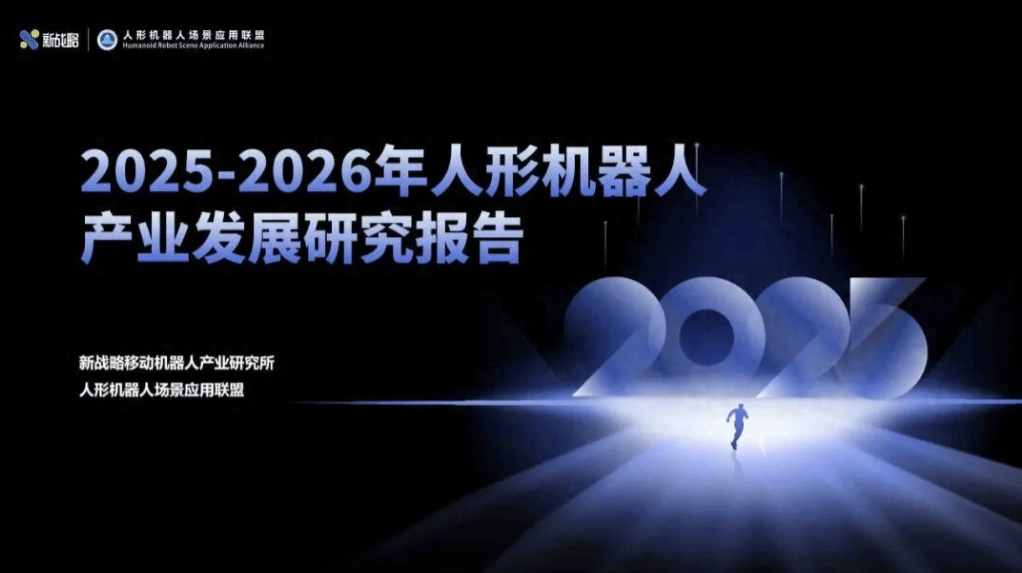
Data on the global shipment share of humanoid robot companies in 2025 shows Unitree Technology leading with 5,500 units, accounting for 25%, followed by Agibot with 5,168 units, accounting for 24%. The dual drivers of capital and policy have injected strong momentum into the industry. In 2025, there were over 200 financing events in the humanoid robot sector, with a total amount exceeding 50 billion yuan. Capital is shifting from "paying for blueprints" to "paying for mass production and commercial closed loops," with a clear head concentration effect. At the national level, "embodied intelligence" was written into the government work report, and regions like Beijing, Guangdong, and Ningbo have introduced trillion-yuan-level industrial support policies, creating a positive feedback loop of policy dividends. As more mass production plans materialize and AI technology continues to break through in 2026, humanoid robots are expected to move from pilot validation to scaled implementation, accelerating the formation of a trillion-yuan-level industrial track.
Application implementation is showing a gradient penetration pattern. The industrial manufacturing sector (automotive, 3C, logistics), due to its highly structured scenarios and clear economic benefits of replacing human labor, has become the primary battleground and starting point for training data. Data from New Strategy Consulting indicates that while the industrial logistics scenario is smaller in scale, it commands the highest unit price, and the service sector holds the highest proportion. Companies like UBTECH and Agibot have already achieved deliveries of hundreds to thousands of units in industrial scenarios. Commercial service and special operation scenarios (exhibition interaction, data collection, government procurement) are growing rapidly, driven by policy promotion and the demand for cost reduction and efficiency improvement. The home service scenario, with the highest technical complexity and generalization requirements, is viewed as the ultimate goal. Early commercial exploration is currently underway through product launches and pre-sales of models like Figure 03 and NEO Gamma.
At the industry chain level, the synergistic development of hardware and software forms a dual-wheel drive. On the hardware side, the domestic substitution and cost control of core components (especially precision reducers) are prerequisites for mass production. The Wanlian Securities report estimates that by 2030, humanoid robots could bring an incremental market of 12.6 billion to 28.8 billion yuan for precision reducers. Domestic manufacturers like Leaderdrive are approaching international advanced levels in the field of harmonic reducers. On the software side, AI large models are seen as the "soul" for unlocking the potential of humanoid robots. Current software algorithms, particularly motion control and generalized decision-making capabilities, are the key bottlenecks restricting industry development. From Google's RT-2 and Figure AI's self-developed Helix VLA large model to Unitree's open-source models, the industry is actively exploring end-to-end solutions from perception to action. The iteration speed of large models will directly determine the progress of humanoid robots' transformation from "machines executing preset programs" to "intelligent agents that understand and adapt to their environment."
The market in 2025 exhibited a clear characteristic: a significant drop in prices became the key to unlocking large-scale application. The New Strategy Consulting report notes that the price of high-spec, full-size bipedal models fell from the 600,000 to 1 million yuan range in 2024 to 400,000 to 800,000 yuan; the decline was more pronounced for wheeled chassis and small-to-medium-sized models, with some product prices falling below 100,000 yuan. Wanlian Securities summarizes this trend as a "price revolution," believing that the cost advantage driven by companies like Unitree Technology has lowered the procurement threshold for B-end customers and spurred the emergence of the C-end market. Behind this phenomenon, China's comprehensive supply chain system, from motors and reducers to complete machine integration, has built a global competitive advantage in cost control and delivery capability. This is also the fundamental driving force behind the export of approximately 30% of humanoid robot products to overseas markets in 2025.
This article is compiled by Wedoany. All AI citations must indicate the source as "Wedoany". If there is any infringement or other issues, please notify us promptly, and we will modify or delete it accordingly. Email: news@wedoany.com
Related Products


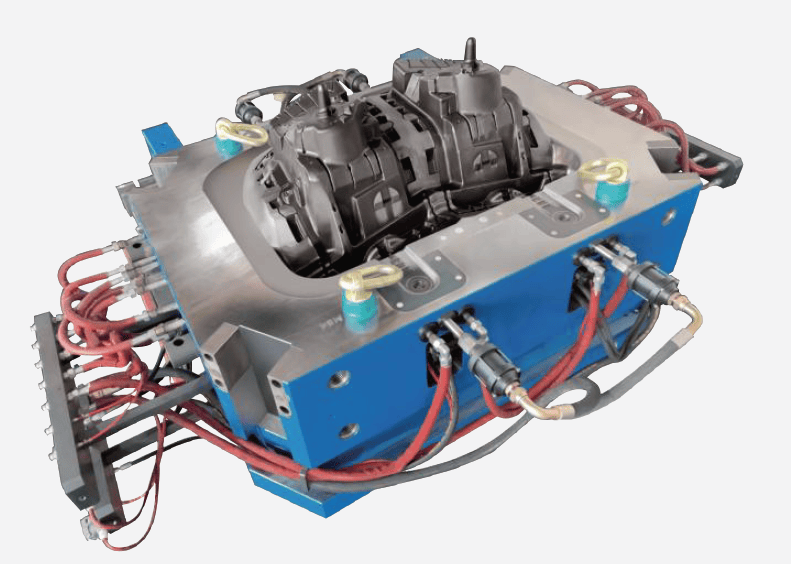
Aluminum-Magnesium Alloy High-Pressure Die-Casting Molds
NINGBO HELI TECHNOLOGY CO., LTD.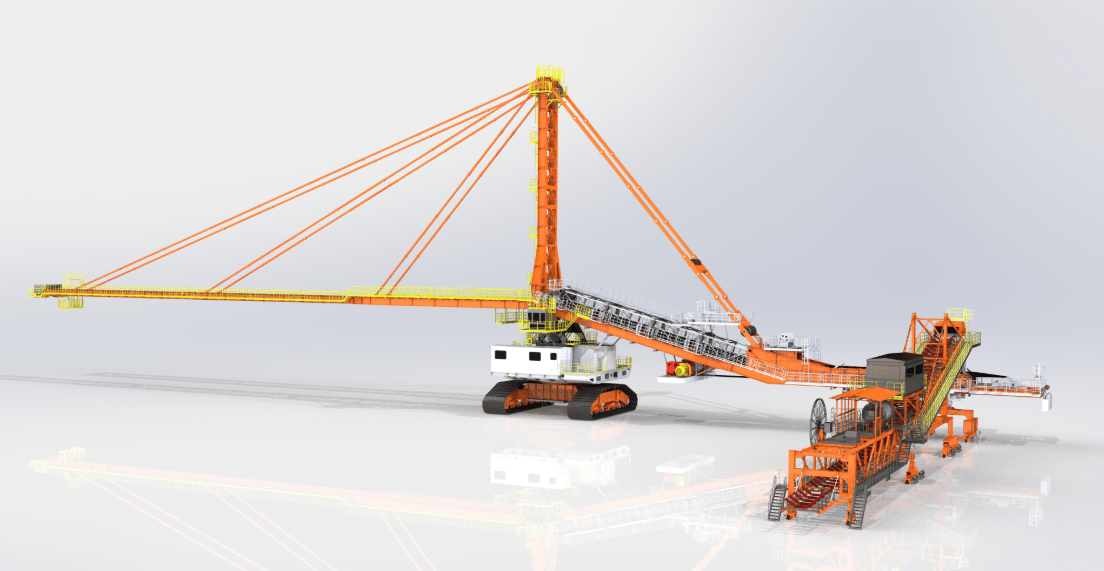
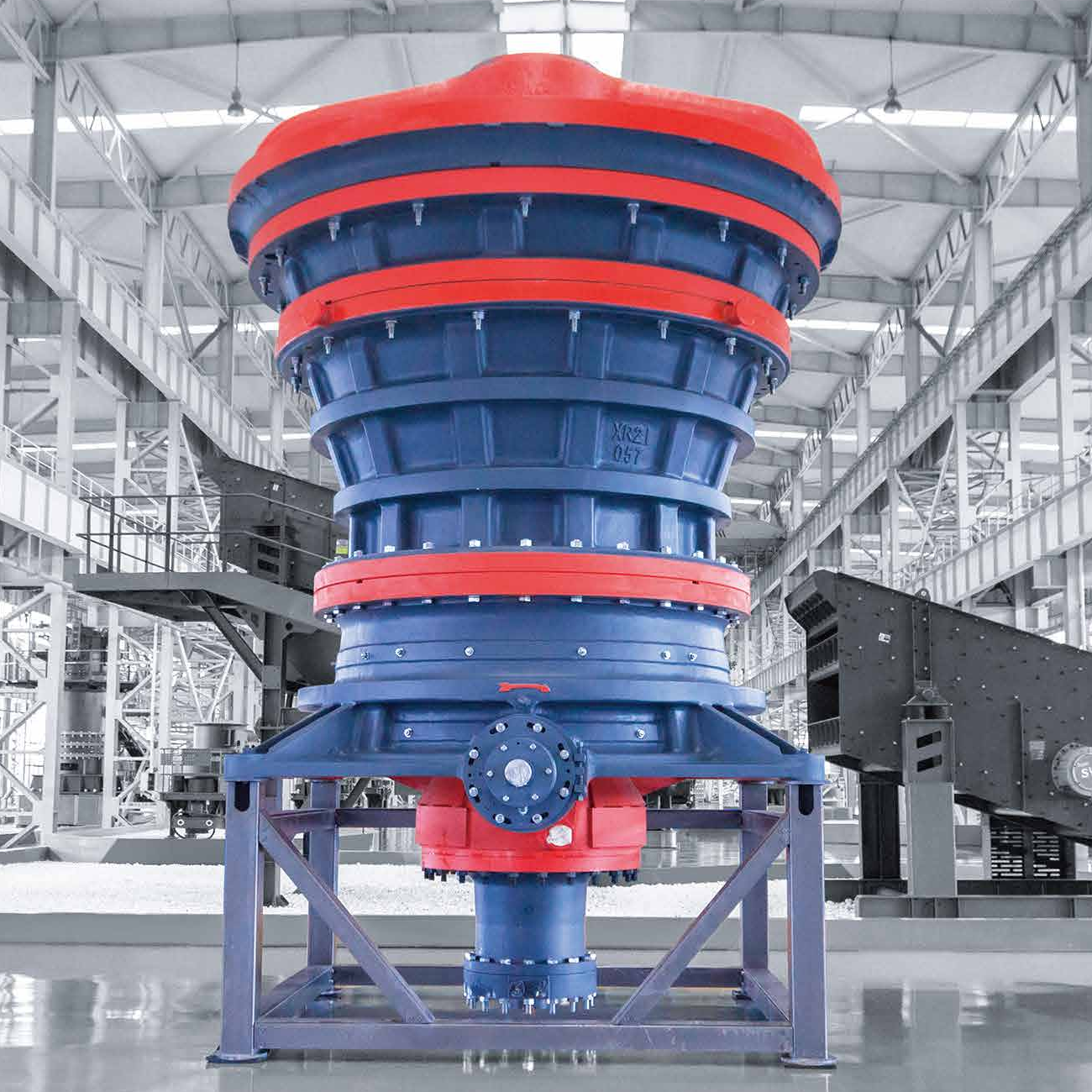
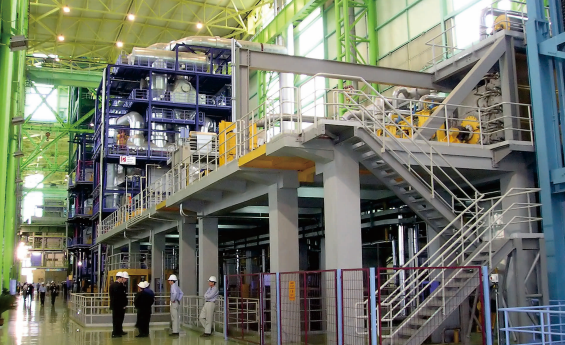
Strip Coating and Plating Production Line Equipment
MCC-SFRE HEAVY INDUSTRY EQUIPMENT CO., LTD.
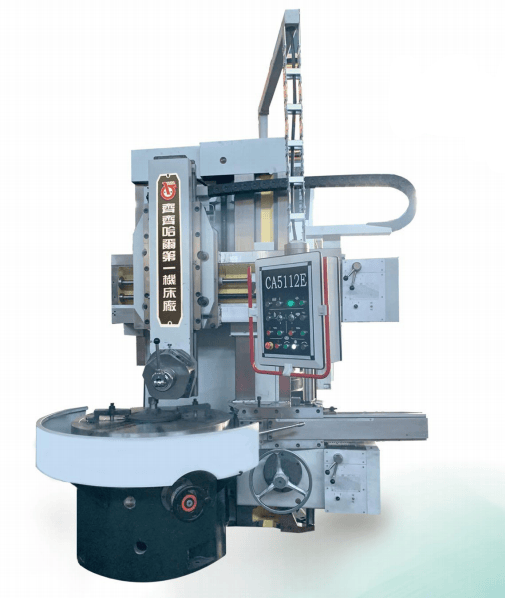
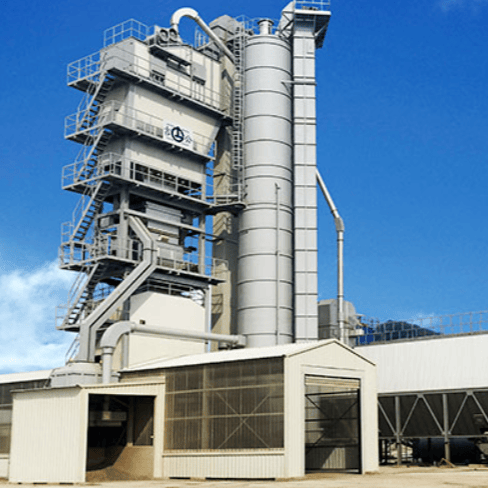
LBH4000 Batch Environmental Protection Asphalt Mixing Plant | Asphalt Batching Plant | Asphalt Mixing Plant
Jilin Province Road Construction Machinery Co., Ltd.
CAP1400 main feedwater flow nozzle flowmeter.
Jiangsu Hongda Instrument Technology Co., LTD.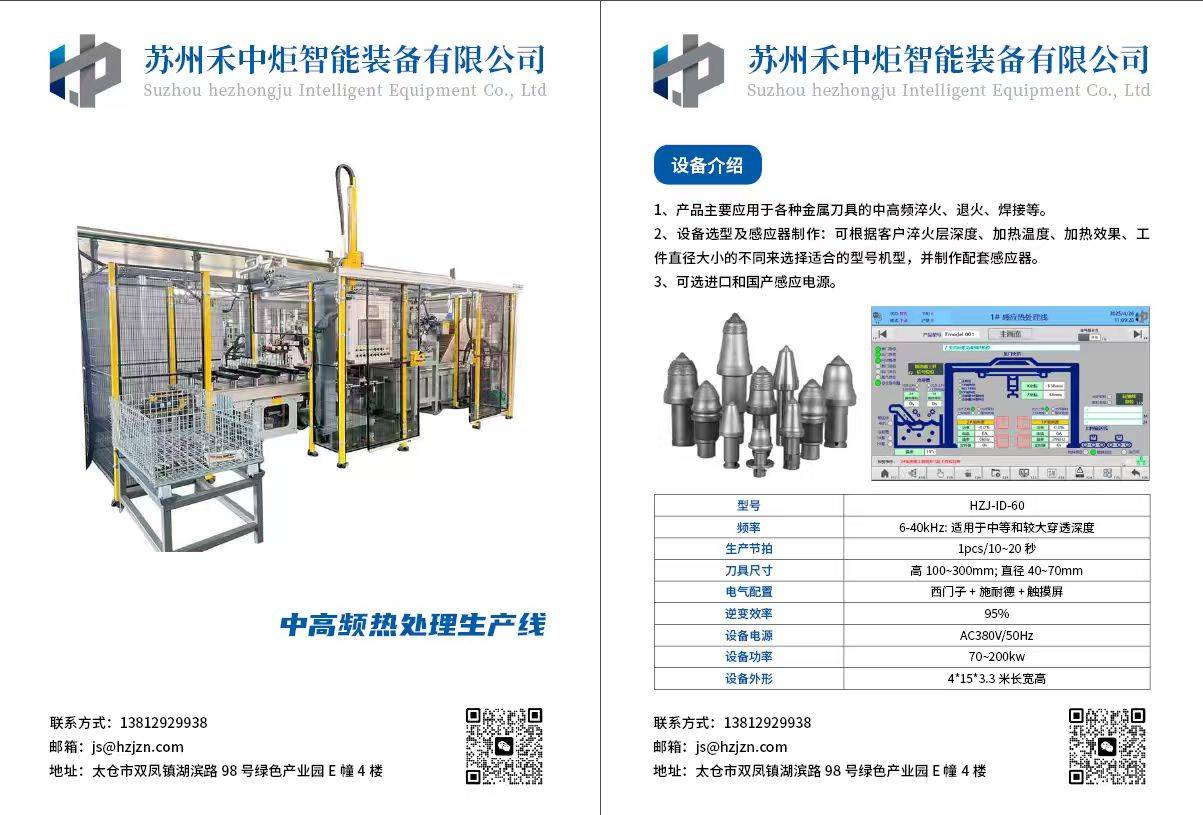
Excavator Bucket Teeth Heat Treatment Production Line
Suzhou Hezhongju Intelligent Equipment Co., Ltd.