California's Canal Solar Canopy Project "Project Nexus" Completed, Providing 1.6 MW of Power
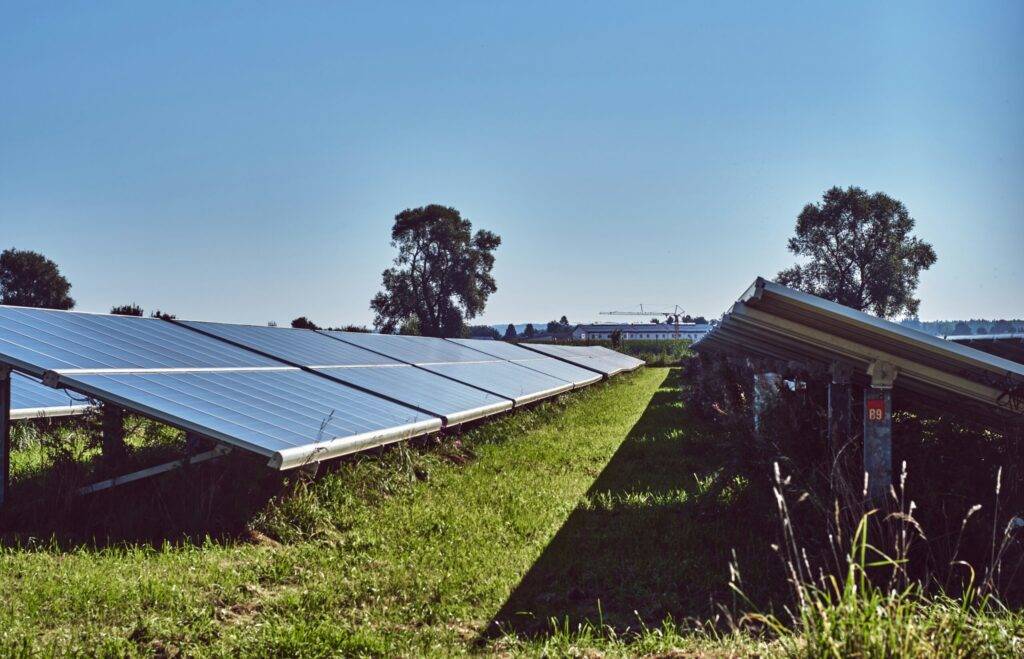
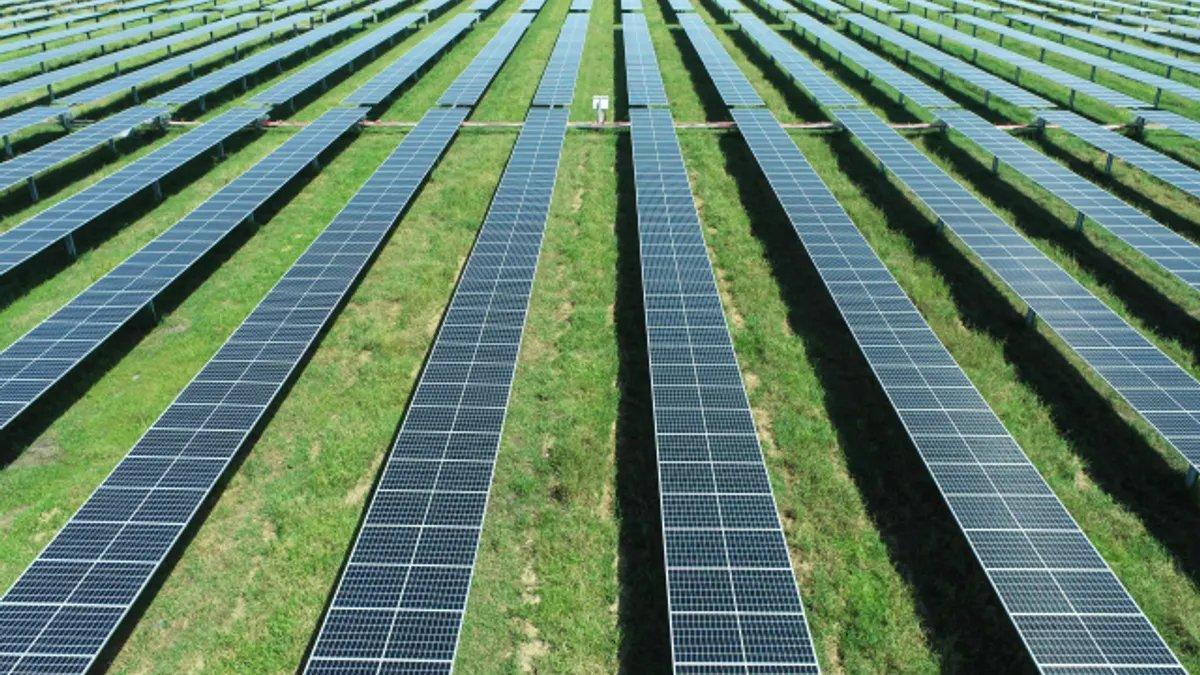
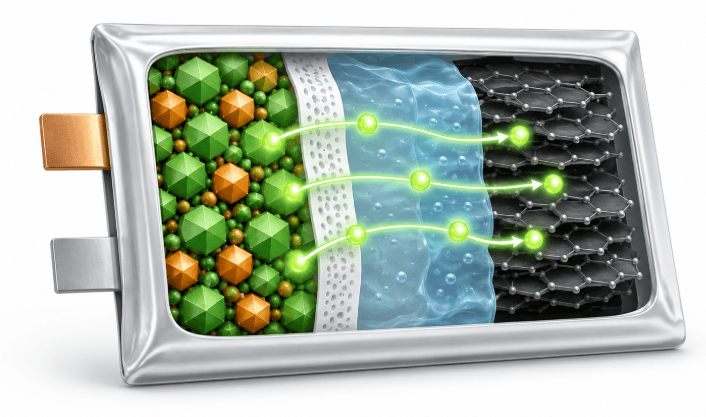
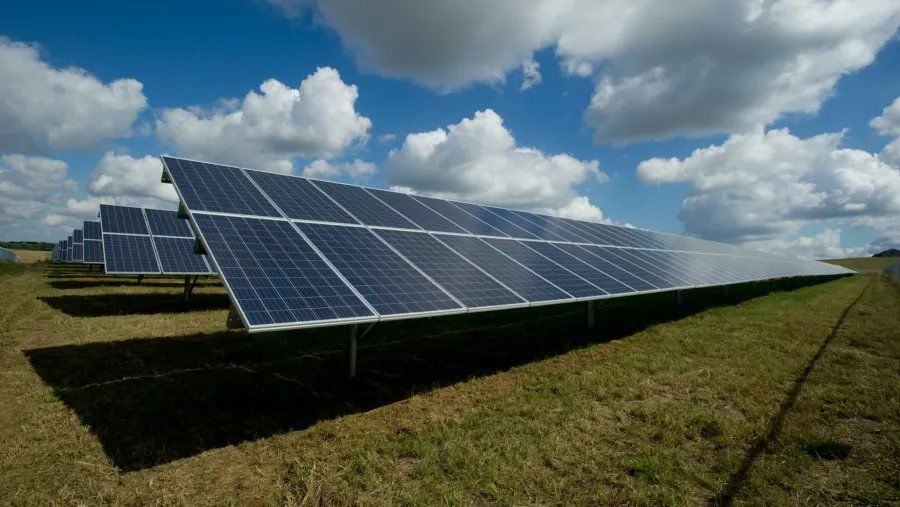
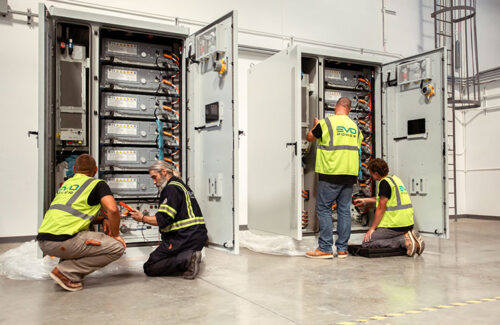
en.Wedoany.com Reported - A first-of-its-kind pilot project to build solar canopies over irrigation canals in California has completed construction. Project Nexus provides 1.6 MW of renewable power across multiple canal sections in the Turlock Irrigation District (TID), and the system also includes a 75 kW iron flow battery energy storage system. While generating power, Project Nexus also delivers the dual benefits of reducing water evaporation and minimizing land use footprint.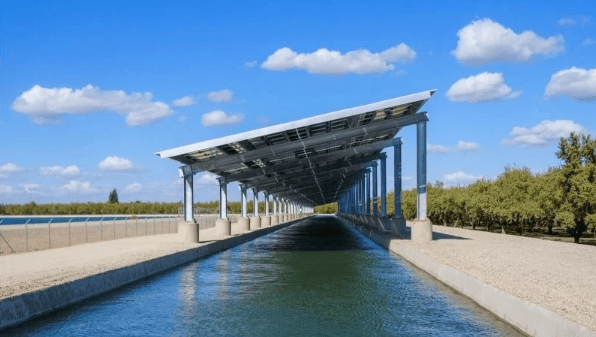
The $20 million Project Nexus was developed through a public-private partnership among the California Department of Water Resources, Turlock Irrigation District, Solar AquaGrid, and the University of California, Merced. The project aims to help California manage its water resources more effectively while expanding clean energy production. A 2021 study by the University of California, Merced noted that covering all 4,000 miles of California's irrigation canals with solar panels could save the state significant amounts of water, energy, and costs. Against the backdrop of hotter, drier weather facing California, the initiative's potential to reduce evaporation losses before water reaches end-users is particularly prominent.
Project Nexus broke ground in 2022, was completed in September 2025, and officially launched in April of that year. The ongoing project will measure clean energy generation and the amount of water saved through reduced evaporation. It will also assess whether water quality improves and if the canal covers lower maintenance costs, including reductions in the millions of dollars spent annually on limiting vegetation growth. Although the state provided the initial investment, TID will be responsible for ongoing project operations and maintenance.
In terms of comprehensive environmental benefits, the UC Merced study also indicated the project could save 63 billion gallons of water annually and generate 13 GW of power. After a full irrigation season, preliminary results appear consistent with the study's findings. Canal sections covered by photovoltaics saw a 50-70% reduction in evaporation and an 85% reduction in algae growth. The reduction in algae is a significant operational benefit, as it lowers canal maintenance needs and associated costs.
Installing solar arrays over canals rather than on land offers important land-use benefits. By utilizing existing infrastructure corridors, the project avoids converting agricultural or undeveloped land for energy production. This approach is particularly valuable in California, where competition for land among agriculture, development, conservation, and renewable energy projects is intensifying.
Project Nexus created opportunities to test multiple design configurations, including large-span structures over wide canals, smaller systems over narrow canals, and even vertical and retractable prototypes. Evaluating various options helps assess system adaptability under different hydraulic and structural conditions. Scaling the project is critical for the long-term benefits demonstrated so far and predicted by the UC Merced research. TID continues to seek ways to provide adequate power for its customer base while meeting California's renewable energy targets, which require 60% of the state's electricity to come from renewable sources by 2030 and a 100% carbon-free power sector by 2045.
This article is compiled by Wedoany. All AI citations must indicate the source as "Wedoany". If there is any infringement or other issues, please notify us promptly, and we will modify or delete it accordingly. Email: news@wedoany.com
Related Products
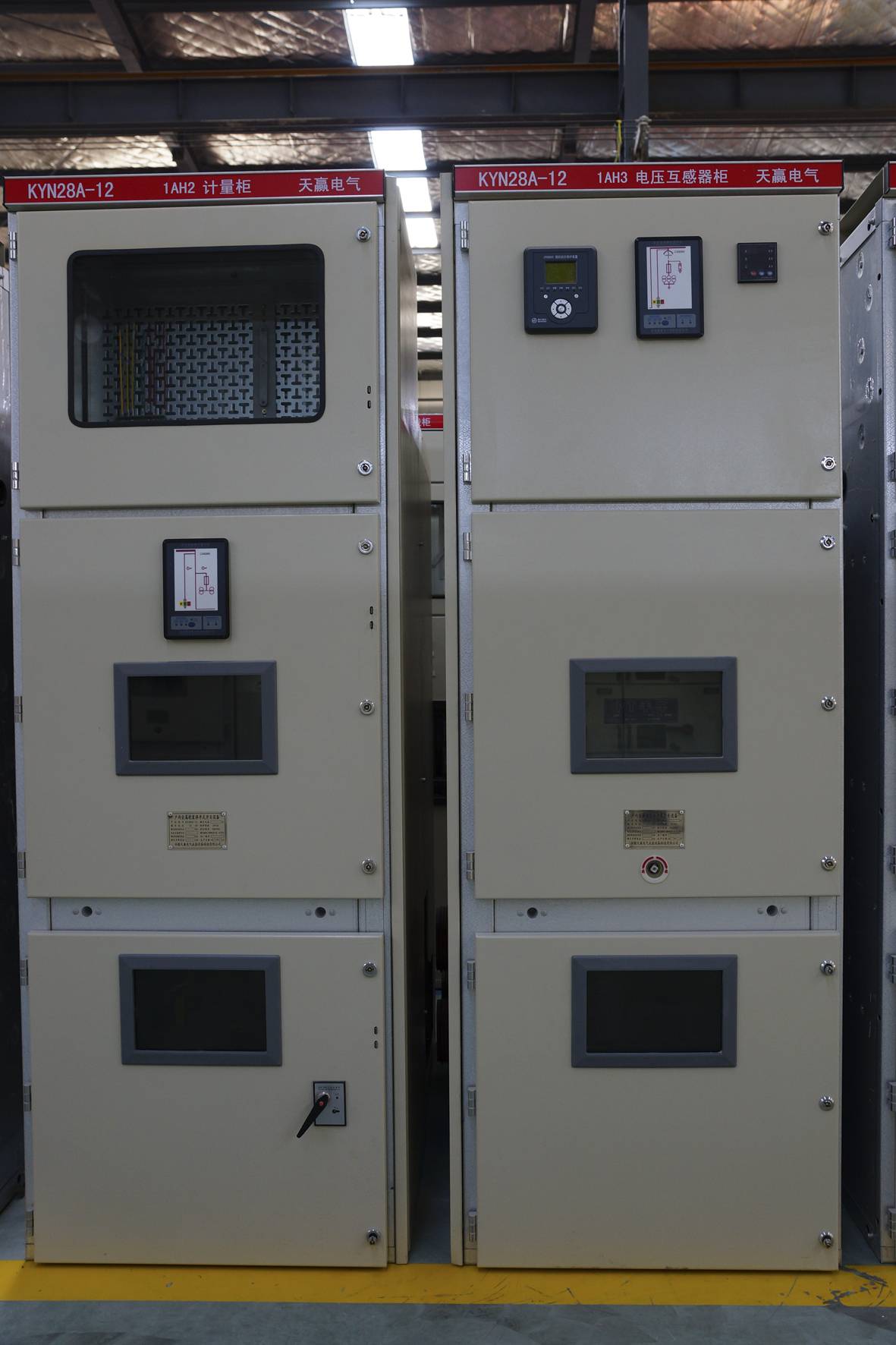

KYN28 - High Voltage Switchgear
Anhui Tianying Electrical Equipment Manufacturing Co., Ltd.



Pneumatic high-pressure wear-resistant ball valve
Zhejiang Deca Control Valve Meter Co., Ltd.
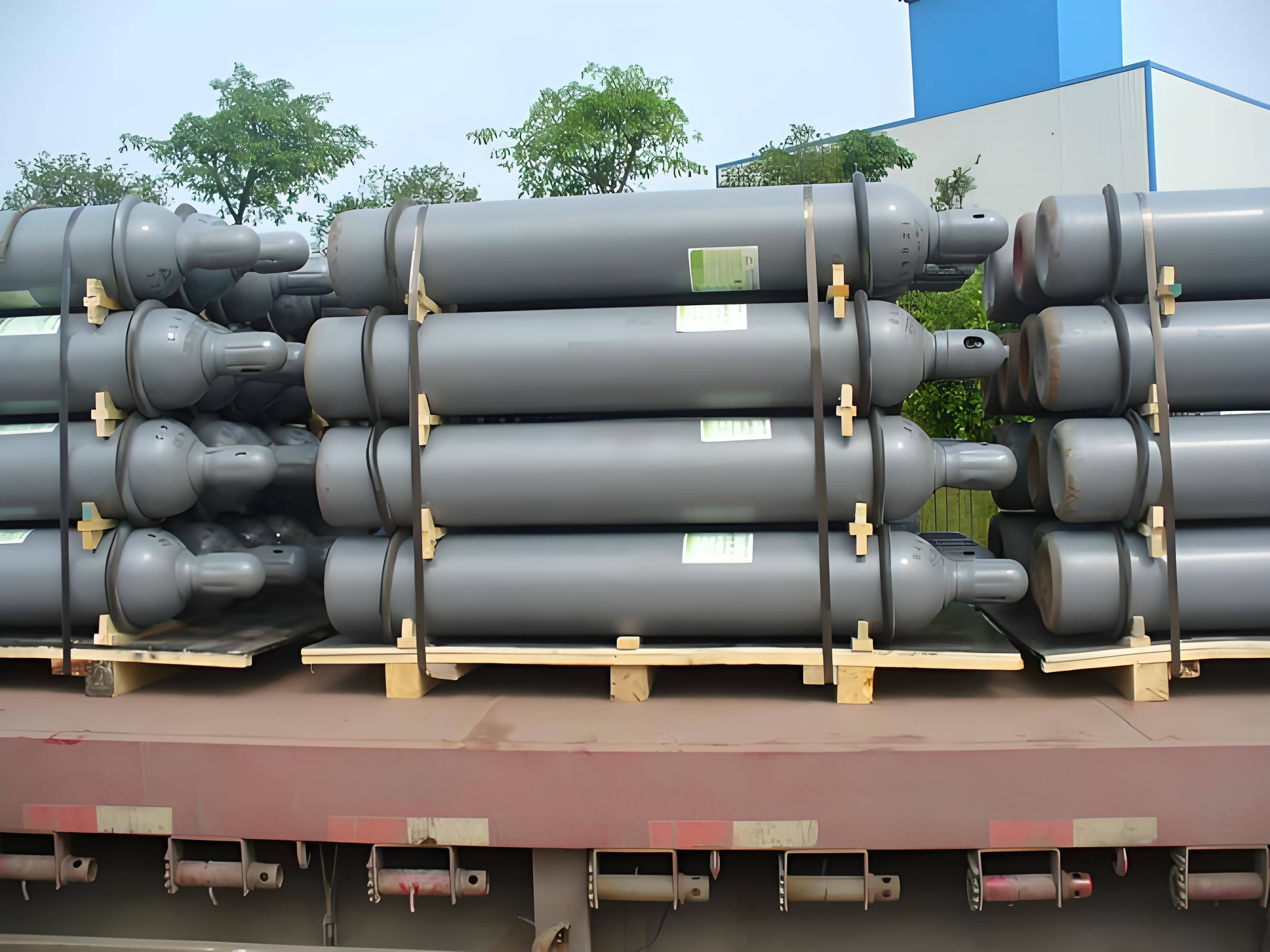
Global Sulfur Hexafluoride Gas Supply and Cylinder Export
Foshan Yuexin Industrial Gas Co., Ltd.