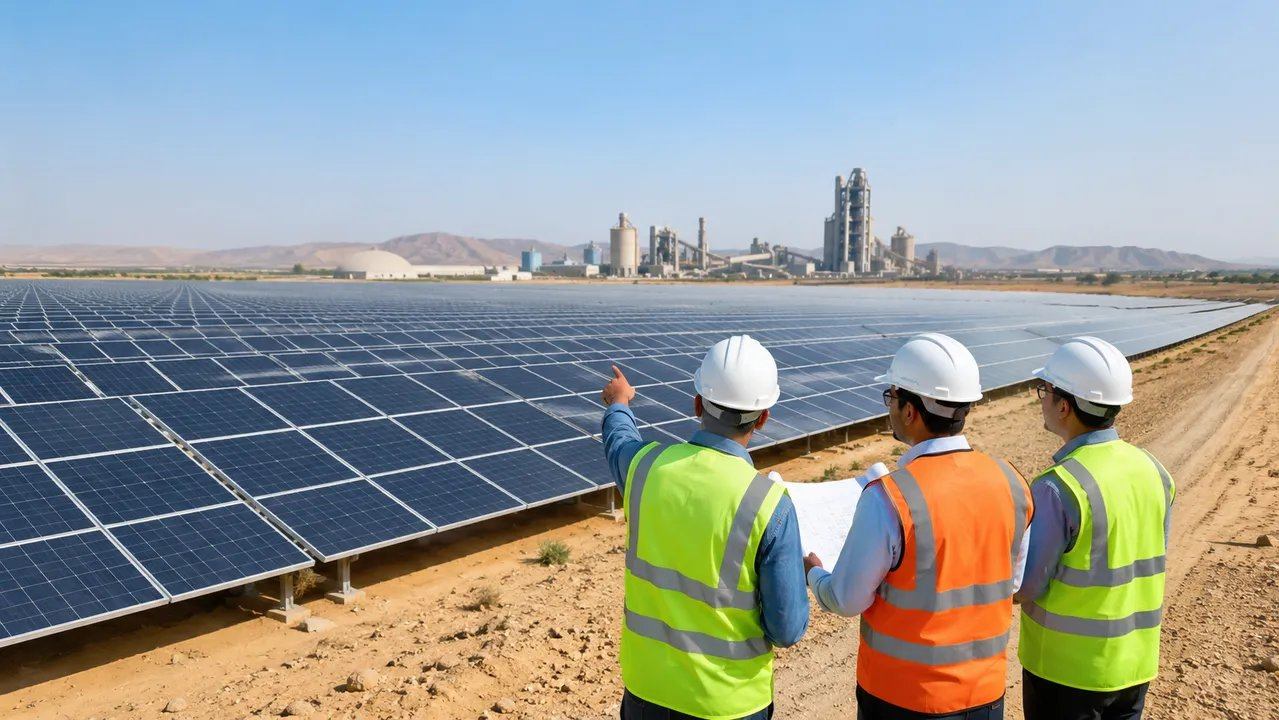
Sahaj Solar and Joint Venture Partner to Build 750 MW Module Factory in the UAE
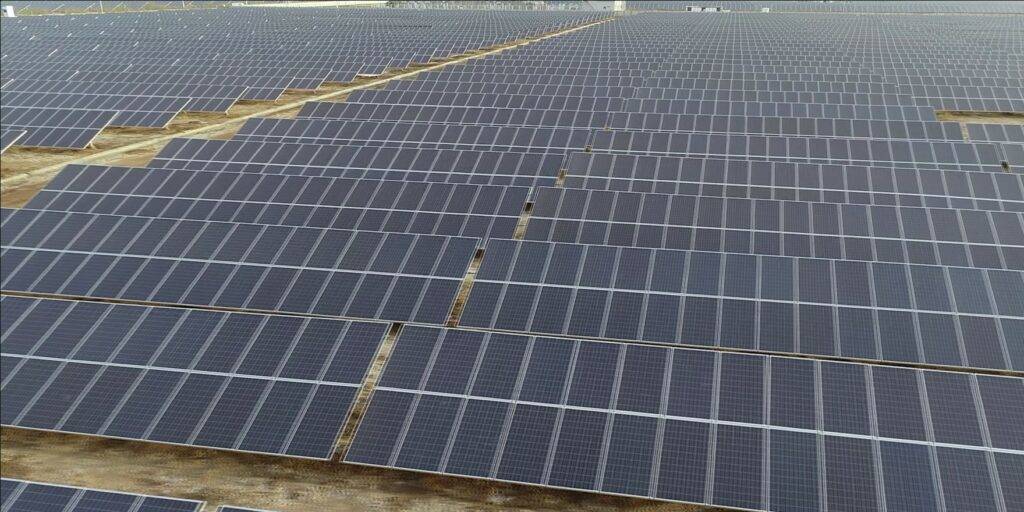
en.Wedoany.com Reported - Indian solar PV product manufacturer Sahaj Solar has formed a joint venture with UAE-based Clarion Investments LLC to build a solar PV module factory with an annual capacity of 750 MW in the UAE. The move aims to meet the region's growing PV demand and reduce reliance on imported supply by dispersing manufacturing closer to end-project locations.
The collaboration reflects the accelerating pace of solar project construction in the Gulf region and developers' increasing preference for shorter lead times, reduced transportation risks, and clearer batch traceability for module quality and warranty support. Although the factory's output falls short of "gigafactory" status on a global scale, it can supply modules for multiple utility-scale or commercial projects annually. Key project focus areas include quality control, certification, bankability, and the ability to produce stable output and yield rates.
Sahaj Solar's UAE joint venture has multiple implications for regional PV module supply and lead times. The increase in regional manufacturing capacity means a 750 MW/year module production line can absorb a portion of the Gulf region's recent PV tender volumes, thereby reducing the need to procure modules from overseas manufacturers. By producing modules locally or regionally, developers can move away from lengthy sea freight cycles combined with customs and port dwell times, shifting to shorter, more controllable logistics arrangements. Local production typically supports staggered deliveries linked to engineering, procurement, and construction milestones, helping EPC companies plan around module availability during critical installation windows.
Once the joint venture is operational as planned, it can lower exposure to global module allocation fluctuations, tariffs and customs clearance times, and shipping disruptions that often affect overseas supply. Regional manufacturing generally improves lot-level documentation and traceability, including information such as factory, production line, and production date, which helps strengthen warranty management and lender confidence compared to spot market or mixed-origin deliveries. A defined annual capacity enables longer-term supply agreements and more stable output, which is crucial for utility-scale procurement planning. Producing closer to the end-user reduces the risk of in-transit damage, lowers the likelihood of missed delivery windows, and eases working capital pressure from waiting for imported inventory. Even without reaching global scale, the additional UAE supply can tighten regional market looseness, potentially encouraging non-joint venture suppliers to improve delivery terms.
Key observation points that will determine whether lead times truly improve include: certification readiness and the timing of product certifications; procurement of key upstream components and the stability of the cell and module supply chain; maturity of the quality system, covering process control, EL/IV testing standards, and defect rates; the ability to maintain stable output under actual conditions, i.e., yield performance and product reliability; and commercial execution, specifically the coordination of fixed delivery schedules with production variations during the capacity ramp-up phase. In the initial stage, lead times may not immediately drop to "domestic inventory" levels; the most significant improvements typically occur after capacity stabilizes and procurement agreements lock in allocations.
This article is compiled by Wedoany. All AI citations must indicate the source as "Wedoany". If there is any infringement or other issues, please notify us promptly, and we will modify or delete it accordingly. Email: news@wedoany.com
Related Products

Forest and Grassland Heat Source Infrared Monitor
China Huayun Meteorological Technology Group Co., Ltd.
220kV and Below Voltage Level Energy-saving Oil-immersed Power Transformers
FuZhou TianYu Electric Co., Ltd.

Hydraulic Turbine Genset
Dongfang Electric Corporation Dongfang Electric Machinery Co., Ltd.
Ultrasonic Wind Speed and Direction Instrument
Kingmach Measurement & Monitoring Technology Co., Ltd.
40.5kV-1100kV Gas Insulated Metal-Enclosed Switchgear (GIS)
Henan Pinggao Electric Co., Ltd.