Brazil's Feimec 2026 Exhibition Spotlights a New Phase of Industrial Automation
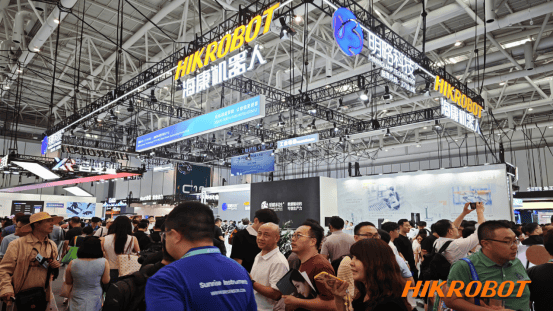
en.Wedoany.com Reported - The Feimec 2026 exhibition was recently held, bringing together over 70,000 visitors and more than 1,100 exhibiting brands, revealing a significant shift in how Brazilian industry interacts with automation. The most prominent questions at the show are no longer simply about understanding the technology or watching visually striking demonstrations, but have shifted to how to program it, how long implementation takes, which processes the solutions can be applied to, and what kind of benefits they can bring to operations. This trend reflects the current stage of industry development, characterized by a growing pursuit of productivity, efficiency, and modernization. 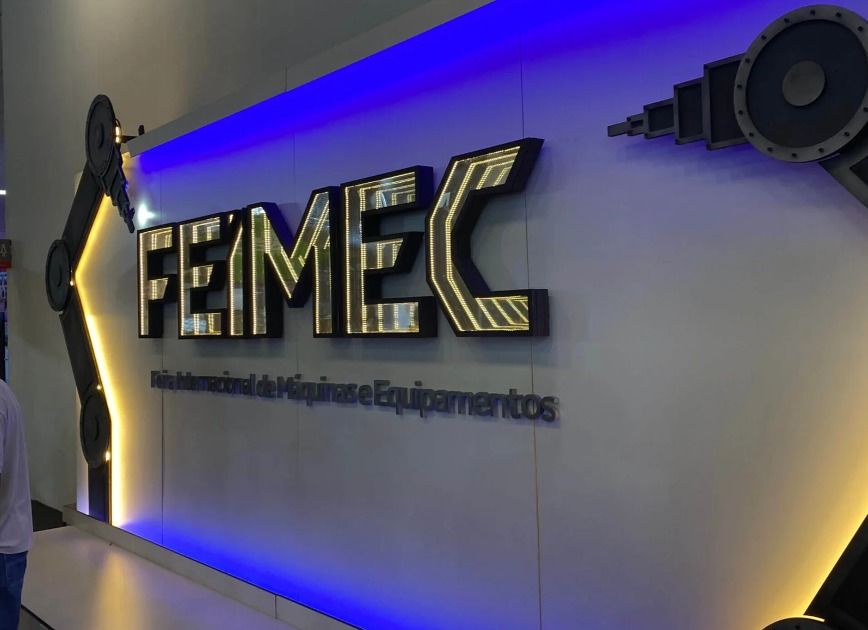
The official agenda of the exhibition highlighted themes such as advanced automation, collaborative robots, artificial intelligence in manufacturing, digital twins, and intralogistics, indicating that the discussion on industrial transformation has moved from the periphery to the center of the competitive agenda. According to data from the National Confederation of Industry (CNI), 56% of Brazilian industrial companies plan to invest in 2026, with 31% of that investment corresponding to new projects. This context helps explain why interest is shifting towards concrete implementation details.
Collaborative robots became one of the most closely watched technologies at the exhibition. The discussion has moved from distant promises to being grounded in specific applications, particularly in handling and welding activities. In a production environment demanding greater flexibility, smaller batches, rapid adaptation, and safe human-machine collaboration, the ability to achieve automation without completely redesigning the factory is increasingly valuable. Data from the International Federation of Robotics (IFR) shows that collaborative robots accounted for 10.5% of global industrial robot installations in 2023, reflecting their role in providing a more accessible entry point for companies seeking flexible automation.
Autonomous mobile technology also stood out as a highlight. The interest in Autonomous Mobile Robots (AMRs) and other intralogistics solutions indicates that automation is no longer confined within production cells but is expanding to encompass the logistics logic of the entire factory. Industrial efficiency increasingly depends on how materials, parts, and information flow between process steps. This broadening of perspective shows that the discussion is no longer limited to replacing manual tasks, but is about integrating complete operational workflows.
Collaborative robots, autonomous mobile systems, smart sensors, additive manufacturing, and automation cells can only realize their true potential when connected to well-defined processes, trained teams, and clear business objectives. The main message conveyed by Feimec 2026 is that the advancement of industrial automation has become more discerning: the industry not only wants to automate more, but wants to automate better—understanding where technology generates real value, how it connects to operational challenges, and how it contributes to more efficient, safer, and more competitive production.
This article is compiled by Wedoany. All AI citations must indicate the source as "Wedoany". If there is any infringement or other issues, please notify us promptly, and we will modify or delete it accordingly. Email: news@wedoany.com
Related Products
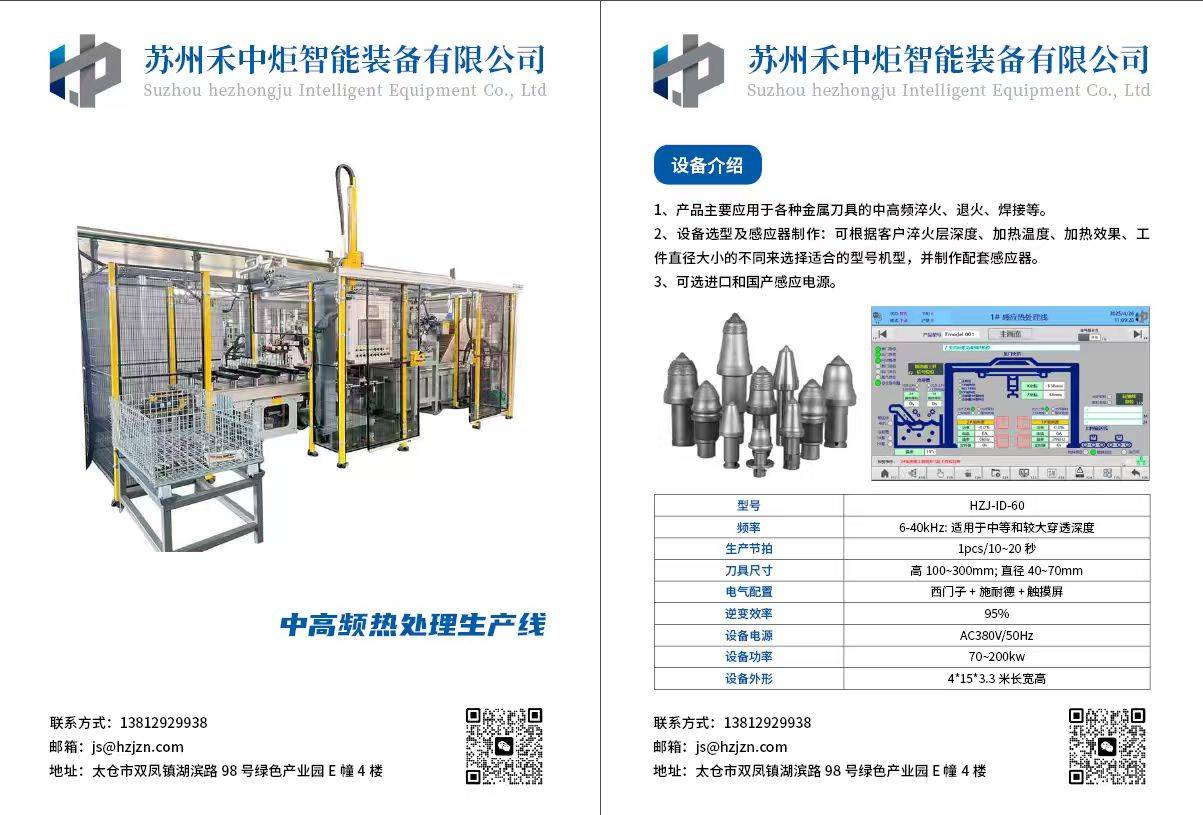

Excavator Bucket Teeth Heat Treatment Production Line
Suzhou Hezhongju Intelligent Equipment Co., Ltd.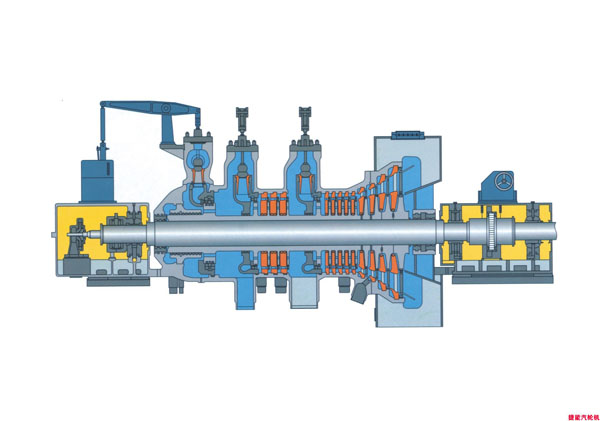
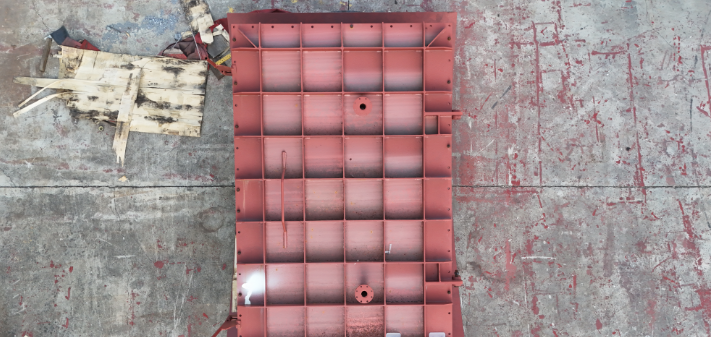
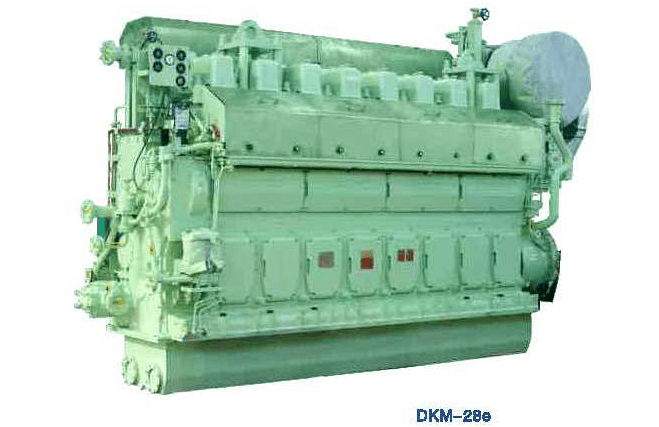


CAP1400 main feedwater flow nozzle flowmeter.
Jiangsu Hongda Instrument Technology Co., LTD.
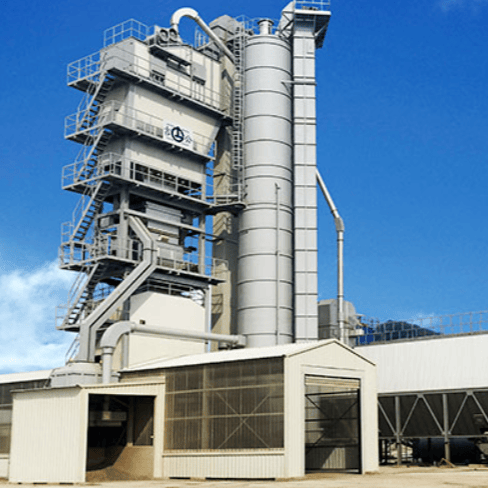
LBH4000 Batch Environmental Protection Asphalt Mixing Plant | Asphalt Batching Plant | Asphalt Mixing Plant
Jilin Province Road Construction Machinery Co., Ltd.