BIR: Freight Rate Fluctuations and Geopolitical Tensions Drive Up Scrap Steel Landing Costs
en.Wedoany.com Reported - The latest report from the Bureau of International Recycling (BIR) indicates that the scrap steel industry in 2026 is facing a complex landscape of geopolitical turmoil, demand divergence, and low-carbon transition, potentially marking one of the most significant years of change in over a decade. BIR emphasizes that freight rates and geopolitical disruptions remain the biggest market drivers.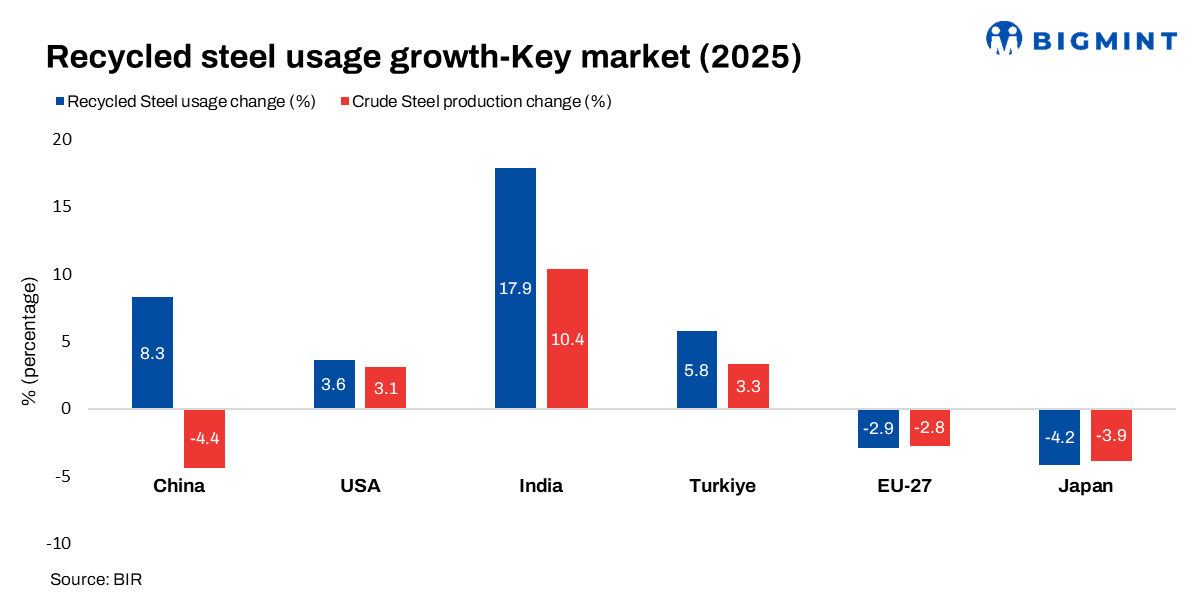
On the supply and logistics front, tensions in the Strait of Hormuz have significantly pushed up war risk premiums, bunker fuel costs, and freight rates for Turkey, India, Pakistan, and the broader Asian region. In the Chinese market, weak domestic steel demand and persistent oversupply continue to suppress steel consumption and exports across Asia; rising landing costs are prompting several countries to shift towards domestic scrap and alternative metallic raw materials. Despite short-term volatility, the BIR Ferrous Division judges that recycled steel remains a crucial pillar of the global decarbonization roadmap for 2050.
In Europe, Denis Reuter of Germany's TSR Recycling stated that Germany showed signs of economic stabilization in early 2026, supported by industrial orders and government stimulus measures. However, high energy costs, geopolitical uncertainty, and weak demand continue to pressure the steel industry, while tight scrap supply and logistics bottlenecks support domestic recycled steel prices. Mogens Bach Christensen of Denmark's H.J. Hansen Genvindingsindustri added that against a backdrop of weak European steel demand, pressured Turkish mill margins, and increased competition from billets and pig iron, the direction of the Scandinavian recycled steel market is unclear. Tom Bird of the UK's Enicor noted that the price of UK HMS exports to Turkey rose to approximately $410-415/tonne, but a significant increase in freight rates reduced exporters' FOB returns.
Regarding the Turkish market, Abhijeet Mahanta of Switzerland's Stelaris Resources stated that in the first quarter of 2026, the Turkish market experienced severe volatility, influenced by Middle East tensions, high freight and energy costs, and tight monetary policy. It was reported that over 30 deep-sea cargo vessels were booked within three days in March, pushing the HMS 80:20 price to nearly $396/tonne CFR Turkey. Meanwhile, the United States re-emerged as Turkey's largest scrap supplier.
In the United States, George Adams of SA Recycling indicated that strong domestic mill demand, import tariffs, low inventory strategies, and mill capacity utilization rates exceeding 80% are keeping the US recycled steel market firm. Hot-rolled coil prices rose above $1,070/tonne, and tightening global scrap supply continues to support domestic demand.
In the Asian market, Michael Gaylard of SIMS Ltd pointed out that weak Chinese demand and oversupply continue to suppress the market. Sanjay Mehta of India's MRAI emphasized that due to rising import costs and the depreciation of the Rupee, mills are shifting towards domestic raw materials and DRI-based production, leading to a year-on-year drop of over 55% in India's recycled steel imports in the first quarter of 2026. Ted Taya of Japan's Shinsei Scrap stated that the Japanese market is strengthening due to recovering domestic demand and strong exports, with Kanto tender prices reaching multi-year highs.
In South Africa and the Middle East, Quintin Starkey of the Metal Recyclers Association of South Africa stated that the South African market remains constrained by the preferential pricing system, weak downstream demand, and Rand volatility. Moosa Kazim of the UAE's Al-Qaryan Group emphasized that Gulf Cooperation Council countries are stabilizing recycled steel supply through coordinated procurement strategies, while Saudi Arabia is accelerating its transition to recycled steel-based production amid rising freight and insurance costs.
This article is compiled by Wedoany. All AI citations must indicate the source as "Wedoany". If there is any infringement or other issues, please notify us promptly, and we will modify or delete it accordingly. Email: news@wedoany.com
Related Products
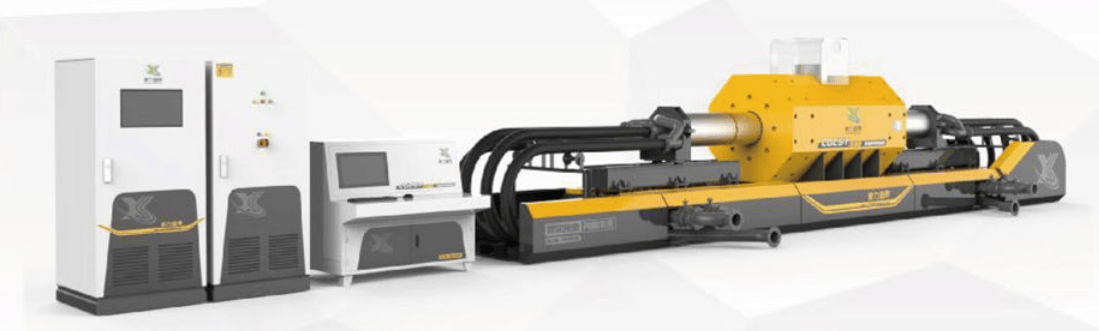

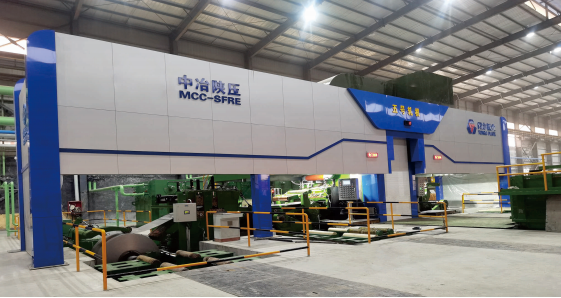
1050-1750mm Steel Strip Single-stand Reversible Cold Rolling Production Line
MCC-SFRE HEAVY INDUSTRY EQUIPMENT CO., LTD.
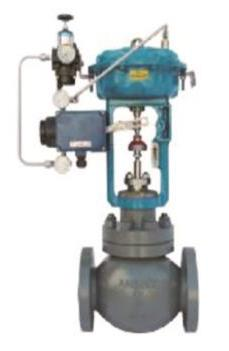
Quick-Change Single-Seat Control Valve / Quick-Change High-Pressure Single-Seat Control Valve
Beijing Consen Automation Technology Co., Ltd.

Linyi Steel Investment Special Steel 2.7 Million Tons per Year High-quality Special Steel Project
Capital Engineering & Research Incorporation Limited
High-temperature Equal Wall Thickness High-power Screw Drilling Tool
Orient Energy & Technologies Co., Ltd.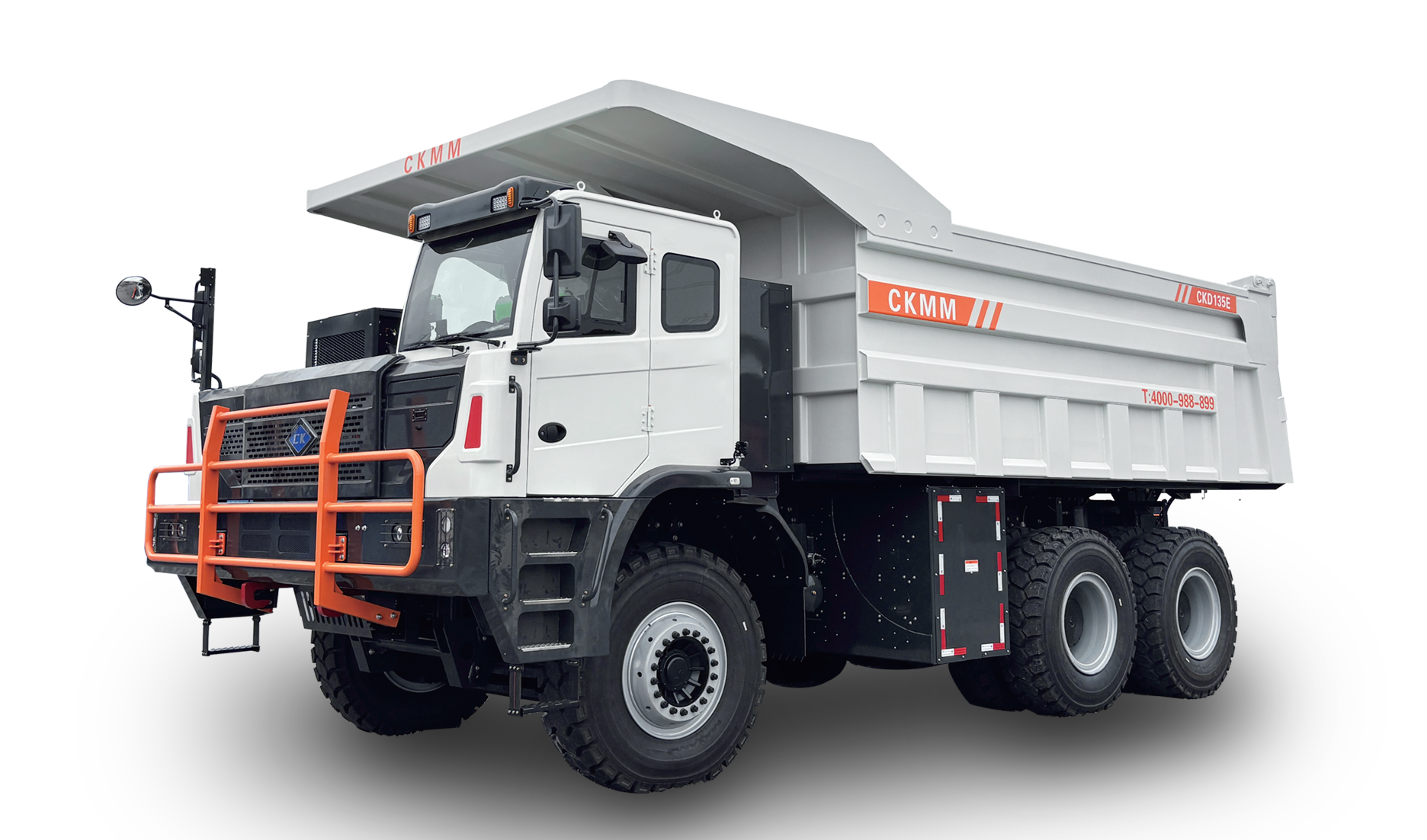
CKD135E Pure Electric Wide-body Dump Truck
Jiangsu Changkuang Engineering Machinery Co. Ltd.
Core Technologies of the Mining Technology and Equipment Business Unit: Efficient Mining Methods and Processes
CHANGSHA INSTITUTE OF MINING RESEARCH CO., LTD.
CYTJ45/2 Mining Hydraulic Tunneling Drill Rig
Zhangjiakou Xuanhua Huatai Mining and Metallurgical Machinery Co., Ltd.