Regional Chemical Restructuring and Petrochemical Compressors: How Global Capacity Shifts Are Reshaping Equipment Demand
en.Wedoany.com Reported - The petrochemical compressor market is entering a regional restructuring cycle. The core driver is not only growth in chemical production, but also the relocation of cost advantages, feedstock advantages, and investment priorities across China, the Middle East, North America, Europe, and emerging Asian markets. For compressor manufacturers, this means demand will become less uniform and more closely tied to regional industrial economics.
Global chemical output has returned to growth, but not evenly. According to the American Chemistry Council, global chemical production expanded by 2.6% in 2025, down from 4.0% in 2024, and global volumes are expected to grow by 1.9% in 2026. Growth in 2025 was mainly driven by Asia-Pacific and Africa & Middle East, while Europe declined by 1.2%.
This uneven growth is important for petrochemical compressors because rotating equipment demand usually follows where new capacity, debottlenecking projects, and high-utilization assets are located. In regions with new crackers, refinery-petrochemical integration projects, gas processing units, hydrogenation units, and LNG-linked chemical projects, compressor procurement tends to focus on large new packages. In regions with weak demand and low operating rates, the market shifts toward retrofit, reliability improvement, spare parts, and maintenance contracts.
Europe shows the pressure side of this transition. Cefic reports that Europe’s share of the global chemical market has dropped to 13%, while China now leads with 46% of global chemical sales. The EU27 chemical industry still has €635 billion in turnover and employs 1.2 million people, but European gas prices remain around three times higher than in the United States, and capacity utilization is 9.5% below pre-crisis levels.
For compressor economics, this means European buyers are less likely to pursue broad capacity expansion unless the project is tied to specialty chemicals, decarbonization, hydrogen, or high-value downstream materials. More common demand may come from energy-efficiency retrofits, compressor train optimization, condition monitoring, leakage reduction, process safety upgrades, and replacement of aging equipment. In a high-energy-cost region, every percentage point of compressor efficiency has stronger economic value.
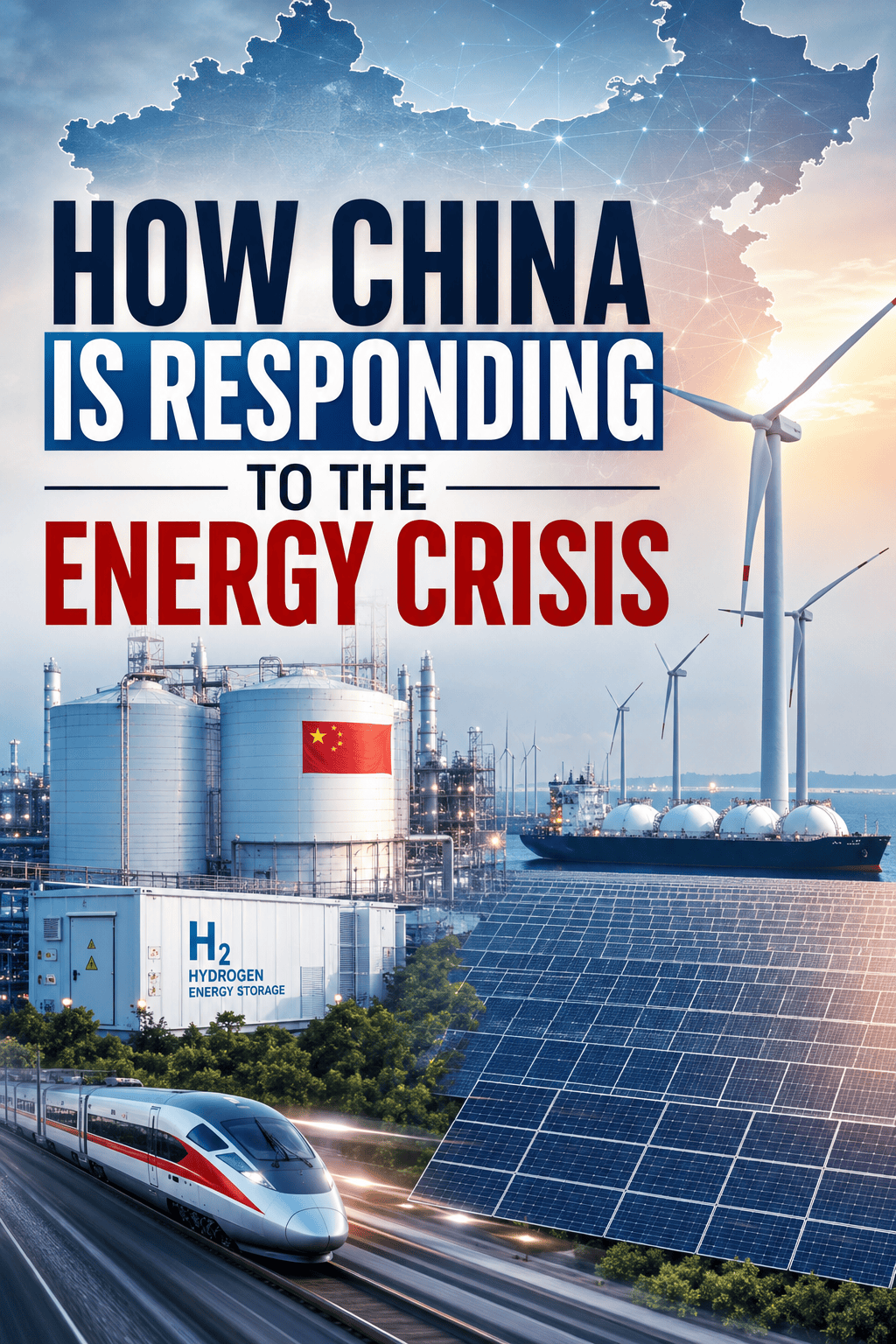
China and Asia present a different picture. Cefic data shows China’s share of global chemical sales rose from 24% in 2009 to 46% in 2024, while Europe fell from 21% to 13% over the same period. This reflects not only market size, but also a shift in investment gravity. Large integrated refining and chemical bases require many compressor categories, including cracked gas compressors, propylene refrigeration compressors, ethylene refrigeration compressors, hydrogen compressors, recycle gas compressors, and process air compressors.
However, stronger capacity does not automatically mean higher margins. Deloitte notes that excess petrochemical capacity and lower-than-expected demand have contributed to low operating rates; European ethylene operating rates were still around 70% to 75% in early 2024, below the typical industry expectation of 80% to 90%. This shows that compressor demand will increasingly depend on project quality, cost curve position, and downstream integration rather than simple capacity growth.
The Middle East is another important market because it combines feedstock advantage with export-oriented petrochemical development. IEA data suggests that Middle East NGL supply is projected to rise by 1.4 million barrels per day to 2030, while global NGL production is expected to reach 20.1 million barrels per day by 2030. These conditions support investment in ethane cracking, LPG processing, gas separation, ammonia, methanol, and downstream petrochemical systems, all of which require reliable compression equipment.
For compressor suppliers, the strategic implication is clear: one global product strategy is no longer enough. In Asia, competition will focus on delivery capability, price-performance balance, and support for large integrated complexes. In the Middle East, reliability, high-temperature operation, gas-processing expertise, and long-term service will be decisive. In Europe, energy efficiency, retrofits, emissions reduction, and lifecycle maintenance will matter more. In North America, feedstock-advantaged chemical production and replacement demand will create opportunities for specialized process compressor systems.
The petrochemical compressor industry is therefore becoming a mirror of global chemical restructuring. Equipment demand will not disappear as some regions reduce capacity; it will move from one economic model to another. The winners will be suppliers that understand regional feedstock economics, plant operating pressure, environmental requirements, and the long-term cost structure of petrochemical assets.
This article is compiled by Wedoany. All AI citations must indicate the source as "Wedoany". If there is any infringement or other issues, please notify us promptly, and we will modify or delete it accordingly. Email: news@wedoany.com
Related Products
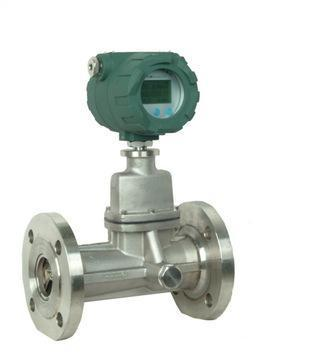

ZDL94 Series Vortex Flow Meter
Tianjin Zhongdian Celestial Science and Technology Co., Ltd.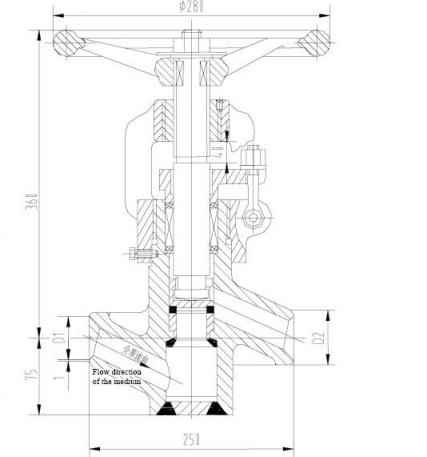
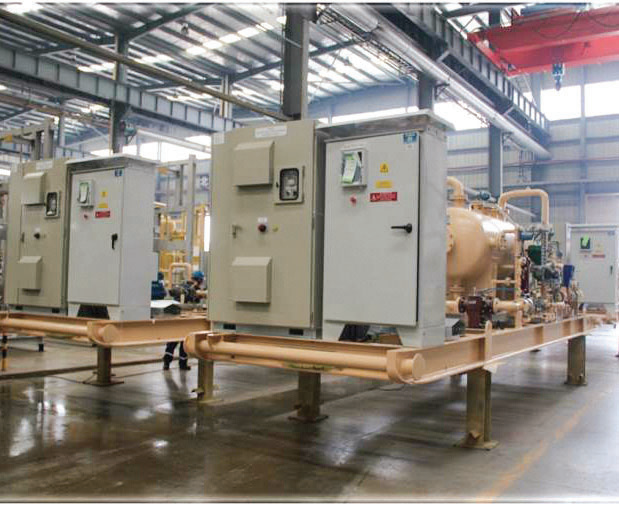

Fully gravity-balanced oil, gas, and water treatment integrated system-Intelligent pulse water separation integrated system
Sino Science and Technology Co.,Ltd.
Ultra-high molecular weight polyethylene (UHMWPE) lined oil pipe
Shengli Oilfield Dongrun Mechanical Engineering Co., Ltd.
Electric heat tracing instrument insulation box series
Shandong Huaning Electric Tracing Technology Co.,Ltd.