Emirates A380 Shower Fuel Cost Approximately $100–$400 Per Flight
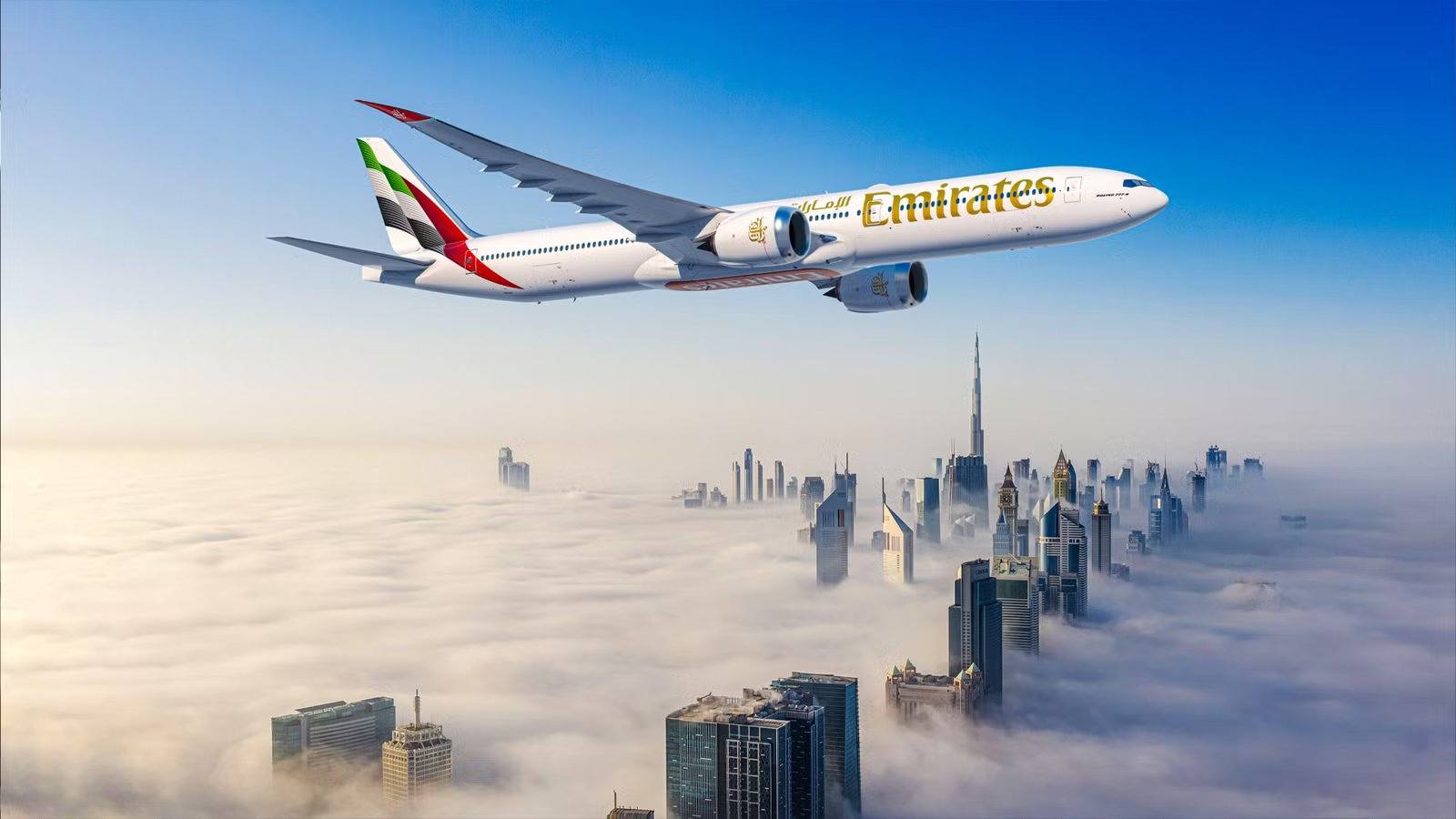
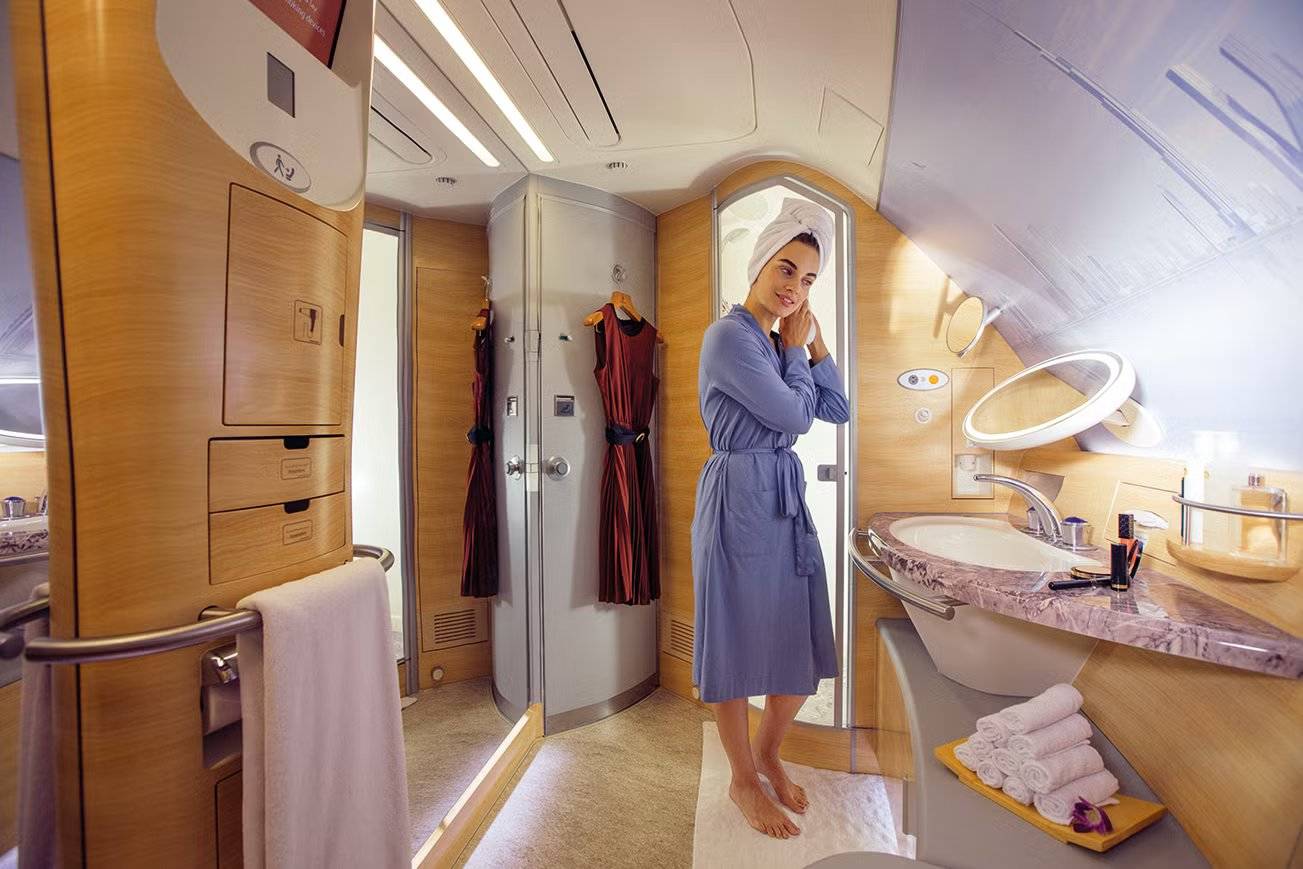
en.Wedoany.com Reported - The shower facilities installed by Emirates on the Airbus A380 are not only the most recognizable luxury feature in the aviation industry but also conceal a sophisticated economic calculation behind the scenes. The facility includes underfloor heating, premium amenities, and a vanity mirror, allowing passengers to freshen up while cruising at 500 knots and 40,000 feet.
Among commercial airlines, almost no other product serves as such a powerful symbol of airborne luxury. For many travelers, the shower is not just a first-class perk but the most enduring memory of Emirates. However, behind this visual spectacle lies the airline industry's extreme sensitivity to weight: every pound or kilogram on an aircraft ultimately translates into fuel consumption and operating costs. While other airlines remove magazines and reduce seat weight to shave off every gram of excess, Emirates deliberately adds water tanks, piping systems, pumps, drainage equipment, and shower facilities to one of the heaviest passenger aircraft ever built.
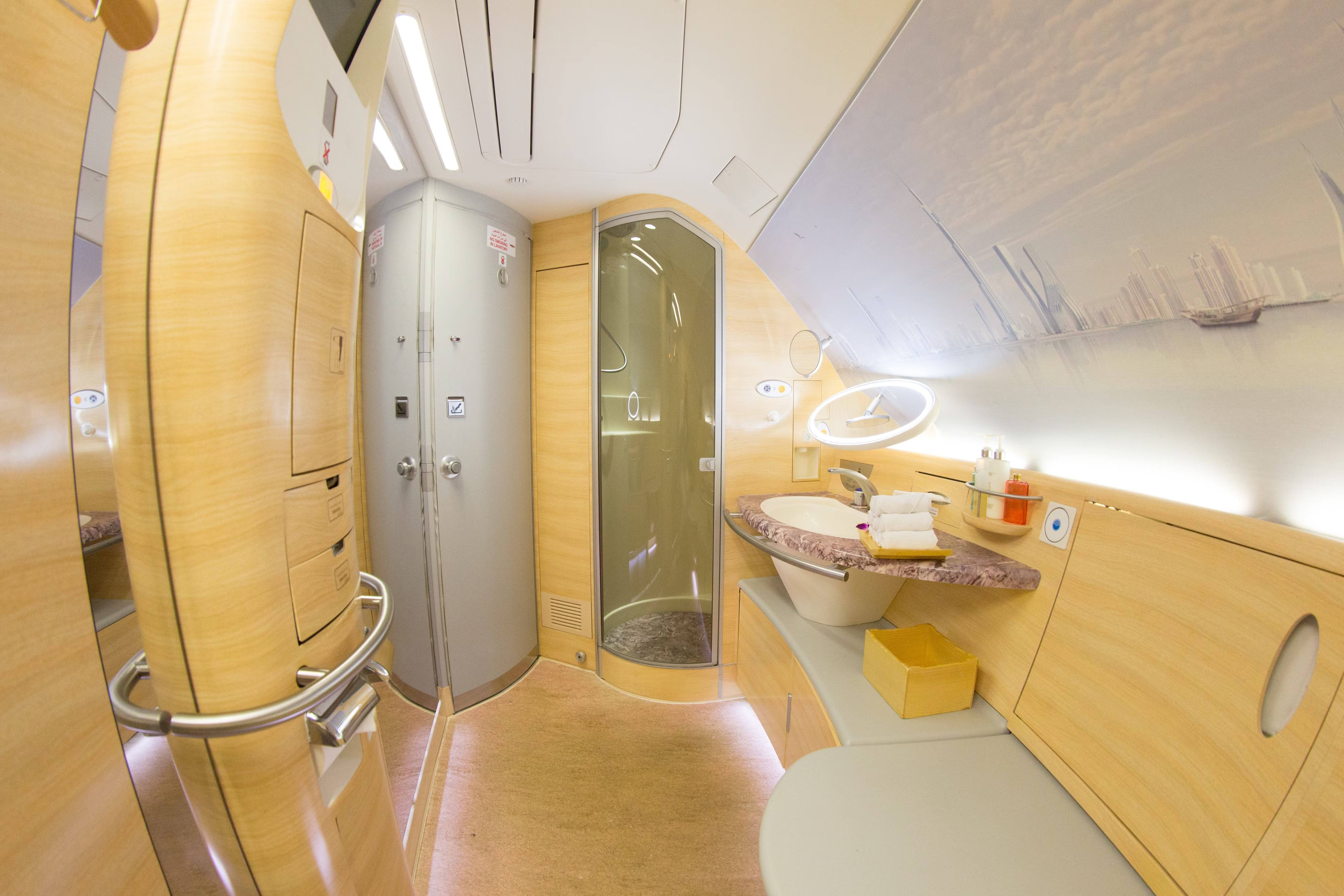
Emirates remains one of the very few airlines to install commercial shower facilities on passenger aircraft, with the only major exception being Etihad Airways' "The Residence" on the A380. Commercial airlines typically avoid installing showers due to operational penalties and complexity, instead competing through better seats, greater privacy, and upgraded dining experiences. Emirates' A380 first class includes 14 enclosed suites and two dedicated shower spas at the front of the upper deck, reflecting the airline's overall strategy of heavily investing in products designed to create lasting impressions. The market value generated by features such as onboard bars, spacious premium cabin layouts, and shower spas far exceeds their direct operational economic benefits; millions of passengers who have never purchased a first-class ticket still associate Emirates with its shower experience.
In terms of weight costs, the impact of water weight is precisely calculated. One quart of water weighs approximately 2.09 pounds (0.95 kilograms), and several hundred liters quickly translate into hundreds or even over a thousand pounds of additional mass. For the Airbus A380, with a maximum takeoff weight of 1,268,000 pounds (575,000 kilograms), assuming shower-related requirements add about 1,100–2,200 pounds (500–1,000 kilograms), this extra mass accounts for only about 0.09%–0.17% of the aircraft's maximum takeoff weight.
In terms of fuel consumption, for a long-haul mission of 14 hours, the additional fuel consumed may range from approximately 275–705 pounds (125–320 kilograms), equivalent to about 41–105 gallons (155–400 liters) of fuel. Assuming fuel prices of around $0.70–$1.00 per liter, the direct cost is roughly $100–$400 per flight. The dramatic image of this fuel-guzzling flying bathroom is far less severe than many imagine.
The more significant economic issue is not fuel but space. Aircraft cabins contain some of the most valuable real estate in the transportation industry, with every square foot capable of generating revenue. The shower spas occupy substantial space at the front of the upper deck, one of the highest-revenue areas on the aircraft. Assuming the same area could accommodate four additional premium seats, over years of operation and thousands of flights, the cumulative revenue opportunity could reach tens of millions of dollars, far exceeding the fuel costs associated with carrying water.
The shower system also involves highly complex integration with existing aircraft plumbing infrastructure, including water pumps, water heaters, piping, valves, sensors, and control systems regulating pressure, temperature, and flow. Over the aircraft's service life, this increases the number of inspection points, potential failure modes, and spare parts requirements. Additionally, cabin crew must prepare the shower area and replenish supplies throughout the flight; passengers receive approximately five minutes of running water, tracked via a traffic light timer system to regulate water usage.
The fundamental challenge facing the A380 was never the shower water. When the aircraft entered service, it coincided with the industry-wide shift toward efficient twin-engine aircraft like the Boeing 787 and Airbus A350. Faced with these industry trends, Emirates' shower facility appears more as a symbolic decision: the airline accepts a relatively small direct operational penalty while leveraging this feature to reinforce its status as one of the most recognized premium brands in aviation. The real story is not that Emirates carries a bathtub at 40,000 feet, but that the airline believes the experience itself creates enough value to justify its cost.
Related Products
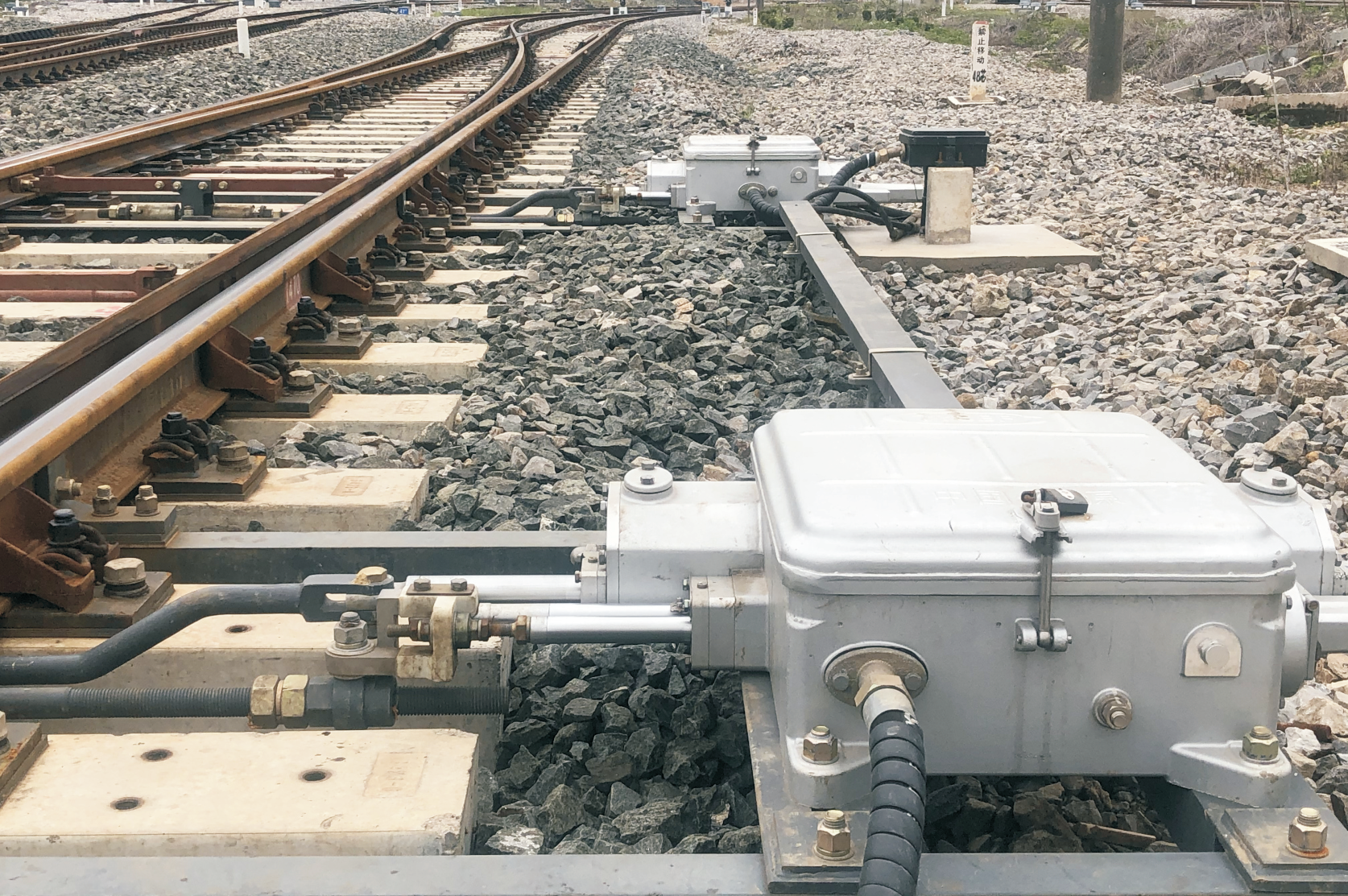

ZY(J)7(M) Sealed Type Electro-Hydraulic Turnout Machine
TAIYUAN CR JINGFENG EQUIPMENT TECHNOLOGY CO., LTD.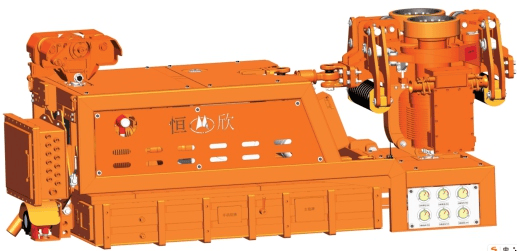
Explosion-proof lithium battery dispatching monorail crane locomotive (permanent magnet frequency conversion integrated machine)
Xiangtan Hengxin Industrial Co., Ltd.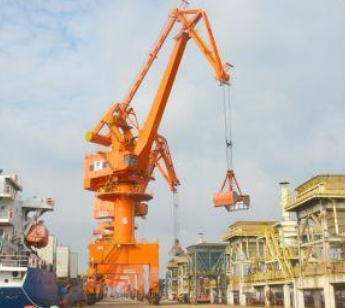
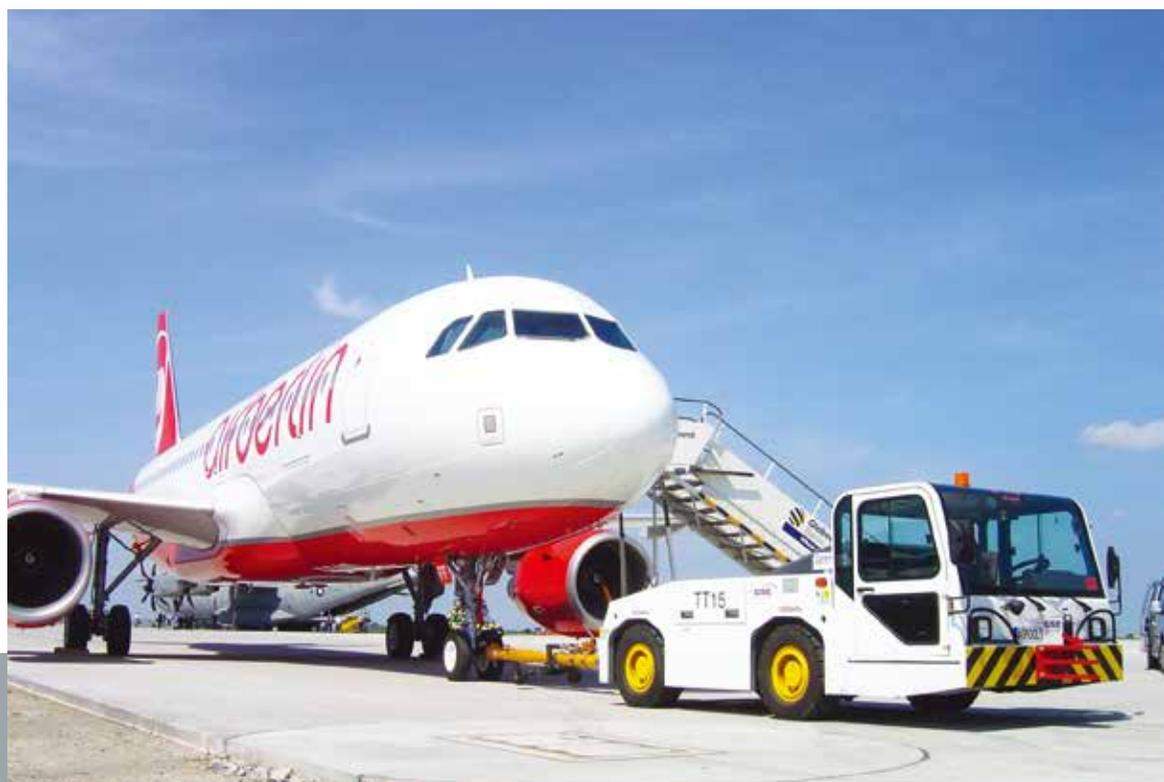
WGQY Series Aircraft Tow Tractor-WGQY15, WGQY27
Weihai Guangtai Airport Equipment Co., Ltd.
"Shunyi 1600" Deep-submerging Bottom-sitting Multi-functional Wind Power Engineering Vessel
Zhengli Offshore Engineering Co., Ltd.

Wheel and Track Technology Business
Beijing Research & Design Institute of Rubber Industry Co., Ltd.