Cebu Pacific Air's 2026 Economy Class Density Reaches 460 Seats
en.Wedoany.com Reported - Airlines are adjusting their business models, with economy class seat density becoming a key focus of industry competition in 2026. Facing rising operating costs and fierce competition, many airlines prioritize low fares over legroom on short-haul routes, pushing cabin layouts to their practical limits.
The gap is widening between airlines that still use comfort as a differentiating selling point and those that optimize every inch of cabin space to maximize revenue. From ultra-low-cost carriers to full-service airlines increasing capacity, these configurations reveal the extent to which economy class seats are being compressed.
In 2026, airlines continue to face cost pressures, including rising fuel prices, supply chain disruptions, and aircraft delivery delays. Many airlines are turning to increased economy class density to protect profits. By installing more seats on the same aircraft, airlines spread operating costs across more passengers, which in many cases lowers ticket prices. Advances in seat design have made this strategy easier to implement, with slimline seats, thinner padding, and reduced recline angles allowing for tighter seat pitch.
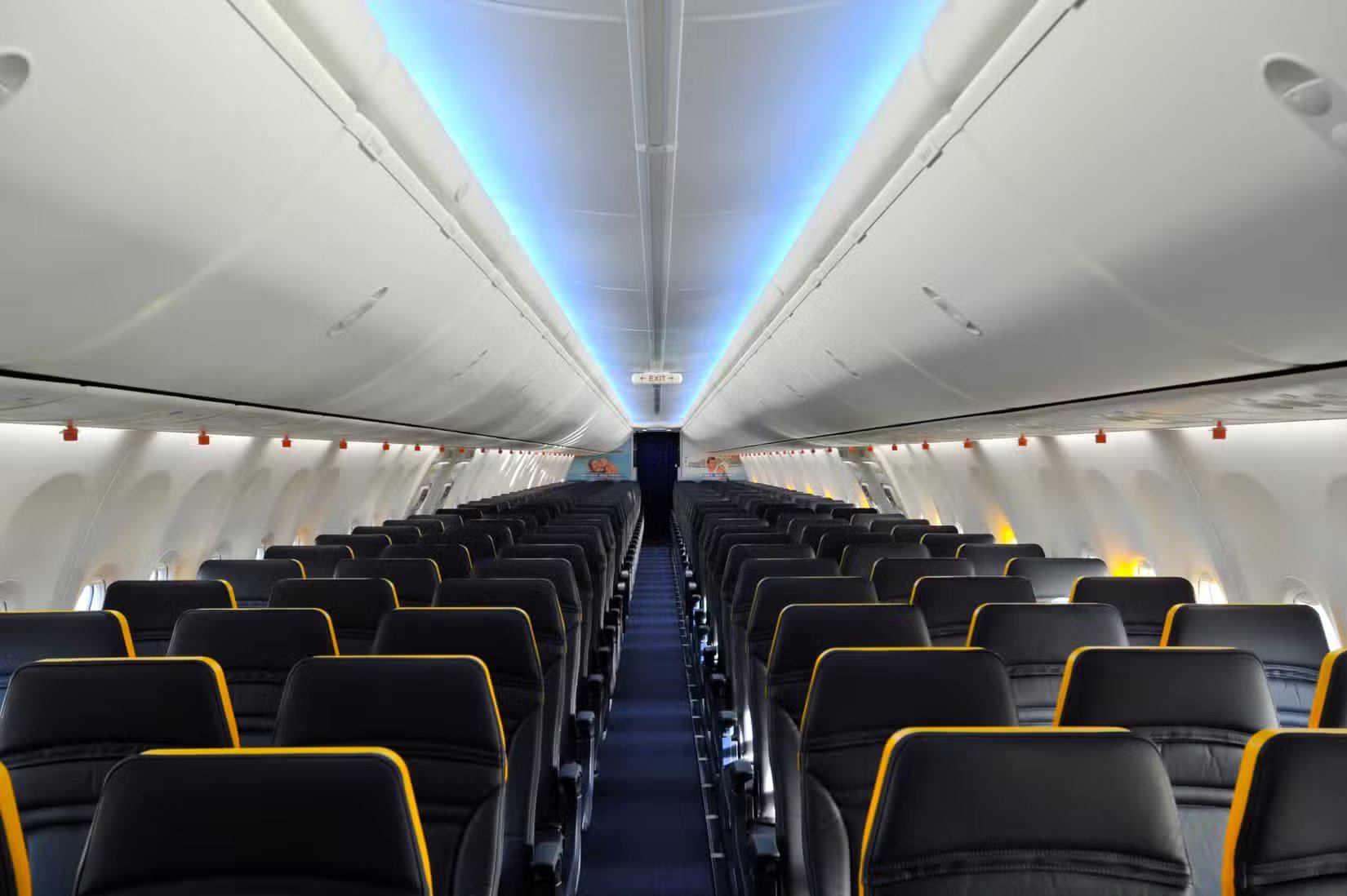
Ryanair's Boeing 737 MAX 8-200 is a prime example of prioritizing cost over comfort. The MAX 8-200 is a modified version of the standard Boeing 737 MAX 8, which typically configures around 162-178 seats, while Ryanair's MAX 8-200 boosts this number to 197 passengers. This high capacity is achieved through design and certification changes, with the aircraft equipped with an additional mid-cabin emergency exit. The cabin interior features very thin, lightweight seats with minimal padding and limited recline. Seat pitch is approximately 28 inches, compared to the standard 29-31 inches on network airlines' MAX 8s.
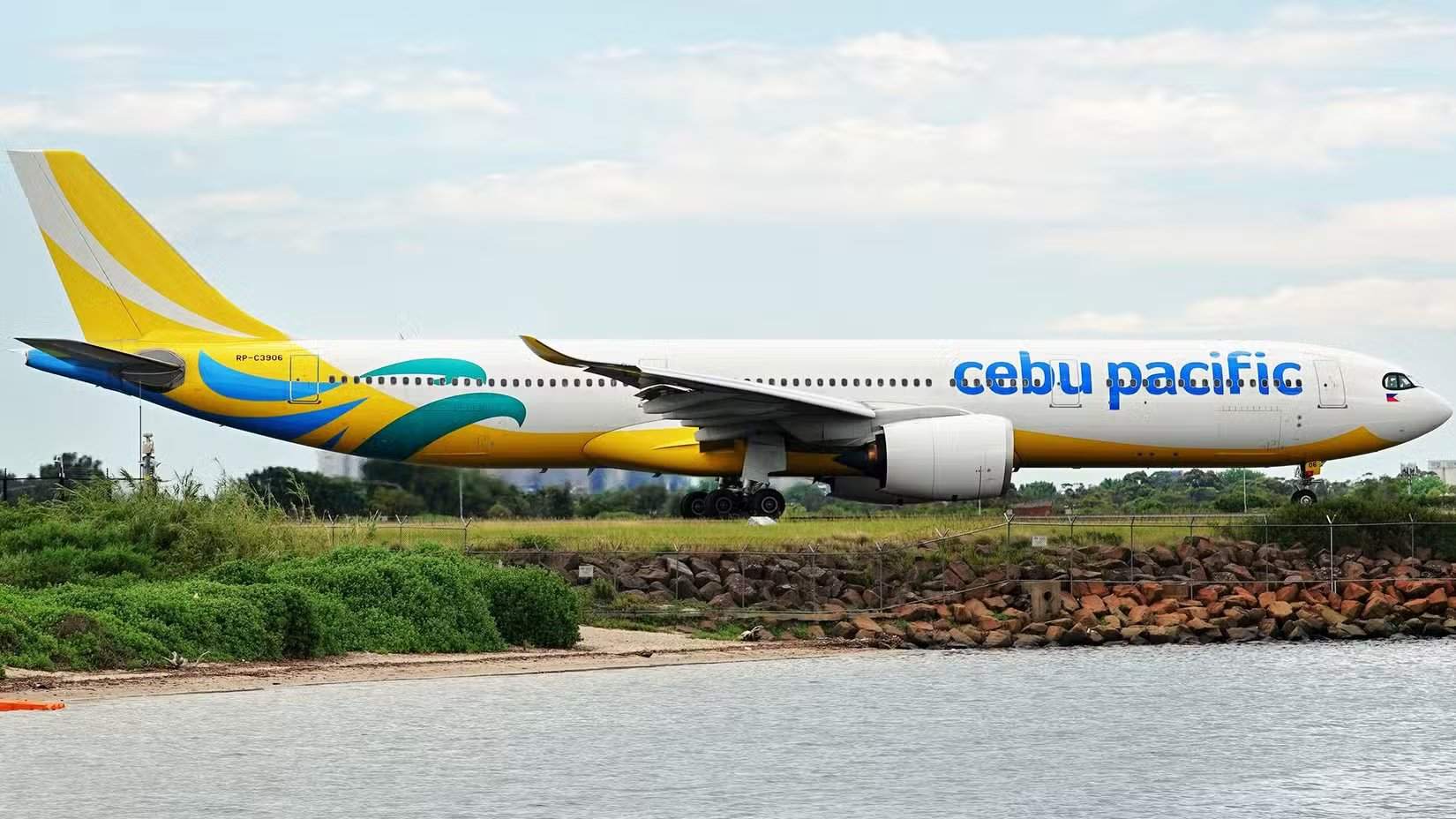
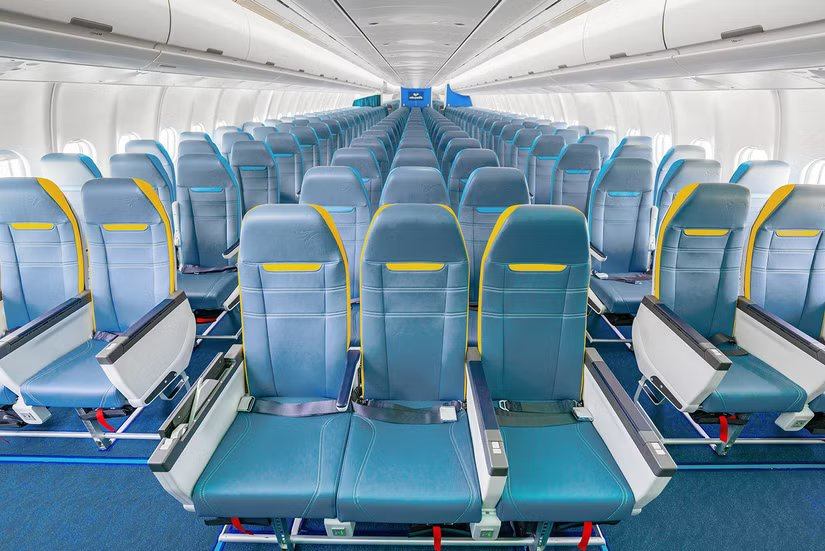
Cebu Pacific Air applies its high-density philosophy to the widebody operations of its Airbus A330 fleet. Unlike most A330 operators that divide the cabin into economy and premium cabins, Cebu Pacific uses a single-class, all-economy layout. Its A330-300 aircraft can carry up to 430 passengers, far higher than the 250-300 seats common on full-service airlines. The airline uses a narrow nine-abreast (3-3-3) seating configuration instead of the traditional A330's wider eight-abreast 2-4-2 layout. Seat pitch typically remains within the 30 to 31-inch range. The Airbus A330-900 aircraft has a total seat count approaching 460, one of the highest certified for this model.
WestJet's recent experience shows the risks of airlines pushing cabin density too far. The Canadian carrier tentatively proposed introducing a denser economy class layout on some of its Boeing 737 aircraft, reducing seat pitch and adding rows. The goal was to lower costs and compete with ultra-low-cost rivals. Passenger reactions were largely negative, with complaints that tighter seats conflicted with WestJet's brand positioning. Complaints spread quickly through social media and travel forums. In early 2026, WestJet completely reversed these changes and pledged to restore previous seat standards.
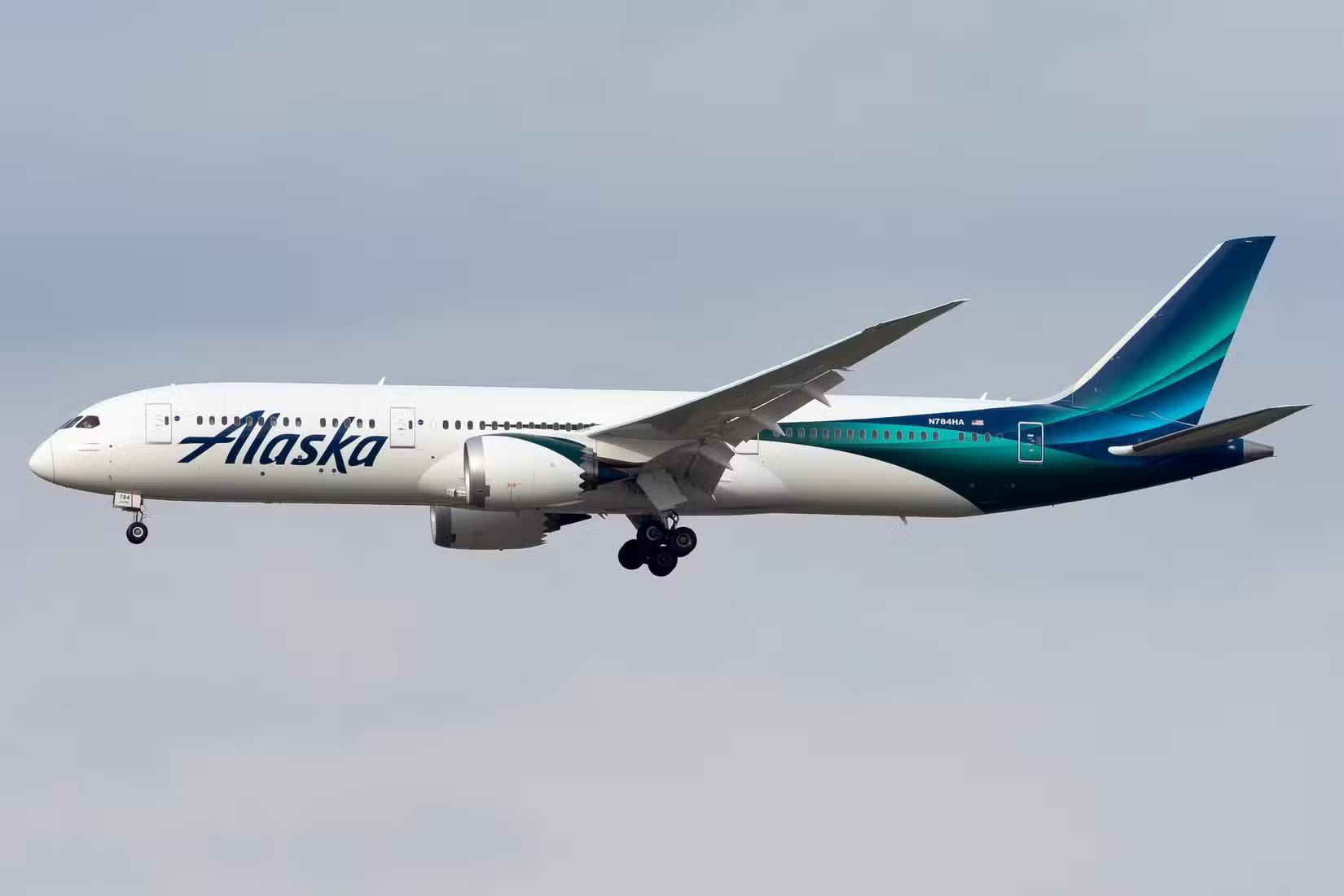
Not every low-cost airline chooses to push cabin density to the limit. Norse Atlantic Airways, operating the Boeing 787-9 Dreamliner, adopts a more moderate seating strategy on long-haul flights. Economy class offers a seat pitch of approximately 31 to 32 inches. In terms of total capacity, the 787-9 fleet configures fewer than 300 economy seats depending on the aircraft, along with around 35 to 55 premium cabin seats. The airline further differentiates itself with a premium economy product, which offers a pitch between 40 and 45 inches.
The ongoing debate over economy class density shows no signs of disappearing. Airlines argue that tighter seats are essential for maintaining affordable fares, especially when operating costs remain high. From a passenger perspective, seat pitch, width, and cabin configuration are widely discussed on social media and review platforms, influencing purchasing decisions more than in the past. Negative reactions to crowded cabins can spread quickly, forcing airlines to reconsider densification strategies. The industry may shift toward greater market segmentation, where base fares for very tight seats coexist with paid options such as extra legroom or quieter cabin zones.
Related Products


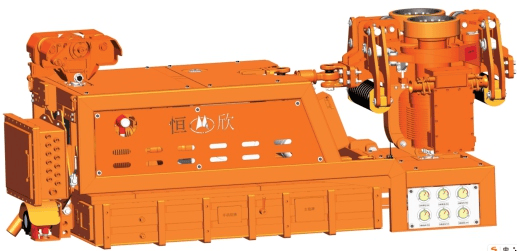
Explosion-proof lithium battery dispatching monorail crane locomotive (permanent magnet frequency conversion integrated machine)
Xiangtan Hengxin Industrial Co., Ltd.

Wheel and Track Technology Business
Beijing Research & Design Institute of Rubber Industry Co., Ltd.

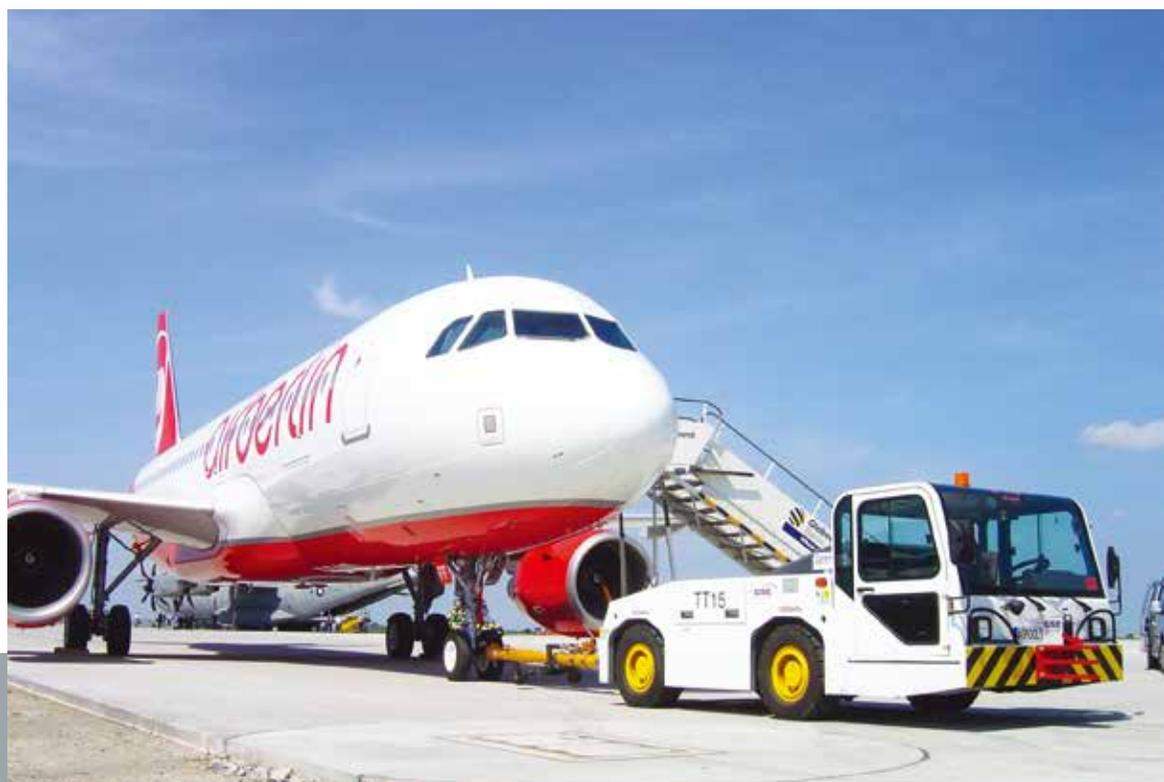
WGQY Series Aircraft Tow Tractor-WGQY15, WGQY27
Weihai Guangtai Airport Equipment Co., Ltd.