NASA's Artemis Program Advances Lunar South Pole Base Construction
en.Wedoany.com Reported - The National Aeronautics and Space Administration (NASA) is advancing the construction of a lunar south pole base through the Artemis program, planning to build an outpost within the next decade or so to gain experience for future Mars missions.
The human dream of flight began in November 1783, when the Montgolfier brothers' hot air balloon carried two people on a 25-minute flight over Paris. On December 17, 1903, the Wright brothers completed the first powered flight of a heavier-than-air aircraft in North Carolina. Eight years later, cosmonaut Yuri Gagarin became the first human in space on April 12, 1961. Subsequently, Apollo 11 astronauts Neil Armstrong and Buzz Aldrin walked on the Moon, followed by five more Apollo missions landing on the lunar surface over the next three and a half years.
The Artemis program has already executed two successful missions. Artemis I launched an uncrewed Orion capsule to lunar orbit and back in late 2022. Artemis II is scheduled to send four astronauts into lunar orbit this April. Artemis III plans to test docking procedures with SpaceX's Starship and Blue Origin's Blue Moon in low Earth orbit in 2027. Artemis IV may send astronauts to the vicinity of the lunar south pole as early as 2028, but this timeline is far from certain, as significant development work remains—neither Starship nor Blue Moon has yet entered Earth orbit or been approved for crewed missions.
China plans to land astronauts on the Moon by 2030 and build a base near the lunar south pole, an area believed to be rich in water ice, in partnership with Russia and other collaborators.
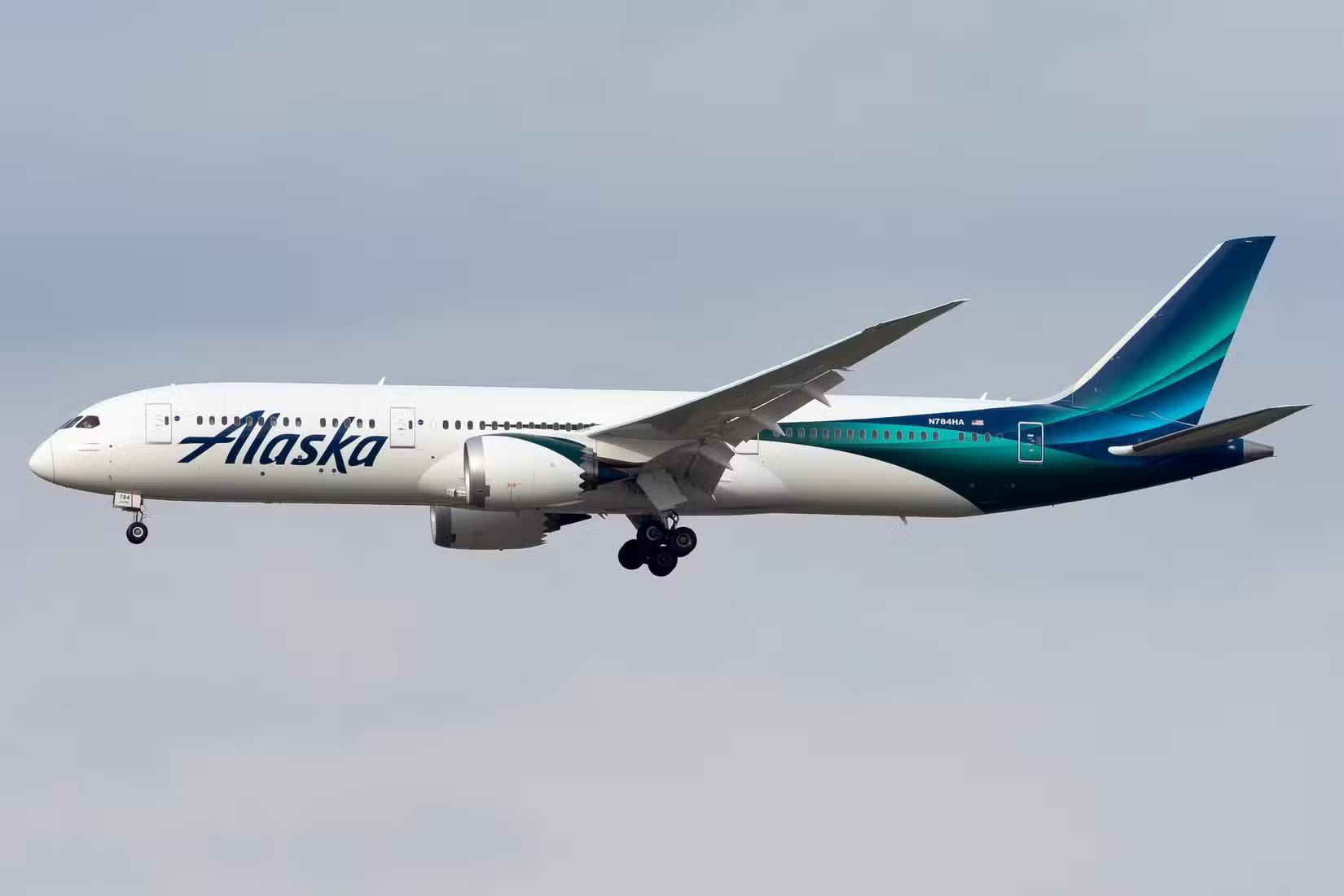
Following the Wright brothers' historic flight in the United States, the country underwent industrialization and has since become a leader in aerospace technology and exploration.
Related Products
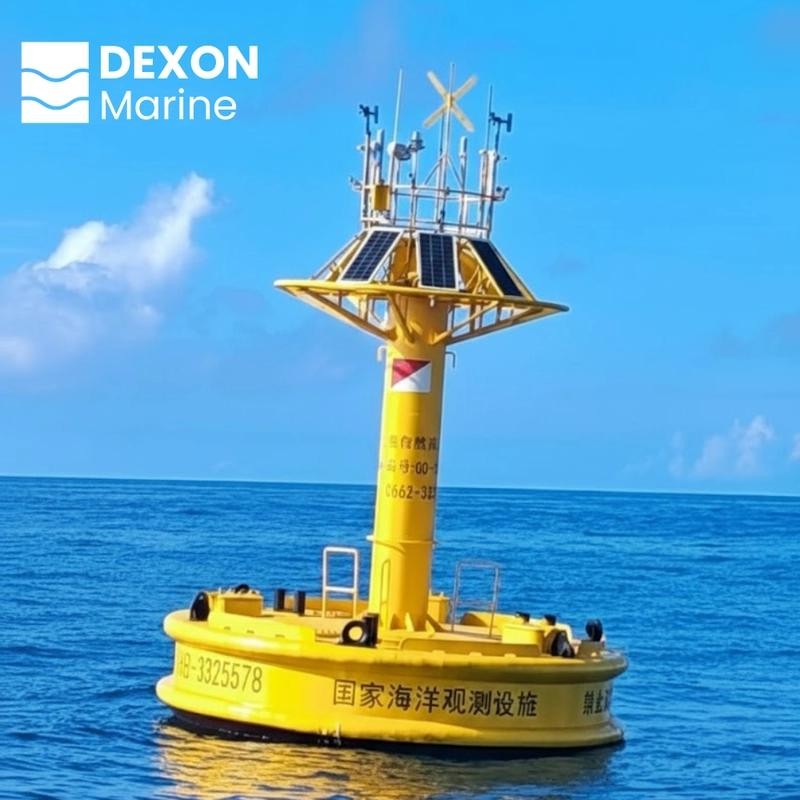

3m intelligent buoy combining navigation safety and real-time marine monitoring integrated navigation and marine monitoring system for real-time maritime data
Chengdu Dixin Technology Co., Ltd.
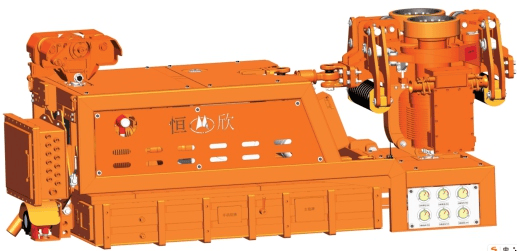
Explosion-proof lithium battery dispatching monorail crane locomotive (permanent magnet frequency conversion integrated machine)
Xiangtan Hengxin Industrial Co., Ltd.



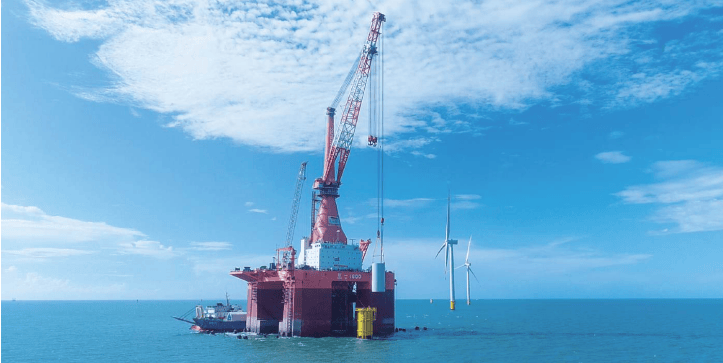
"Shunyi 1600" Deep-submerging Bottom-sitting Multi-functional Wind Power Engineering Vessel
Zhengli Offshore Engineering Co., Ltd.