UAE lowers fuel prices in July by up to 17%
en.Wedoany.com Reported - The UAE has cut fuel prices for the first time in four months, with reductions of up to 17%.
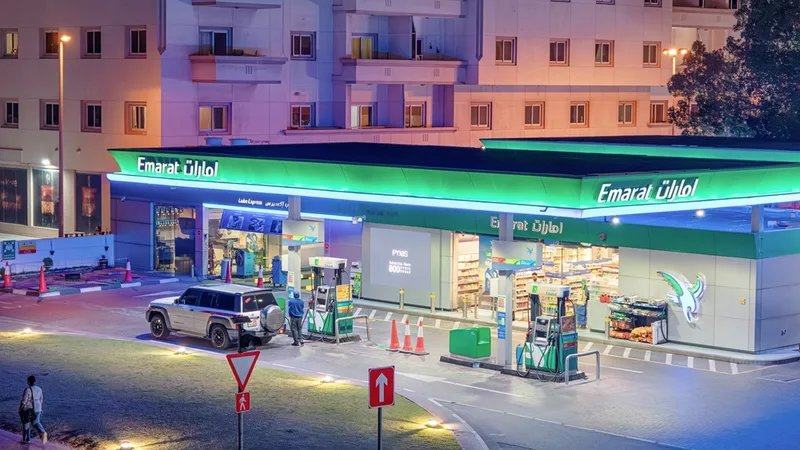
Following a decline in oil prices driven by the Iran conflict and the signing of a US-Iran memorandum of understanding, the UAE government's pricing committee announced a reduction in prices for various fuel types in July. The price of Super 95, the most commonly used daily gasoline for cars, dropped by 14% to 3.29 UAE dirhams per liter (approximately $0.90). The cost to fill a 45-liter car tank fell from 172 dirhams in June, when prices were at a high of 3.83 dirhams per liter, to 148 dirhams.
E-Plus 91 fuel prices fell by 15% in July to 3.21 dirhams per liter, while Super 98, used for luxury cars and sports cars, dropped by 14% to 3.40 dirhams per liter. Diesel prices, which had already been reduced in June from a high of 4.69 dirhams per liter in May, fell a further 17% in July to 3.60 dirhams per liter.

Fuel costs have been deregulated since August 2015, when the UAE Ministry of Energy adopted a policy linking prices to global oil benchmarks. Gasoline and diesel prices had been soaring since the outbreak of the war between the US, Israel, and Iran on February 28. Global benchmark Brent crude traded at $72.39 per barrel on Tuesday, roughly flat compared to before the conflict began. Brent crude had reached a high of $126 per barrel in April and was still trading around $100 per barrel at the end of May.
The main driver of the price surge was months of disrupted traffic through the Strait of Hormuz, a critical waterway between Iran and Oman through which one-fifth of the world's oil supply passed daily before the war. In response to shortages, multiple governments released millions of barrels from national reserves and implemented energy-saving measures. Progress in US-Iran peace talks and the signing of a memorandum led to a sharp drop in oil prices in June, despite tit-for-tat attacks between the two countries in recent days. According to Bloomberg, analysts at investment bank Morgan Stanley lowered their oil price forecasts for the second time in two weeks, citing a faster-than-expected resumption of oil flow through the Strait of Hormuz. The bank now expects average oil prices of $75 per barrel for the third and fourth quarters of 2026, down from its previous forecasts of $90 and $80, respectively.
Related Products
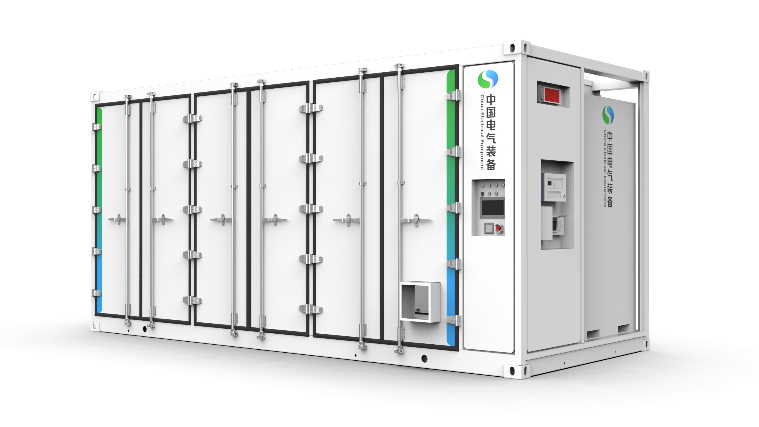

MESS8201-2507/5015-BN Prefabricated Liquid-cooled Energy Storage Battery Container
Xuchang Xuji Electric Science Energy Storage Technology Co., Ltd.

HI-Pro Green Hydrogen High-efficiency Production System-HI-PRO-AEM
Hydrizon Technology (Beijing) Co., Ltd.


Industrial and Commercial Point-Type Gas Detector
Jinan Benan Technology Development Co., Ltd.