Bunge and Others Sell First Batch of Brazilian Certified Soybean Oil for SAF, Approximately 3,800 Cubic Meters
en.Wedoany.com Reported - Bunge, Petrobras, and Vibra have announced that their collaboration has resulted in the first commercial sale of Sustainable Aviation Fuel (SAF) produced from Brazilian certified soybean oil. This soybean oil has obtained the international ISCC CORSIA PLUS Low-LUC Risk label, one of the strictest sustainability standards globally. This milestone marks an expansion of Brazilian agriculture's role in the energy transition and aviation decarbonization, providing a traceable, certified, and internationally recognized raw material for the global biofuel supply chain.
In this collaborative project, Bunge is responsible for sourcing certified soybeans, producing vegetable oil, and ensuring raw material traceability at its plant in Rondonópolis, Mato Grosso. Petrobras produces the SAF by co-processing the vegetable oil with mineral feedstock at the Duque de Caxias Refinery (Reduc) in Rio de Janeiro. Vibra handles the distribution and sale of the fuel to the aviation market. The first commercial batch comprises approximately 3,800 cubic meters of fuel, containing 1% renewable content, as stipulated in the initial targets of the Future Fuel Law. This volume is sufficient to refuel approximately 1,600 flights on the Rio de Janeiro-São Paulo route.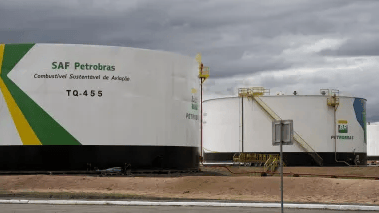
The key to this operation is the ISCC CORSIA PLUS Low-LUC Risk certification, recognized by the International Civil Aviation Organization (ICAO). This label certifies that the soybeans used are fully traceable, not linked to deforestation or land clearing, have a low risk of Indirect Land Use Change (ILUC), and meet stringent environmental and social standards required internationally. According to the companies involved, this certification demonstrates that Brazil's soybean production growth is achieved through technological, managerial, and agricultural efficiency improvements, without expanding into native vegetation areas.
The companies state that sustainable fuel produced from this raw material can reduce greenhouse gas emissions by approximately 70% over its entire lifecycle compared to conventional aviation kerosene. This initiative strengthens Brazil's strategy to expand biofuels and positions Brazilian soybeans as a key alternative to meet the growing global demand for renewable fuels.
For the production sector, this project adds value to Brazilian soybeans. Beyond producing food, soybean meal, and biodiesel, this oilseed now enters the international market as a raw material for sustainable fuel, a market expected to grow as global decarbonization targets advance. This creates new opportunities for the production chain committed to good agricultural practices, traceability, and environmental certification. The launch of the first SAF produced from Brazilian certified soybeans shows that Brazilian agriculture is expanding its participation in high-value-added markets, beginning to supply raw materials that meet the world's most stringent environmental standards.
Related Products


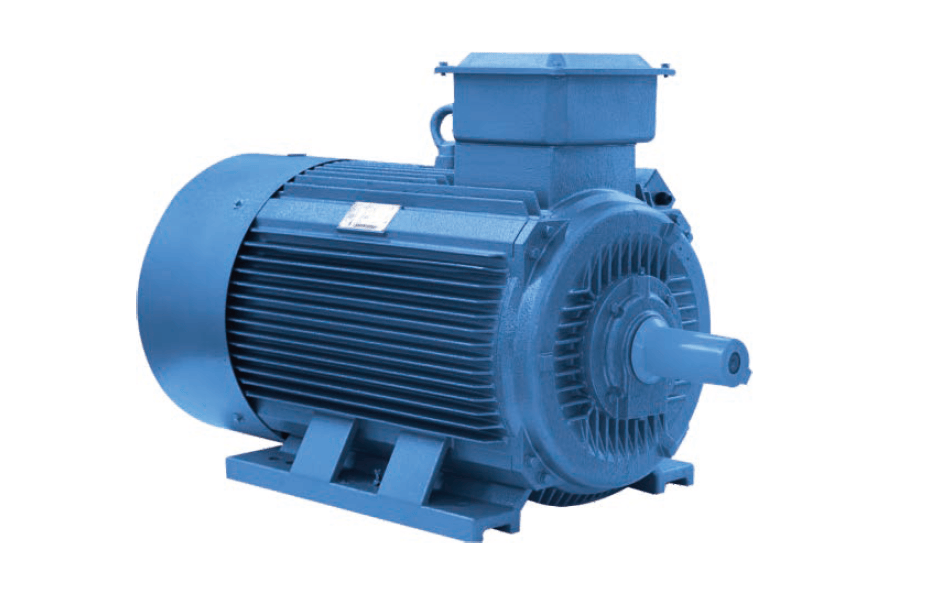
TYC Series High-Efficiency Permanent Magnet Synchronous Motor
Xiangdian Smart Energy Technology Co., Ltd.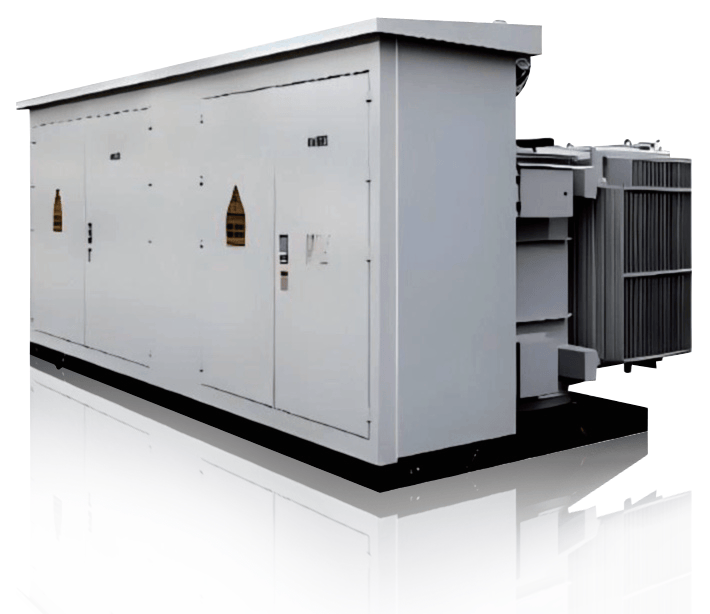
H-40.5/0.4~1.14kV New Energy Power Generation Dedicated High Voltage/Low Voltage Prefabricated Substation
XJ (Xiamen) Intelligent Power Equipment Co., Ltd.
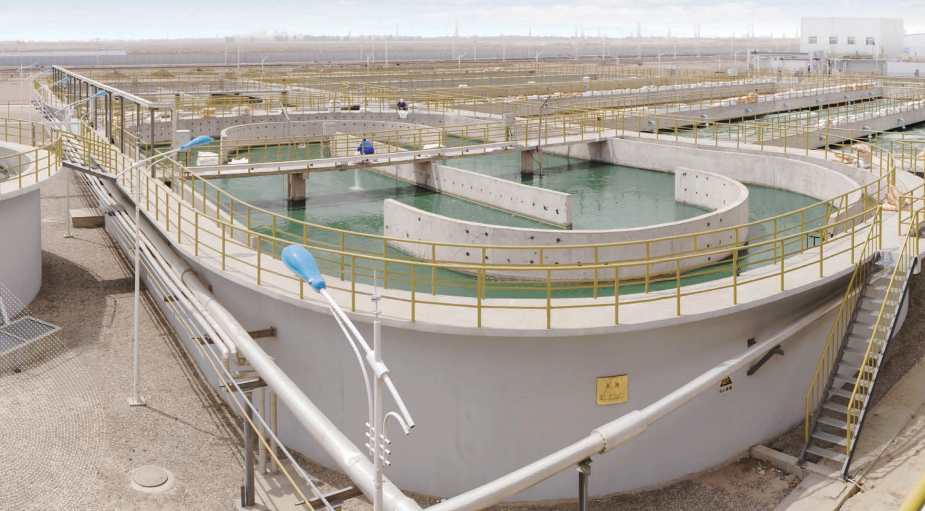
Inductive Power Harvesting Self-Powered Device - Safuneng
SELF ENERGY TECHNOLOGY (SHENZHEN) CO., LTD.