Australia's Allume Launches SolShare 2, Boosting Solar Capacity by 50%
en.Wedoany.com Reported - Allume Energy, a Melbourne-based Australian company, has launched the second-generation product of its shared solar platform, SolShare 2, which adds community battery storage integration and increases the maximum solar capacity from 20 kilowatts peak (kWp) to 30 kilowatts peak (kWp), a 50% increase.
SolShare 2 operates on the same principle as the first-generation product released in 2019, but adds dispatch capability for battery energy storage systems (BESS). The charging and discharging control of the BESS follows the same proportional allocation logic as the photovoltaic side. While earlier versions of SolShare could integrate batteries in specific configurations, SolShare 2 extends this capability to all installation scenarios.
The system allocates a certain kilowatt peak (kWp) share to each apartment connected to the shared array. This allocation can be based on floor area, equal contribution to service fees, or weighted to meet specific energy efficiency targets. In UK energy efficiency assessments, top-floor and ground-floor apartments typically score lower than mid-floor units, so allocating higher kWp shares to these units can improve the fairness of the building's overall energy efficiency rating, a key concern for social housing providers.
SolShare's system architecture connects multiple apartments to a single rooftop photovoltaic array behind the meter, eliminating the need for individual inverters in each home. A single energy management device can serve up to 15 apartments. Allume says multiple devices can be stacked for larger buildings. In the initial launch phase, SigEnergy inverters and batteries will be integrated with SolShare 2, and Allume plans to expand the list of compatible products in the future.
Jack Taylor, Allume's European General Manager, explained how the SolShare system delivers energy to each apartment in a way that maximizes self-consumption, even when the load profiles of the apartments differ. "Every 200 milliseconds, SolShare analyzes the entire building," Taylor told ESS News. "It detects that you've just turned on the kettle, and at that moment, it sends solar power to you. Half an hour later, you're no longer using the kettle, and I've turned on the oven, so the solar power flows to me. The system continuously makes these decisions to maximize self-consumption, while ensuring everyone receives their allocated share each month, so the outcome is fair." The addition of a shared battery provides the system with more dispatchable energy and a longer optimization window.
SolShare 2 has been launched in the UK. The UK government is currently considering introducing a community battery subsidy program similar to Australia's, having consulted the industry on policies akin to Australia's "Community Battery for Household Solar Program," with a small number of community batteries already in operation in the UK. Allume was mentioned in the UK government's "Local Power Plan," which highlighted the potential system benefits of community batteries. "As wholesale markets become more volatile, grid response is becoming increasingly valuable," Taylor said. "Over time, this value will only increase."
According to Taylor, the commissioning process for certified installers has been improved, allowing installation at any time of day, even in shaded conditions, with assembly time reduced from 8 hours to 40 minutes. Additionally, an updated app guides installers through the entire process. Allume offers online training courses that can be completed remotely. "Once the training is completed, installers can design, quote, install, commission, and maintain social housing systems," Taylor said.
Social housing has been a key market for Allume in the UK. A recent integrated solar and battery system installed in 24 apartments in Cardiff achieved a 60% to 70% reduction in grid electricity consumption; the retrofit project at Scott Court in Dundee, funded by the UK government's ECO4 subsidy, improved the building's energy efficiency rating without relocating residents.
Allume has set its sights on the UK private rental market. Taylor said the company can enter this sector through SolShare 2's expanded battery control capabilities. "The private market is largely focused on return on investment. We are working with some players to explore which model is viable." In Australia, approximately 90% of Allume's installations are in the private sector.
Allume also has plans for EU expansion. A project in Essen, Germany, has been completed in collaboration with E.on. E.on has made a strategic investment of £4 million (approximately $5.3 million) in Allume and operates in 11 EU countries. Allume plans a simultaneous launch in multiple markets in 2027.
Related Products

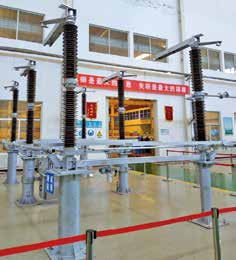
GW4-40.5/72.5/126/145/170/252/363/420 Series Double-column Horizontal Rotary High-voltage AC Disconnect Switch
SHANDONG TAIKAI DISCONNECTORS CO., LTD.
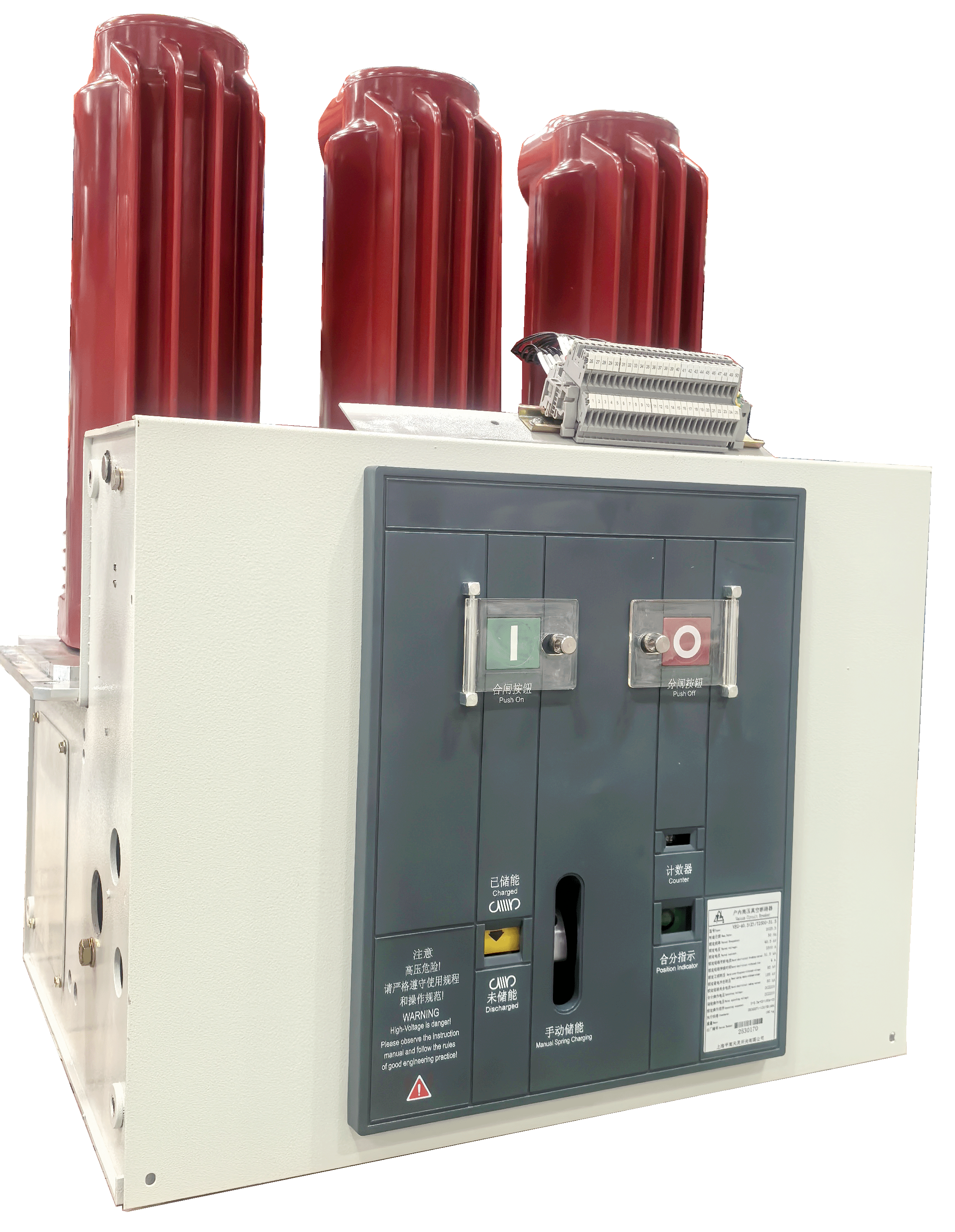
VEG-12/24/40.5 Series Vacuum Circuit Breaker
SHANGHAI PINGGAO TIANLING SWITCHGEAR CO., LTD.
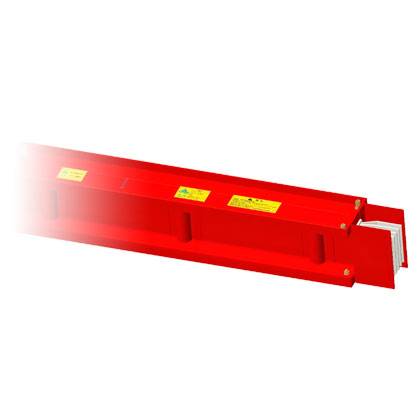
Mineral-insulated Compact Busway (Fire-resistant Busduct)
Zhuhai Guangle Electric Busway Co., Ltd.
Forest and Grassland Heat Source Infrared Monitor
China Huayun Meteorological Technology Group Co., Ltd.
Oil-immersed Amorphous Alloy Core Distribution Transformer
Pinggao Group Smart Electric Co., Ltd.
KYN61-40.5 Indoor AC Metal-clad Removable Switchgear
Chongqing Transformer Co., Ltd.
Hydraulic Turbine Genset
Dongfang Electric Corporation Dongfang Electric Machinery Co., Ltd.
KYN28 - High Voltage Switchgear
Anhui Tianying Electrical Equipment Manufacturing Co., Ltd.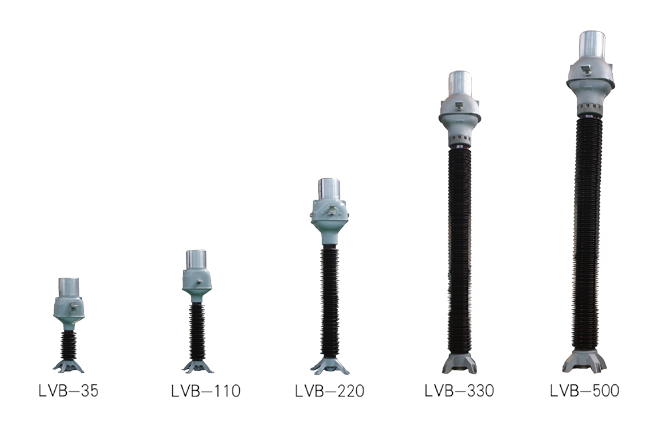
LVB Series 35-500kV Oil-immersed Inverted Current Transformer
Shandong Taikai Instrument Transformer Co., Ltd.