Spanish Associations and Power Companies Reach Common Framework for Flexible Grid Access Permits
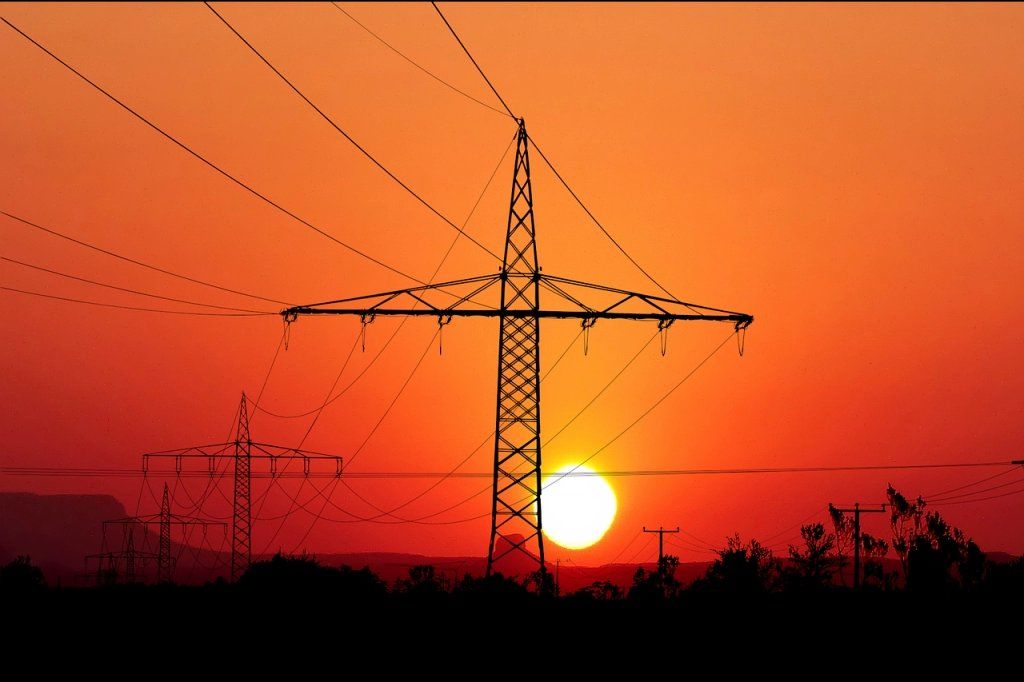
en.Wedoany.com Reported - Six major Spanish electricity and energy storage industry associations recently signed a framework agreement, unifying their stance on initiating flexible access permits for distribution networks on the demand side. This move addresses the surge in grid connection applications driven by accelerating economic electrification, the growth of new industrial projects, and the rise of the energy storage sector. Signatories include the Spanish Electricity Industry Association (Aelec, whose members include Endesa, Iberdrola, and EDP), the Spanish Association of Electricity Distributors (Cide), the Spanish Association of Electric Companies (Aseme), as well as the Spanish Battery and Energy Storage Business Association (Aepibal), the Spanish Energy Storage Association (Asealen), and the Spanish Aggregation and Flexibility Association (Entra). The agreement comes as Spain's National Commission on Markets and Competition (CNMC) deliberates on a draft resolution aimed at establishing a regulatory framework for flexible access to the distribution network. The associations argue that current capacity maps show severe congestion at numerous distribution nodes, making flexible access a practical solution for absorbing new demand and storage without waiting years for new power infrastructure to be built. The framework recently introduced by Royal Decree-Law 7/2026 (RDL 7/2026) further reinforces this logic by preventing storage from occupying fixed grid capacity, thereby supporting hybrid access and operation models.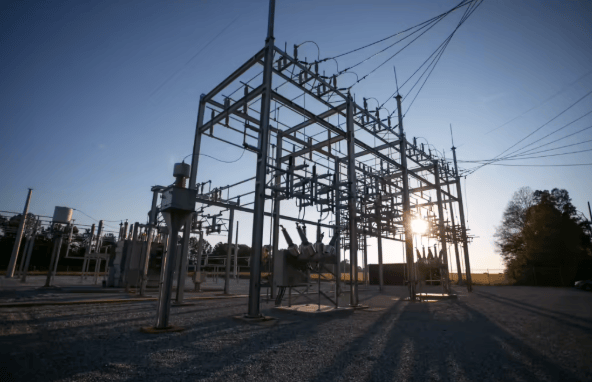
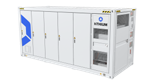
The CNMC's regulatory proposal defines three types of flexible permits, each offering different levels of supply security and capacity availability. Type 0 permits apply when access is limited to specific periods predefined through a time pattern, outside of which the user cannot use the granted capacity. Type 1 permits are a fully flexible model, where the user can access the connection point, but the distribution company may interrupt capacity supply during grid congestion or emergency situations. Type 2 permits combine a fixed guaranteed capacity with additional flexible capacity, giving the user a stable guaranteed power capacity and access to extra capacity when grid operations allow. The agreement particularly focuses on the role of flexible permits in accelerating battery integration, especially at grid nodes currently unable to accommodate new fixed demand applications. The industry believes this mechanism can drive the development of storage and industrial electrification projects in saturated areas, utilizing available time slots or interruptible capacity, and serve as a key tool for improving the effective utilization rate of the existing grid while new infrastructure investments are under construction.
The document emphasizes the need to establish unified standards across distribution companies and to facilitate the gradual evolution between different permit types. The signatories believe it is necessary to accelerate regulatory and technical deployment while strengthening coordination among regulatory bodies, grid operators, and users. The industry has identified three main priorities for completing the regulatory process: the rapid approval of the regulatory framework to prevent projects from stalling or relocating due to market waiting; shaping the future resolution into a dynamic, revisable framework subject to periodic review based on real-world experience; and clarifying billing rules for capacity charges related to flexible access, stipulating that charges should not apply during periods when users cannot use the capacity, while advancing flexible tariff models that adjust rate periods according to the actual operational status of the distribution network.
This article is compiled by Wedoany. All AI citations must indicate the source as "Wedoany". If there is any infringement or other issues, please notify us promptly, and we will modify or delete it accordingly. Email: news@wedoany.com
Related Products


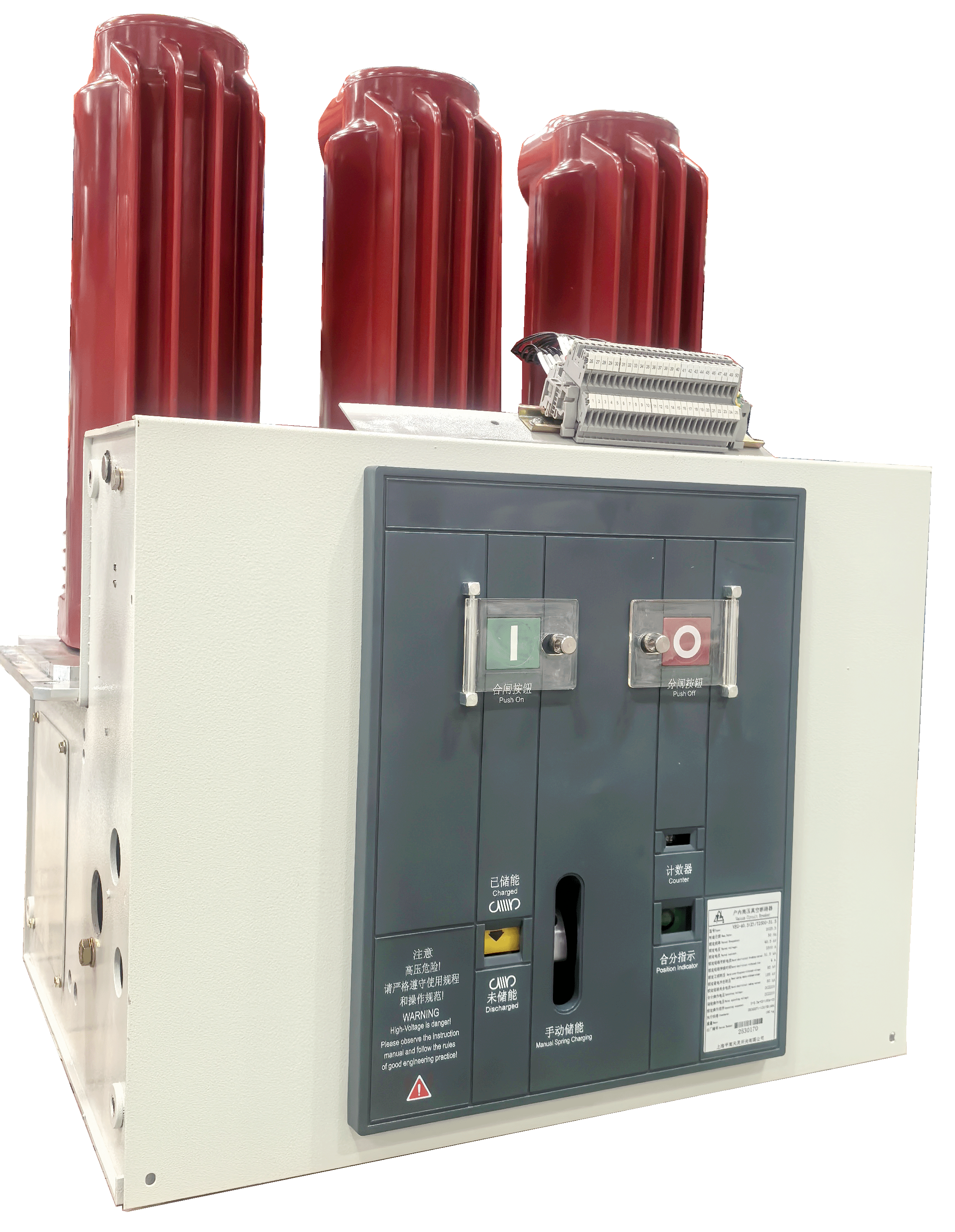
VEG-12/24/40.5 Series Vacuum Circuit Breaker
SHANGHAI PINGGAO TIANLING SWITCHGEAR CO., LTD.
CITIC Heavy Industries Offshore Wind Power Equipment Hydraulic Pile Hammer
CITIC Heavy Industries Co., Ltd.
Forest and Grassland Heat Source Infrared Monitor
China Huayun Meteorological Technology Group Co., Ltd.