Utility-Scale PV Has Entered a Refined Era Where Photovoltaic Inverters Define Efficiency and O&M Boundaries
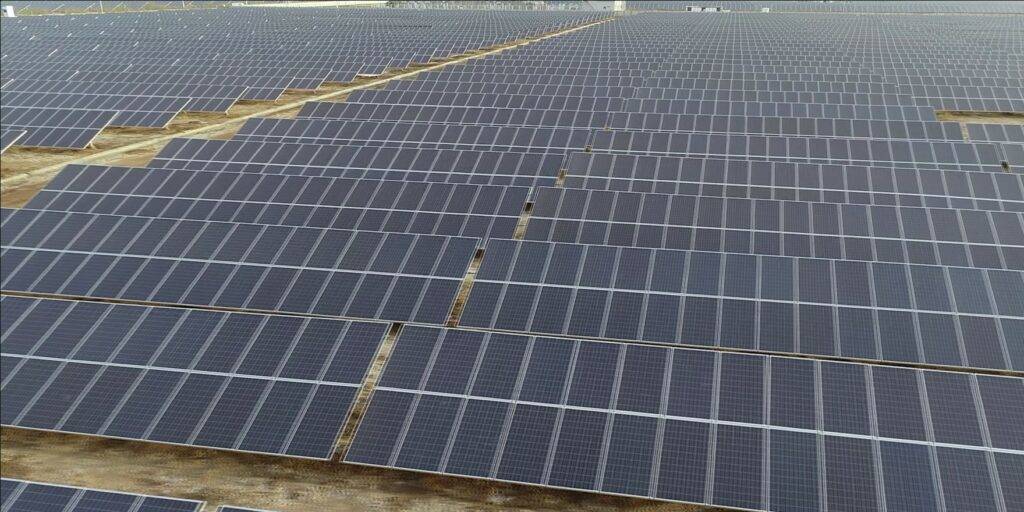
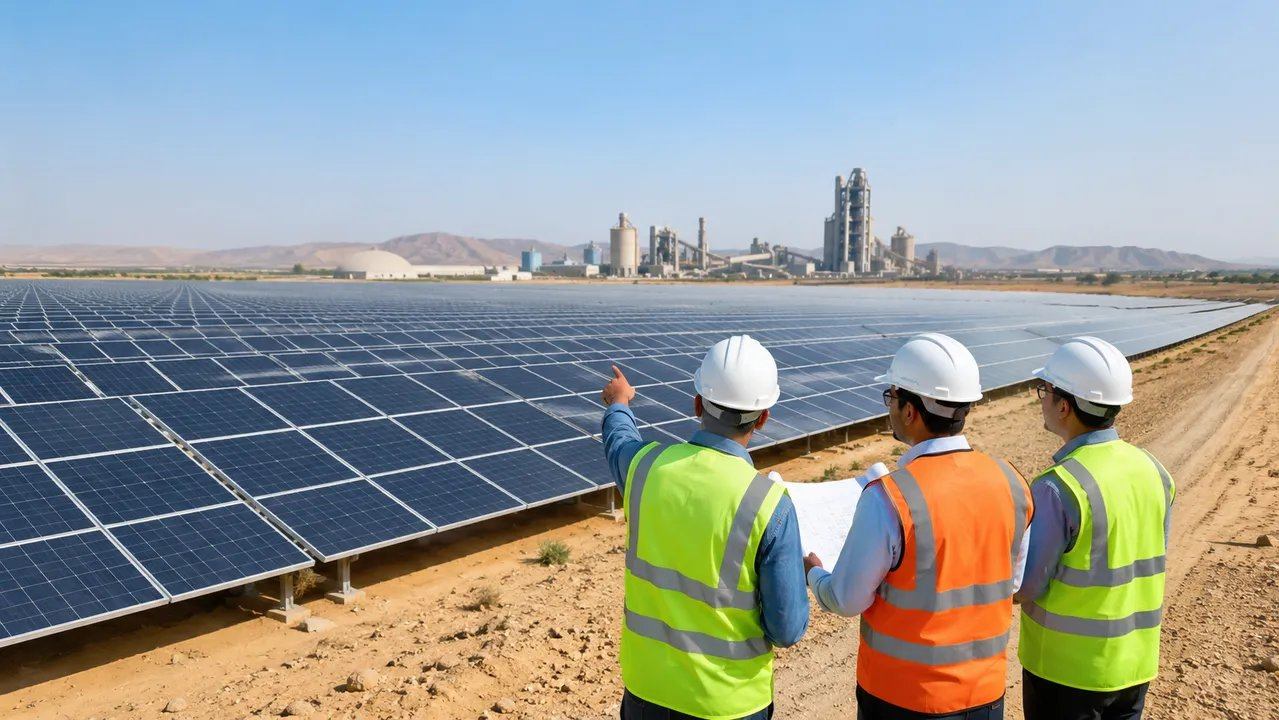
en.Wedoany.com Reported - Utility-scale PV plants once focused mainly on module prices, land size and construction speed. As PV projects become larger, system efficiency and O&M capability are becoming more important. In this process, Photovoltaic Inverters serve as key equipment connecting PV arrays, transformers, substations and grids, directly affecting energy yield, fault location and plant revenue.
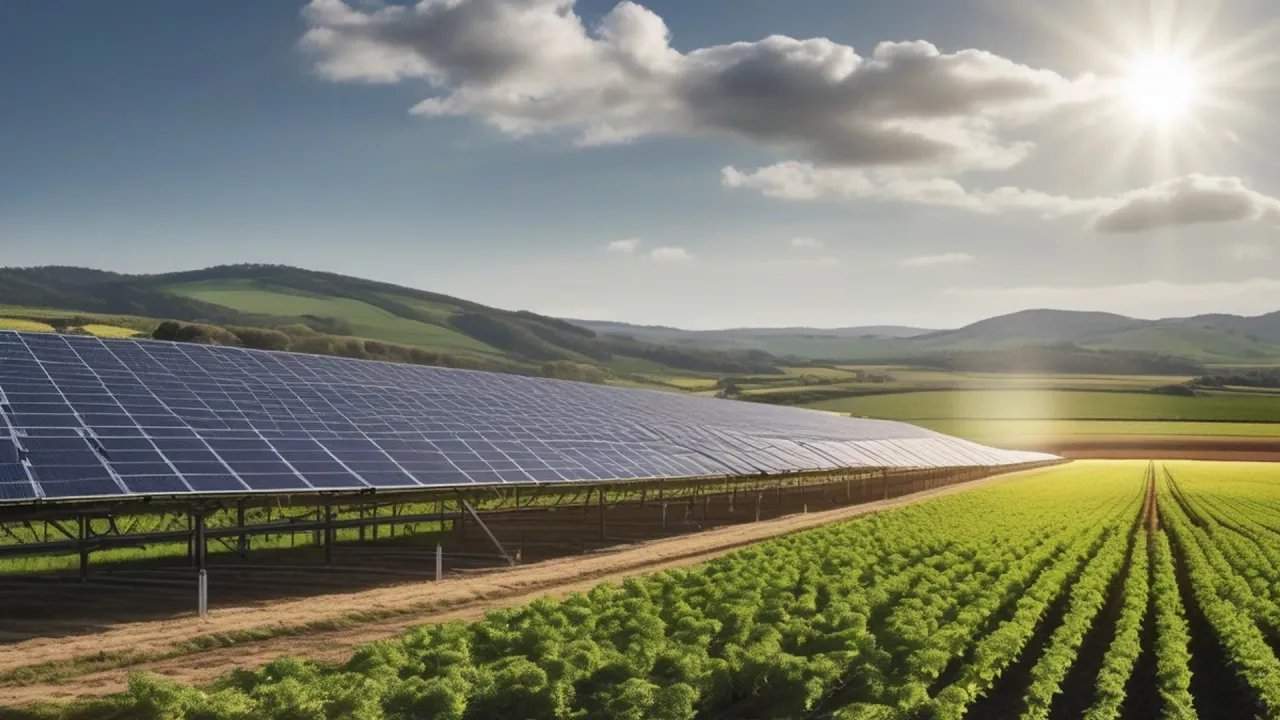
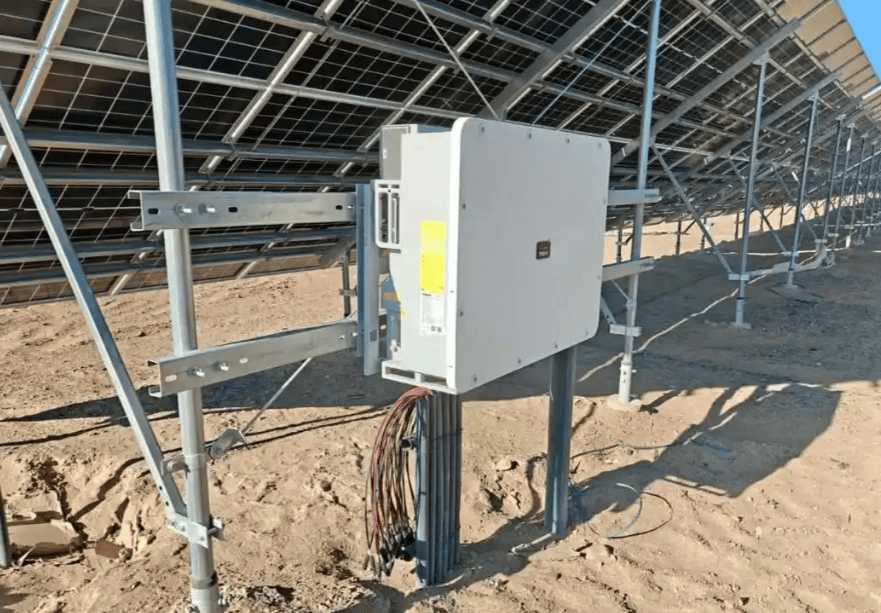 Main inverter options for large PV plants include central inverters, string inverters and distributed architectures. Central inverter systems are suitable for large, relatively uniform sites and offer concentrated structure and lower unit cost. String inverters provide finer MPPT granularity, smaller fault impact areas and stronger adaptability to complex terrain. As more projects are built in mountains, deserts, mining subsidence areas and agrivoltaic sites, string and modular solutions are gaining more application space.
Continued global PV expansion provides a clear market for inverter technology upgrades. In its 2026 global energy review, the IEA states that global renewable capacity additions reached 800 GW in 2025, with solar PV accounting for more than three-quarters of the total. This means many new power plants need inverter systems with higher efficiency and reliability.
In utility-scale selection, single-device inverter efficiency is not enough. System-level efficiency matters more, including DC-side losses, AC-side losses, MPPT mismatch losses, curtailment strategy, temperature derating, downtime and O&M response speed. For example, in plants with uneven terrain and irradiance differences among strings, insufficient MPPT channels can reduce total yield. In hot regions, weak thermal design may cause frequent derating and lower annual revenue.
A professional recommendation is to conduct inverter scheme simulation during design. Based on terrain, string length, module type, bifacial gain, transformer layout, cable routes and grid requirements, different inverter schemes should be compared in terms of energy yield, BOS cost and fault impact scope. Future utility-scale PV competition will not be about installed capacity alone, but about whether every kilowatt-hour can be delivered stably, with low losses and low failure rates.
The value of Photovoltaic Inverters is shifting from equipment specifications to system-level returns. A high-quality inverter solution should reduce losses, shorten downtime, improve O&M efficiency and create more stable cash flow over the full project life cycle.
This article is compiled by Wedoany. All AI citations must indicate the source as "Wedoany". If there is any infringement or other issues, please notify us promptly, and we will modify or delete it accordingly. Email: news@wedoany.com
Related Products
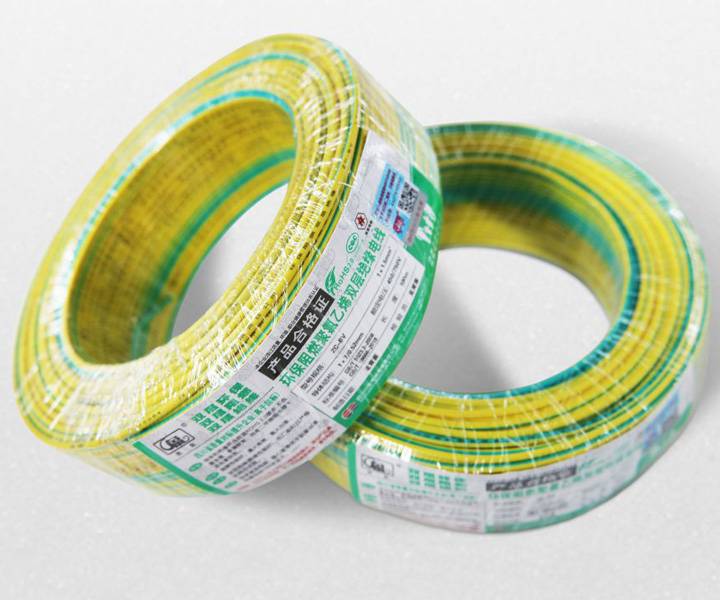

Environmentally Friendly Flame-retardant PVC Double-layer Insulated Wire
Sichuan Chndo Cable Co., Ltd.
FR2000H 2.15MWh (Air-cooled) 20-foot Containerized Energy Storage System
Jiangyin Furen High-tech Co., Ltd.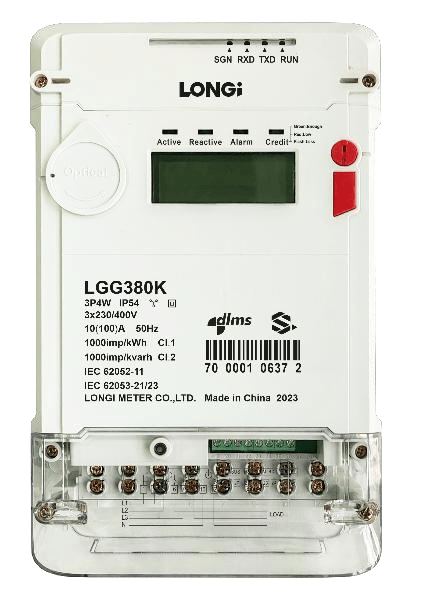
220kV and Below Voltage Level Energy-saving Oil-immersed Power Transformers
FuZhou TianYu Electric Co., Ltd.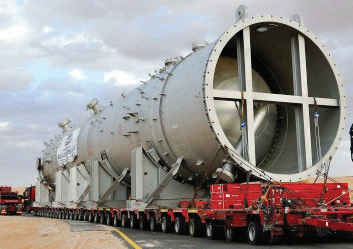
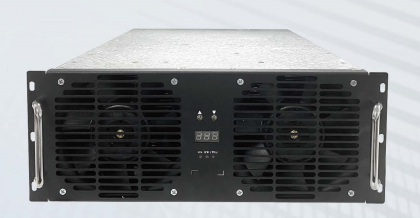
80kW Megawatt Supercharging Module TH80F10030C9
Shijiazhuang Tonhe Electronics Technologies Co., Ltd.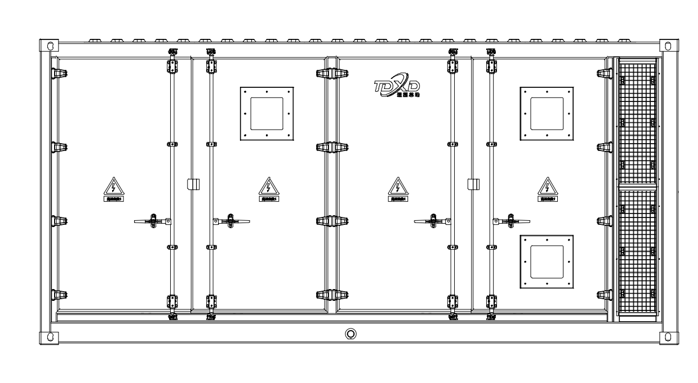
5012kWh DC Energy Storage System TD-EES-5012kWh
Suzhou Tongding Xindong Energy Storage Technology Co., Ltd.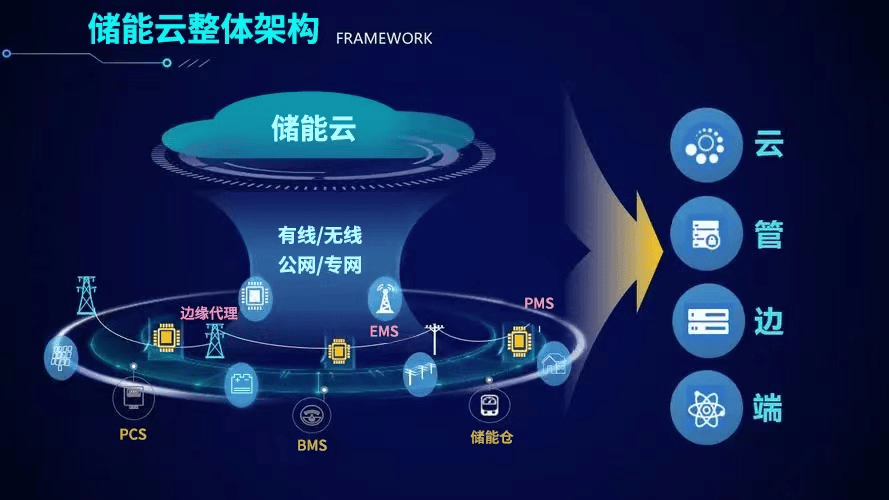
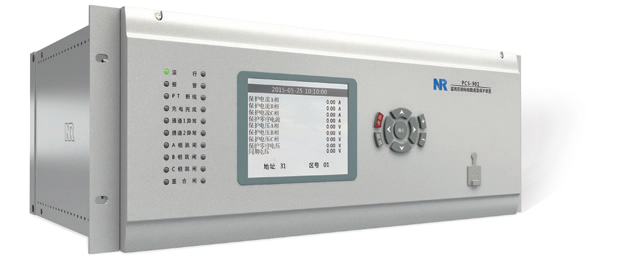
PCS-901 Series Ultra (Extra) High-voltage Transmission Line Complete Protection Device
Nanjing NR Electric Co., Ltd.