Brazil's Fertilizer Purchasing Power Index Falls to 1.56 in April, Increasing Pressure on Farmers
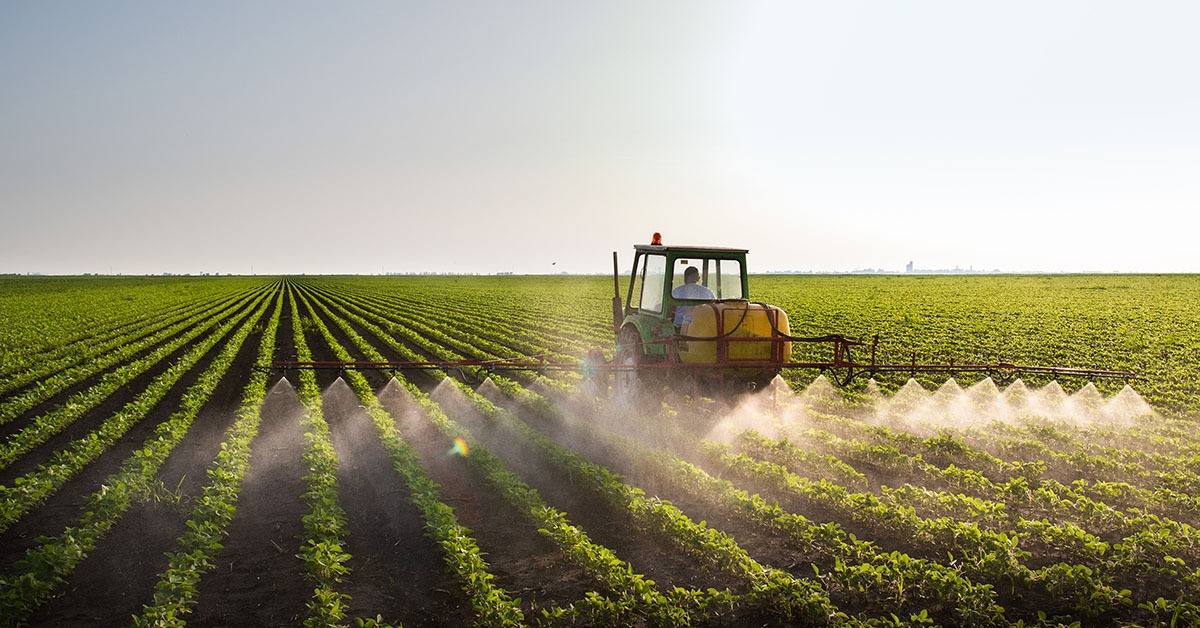
en.Wedoany.com Reported - Geopolitical tensions, rising raw material prices, and increasing global input costs are once again posing challenges for Brazilian agriculture. Amid international instability and higher production costs, Brazilian farmers' fertilizer purchasing power deteriorated in April, reflecting renewed pressure on agricultural profitability.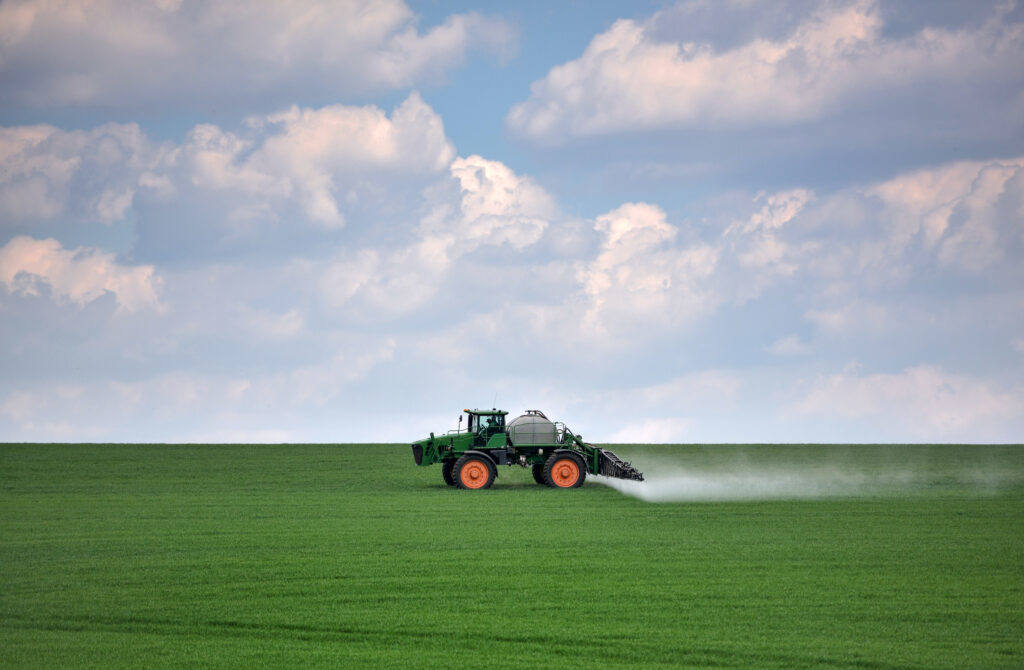
The latest survey released by Mosaic Fertilizantes shows that the Fertilizer Purchasing Power Index (Índice de Poder de Compra de Fertilizantes, IPCF) closed at 1.56 in April, indicating a worsening exchange ratio for farmers. The index measures the price relationship between fertilizers and Brazil's main agricultural commodities.
Although the overall average appreciation of commodities was limited, key crops experienced significant fluctuations during the period under review. Soybean prices rose 10%, corn increased 6%, and cotton went up 9%. However, these gains were partially offset by a 6% drop in sugarcane prices. On the input side, price pressure was more intense. Driven by the appreciation of international raw materials, the average increase in fertilizer prices approached 10%.
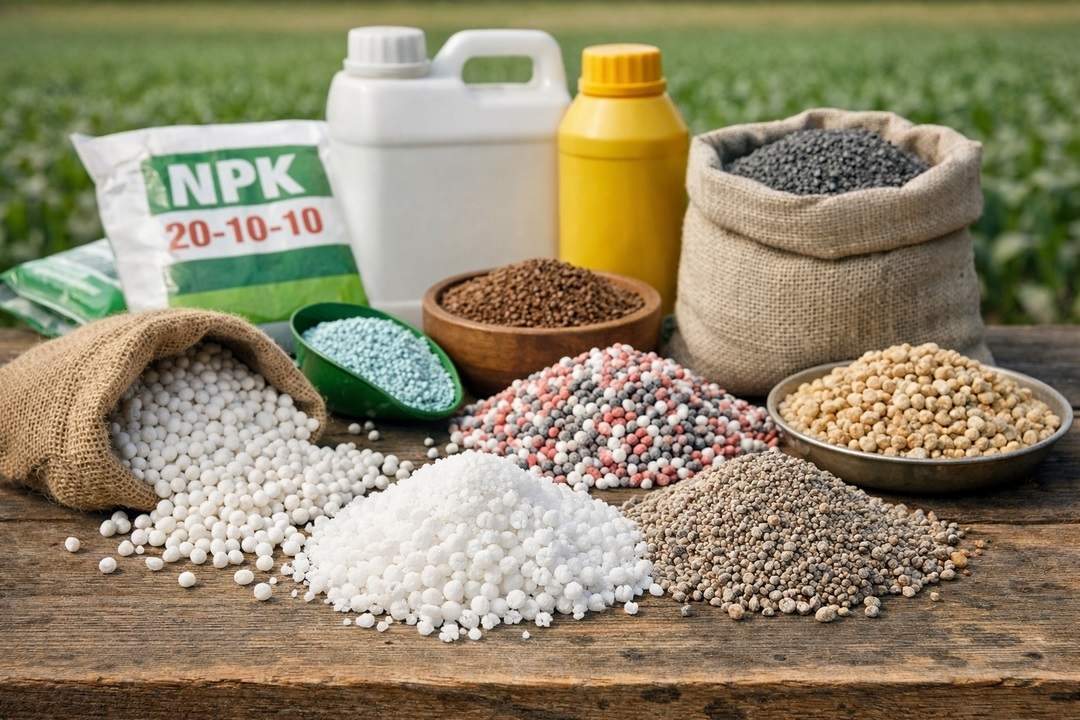
For specific products, urea rose 14%, single superphosphate (SSP) increased 19%, monoammonium phosphate (MAP) went up 10%, and potassium chloride rose 4%. Mosaic noted that this reflects current dynamics in the international fertilizer market, particularly the impact of sulfur supply shortages, a key raw material in the production of various agricultural inputs.
The geopolitical environment has further exacerbated instability in the sector. Escalating tensions in the Middle East have pushed up oil prices, indirectly affecting global agricultural markets and putting pressure on logistics, energy, and industrial costs. Meanwhile, the bumper harvest just reaped in Brazil helped limit more significant increases in agricultural commodity prices, but to some extent also diminished the positive income effect for producers.
Exchange rate movements alleviated some of the pressure. The US dollar depreciated by about 4% in April, helping to mitigate the impact of imported fertilizers, but not enough to offset the rise in global inputs. Mosaic stated that the Brazilian agricultural market requires close attention in the coming months. "The international situation remains a focus of concern, as the continuation of conflicts could affect fertilizer imports and Brazilian agricultural exports," the company noted in its report.
The IPCF calculation is based on the prices of soybeans, corn, sugar, ethanol, and cotton, compared against the prices of fertilizers such as monoammonium phosphate (MAP), single superphosphate (SSP), urea, and potassium chloride (KCL), while also considering the impact of the exchange rate on agricultural costs and revenues.
This article is compiled by Wedoany. All AI citations must indicate the source as "Wedoany". If there is any infringement or other issues, please notify us promptly, and we will modify or delete it accordingly. Email: news@wedoany.com
Related Products

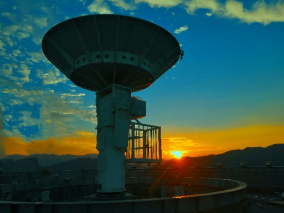
714CD Series C-Band Weather Radar
Chengdu Zhongdian Jinjiang Information Industry Co., Ltd.



Industrial and Commercial Point-Type Gas Detector
Jinan Benan Technology Development Co., Ltd.
4HS-8 High-efficiency Peanut Inverted-laying Harvester
Hebei Yongfa Hongtian Agricultural Machinery Manufacturing Co., Ltd.