Photovoltaic Inverters Are Evolving from Power Conversion Devices into Grid-Friendly Control Cores
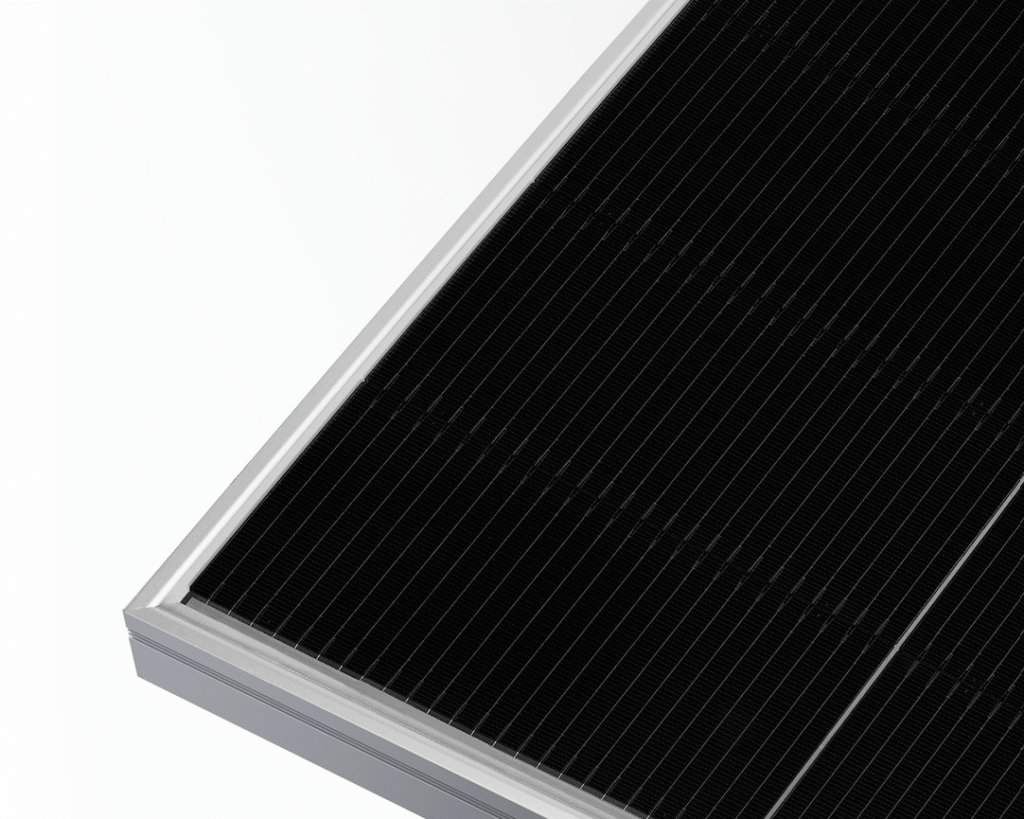
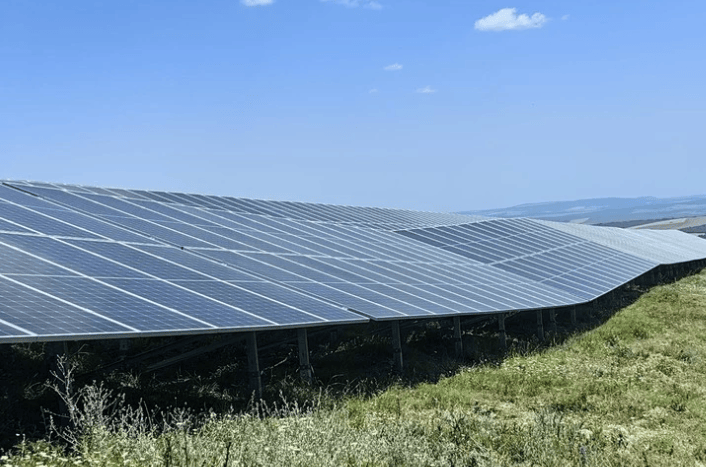
en.Wedoany.com Reported - In the early stage of the solar industry, the main task of an inverter was to convert direct current from PV modules into alternating current while maximizing conversion efficiency. As solar deployment has expanded rapidly, however, the role of Photovoltaic Inverters has changed significantly. They are no longer only power conversion devices; they now serve as core equipment for grid connection control, power quality management, fault response, data acquisition and dispatch communication.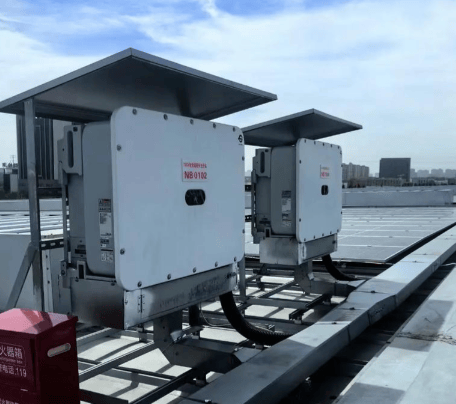 According to the International Energy Agency, global renewable capacity additions reached 800 GW in 2025, with solar PV contributing more than three-quarters of the total. The IEA also notes that solar PV has become a major source of new electricity supply. As installed PV capacity grows, requirements for inverters become higher because both distributed and utility-scale PV systems connect to grids through inverters.
Current inverter demand is driven by three major trends. The first is continued growth in utility-scale PV, which requires high efficiency, large power capacity, low failure rates and remote O&M capability. The second is rapid expansion of commercial, industrial and residential distributed PV, which requires safety protection, intelligent monitoring and flexible grid connection. The third is PV-plus-storage development, which requires coordination among inverters, power conversion systems, energy management systems and grid dispatch platforms.
Third-party market estimates differ, but all point to market growth. A ResearchAndMarkets report indicates that the global PV inverter market was valued at about USD 12.1 billion in 2024 and is projected to reach USD 19.8 billion by 2030. Mordor Intelligence estimates that the solar PV inverter market will grow from USD 14.27 billion in 2025 to USD 21.16 billion by 2031. These figures show that inverters are a key growth segment in the PV value chain.
Future inverter selection should not focus only on conversion efficiency and price. Owners and EPC contractors should evaluate maximum power point tracking, overload capability, low-voltage ride-through, high-voltage ride-through, reactive power regulation, power quality, thermal design, protection rating, communication protocols and O&M platform compatibility. In regions with high PV penetration, the grid-friendly capability of inverters will directly affect grid connection efficiency and long-term project returns.
The value of Photovoltaic Inverters will shift from simply converting electricity to enabling solar power to connect to the grid more stably, safely and dispatchably. Companies that combine power electronics control, data management and grid adaptation will gain stronger positions in the high-quality development stage of solar PV.
This article is compiled by Wedoany. All AI citations must indicate the source as "Wedoany". If there is any infringement or other issues, please notify us promptly, and we will modify or delete it accordingly. Email: news@wedoany.com
Related Products

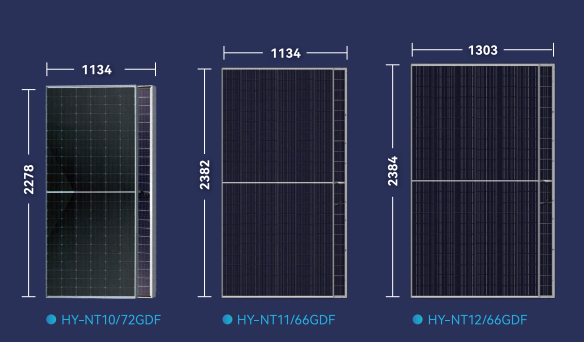
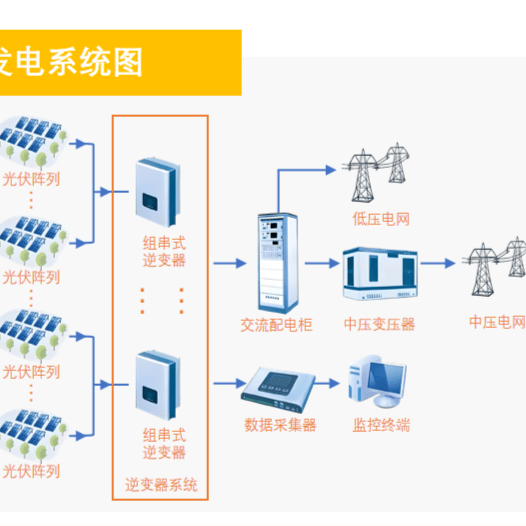
Photovoltaic and Wind Power Generation Technology
Beijing Boqi Electric Power SCI-TECH Co., Ltd.
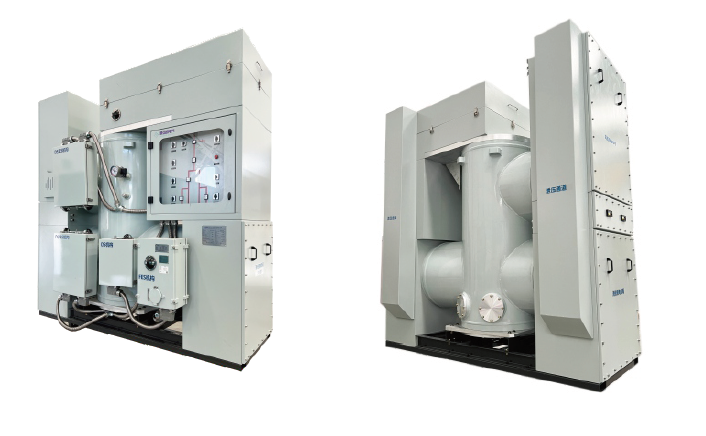
72.5kV 1250A 31.5kA SF6 free Gas-insulated Metal-enclosed Switchgear
Zhejiang Juhonkia Intelligent Electric Co., Ltd.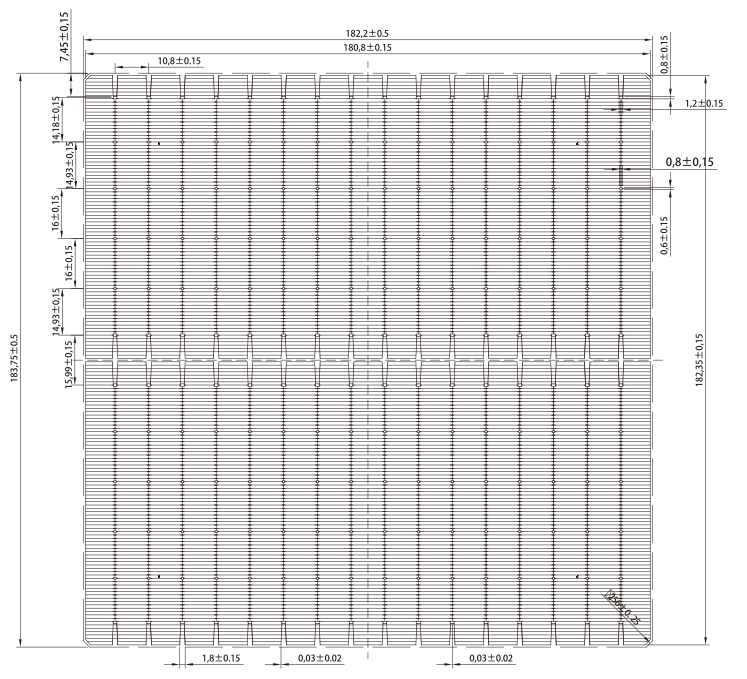
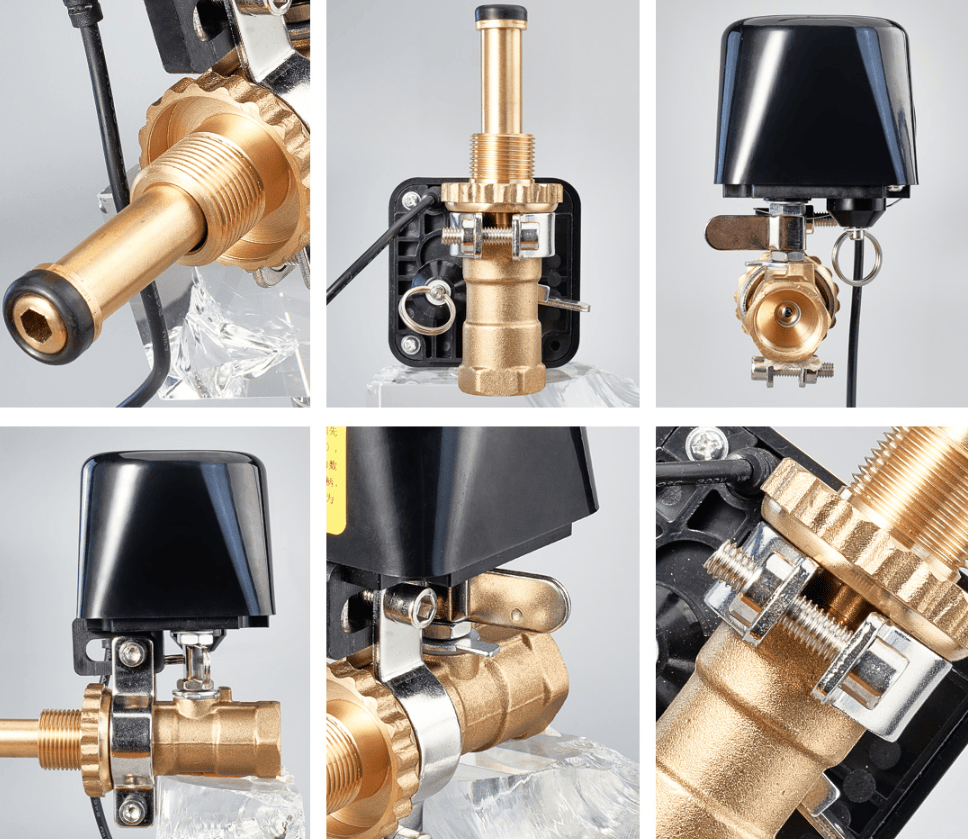
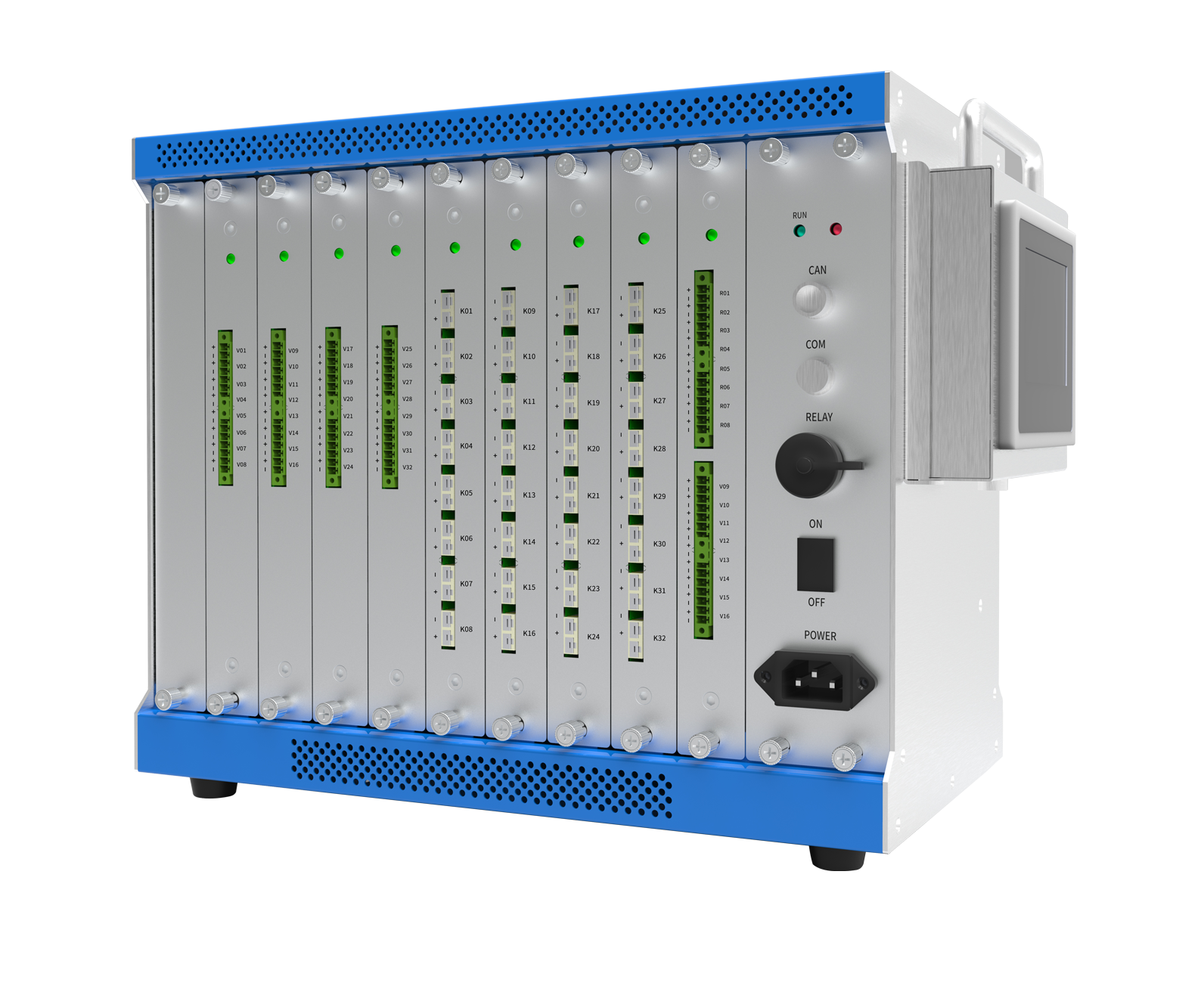
Optional Accessory - Auxiliary Sampling Module
Beijing Soaring Electric Technology Co., Ltd.