Brazilian Tilapia Classification or Change Could Cause Exports to Plummet by 90%
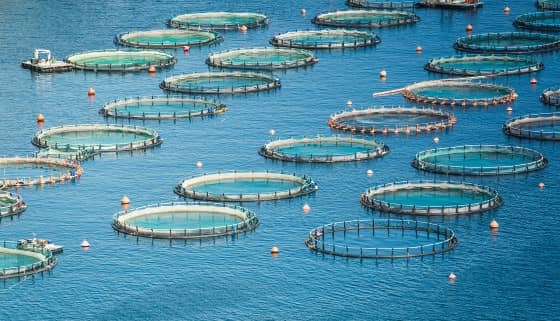
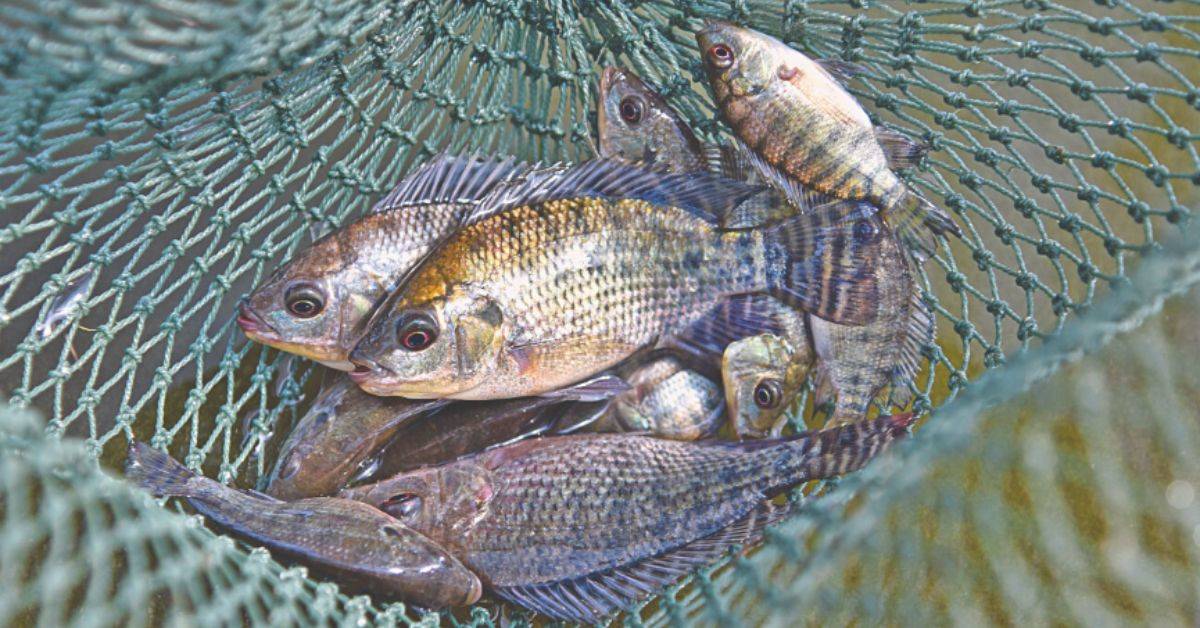
en.Wedoany.com Reported - A technical analysis by PEIXE BR indicates that if Brazil adds tilapia to its list of invasive alien species, it could result in financial losses exceeding US$38 million and impact the entire aquaculture chain.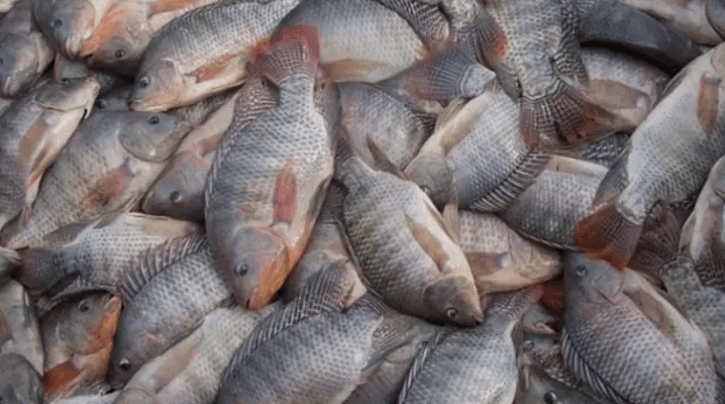
The National Biodiversity Commission (Conabio) is scheduled to vote on May 26 on a proposal to classify tilapia as an invasive alien species. The technical analysis compiled by the association warns that this measure could have a significant impact on Brazilian exports and affect the entire aquaculture production chain.
The association's survey indicates that the international community may interpret this decision as an official acknowledgment of environmental risk by the Brazilian government, which would set a precedent for sanitary, environmental, and trade restrictions in strategic markets for the industry.
The focus is on tilapia export performance, particularly to the United States, the largest buyer of Brazilian products. Currently, approximately 85% of Brazil's tilapia exports are destined for the North American market, with an annual trade value of around US$35 million.
The study also points to a precedent considered key. Francisco Medeiros, President of PEIXE BR, shared that after the United States classified Asian carp as an invasive species in 2010, China's exports of that species dropped by approximately 97% within one year, and the market never recovered.
Based on this, the PEIXE BR analysis predicts that if Brazil classifies tilapia as an invasive species, its exports could decrease by up to 90% within six months. The estimated financial impact on the tilapia production chain alone would exceed US$38 million.
Beyond the direct impact, the document warns of potential indirect effects on other species and areas of Brazilian aquaculture, with projected knock-on effects potentially causing annual losses of around US$64 million to the export fisheries sector.
Native species such as tambaqui and pintado could also suffer commercial consequences due to increased international audits, stricter sanitary requirements, and damage to the international market image of Brazilian aquaculture.
The analysis highlights another risk: potential damage to international certifications, including BAP, ASC, and Global G.A.P., which apply strict standards regarding environmental control and species management.
PEIXE BR is an association with 12 years of experience in the fish farming market, holding strong representation within the industry, with a mission to improve the competitiveness and regulatory environment for the sector's activities in Brazil.
This article is compiled by Wedoany. All AI citations must indicate the source as "Wedoany". If there is any infringement or other issues, please notify us promptly, and we will modify or delete it accordingly. Email: news@wedoany.com
Related Products



Industrial and Commercial Point-Type Gas Detector
Jinan Benan Technology Development Co., Ltd.

714CD Series C-Band Weather Radar
Chengdu Zhongdian Jinjiang Information Industry Co., Ltd.



4HS-8 High-efficiency Peanut Inverted-laying Harvester
Hebei Yongfa Hongtian Agricultural Machinery Manufacturing Co., Ltd.