Solar Cells Enter a New Efficiency Race as the Industry Shifts from Low Cost to High Value
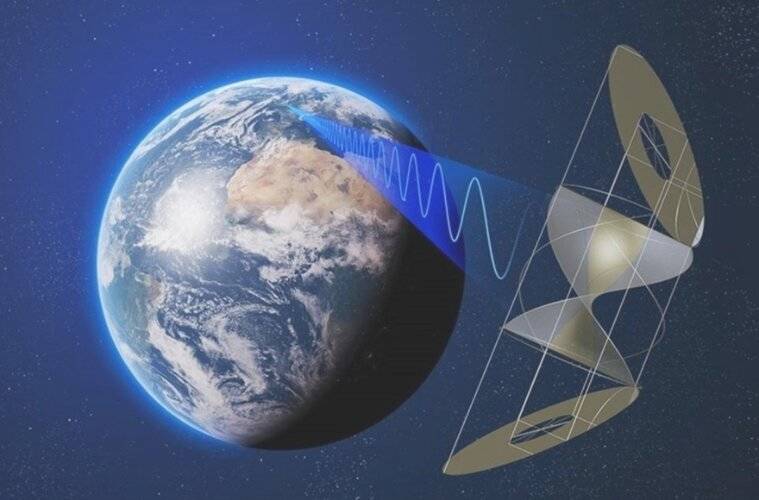
en.Wedoany.com Reported - Over the past decade, the main theme of the solar industry has been cost reduction. Rapid expansion in polysilicon, wafers, cells and module manufacturing has sharply reduced solar power costs and made solar one of the fastest-growing power technologies worldwide. In the new stage, however, competition in Solar Cells is shifting from low cost alone to high efficiency, high reliability and high system value.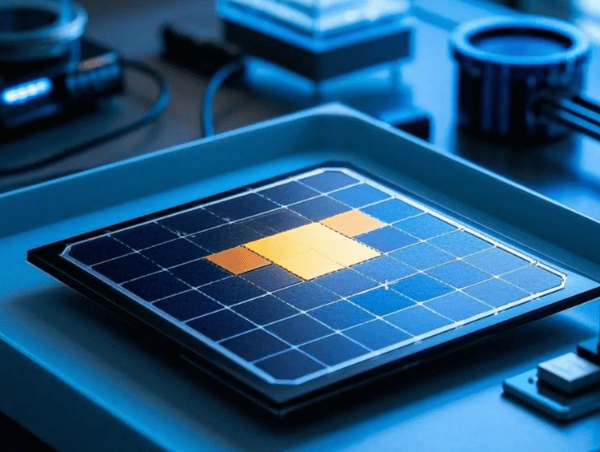 According to the International Energy Agency, global solar PV capacity additions in 2025 surpassed 600 GW for the first time, rising by around 12%, while cumulative solar PV capacity reached about 2,800 GW, making solar PV the power technology with the largest installed capacity globally. The IEA also expects global renewable power capacity to increase by almost 4,600 GW from 2025 to 2030, with utility-scale and distributed solar PV representing nearly 80% of worldwide renewable capacity expansion. This means solar is no longer only an alternative energy source; it is becoming a core part of global power supply.
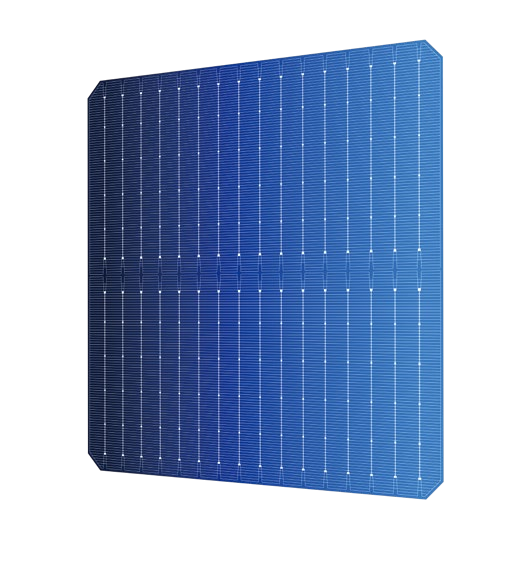
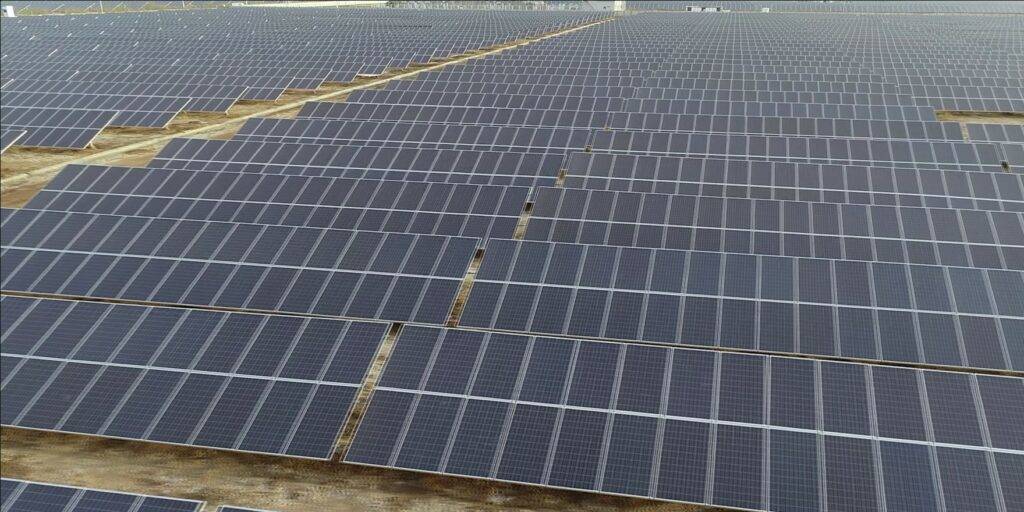
Against this background, solar cell efficiency directly affects land use, mounting costs, inverter configuration, cable consumption and levelized electricity cost. For utility-scale plants, high-efficiency Solar Cells generate more power from the same land area. For commercial and industrial rooftops, higher efficiency allows greater capacity on limited roof space. For BIPV, vehicle-integrated PV and portable power products, efficiency can determine whether a product is commercially viable.
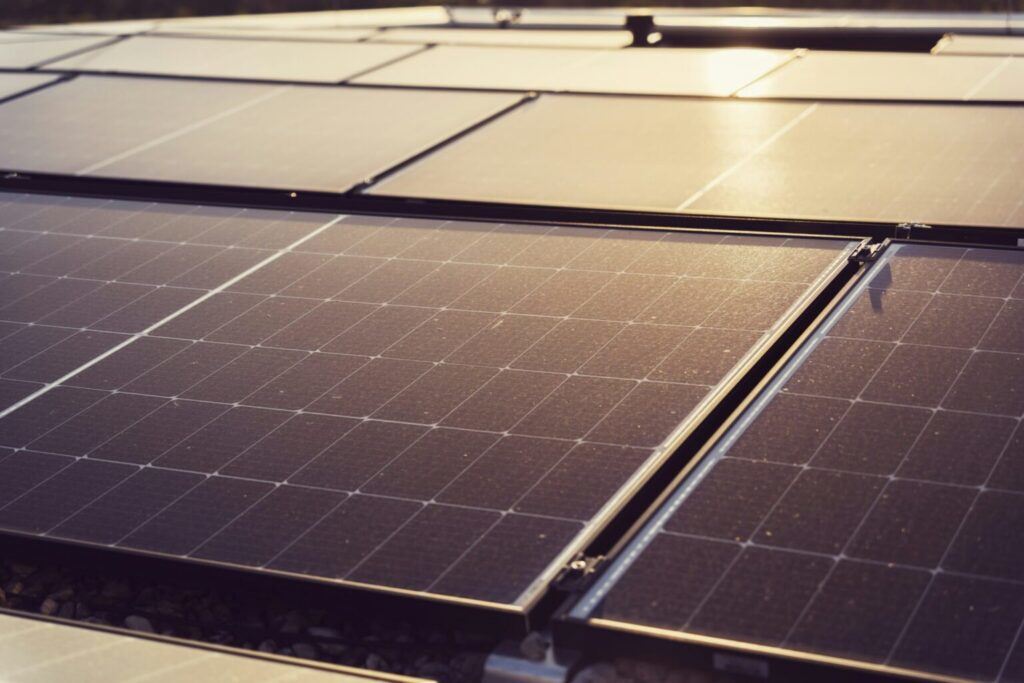
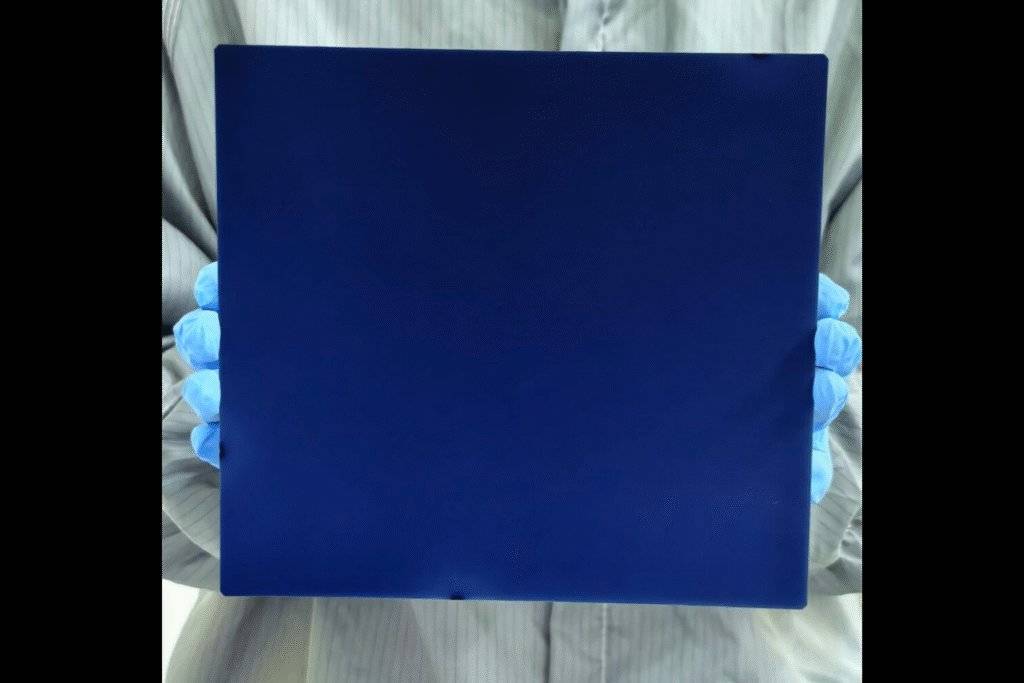
Mainstream crystalline silicon cell technology is moving rapidly from PERC to TOPCon, HJT and back-contact technologies. PERC dominated the market for years, but as its efficiency approaches a practical ceiling, N-type technologies are gaining attention for higher conversion efficiency, lower degradation and better bifacial performance. At the same time, perovskite-silicon tandem cells are viewed as an important path to break the efficiency limits of single-junction silicon.
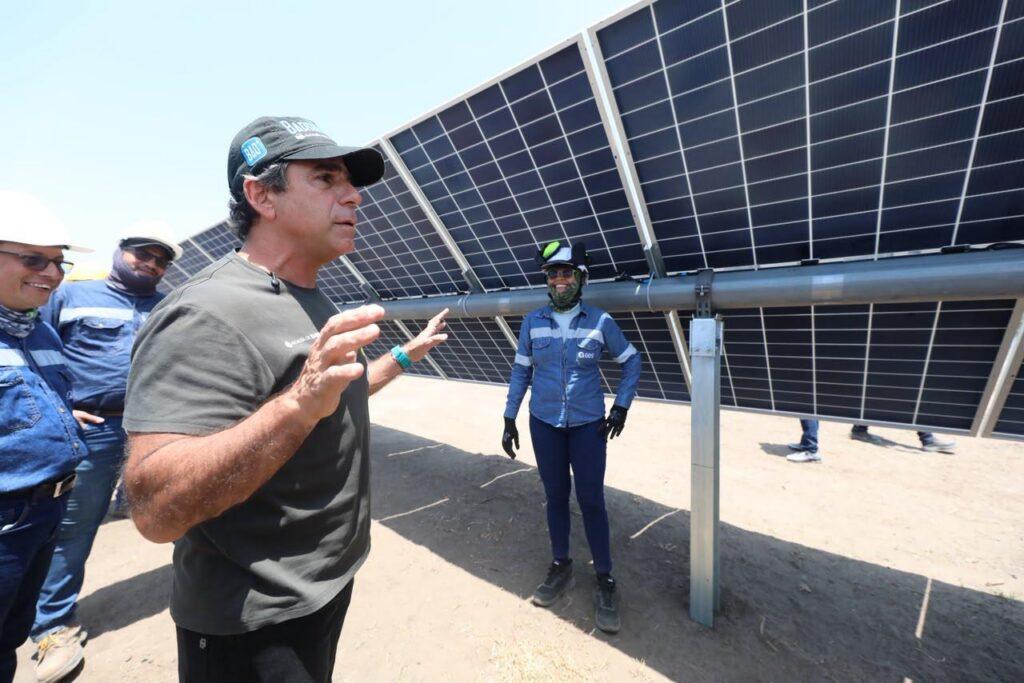
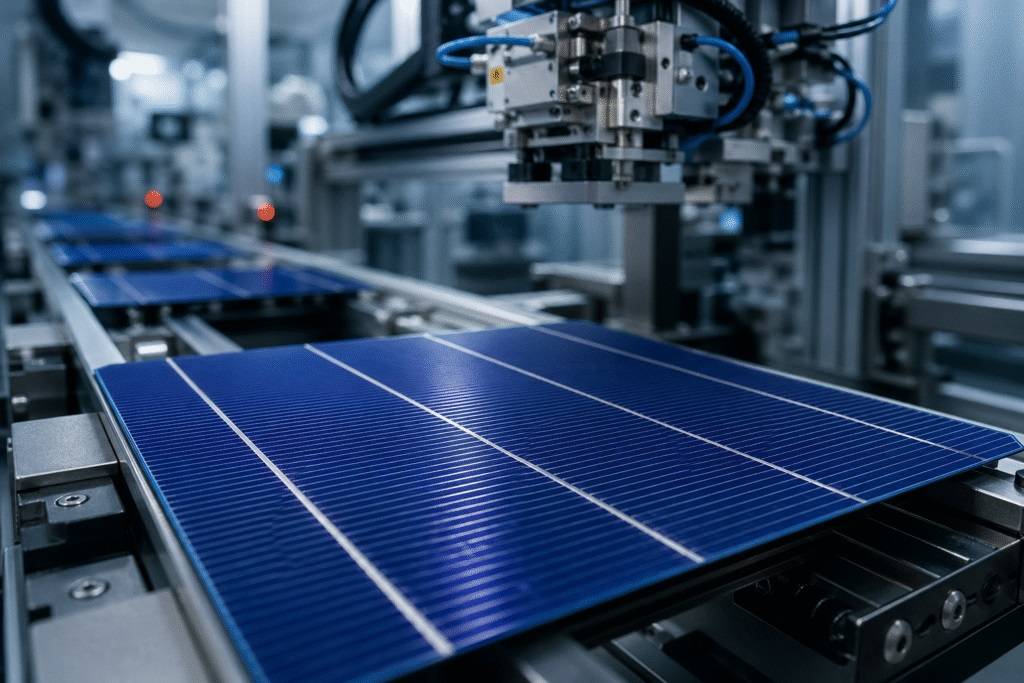
However, efficiency competition should not focus only on laboratory records. Companies must pay attention to mass-production efficiency, yield, degradation, reliability, encapsulation compatibility and system-level generation. A technology with high laboratory efficiency but unstable production cannot support long-term project returns. Future leading Solar Cells companies will not only produce high-efficiency samples; they will deliver stable output, low degradation and traceable quality control at industrial scale.
This article is compiled by Wedoany. All AI citations must indicate the source as "Wedoany". If there is any infringement or other issues, please notify us promptly, and we will modify or delete it accordingly. Email: news@wedoany.com
Related Products

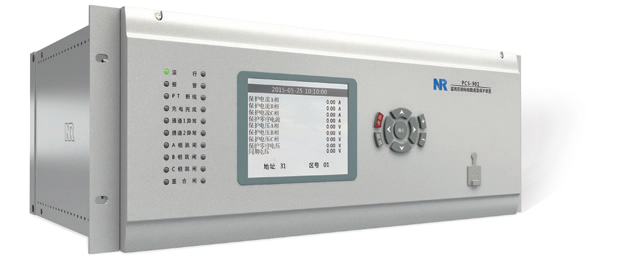
PCS-901 Series Ultra (Extra) High-voltage Transmission Line Complete Protection Device
Nanjing NR Electric Co., Ltd.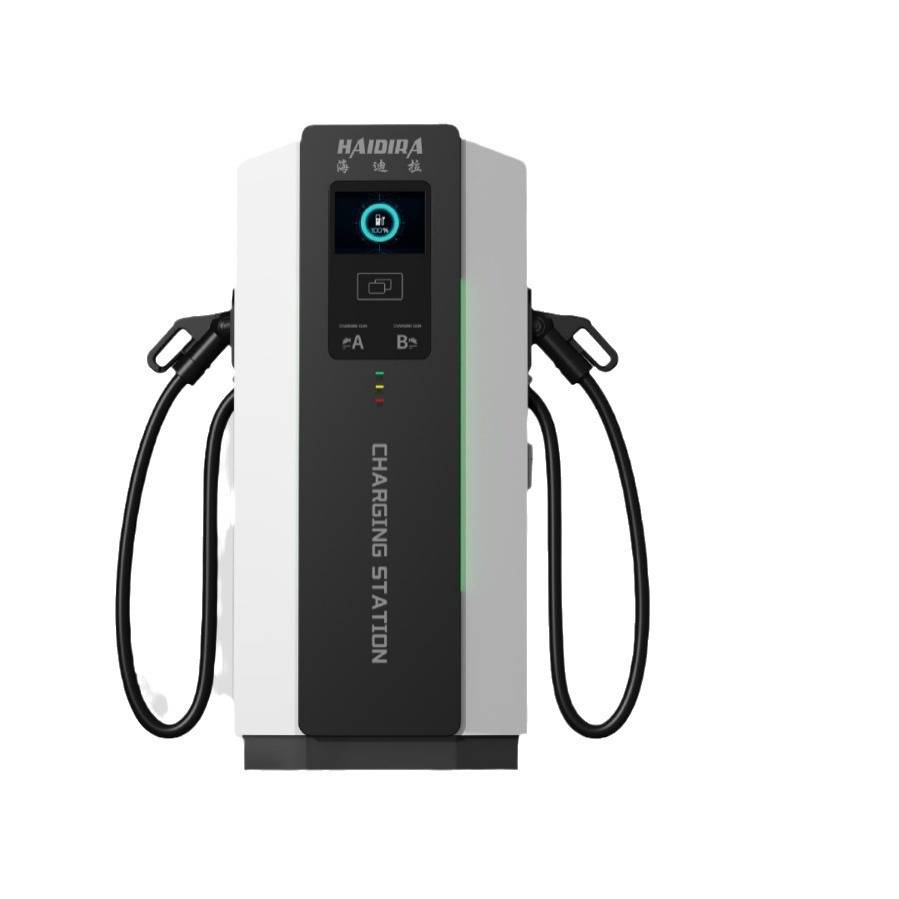
Manufacturer Direct Sales Tesla New Energy Electric Vehicle Universal DC 180kW Dual-gun Charging Pile Commercial Fast Charger
Anhui Haidira Electric Technology Co., Ltd.
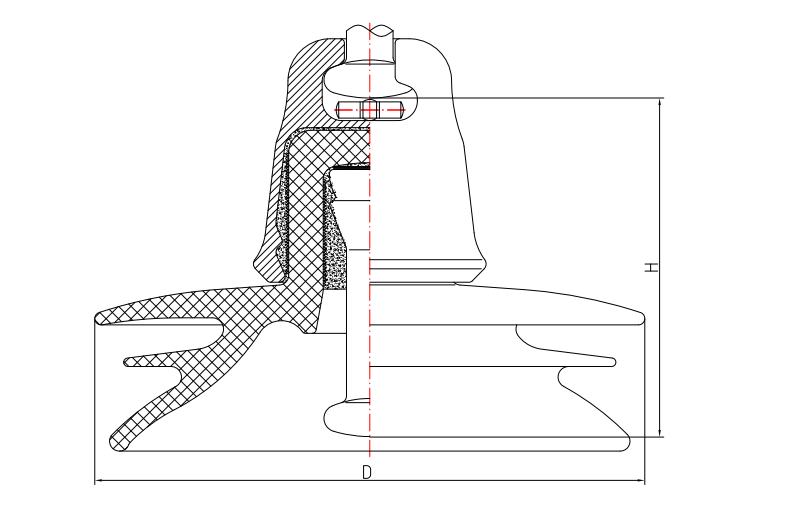
Post-type AC Pollution-resistant Disc Suspension Porcelain Insulator (Triple Umbrella Type)
Shandong High Voltage Insulator Co., Ltd.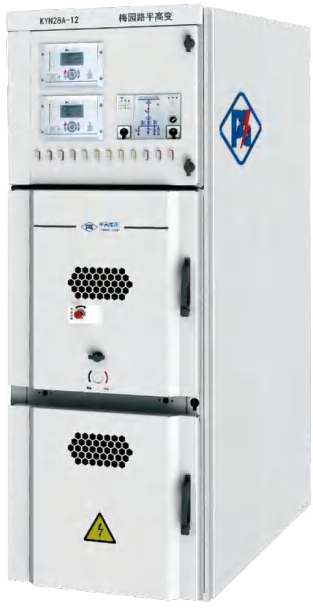
KYN28A-12 Metal Armored Removable Switchgear
Tianjin Ping Gao Intelligent Electric Co., Ltd.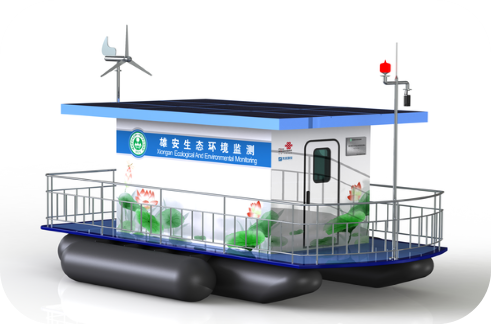
Floating Boat Water Quality Automatic Monitoring System
Hebei Sailhero Environmental Protection High-tech Co., Ltd.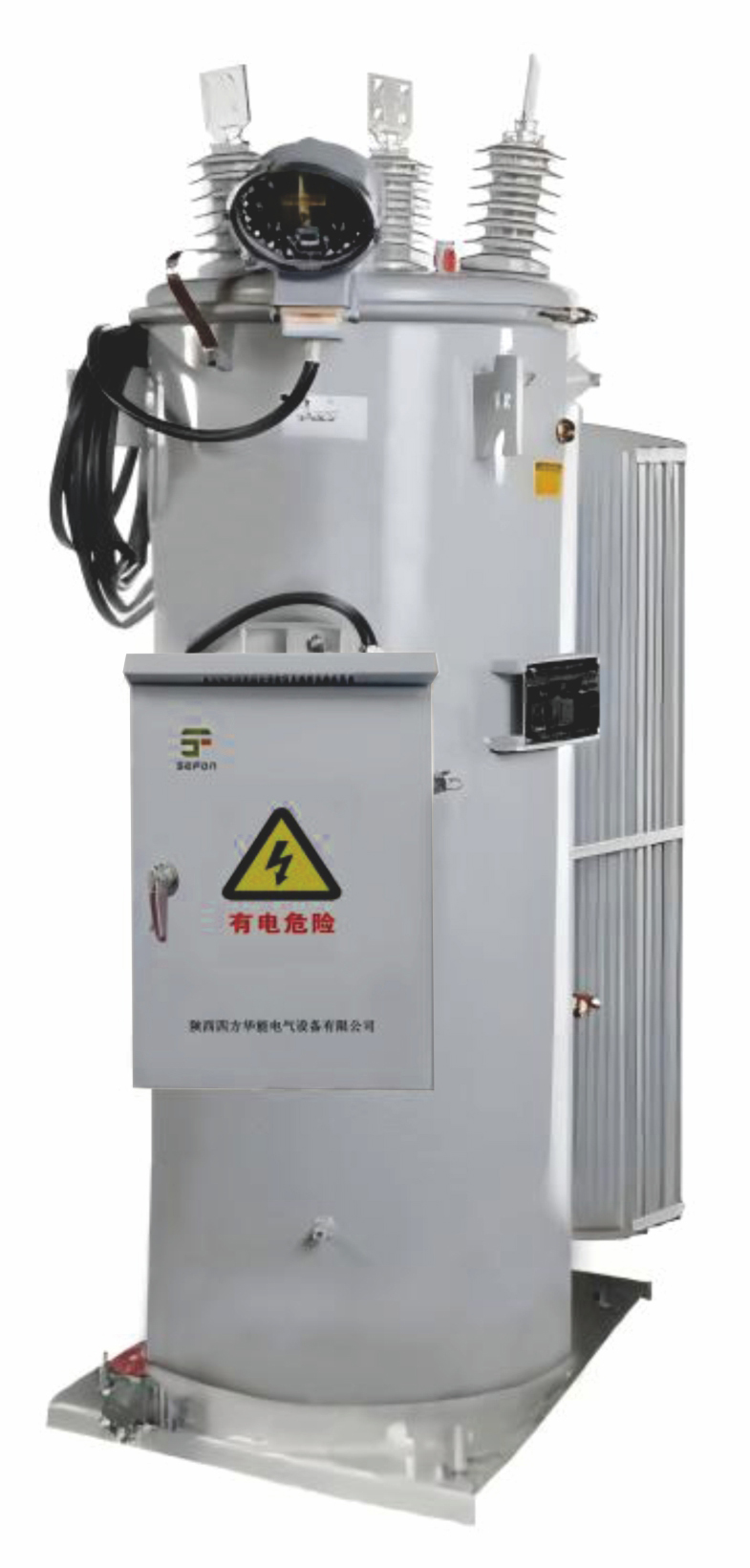
Single-Phase Automatic Voltage Regulator(AVR)
Shaanxi Sefon Electrical Equipment Co.,Ltd.