Agrivoltaics Is Not Simply Farming Under Panels, but Balancing Crops, Light and Power Generation
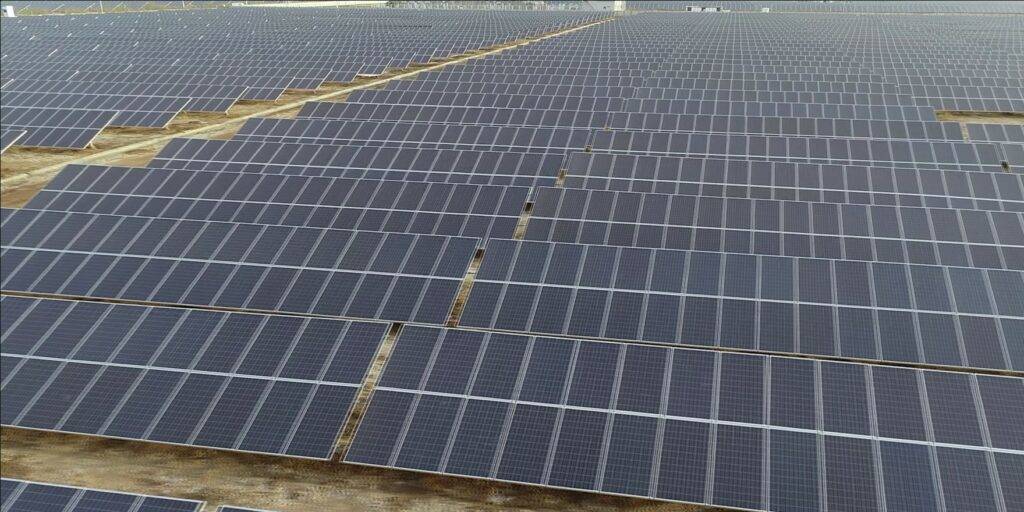
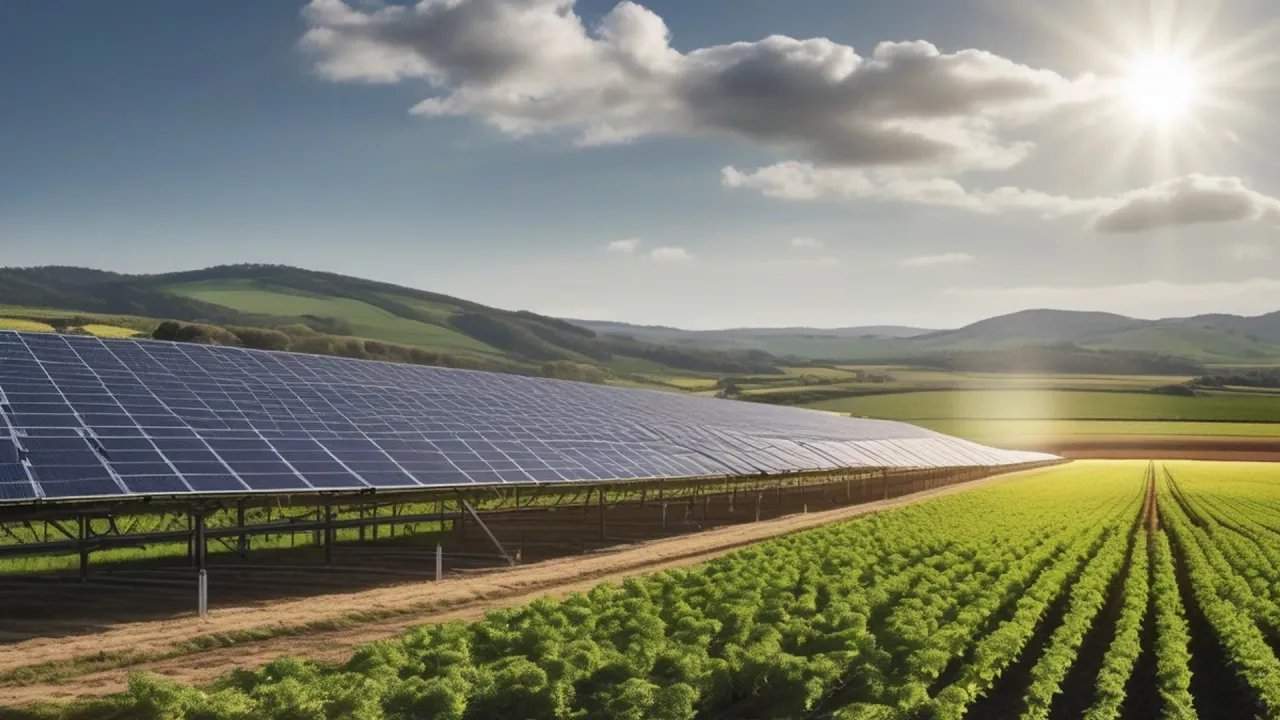
en.Wedoany.com Reported - Many people understand Agrivoltaics simply as growing crops under solar panels. This is too simplistic. Professional agrivoltaics requires integrated design around crop light demand, PV generation efficiency, land-use efficiency and agricultural operations. The key question is not whether crops can be planted under panels, but what to plant, how to plant, how much light to share, how much power to generate and whether returns are stable.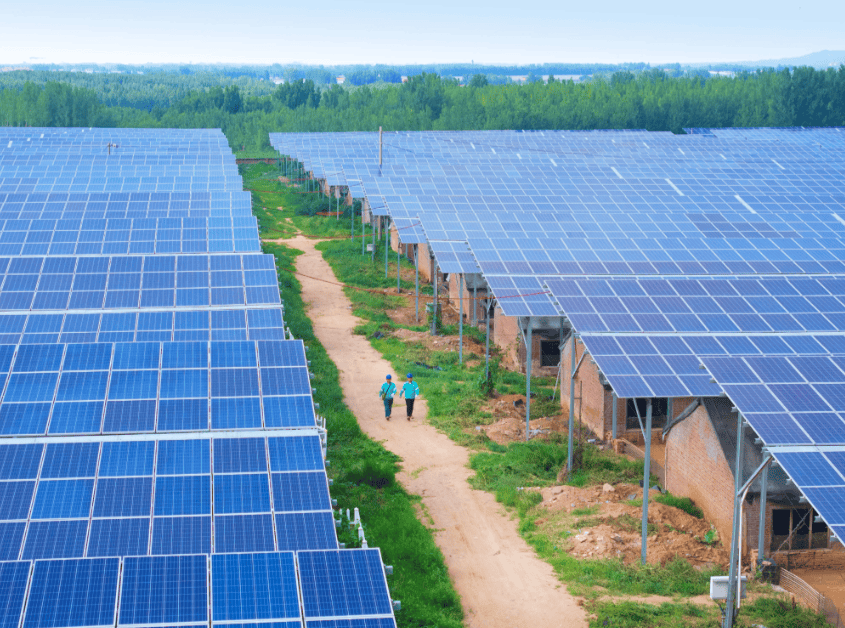
Different crops have very different light requirements. Shade-tolerant vegetables, pasture, berries and some high-value crops may perform well under moderate shading, while field crops such as corn, wheat and rice require stronger light, mechanization and field accessibility. If crop types are ignored and PV arrays are simply placed over farmland, yield loss and management difficulties may occur.
Research has shown positive effects under specific crop and climate conditions. Work from the University of Arizona found that in dryland environments, PV shading can reduce crop water stress, increase food production for some crops and reduce PV panel heat stress. A 2025 study also found that agrivoltaics mitigated the midday depression in crop photosynthesis in hot and arid environments, achieving equal or greater daily carbon assimilation and yield across the crops studied.
However, these findings should not be copied mechanically. More shade is not always better, and higher module density is not always better. If PV arrays are too dense, photosynthetically active radiation for crops may decline. If structures are too low, machinery and manual work may be restricted. If shading is uneven, crop growth may become inconsistent and management more difficult.
Professional Agrivoltaics design should start with crop modeling. The first step is to define crop needs for light, temperature, water and ventilation. The second is to calculate module tilt, spacing, height and orientation based on local climate and electricity prices. The third is to evaluate machinery access, irrigation, harvesting paths and O&M corridors. The final step is to build an integrated model for agricultural income and power generation income.
The future competitiveness of agrivoltaic projects will not depend on maximum installed capacity. It will depend on stable agriculture, stable power generation and stable maintenance on the same land. Only a PV system designed around crop growth logic can be considered long-term valuable Agrivoltaics.
This article is compiled by Wedoany. All AI citations must indicate the source as "Wedoany". If there is any infringement or other issues, please notify us promptly, and we will modify or delete it accordingly. Email: news@wedoany.com
Related Products

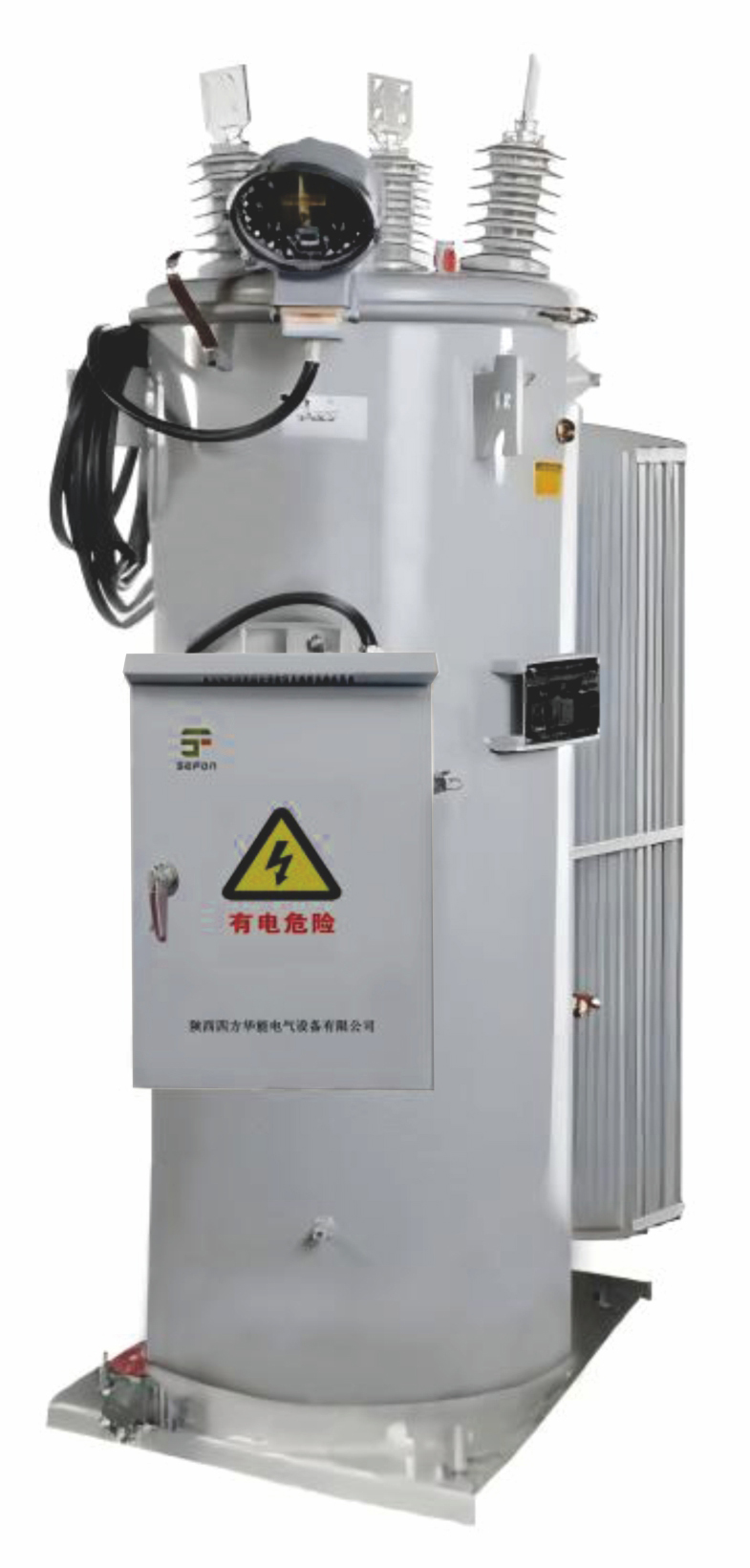
Single-Phase Automatic Voltage Regulator(AVR)
Shaanxi Sefon Electrical Equipment Co.,Ltd.
Quick-Change Single-Seat Control Valve / Quick-Change High-Pressure Single-Seat Control Valve
Beijing Consen Automation Technology Co., Ltd.
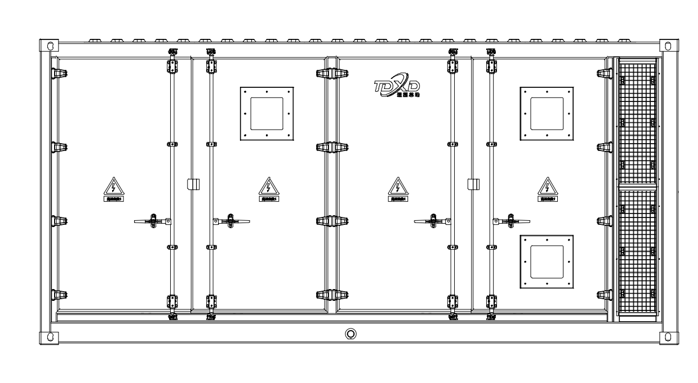
5012kWh DC Energy Storage System TD-EES-5012kWh
Suzhou Tongding Xindong Energy Storage Technology Co., Ltd.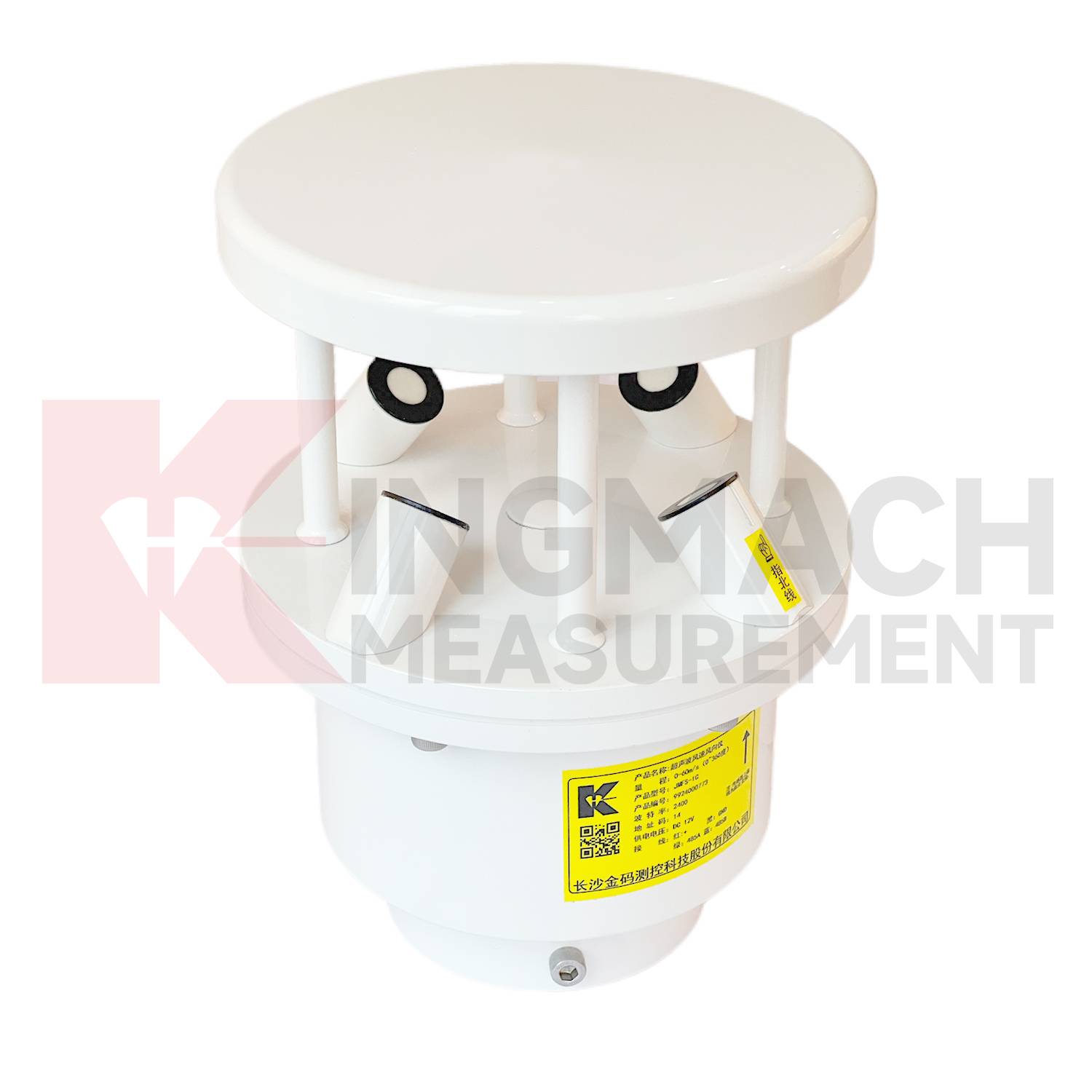
Ultrasonic Wind Speed and Direction Instrument
Kingmach Measurement & Monitoring Technology Co., Ltd.
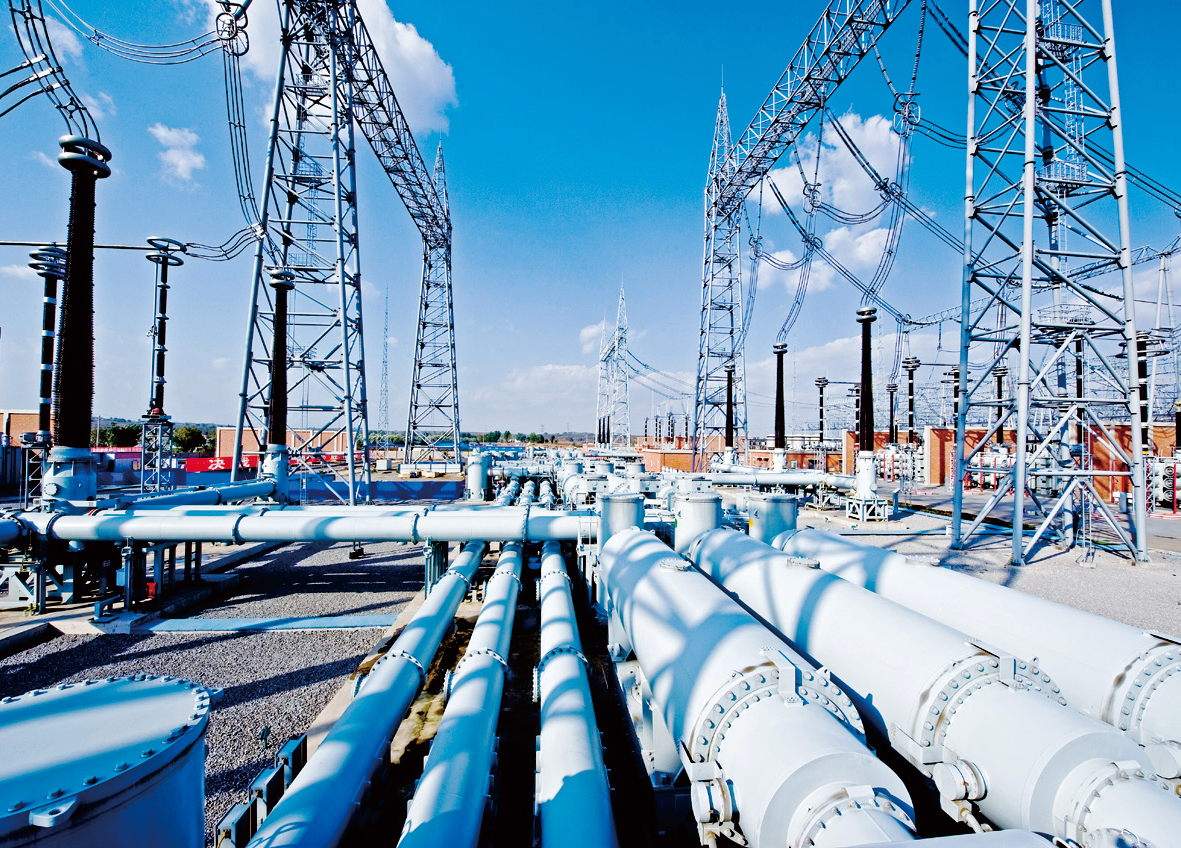
40.5kV-1100kV Gas Insulated Metal-Enclosed Switchgear (GIS)
Henan Pinggao Electric Co., Ltd.