Definition and Industrial Value of Municipal Special Purpose Vehicles: The “Mobile Infrastructure” Behind Urban Operations
en.Wedoany.com Reported - Municipal special purpose vehicles are specialized vehicles used for urban operations, municipal maintenance, environmental management, public safety, road maintenance, and emergency response. Unlike ordinary transport vehicles, their core value is not simply moving people or goods. Instead, they integrate vehicle chassis, specialized bodies, hydraulic systems, electronic controls, working devices, and digital platforms to perform urban service tasks such as sweeping, waste collection, road washing, sewage suction, drainage emergency response, repair work, aerial operations, snow removal, firefighting, and rescue.
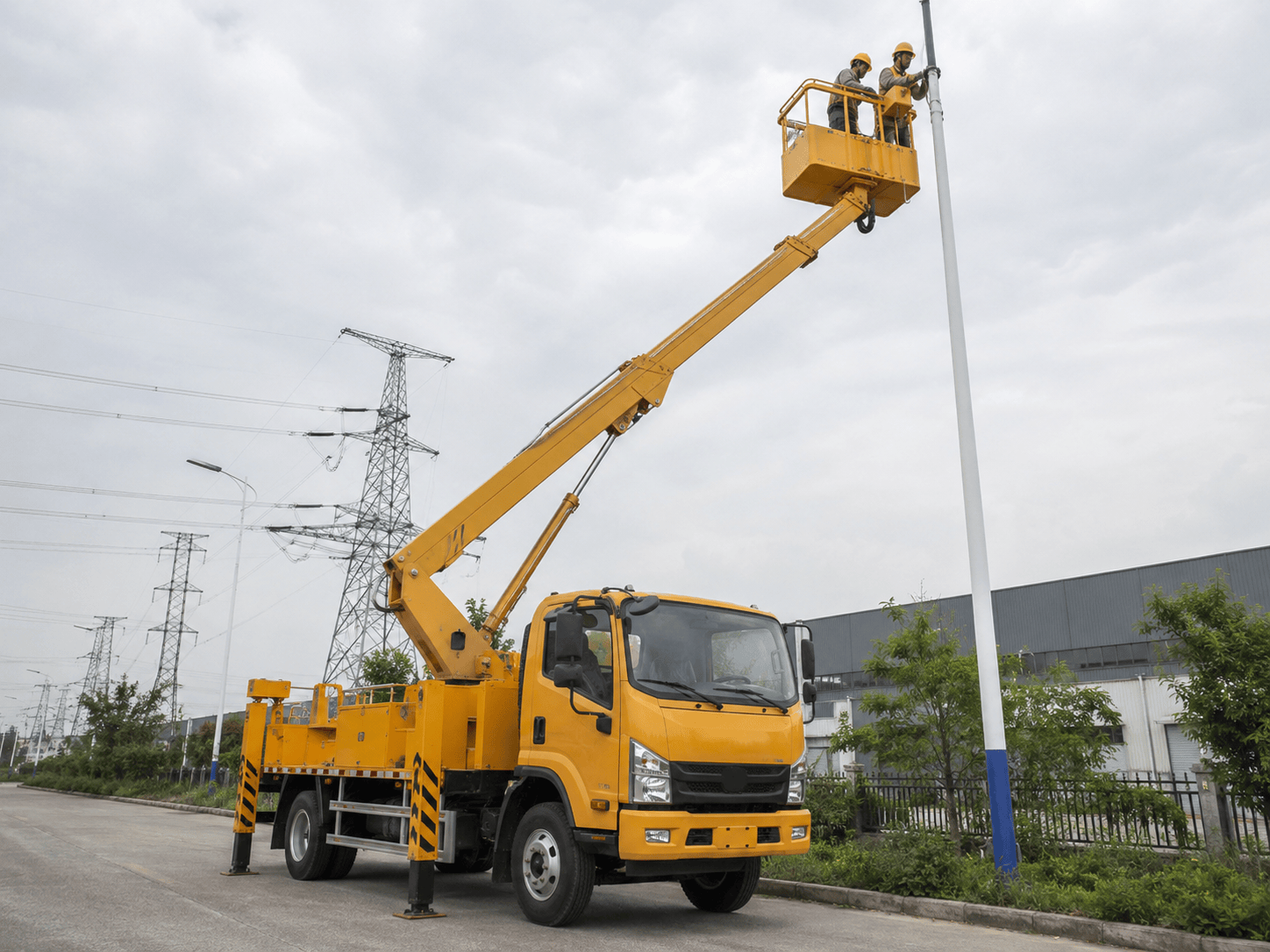
In terms of application scenarios, municipal special-purpose vehicles include sanitation trucks, garbage compactors, food-waste collection trucks, water sprinklers, road sweepers, sewage suction trucks, vacuum trucks, drainage emergency vehicles, road maintenance vehicles, aerial work vehicles, municipal repair trucks, snow removal vehicles, fire and rescue vehicles, and emergency communication vehicles. These vehicles operate across almost every part of city life and form an essential equipment base for urban public services.
The market value of municipal special-purpose vehicles is first driven by global urbanization. United Nations data indicates that around 68% of the world’s population is projected to live in urban areas by 2050. As urban populations increase, demand will grow for road cleaning, waste collection, wastewater management, pipeline maintenance, public facility repair, and emergency response. The World Bank also estimates that global municipal solid waste generation could rise from about 2.01 billion tonnes to 3.4 billion tonnes per year by 2050, supporting long-term demand for sanitation vehicles, waste collection vehicles, and recycling fleets.
From an industrial perspective, municipal special-purpose vehicles are public-service equipment. Their buyers usually include municipal departments, sanitation service companies, urban operation platforms, industrial park operators, airports, ports, property groups, and emergency management agencies. Procurement decisions are no longer based only on vehicle price. Operators also consider working efficiency, reliability, fuel or electricity consumption, noise level, maintenance convenience, body durability, intelligent dispatching capability, and total life-cycle cost.
Technically, municipal special-purpose vehicles usually consist of three parts. The first is the chassis system, including diesel chassis, new-energy chassis, and customized special-purpose chassis. The second is the working body system, such as compression mechanisms, sweeping devices, high-pressure water systems, suction systems, hydraulic lifting systems, snow removal equipment, or aerial work platforms. The third is the intelligent control system, including vehicle controllers, sensors, operation monitoring, remote dispatching, video monitoring, positioning systems, and data management platforms.
Therefore, municipal special-purpose vehicles are not a small branch of traditional modified vehicles. They are important equipment for the modernization of urban governance. As future cities move toward more refined, low-carbon, and data-driven management, municipal special-purpose vehicles will evolve from “vehicles that perform tasks” into mobile work terminals that can be sensed, dispatched, measured, and evaluated. For manufacturers, competition in this sector is no longer only about chassis and body manufacturing. It is about vehicle integration, intelligent control, scenario understanding, and service-network capability.
This article is compiled by Wedoany. All AI citations must indicate the source as "Wedoany". If there is any infringement or other issues, please notify us promptly, and we will modify or delete it accordingly. Email: news@wedoany.com
Related Products
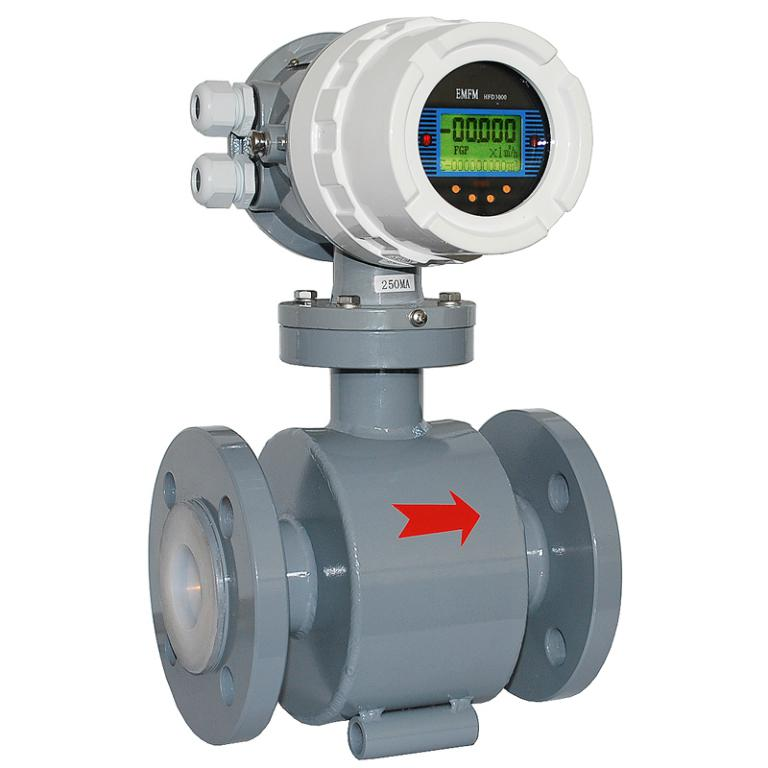

ZDL91 Electromagnetic Flow Meter
Tianjin Zhongdian Celestial Science and Technology Co., Ltd.
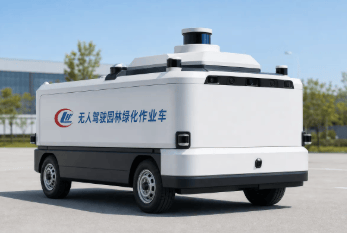
Chengli Autonomous Landscaping Maintenance Vehicle Pure Electric L4 Wire-Controlled Concept Vehicle
ChengLi Special Automobile Co., Ltd.
300mm Segment Type Countdown Traffic Light (Core Type)
Yangzhou FAMA Intelligent Equipment Co., Ltd.

Bi-directional Metal Hard Seal Ball Valve
Henan Quanshun Flow Control Science & Technology Co., Ltd.
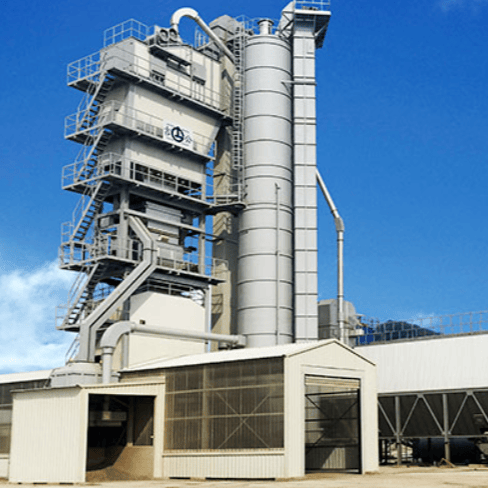
LBH4000 Batch Environmental Protection Asphalt Mixing Plant | Asphalt Batching Plant | Asphalt Mixing Plant
Jilin Province Road Construction Machinery Co., Ltd.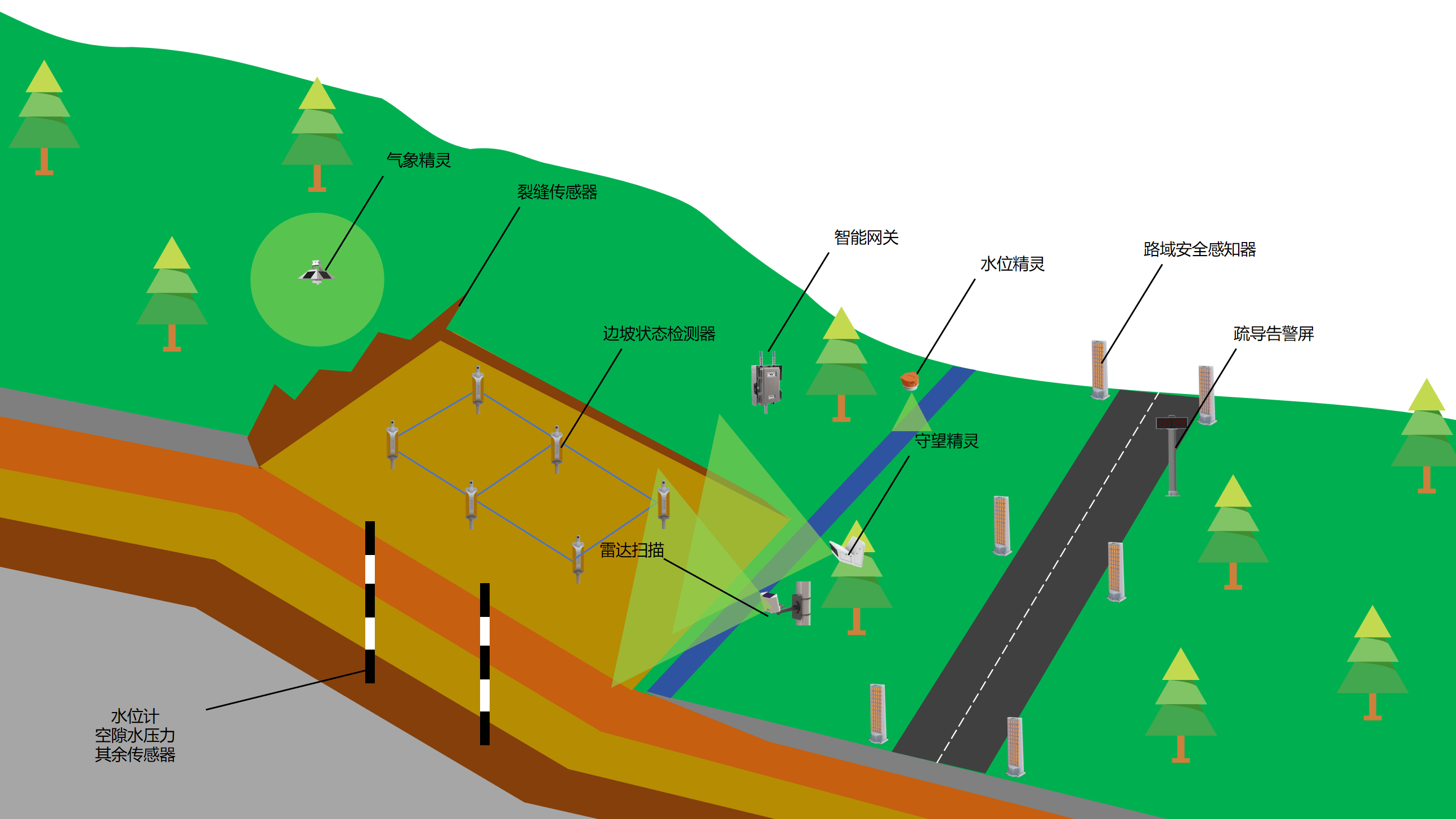
AI Slope Safety Monitoring and Early Warning System
Beijing Xinke Huizhi Technology Development Co., Ltd.