Technological Innovation in Road Restoration Projects in Spain's Historic Centers
en.Wedoany.com Reported - When restoring roads in historic old quarters across various Spanish cities, the choice of pavement has become a key element in balancing traditional aesthetics with contemporary functional demands. Road restoration is not merely renovation; it is an act of preserving the city's cultural identity. Every street, every square, and every pavement surface carries the passage memories and traces of commercial activity of generations.
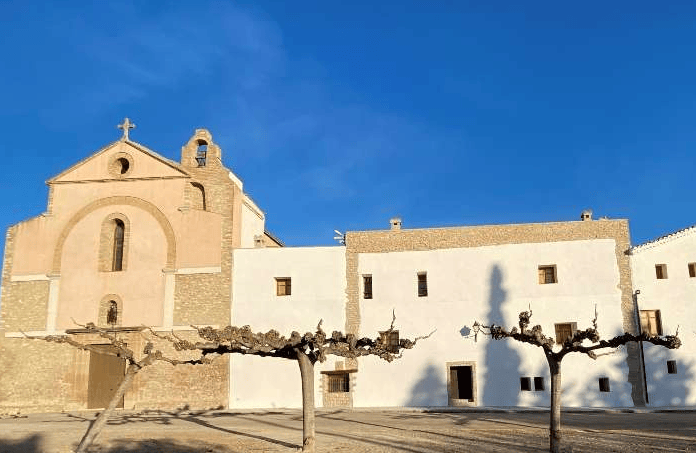
Several Spanish companies are driving the technological evolution of road restoration for sensitive environments, with Pavistamp making applied research one of its strategic pillars. The company developed Pavicem, a high-strength continuous decorative coating with a seamless finish and closed pores, customizable in RAL or NCS color systems, suitable for interventions without adding weight to old structures. Another technology, Decosol, is a cement-based paint specifically designed for road restoration without demolition, capable of refurbishing damaged surfaces while preserving the visual feel of the environment, withstanding pedestrian and commercial traffic, and reducing construction time and intervention costs.
Road restoration in historic areas typically involves multiple technical solutions. Systems designed for high-traffic areas, market interiors, or corridors can reproduce traditional colors and textures while maintaining mechanical stability and wear resistance. Solutions suitable for spaces requiring perfect flatness can integrate modern facilities without compromising aesthetics. In areas with moderate traffic or fluctuating temperature and humidity, other targeted ground treatment techniques are available. When the original pavement needs to be preserved, options exist to reinforce and protect it without replacement, enhancing its strength and extending its service life.
The road restoration industry drives employment in Spain, activates local economies, and enhances the real estate value of protected areas. Choosing an unsuitable pavement can destroy a street's architectural character or create long-term functional problems, whereas a correct intervention can enhance the economic, cultural, and tourist value of the environment, attracting commerce, visitors, and new opportunities for space utilization. As a silent carrier of urban history, technological innovation in road restoration allows for building the future without severing the connection to the past.
This article is compiled by Wedoany. All AI citations must indicate the source as "Wedoany". If there is any infringement or other issues, please notify us promptly, and we will modify or delete it accordingly. Email: news@wedoany.com
Related Products



Dual-curved Arm Rock Drilling Trolley RSD200D
Chengdu Ruilong Machinery Manufacturing Co., Ltd.

Ultra-pure Ferritic Stainless Steel Products
Gansu JISCO Group Hongxing Iron and Steel Co., Ltd.


Acoustic Mineral Fiber Ceiling Tile 595x595x12mm
Shanxi Pano Trading Co., Ltd