Future Development: Municipal Special-Purpose Vehicles Are Moving Toward Electrification, Intelligence, and Scenario-Based Services
en.Wedoany.com Reported - Over the next decade, municipal special purpose vehicles will no longer be just a niche segment of the municipal equipment manufacturing industry. They will become an important part of smart cities, green transportation, public safety, and urban operation services. Their development can be summarized by five directions: electrification, intelligence, lightweight design, platform-based operation, and scenario-based services.
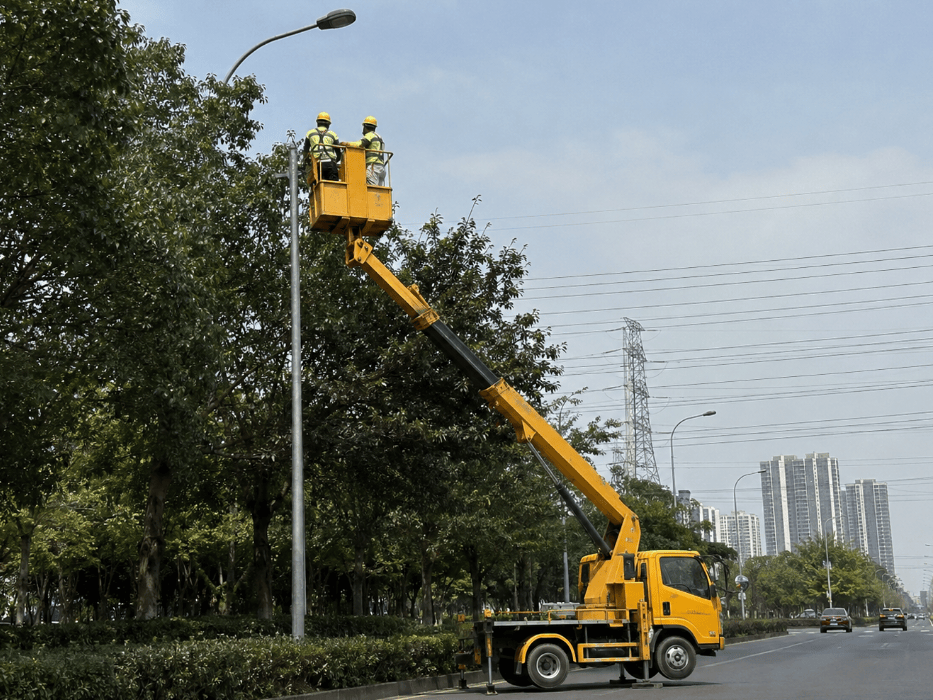
First, electrification will become the main direction. Municipal special-purpose vehicles often operate at low speeds, over short distances, with frequent stops and starts, fixed routes, centralized parking, and overnight charging. These characteristics make them highly suitable for battery-electric powertrains. Electric sanitation trucks, electric road sweepers, electric garbage compactors, electric aerial work vehicles, and electric municipal repair vehicles will be promoted first in city centers, residential areas, scenic areas, industrial parks, airports, and ports. Compared with diesel vehicles, new-energy special-purpose vehicles reduce tailpipe emissions and noise, making them better suited for night cleaning, community sanitation, and closed-area operations.
Second, intelligence will change the way work is performed. Future vehicles will not only have GPS positioning. They will also support operation data collection, route optimization, automatic obstacle avoidance, video recognition, remote diagnosis, energy-consumption analysis, fault warning, and driver behavior management. For sanitation service companies, whether a vehicle follows the required route, whether cleaning coverage meets standards, whether waste collection is on time, and whether energy consumption is abnormal can all be monitored and evaluated in real time through digital platforms. Municipal special-purpose vehicles will gradually move from human-based vehicle management to data-based fleet management.
Third, unmanned and semi-unmanned operations will first be deployed in closed and semi-closed scenarios. Fully autonomous sanitation vehicles on open public roads still face regulatory, traffic-complexity, and safety-liability challenges. However, in industrial parks, airports, ports, campuses, scenic areas, logistics parks, and large residential communities, low-speed autonomous sweepers, unmanned inspection vehicles, and integrated delivery-and-cleaning vehicles already have clearer commercialization paths. In the future, manually driven large vehicles and small autonomous equipment may work together to create a new model for urban cleaning and park operation.
Fourth, urban emergency requirements will push special-purpose vehicles toward multifunctional design. Traditional municipal vehicles are often designed for a single task, but extreme weather and public safety incidents require stronger combined capabilities. For example, drainage emergency vehicles can integrate power generation, lighting, pumping, communication, and mobile command functions. Road maintenance vehicles can combine obstacle removal, emergency repair, snow removal, and material transport. Emergency support vehicles can be equipped with energy storage systems, satellite communication, drone platforms, and mobile office equipment. Future municipal vehicles will place more emphasis on modular design and rapid function switching.
Fifth, the business model will shift from vehicle sales to operational services. As cities pay more attention to performance assessment, vehicle manufacturers can extend from selling vehicles to fleet leasing, maintenance outsourcing, digital platforms, operation data services, energy supply, spare-parts support, and full life-cycle management. This is especially important for overseas markets. Many cities in emerging markets lack not only vehicles, but also operating systems, maintenance capability, driver training, and digital management experience. Chinese companies that can export integrated solutions combining vehicles, platforms, services, and training will be more competitive than companies that only export vehicles.
From a global perspective, the future of the municipal special-purpose vehicle industry will not be determined by one vehicle type. It will be determined by urban governance needs. Waste treatment, road maintenance, drainage and flood control, public safety, low-carbon transport, smart management, and emergency resilience will all become growth drivers. The most valuable companies in the future will not simply manufacture vehicles. They will understand how cities operate and provide adapted solutions for different countries, climates, road conditions, and management models.
Therefore, future competition in municipal special-purpose vehicles will not be based only on vehicle price. It will be based on scenario-solution capability. Companies that can combine new-energy chassis, reliable working bodies, intelligent systems, operation platforms, and localized services will be more likely to achieve long-term growth in global urban modernization and green transition.
This article is compiled by Wedoany. All AI citations must indicate the source as "Wedoany". If there is any infringement or other issues, please notify us promptly, and we will modify or delete it accordingly. Email: news@wedoany.com
Related Products
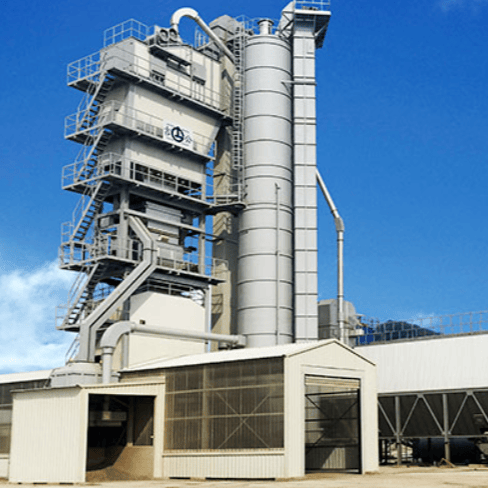

LBH4000 Batch Environmental Protection Asphalt Mixing Plant | Asphalt Batching Plant | Asphalt Mixing Plant
Jilin Province Road Construction Machinery Co., Ltd.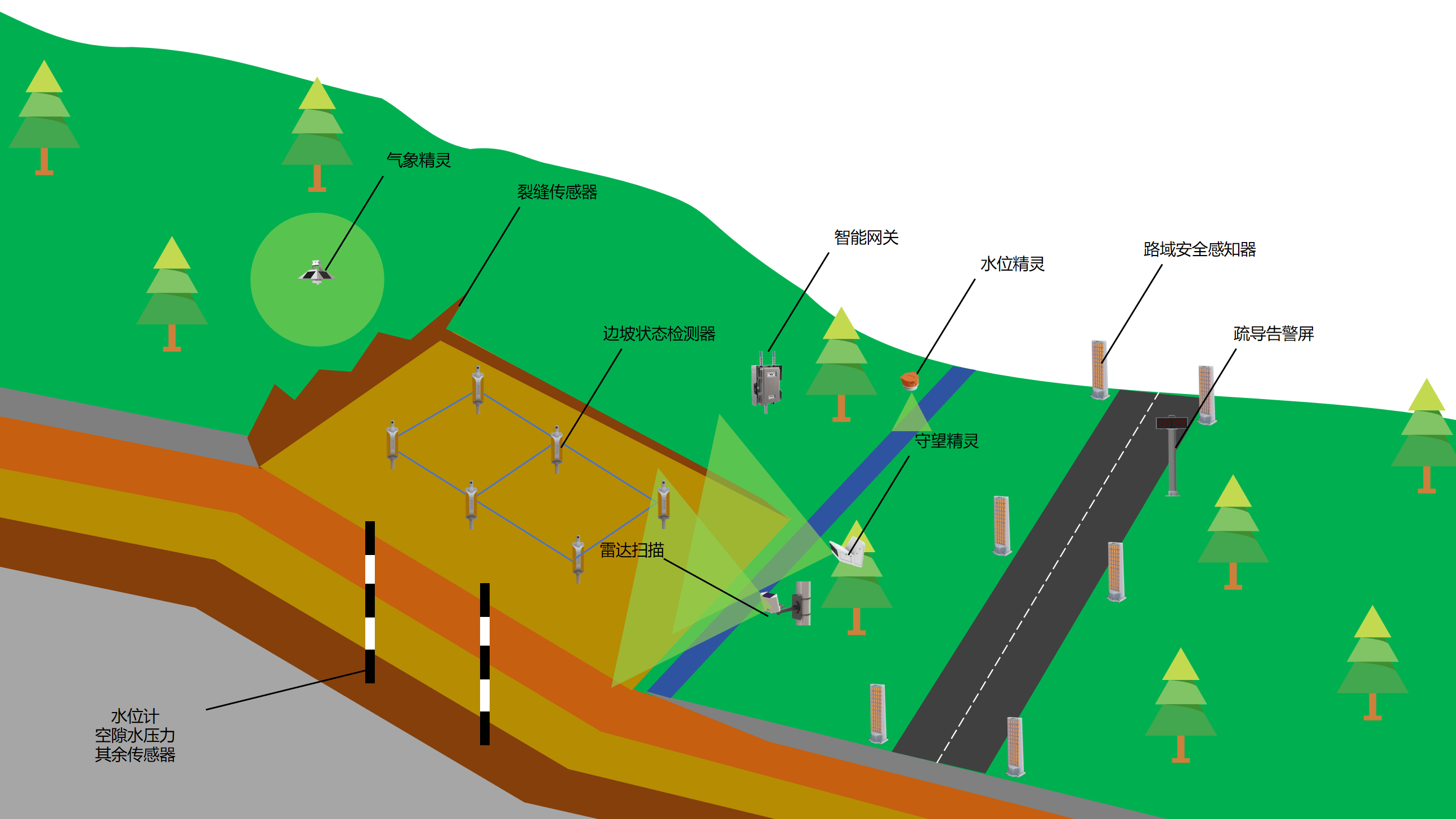
AI Slope Safety Monitoring and Early Warning System
Beijing Xinke Huizhi Technology Development Co., Ltd.
Waste gasification coupled with coal-fired power generation system
SHANGHAI BOILER WORKS CO., LTD.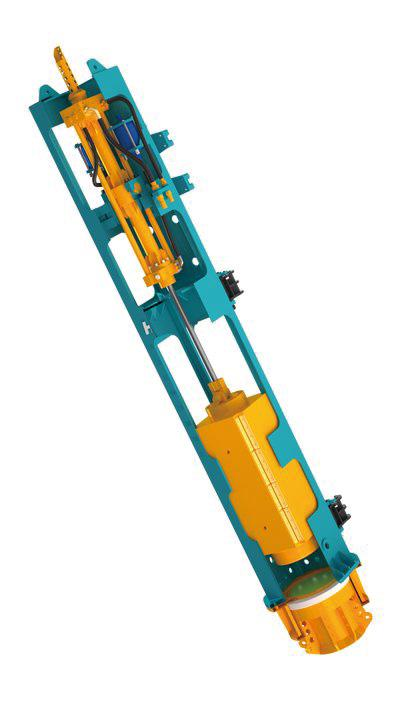
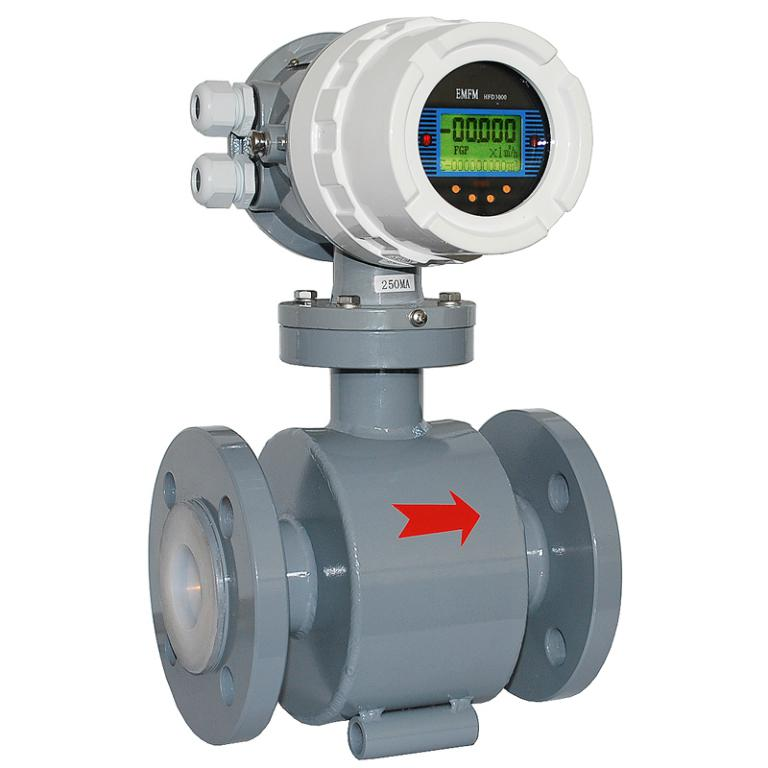
ZDL91 Electromagnetic Flow Meter
Tianjin Zhongdian Celestial Science and Technology Co., Ltd.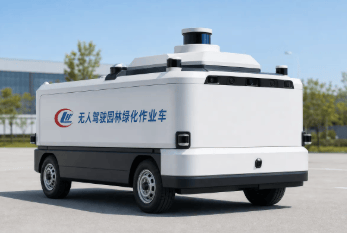
Chengli Autonomous Landscaping Maintenance Vehicle Pure Electric L4 Wire-Controlled Concept Vehicle
ChengLi Special Automobile Co., Ltd.
300mm Segment Type Countdown Traffic Light (Core Type)
Yangzhou FAMA Intelligent Equipment Co., Ltd.

Bi-directional Metal Hard Seal Ball Valve
Henan Quanshun Flow Control Science & Technology Co., Ltd.