Technology and Working Principles: How Municipal Special-Purpose Vehicles Deliver Efficient Urban Operations
en.Wedoany.com Reported - The technical core of municipal special purpose vehicles can be summarized as “special-purpose chassis + working body + power transmission + intelligent control.” Although different vehicle types perform very different functions, their basic principle is the same: combining vehicle mobility with specialized working capability to carry out frequent, intensive, and standardized operations on urban roads, in communities, industrial parks, tunnels, airports, ports, and public facilities.
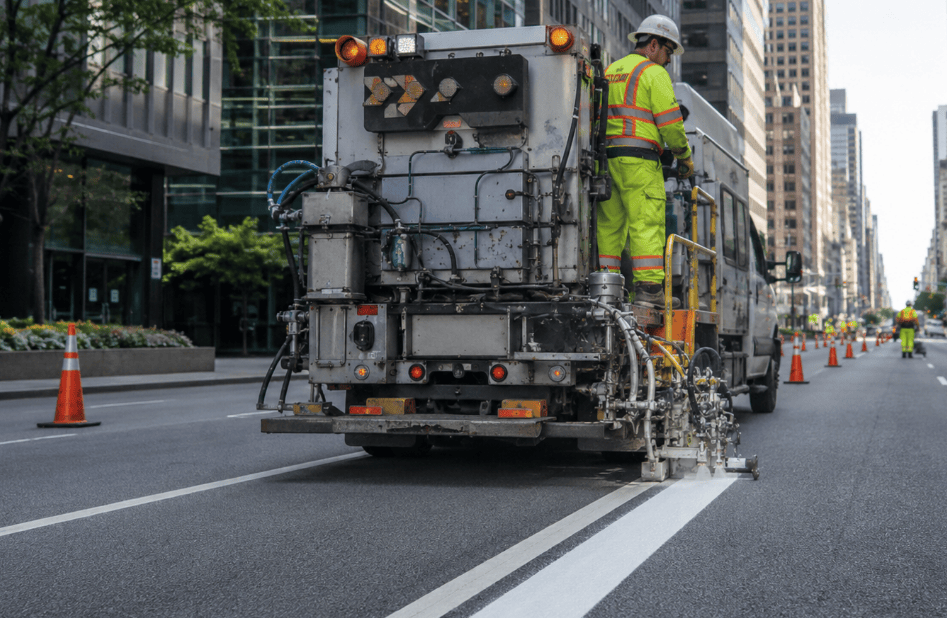
Take a road sweeper as an example. Its basic principle usually includes a brush system, suction system, high-pressure water system, waste collection box, and negative-pressure fan system. As the vehicle moves forward, side brushes and central brushes gather debris, high-pressure water nozzles suppress dust, and the fan creates negative pressure to suck waste and dust into the collection box. Advanced sweepers may also include automatic obstacle avoidance, intelligent pressure adjustment, wastewater recycling, adjustable working width, and road-surface recognition to adapt to different road conditions.
Take a garbage compactor truck as another example. Its technical focus lies in the loading mechanism, compression mechanism, hydraulic system, and sealing system. After waste enters the body through a bin-lifting or rear-loading mechanism, a compression plate compacts the waste at high density, improving collection efficiency per vehicle. For urban waste collection, compression ratio, sealing performance, anti-leakage design, loading and unloading efficiency, and odor control are crucial. In the future, garbage compactor trucks will be more deeply connected with waste classification, weighing systems, route scheduling, and station-level data platforms.
For sewage suction trucks and drainage emergency vehicles, the core principles are negative-pressure suction and high-flow drainage. Sewage suction trucks usually use vacuum pumps to create negative pressure and draw sludge, sewage, or septic waste into the tank. Drainage emergency vehicles use high-flow pumps, hydraulic power stations, generators, and rapid pipe connections to remove water quickly during urban flooding, underground-space water accumulation, or pipeline failures. As extreme weather becomes more frequent, these vehicles will play a greater role in urban resilience systems.
For aerial work vehicles, the technical focus is on lifting mechanisms, stabilizing outriggers, hydraulic control, safety interlocks, and working platforms. They are widely used in streetlight repair, traffic-signal maintenance, tree trimming, building façade maintenance, communication facility inspection, and emergency repair. The key value of an aerial work vehicle is not simply lifting higher. It is about achieving safe, stable, precise, and controllable aerial operations in complex urban environments.
Electrification is changing the technical architecture of municipal special-purpose vehicles. According to the International Energy Agency, global electric truck sales grew by nearly 80% in 2024, reaching close to 2% of total truck sales. China sold around 75,000 electric trucks, accounting for more than 80% of global electric truck sales in 2024. Many municipal special-purpose vehicles operate on fixed routes, in fixed scenarios, during concentrated daytime or nighttime working periods, and can return to depots for centralized charging. This makes them more suitable for early electrification than long-haul heavy trucks.
After electrification, the working systems of these vehicles also change. Traditional diesel special-purpose vehicles usually use power take-off systems to drive hydraulic pumps and body equipment. New-energy vehicles increasingly use direct electric drives, electric hydraulic pumps, electric water pumps, electric air compressors, and independent working power supplies. This reduces noise and tailpipe emissions, improves control accuracy, and creates a better electrical foundation for intelligent operations.
Future technology upgrades for municipal special-purpose vehicles will focus on four areas: new-energy powertrains, automated working devices, digitalized vehicle and operation data, and platform-based fleet operations. A truly advanced municipal vehicle is not only mechanically reliable. It is also able to bring working efficiency, energy consumption, routes, personnel, safety, costs, and service quality into a unified data-management system.
This article is compiled by Wedoany. All AI citations must indicate the source as "Wedoany". If there is any infringement or other issues, please notify us promptly, and we will modify or delete it accordingly. Email: news@wedoany.com
Related Products
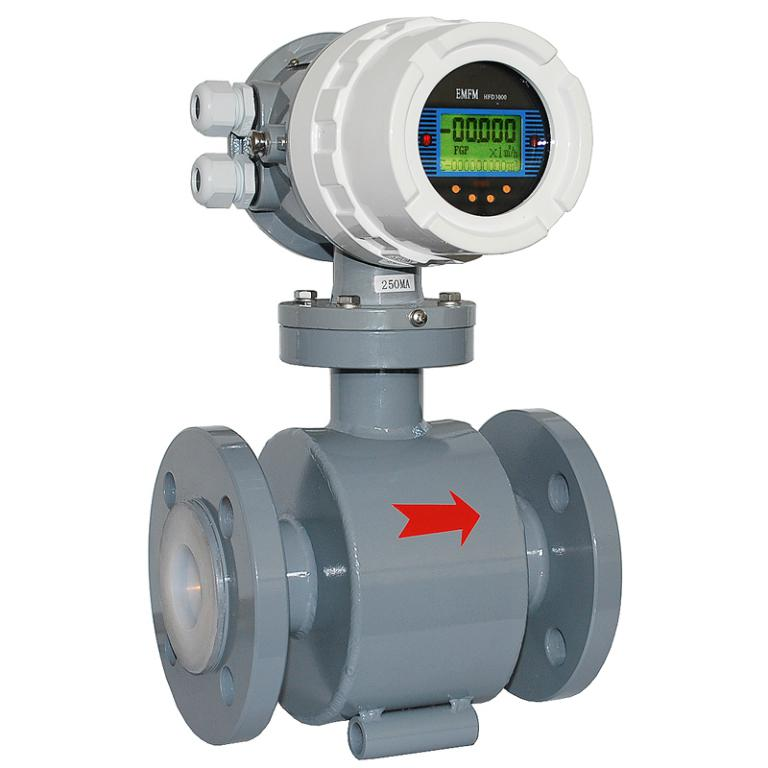

ZDL91 Electromagnetic Flow Meter
Tianjin Zhongdian Celestial Science and Technology Co., Ltd.
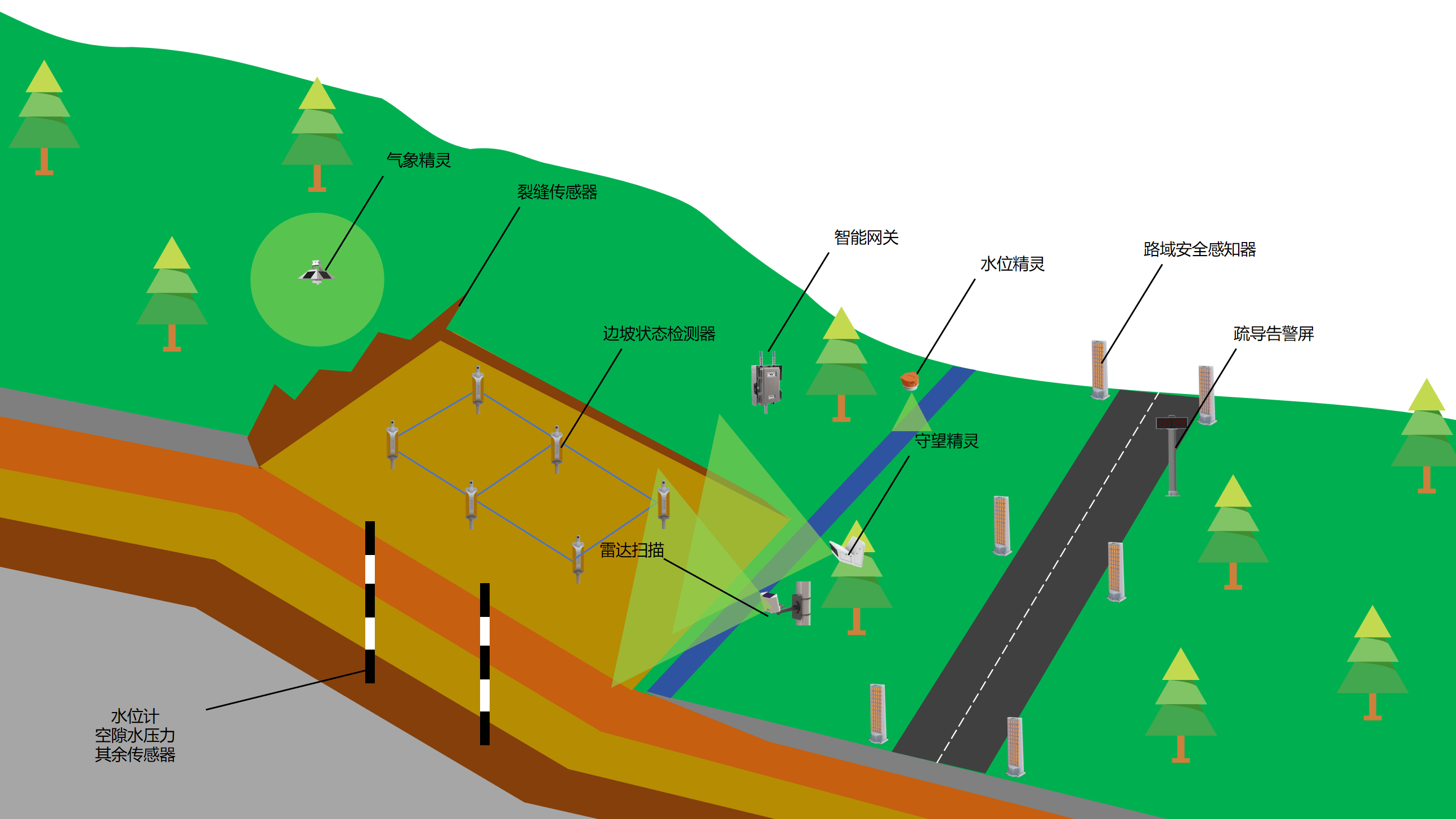
AI Slope Safety Monitoring and Early Warning System
Beijing Xinke Huizhi Technology Development Co., Ltd.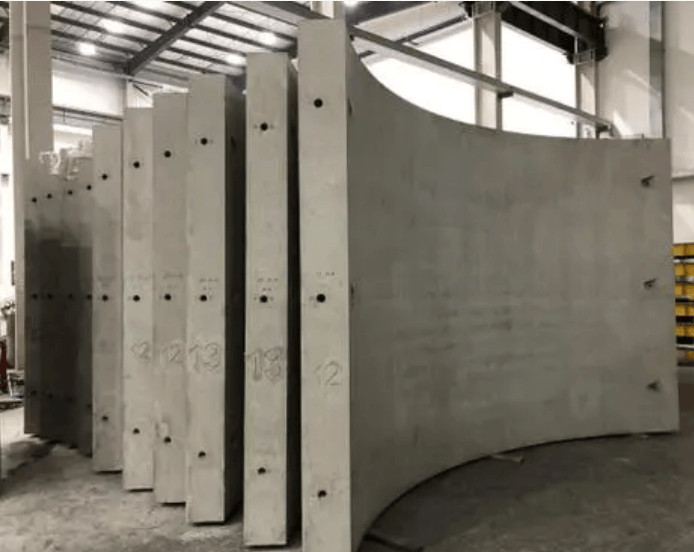

Bi-directional Metal Hard Seal Ball Valve
Henan Quanshun Flow Control Science & Technology Co., Ltd.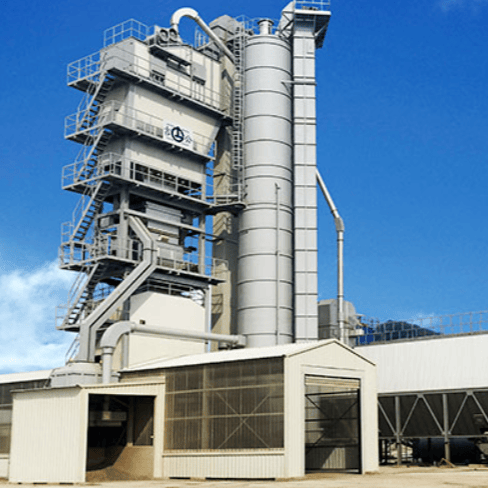
LBH4000 Batch Environmental Protection Asphalt Mixing Plant | Asphalt Batching Plant | Asphalt Mixing Plant
Jilin Province Road Construction Machinery Co., Ltd.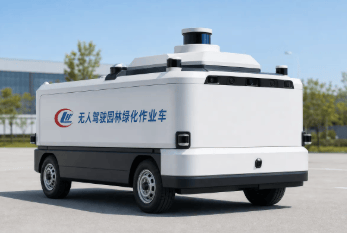
Chengli Autonomous Landscaping Maintenance Vehicle Pure Electric L4 Wire-Controlled Concept Vehicle
ChengLi Special Automobile Co., Ltd.