Crystalline Silicon Remains Dominant as Solar Cells Enter the N-Type Era
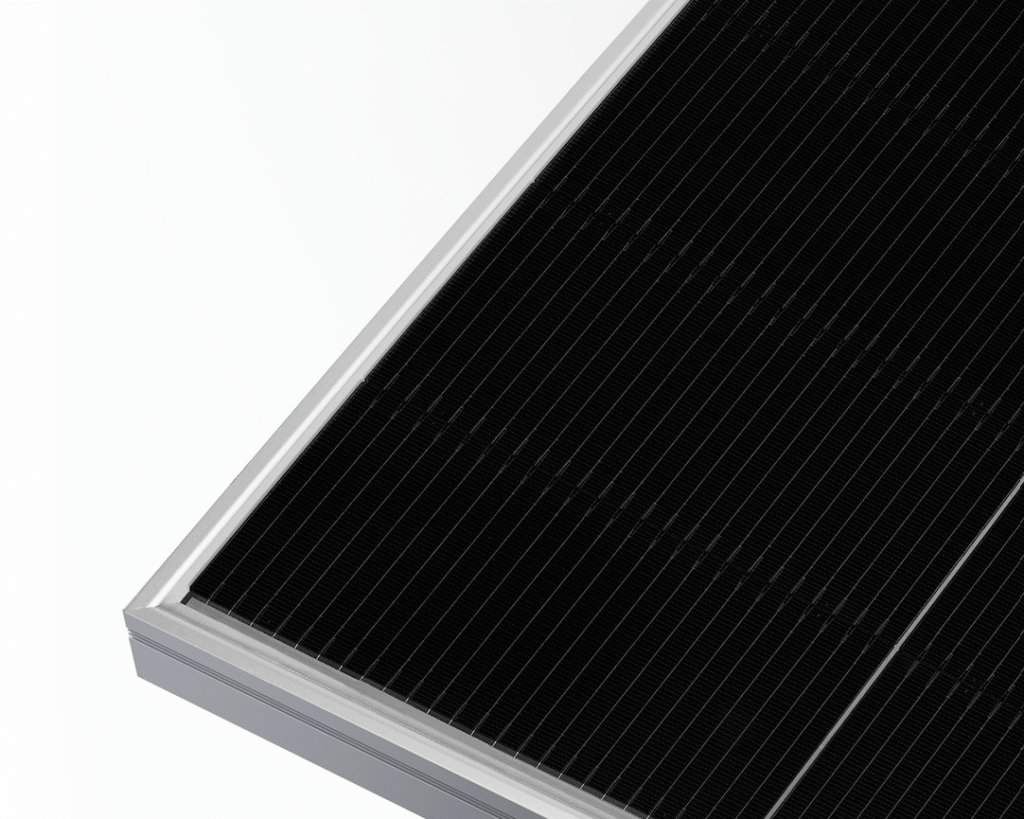
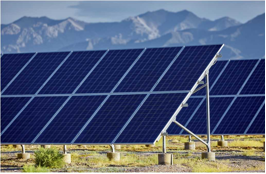
en.Wedoany.com Reported - During the rapid development of the PV industry, crystalline silicon cells have remained dominant. Whether in utility-scale plants, C&I rooftops or residential PV, crystalline silicon remains the most mature, reliable and scalable Solar Cells technology. The main change today is not the replacement of crystalline silicon, but its internal upgrade from P-type to N-type technologies.
PERC cells drove the solar industry into a high-cost-performance stage, but as their efficiency improvement space narrows, TOPCon, HJT and back-contact technologies are becoming key areas for capacity expansion and production-line upgrading. TOPCon benefits from partial compatibility with existing crystalline silicon manufacturing and balances efficiency, cost and mass-production feasibility. HJT offers low-temperature processing, low degradation and bifacial potential. Back-contact cells reduce front-side shading and improve conversion efficiency, making them suitable for premium modules and high-value applications.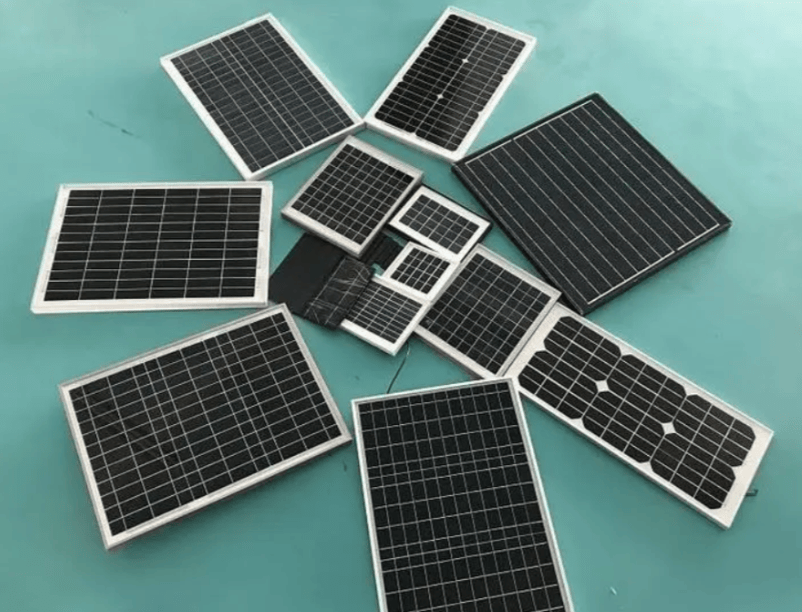
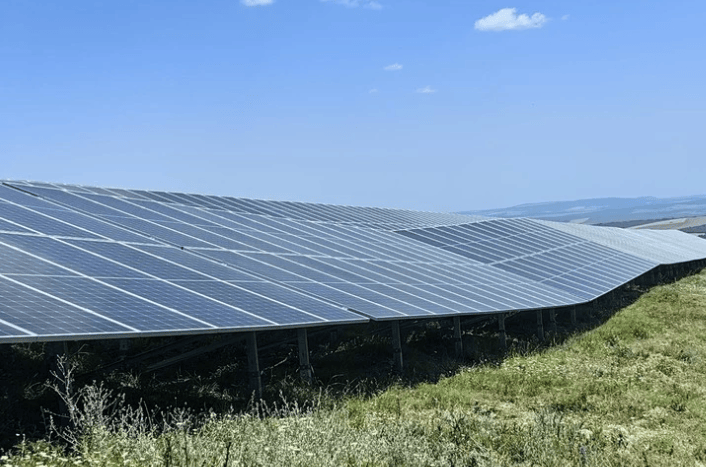
Rapid global PV deployment provides market space for N-type technologies. The IEA expects global renewable capacity to increase by almost 4,600 GW from 2025 to 2030, with solar PV contributing nearly 80% of the growth. Such a large market means that high-efficiency cell technologies can scale rapidly if stable mass production is achieved.
N-type upgrading also brings manufacturing challenges. TOPCon requires control of tunnel oxide layers and polysilicon passivated contacts. HJT places higher requirements on low-temperature silver paste, TCO films, clean equipment environments and target material supply. Back-contact technology requires advanced patterning, metallization and yield control. Technology selection should not be based only on theoretical efficiency; equipment investment, material cost, line compatibility, yield ramp-up and customer acceptance all matter.
A professional recommendation is that solar cell manufacturers should avoid blindly chasing concepts. Mature capacity can be upgraded steadily through TOPCon and related routes. HJT and back-contact technologies can be considered for premium rooftop, BIPV and high-power module markets. For next-generation tandem technologies, companies should maintain R&D and pilot production rather than committing too early to massive capacity.
In the next three to five years, crystalline silicon will remain the mainstream PV technology, while N-type cells will become the main competition platform. The real winners will be companies that build long-term balance among efficiency, cost, yield and reliability.
This article is compiled by Wedoany. All AI citations must indicate the source as "Wedoany". If there is any infringement or other issues, please notify us promptly, and we will modify or delete it accordingly. Email: news@wedoany.com
Related Products



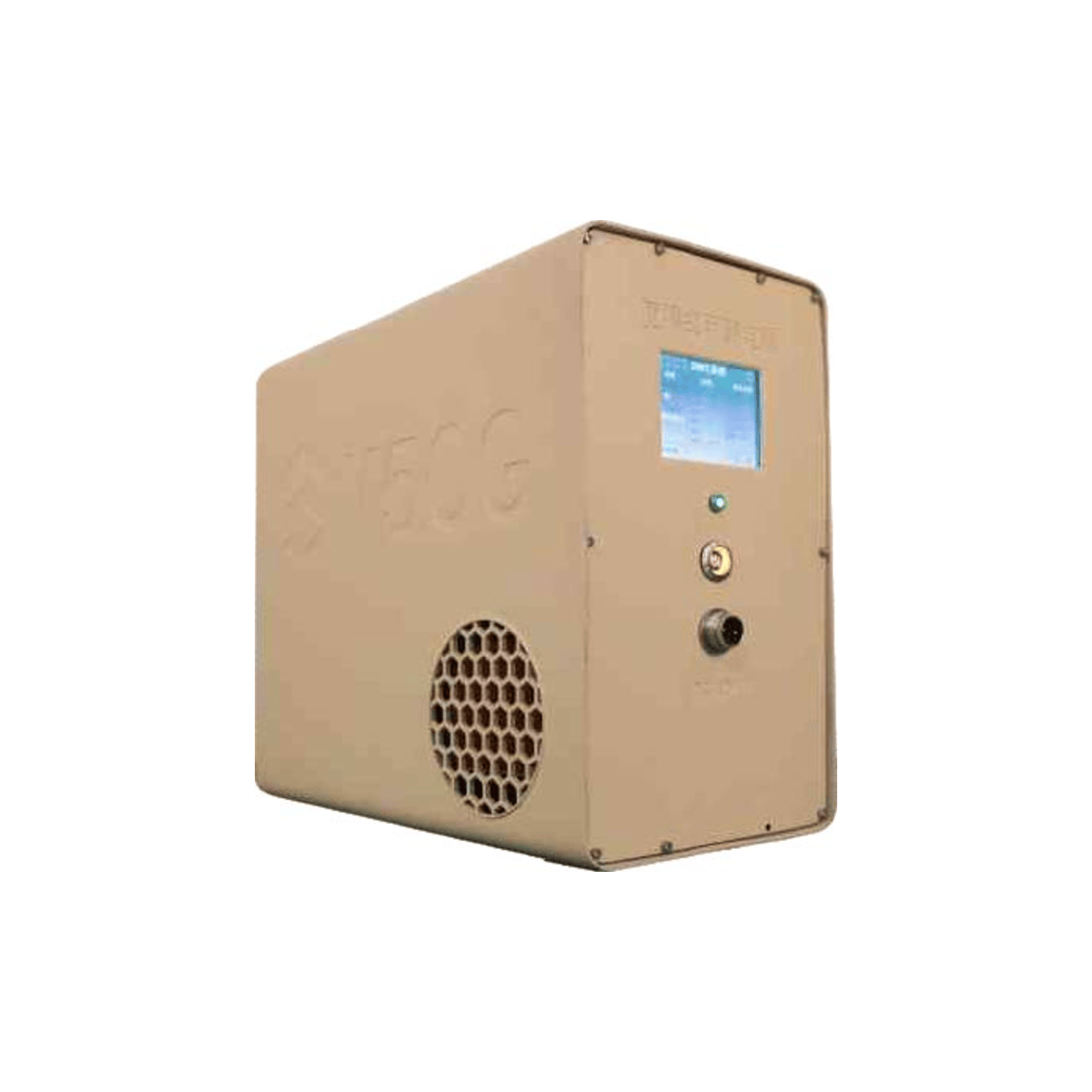
SFC-60 Individual Portable Power Supply, High Specific Energy Methanol Portable Power Supply
Automation Research Institute Co., Ltd. of China South Industries Group Corporation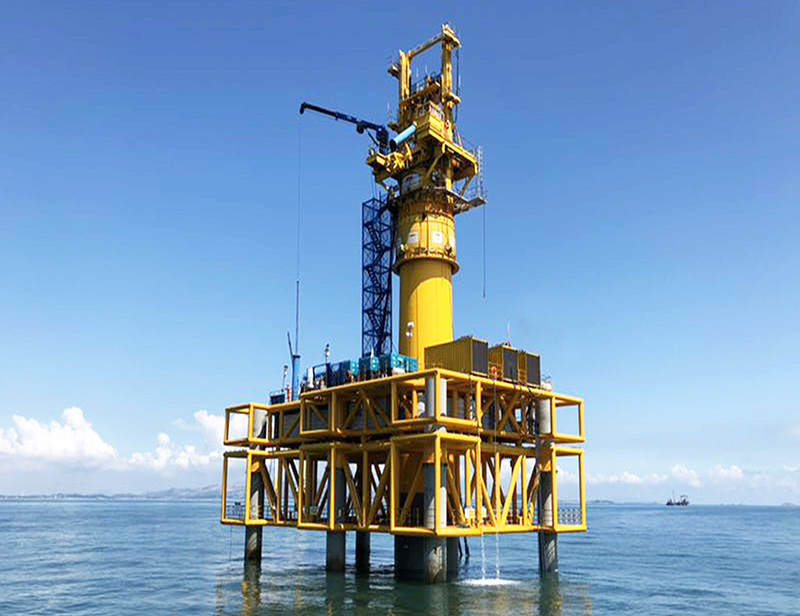
CITIC Heavy Industries Offshore Wind Power Equipment Hydraulic Pile Hammer
CITIC Heavy Industries Co., Ltd.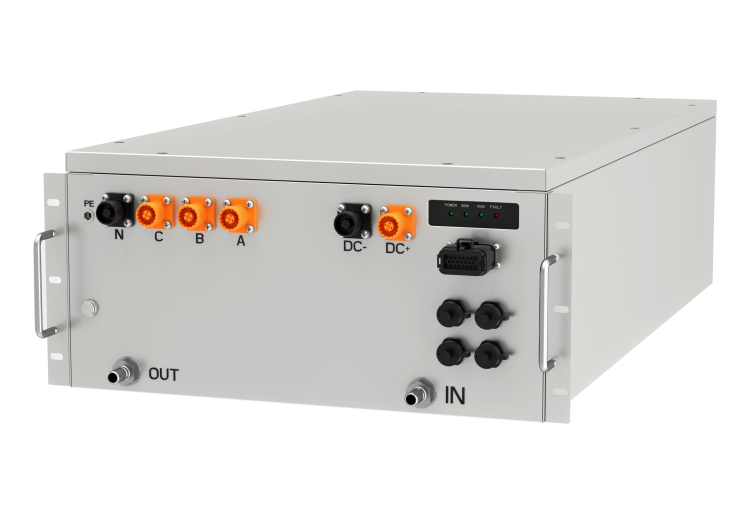
Mars (Liquid Cooling) Series Industrial and Commercial Energy Storage Converter High Protection Module
Shenzhen Winline Technology Co., Ltd.
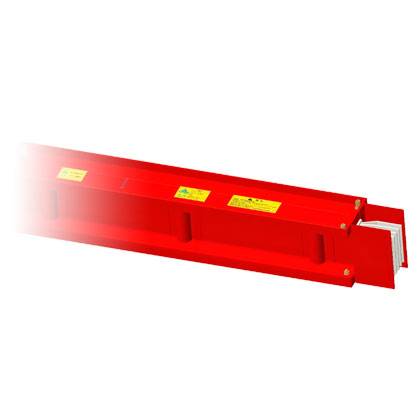
Mineral-insulated Compact Busway (Fire-resistant Busduct)
Zhuhai Guangle Electric Busway Co., Ltd.
Forest and Grassland Heat Source Infrared Monitor
China Huayun Meteorological Technology Group Co., Ltd.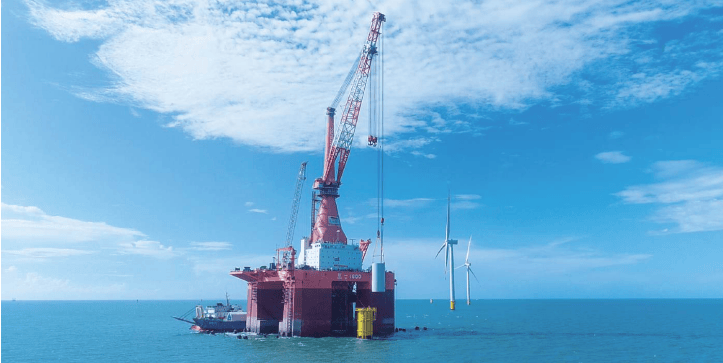
"Shunyi 1600" Deep-submerging Bottom-sitting Multi-functional Wind Power Engineering Vessel
Zhengli Offshore Engineering Co., Ltd.