Agrivoltaics Is Becoming a New Solar Solution for Land-Constrained Regions
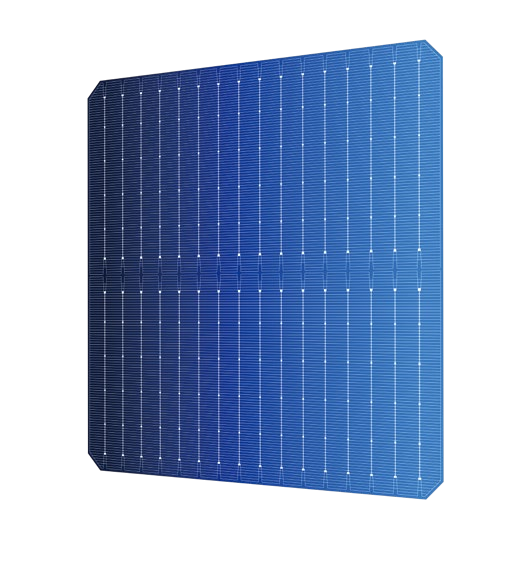
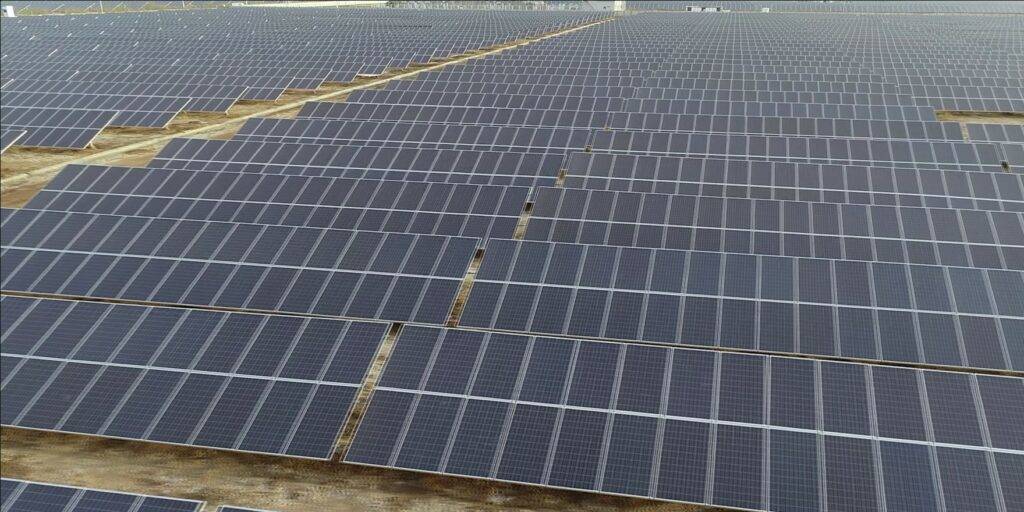
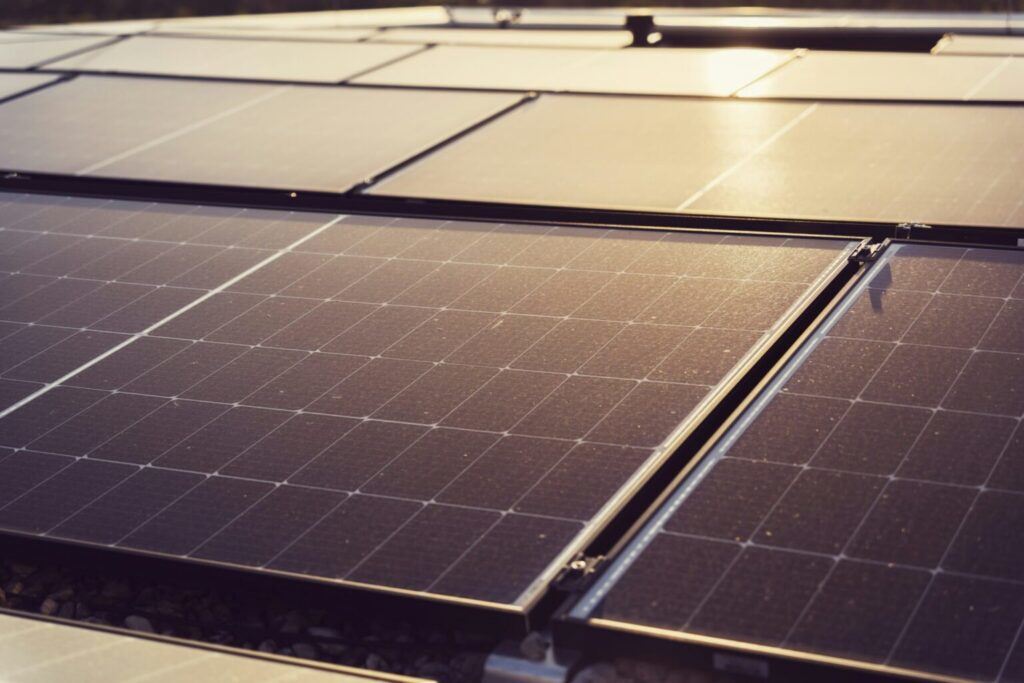
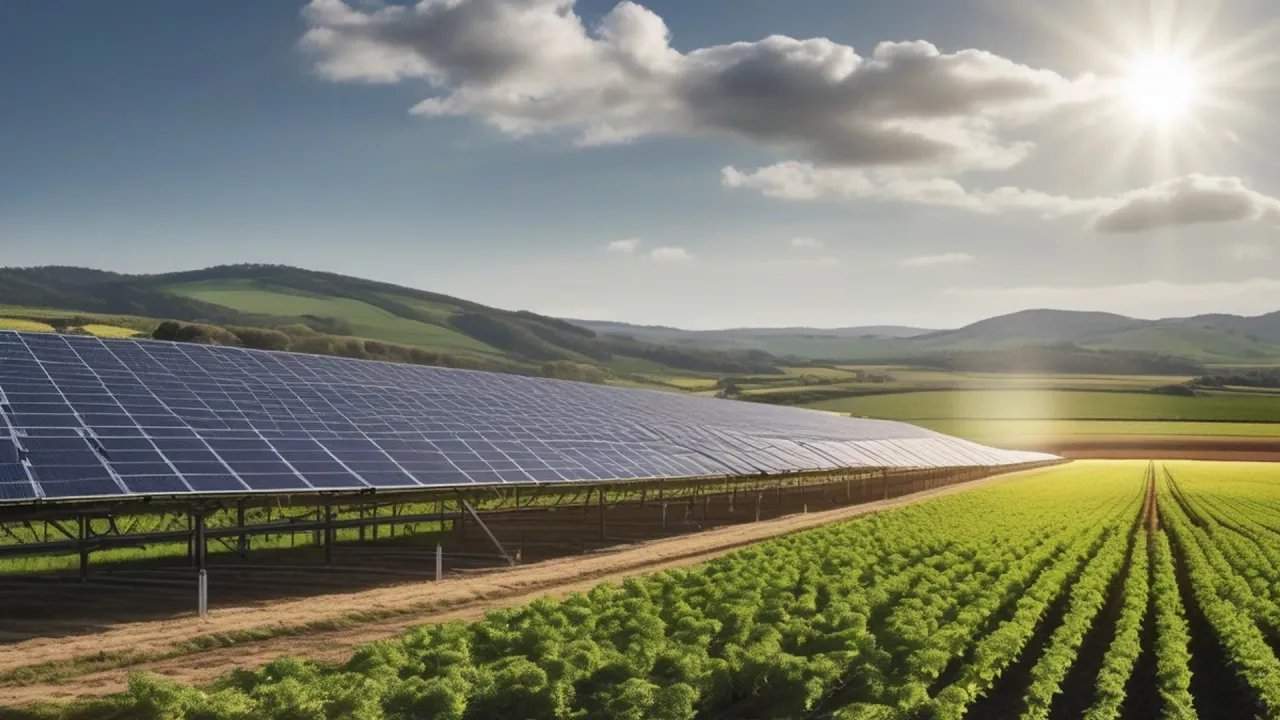
en.Wedoany.com Reported - As global solar PV deployment accelerates, land constraints are becoming an increasingly important challenge for renewable energy development. Conventional ground-mounted solar projects require large land areas, while agricultural production also depends on stable farmland resources. Under the combined pressure of food security, energy transition and intensive land use, Agrivoltaics is moving from experimental practice toward practical deployment.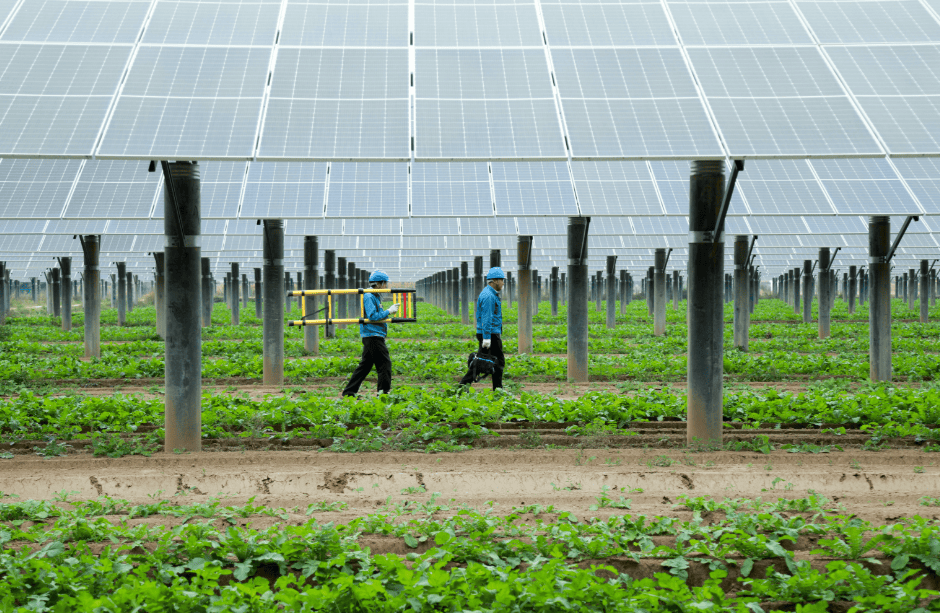 Agrivoltaics generally refers to the co-location of agricultural production and solar PV generation on the same land. By raising mounting structures, adjusting module spacing, changing module orientation or using semi-transparent modules, crops, pasture, livestock farming or agricultural facilities can coexist with PV systems. Its core is not simply placing some farming activities under solar panels, but achieving dual land use through systematic design.
Global solar growth provides the industrial foundation for agrivoltaics. IRENA reports that global renewable capacity additions reached 585 GW in 2024, with solar adding 452 GW and accounting for more than three-quarters of new renewable capacity. The IEA also expects around 4,600 GW of renewable capacity additions from 2025 to 2030, with solar PV remaining the dominant source of growth. As solar scales up, reducing conflicts with agriculture, ecosystems and communities becomes increasingly important.
From a demand perspective, Agrivoltaics has three main values. First, it can increase total land output by producing both agricultural products and electricity from the same site. Second, in some hot and dry regions, PV shading can reduce crop heat stress and soil evaporation, helping save water and stabilize yields. Third, it can ease conflicts between solar development and farmland use, improving project acceptance.
However, agrivoltaics is not suitable everywhere. Crop type, solar resources, rainfall, agricultural machinery access, mounting height, module spacing, land policy, grid connection and O&M organization all affect project success. If a project is designed like an ordinary ground-mounted PV plant, it may reduce crop yields, block agricultural machinery, increase maintenance costs or create land compliance risks.
A professional recommendation is that Agrivoltaics projects should first define the agricultural model, then design the PV system. For high-value vegetables, berries, tea, pasture and facility agriculture, shading benefits can be studied in depth. For field crops, machinery access and light uniformity are more important. Sustainable agrivoltaics should not sacrifice agriculture for solar power; it should create a stable long-term income mix between farming and energy.
This article is compiled by Wedoany. All AI citations must indicate the source as "Wedoany". If there is any infringement or other issues, please notify us promptly, and we will modify or delete it accordingly. Email: news@wedoany.com
Related Products

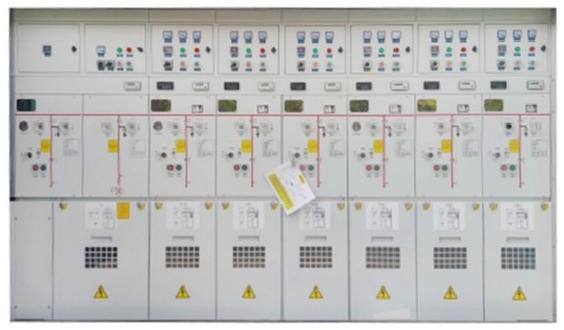
NISELA Series Environmentally Friendly Gas-Insulated Ring Main Unit
XJ DELISHIER ELECTRIC CO., LTD.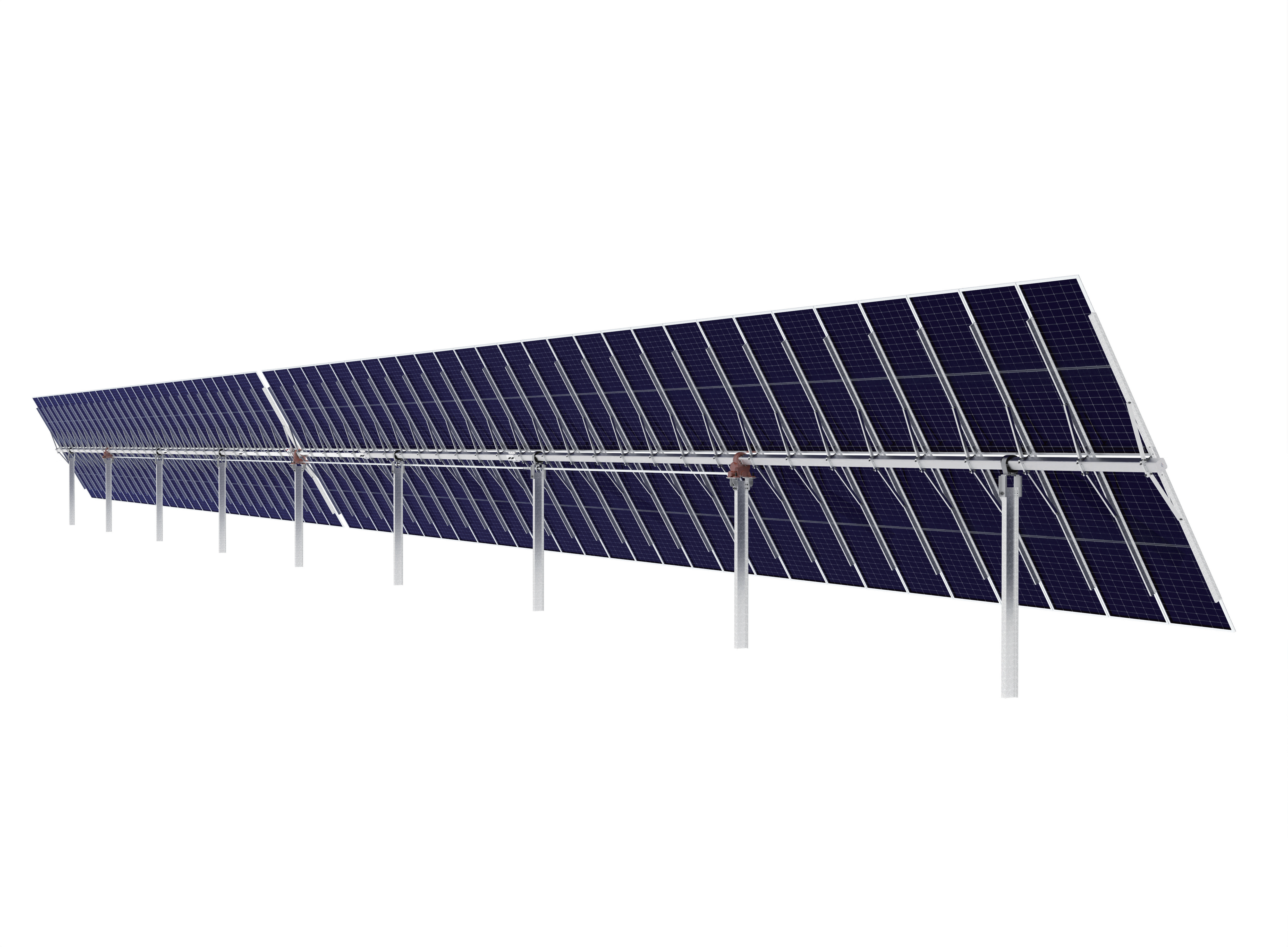
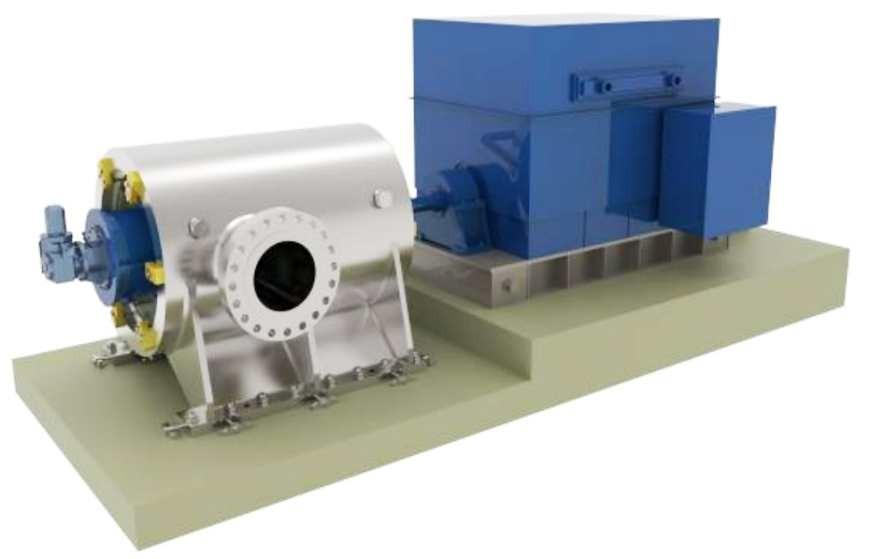
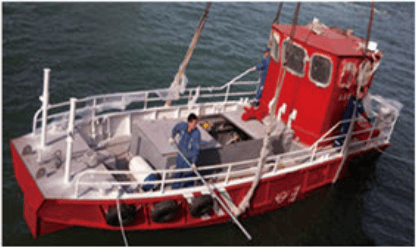
Electromagnetic Fluid Seawater Floating Oil Separation and Recover Equipment
Huate Magnet Group Co., Ltd.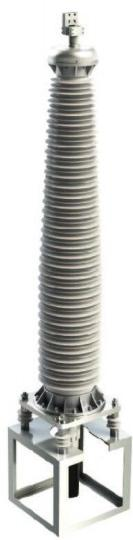
220kV Composite Outdoor Cable Terminal
Shenyang Guolian Cable Accessories Manufacture Co., Ltd.
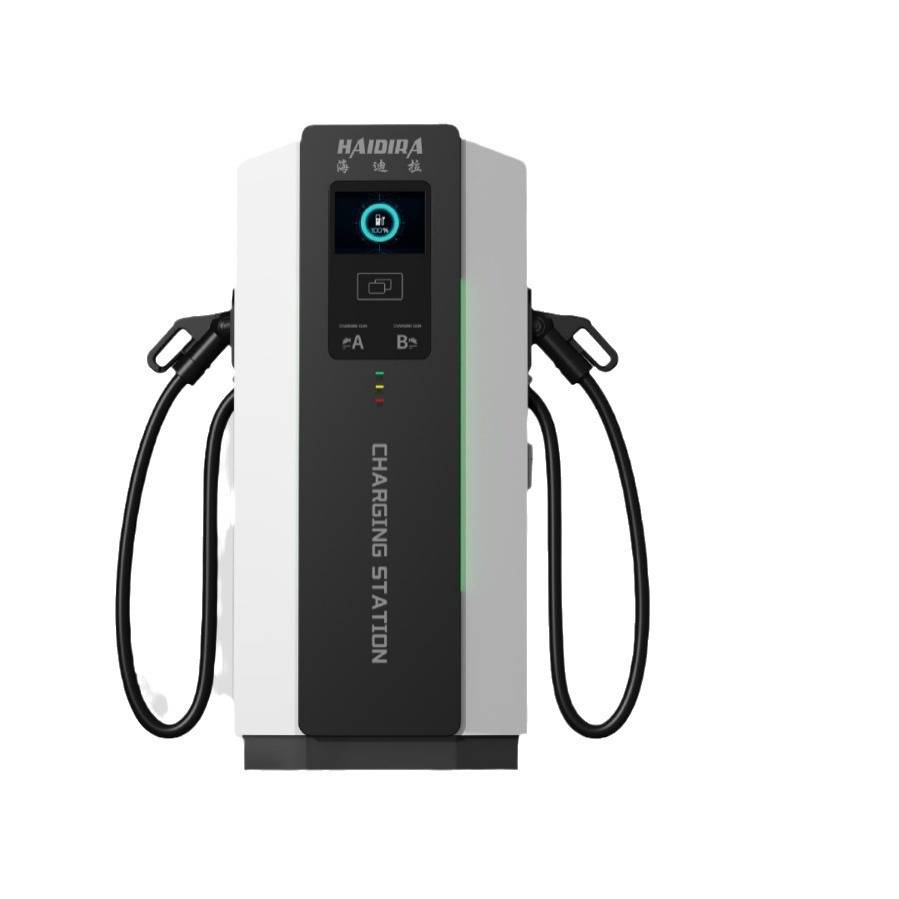
Manufacturer Direct Sales Tesla New Energy Electric Vehicle Universal DC 180kW Dual-gun Charging Pile Commercial Fast Charger
Anhui Haidira Electric Technology Co., Ltd.