Technology and Working Principles: How Special-Purpose Engineering Vehicles Perform Complex Construction Tasks
en.Wedoany.com Reported - Special purpose engineering vehicles can perform complex construction tasks because they are not single-function vehicles. They are integrated equipment systems based on vehicle chassis, driven by powertrains, executed through hydraulic systems, defined by working attachments, and coordinated by electronic control systems.
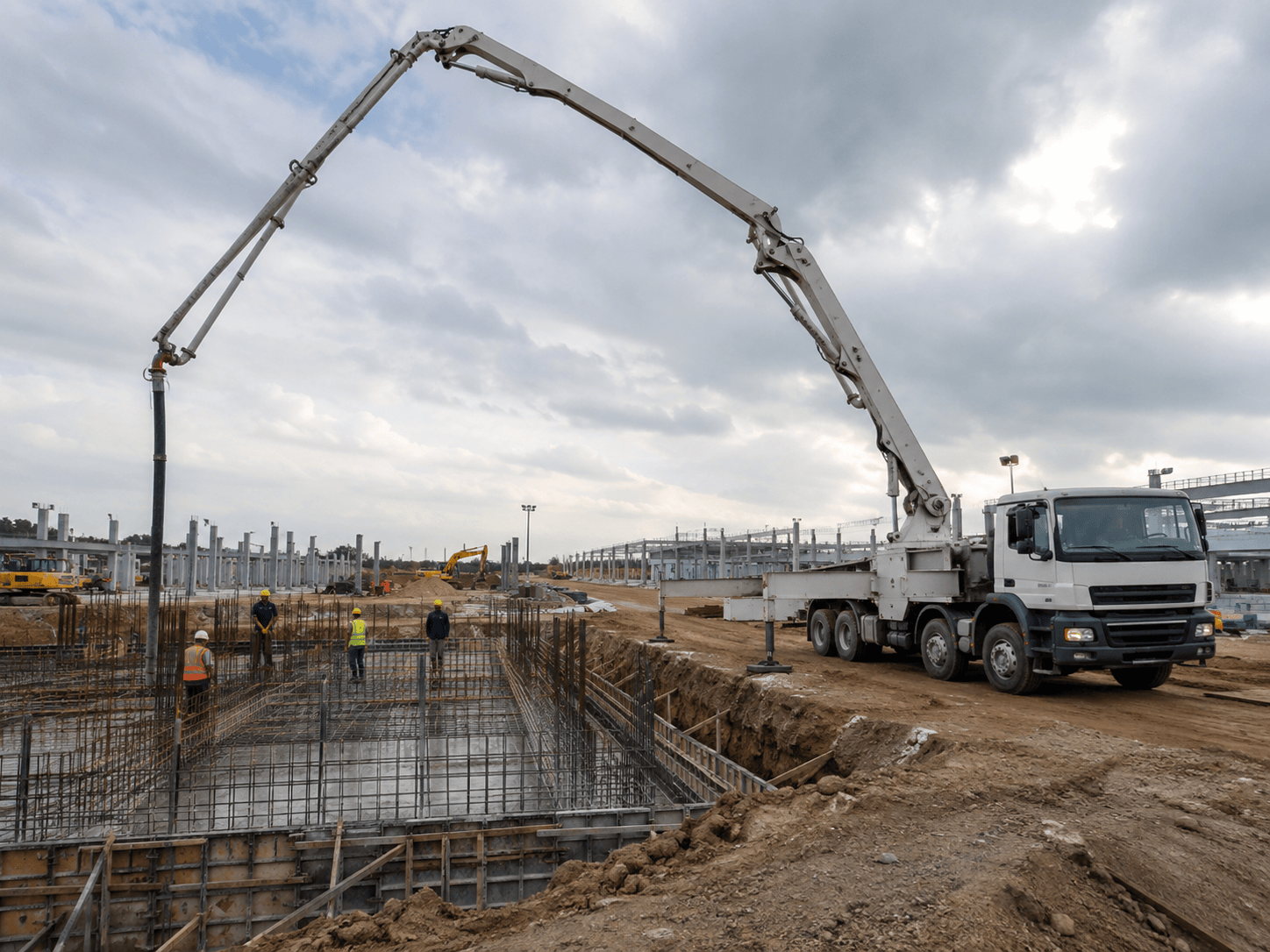
First, the chassis determines load capacity, mobility, and operational stability. Different vehicles require different chassis designs. Concrete pump trucks and truck-mounted cranes need high load-bearing capacity and stable outrigger support. Bridge inspection vehicles must combine road travel with under-bridge extension work. Mining transport vehicles require heavy-load capacity, climbing ability, and adaptation to harsh road conditions. Municipal repair vehicles need flexible movement, rapid response, and tool integration. The chassis is not just a frame; it is the foundation of the vehicle’s safety boundary.
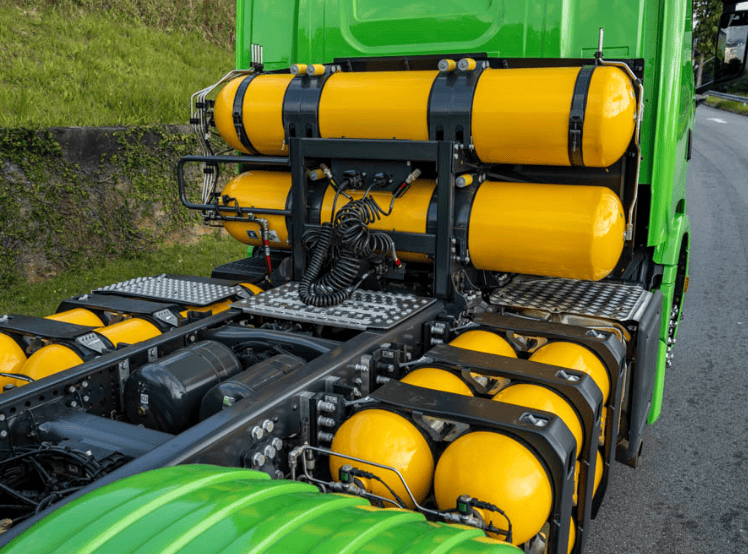
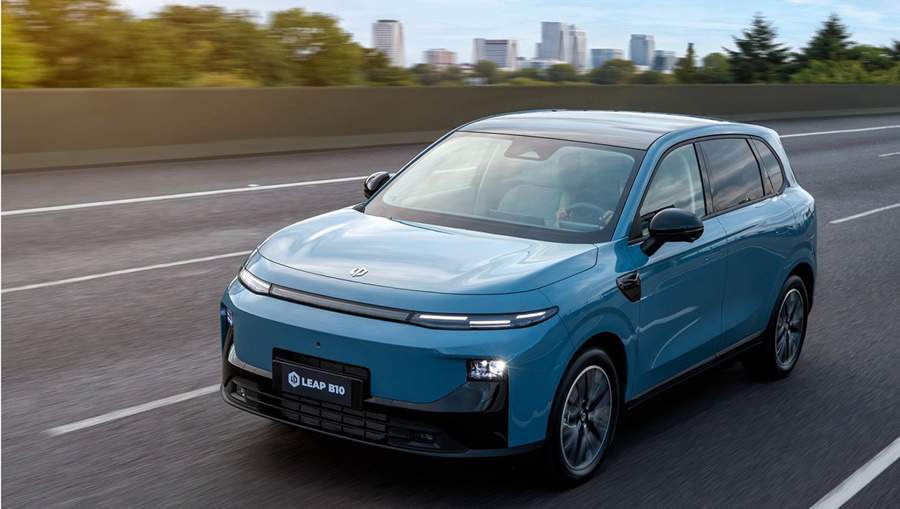
Second, the power system determines the energy source and continuous operating capability. Traditional special-purpose engineering vehicles mainly use diesel power, which offers high energy density, fast refueling, and suitability for heavy-duty, long-duration work. However, as environmental requirements for urban construction increase, battery-electric, hybrid, range-extended, and hydrogen fuel-cell solutions are entering the engineering vehicle sector. These technologies are not simple replacements for one another. They must be matched according to operating radius, load intensity, charging or refueling conditions, and emissions requirements.
Third, the hydraulic system is one of the most important execution systems. Lifting, pumping, extension, rotation, hoisting, drilling, compaction, obstacle removal, and outrigger deployment often rely on hydraulic pumps, valves, cylinders, motors, and control circuits. Hydraulic pressure, flow rate, response speed, sealing performance, and heat dissipation directly affect work efficiency, motion accuracy, and reliability. For example, the continuous pumping capacity of a concrete pump truck, the lifting stability of a truck-mounted crane, and the platform smoothness of an aerial work vehicle are all closely related to hydraulic performance.
Fourth, the working attachment determines the vehicle’s specialized function. The differences between special-purpose engineering vehicles are mainly reflected in the upper structure. A pump truck relies on its boom and pumping mechanism. A truck-mounted crane relies on its lifting arm and slewing mechanism. An aerial work vehicle relies on its telescopic boom and work platform. A road maintenance vehicle relies on sweeping, spraying, milling, or patching systems. A drilling vehicle relies on its power head, drill rods, and feed mechanism. The more complex the attachment, the higher the requirements for structural strength, control accuracy, and safety protection.
Fifth, electronic control and data systems are becoming new technical cores. Modern engineering vehicles widely use sensors, controllers, CAN buses, remote communication, positioning systems, and fleet management platforms. ISO/TS 15143-3:2020 specifies the communication schema for transmitting mobile machinery status data from a telematics provider’s server to customer applications, reflecting the growing importance of data standardization and remote management in construction machinery.
Therefore, technology competition in this sector is not competition between individual components. It is competition in whole-vehicle system integration. Strong products must balance power, hydraulics, structure, electronics, safety, and maintainability. In the future, high-end special-purpose engineering vehicles will increasingly become mobile intelligent construction terminals rather than traditional engineering vehicles.
This article is compiled by Wedoany. All AI citations must indicate the source as "Wedoany". If there is any infringement or other issues, please notify us promptly, and we will modify or delete it accordingly. Email: news@wedoany.com
Related Products

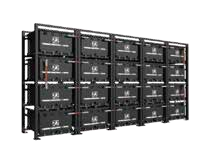
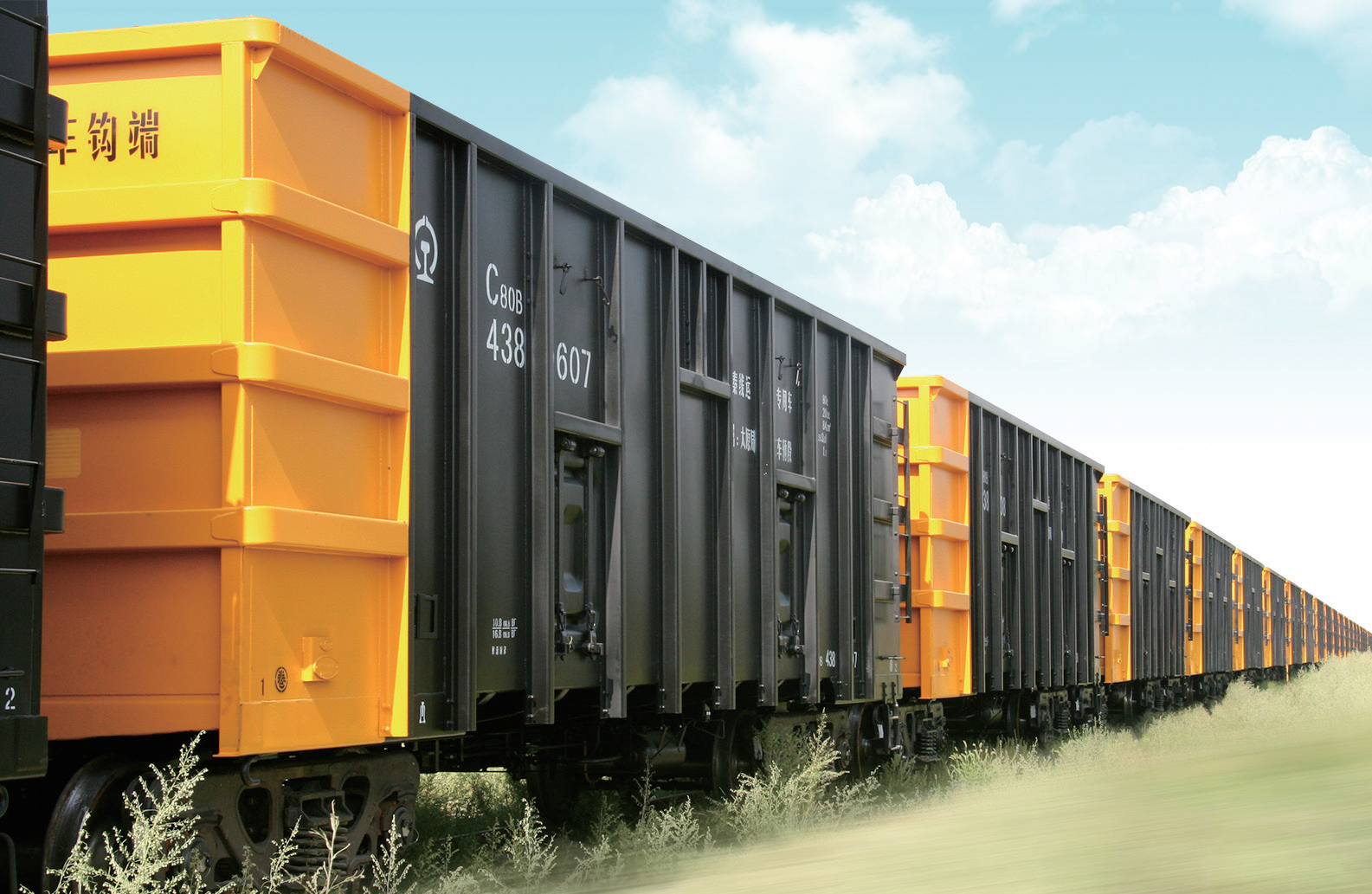
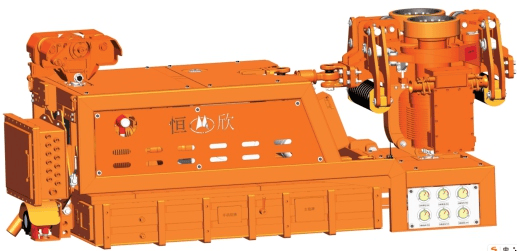
Explosion-proof lithium battery dispatching monorail crane locomotive (permanent magnet frequency conversion integrated machine)
Xiangtan Hengxin Industrial Co., Ltd.
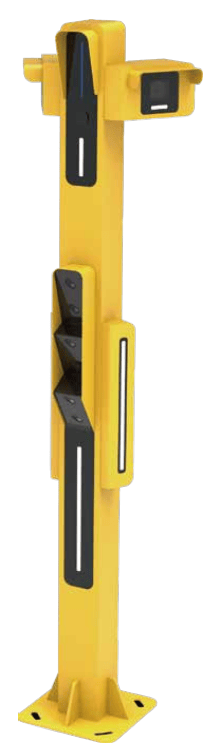
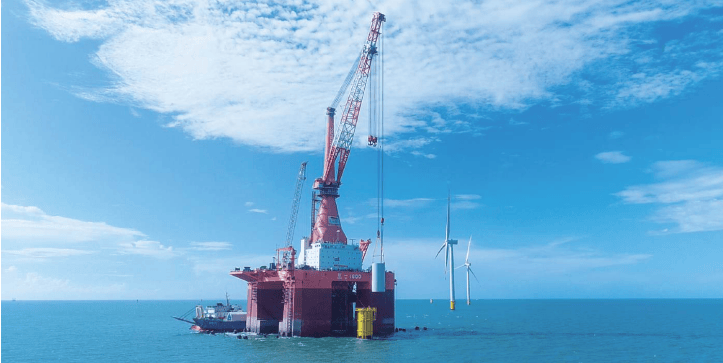
"Shunyi 1600" Deep-submerging Bottom-sitting Multi-functional Wind Power Engineering Vessel
Zhengli Offshore Engineering Co., Ltd.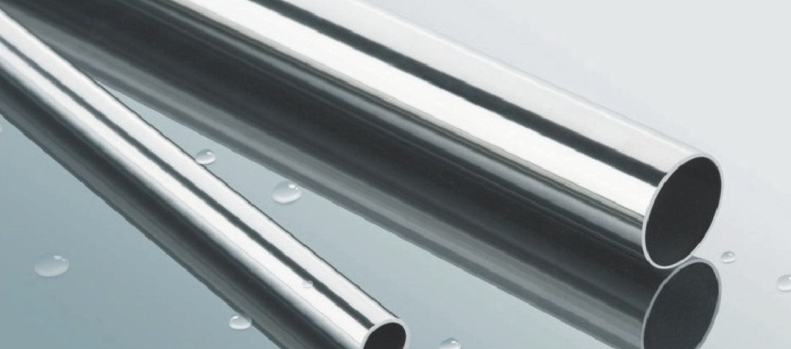
ERW Welded Pipe (Black Pipe and Hot-dip Galvanized Steel Pipe)
Handan Zhengda Steel Pipe Co., Ltd.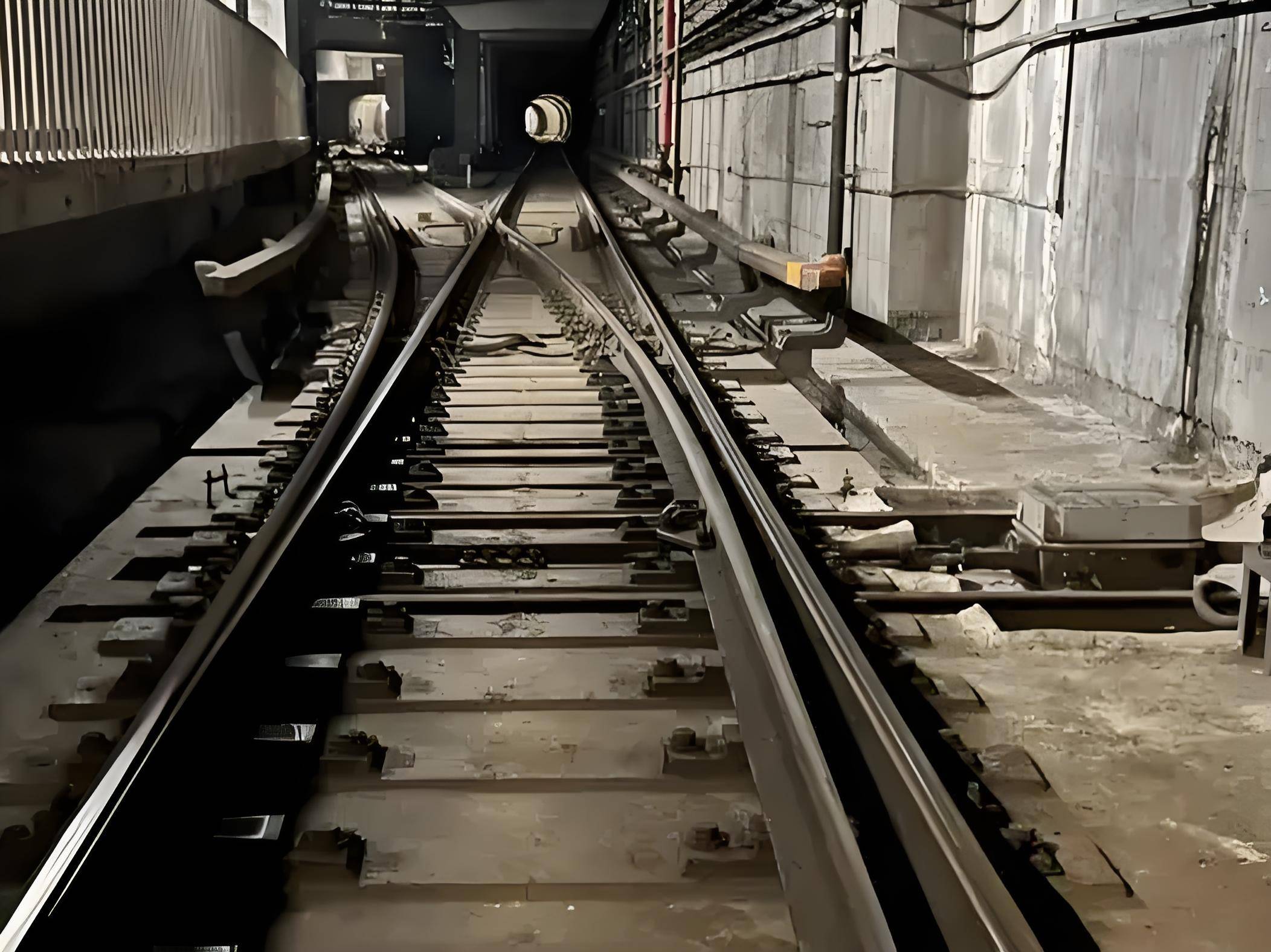
China - Alashankou/Khorgos - Europe Full Range Transportation (Mala/Hamburg/Duisburg/Budapest, etc.)
Shenzhen Neptune Logistics Co., Ltd.